
Flowers & Plants Planting Calendar
Flower and Plant Seeds to Sow in April – Planting Guide

Apr
April is widely regarded as the perfect month for gardening in the UK. This is because the weather begins to warm up and the days start to get longer, providing the optimum conditions for many flowers and plants to begin thriving. Some of the factors that make the weather in April so ideal for gardening include:
- Warmer temperatures: The average temperature in April is around 10 – 14 °C (50 – 57 °F) which is warm enough for many plants to start growing.
- Increased daylight: April is one of the first months of the year when the days start to get longer, providing plants with more sunlight to photosynthesize and grow.
- Reduced risk of frost: The risk of frost is much lower in April compared to earlier months, which means that many plants can be safely sown and planted outside.
Now that spring is here, it is the perfect moment to head outdoors and sow flowers or plants. If you want a vibrant garden or something that will grow annually, our guide will describe what seeds are perfect for April, since seeds are easier to buy than flowers this early in the year. Enjoy the warmer weather and feeling the rich soil between your fingers.
Angelica Gigas

If you are looking for a plant that will attract attention and make your garden stand out, the Angelica Gigas may be just what you need. Known as the “Giant of Angelicas,” this leafy giant is one of the largest members in its family. Read on to learn more about this unusual plant!
The Angelica Gigas is a perennial plant that can grow to be up 12 feet tall. It has large, green leaves and an umbrella-shaped flower head with white or purple flowers on top of it in the summertime (although you may not see this if your garden doesn’t get much sun).
Angelica Gigas is a monocarpic plant – meaning it flowers, set seeds and dies – from Korea, Japan and China. It blooms every other year, so you could plant these seeds in two consecutive years so that you always have flowers. The roots are often used in Chinese medicine. The plant is not particularly colourful, and it produces small flowers. But these flowers grow in clusters, making your garden more interesting in the process. Its aesthetic can be further enhanced by pairing it with dahlias or alliums. Angelica seeds best grow if they are sown just after they mature, and it is a good idea to first plant the seeds in pots before transferring them to the garden. Press the seeds gently in the surface of moist soil, without fully covering them. They need light, so place them in a bright location – temperatures should be15-18 C. It is also possible to sow dried Angelica seeds. More seeds will have to be sown because of the low germination rate for dried seeds, and they should only be planted after spending 2-3 weeks in the fridge. The plant can reach a height of 4 feet.
Nicotiana
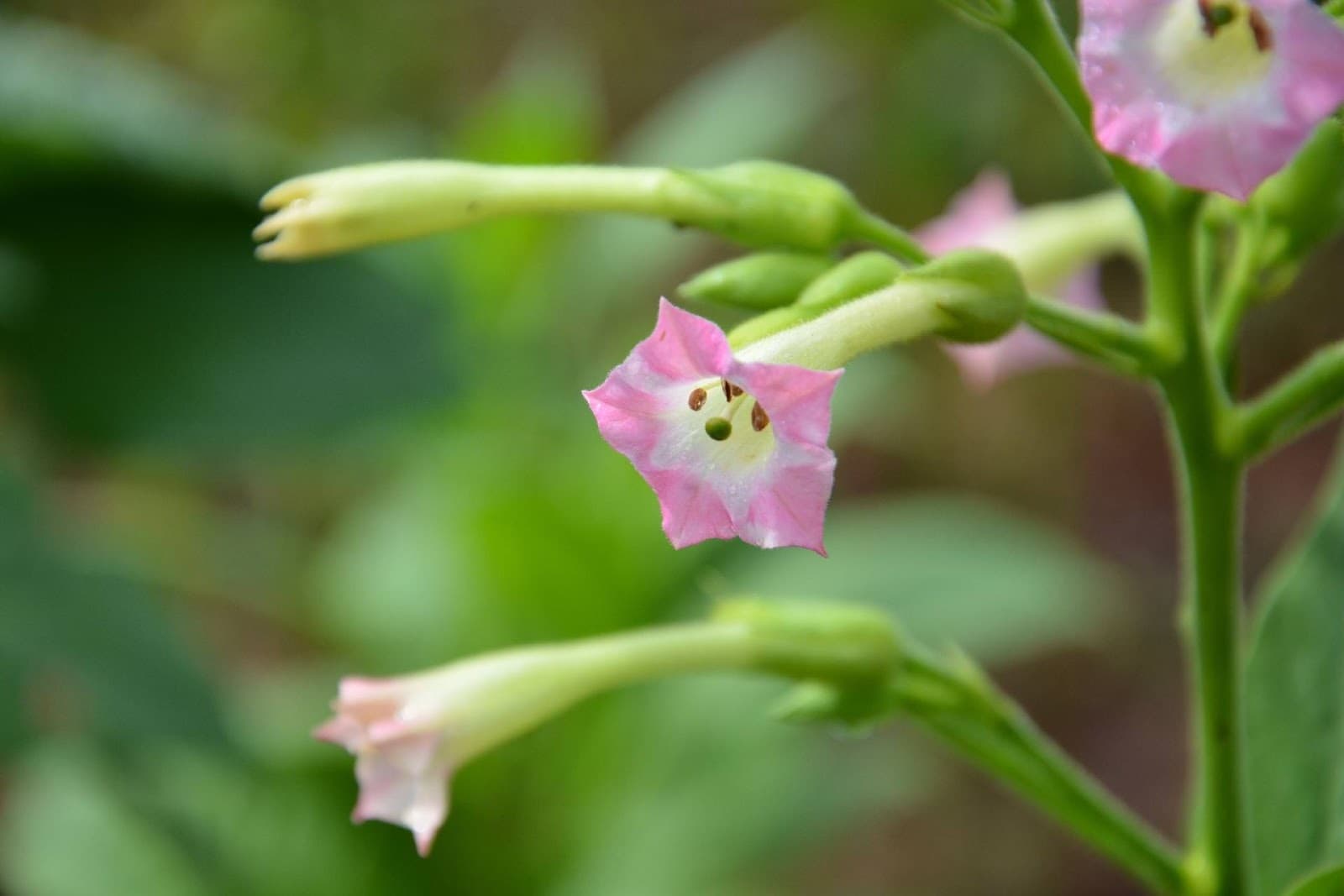
Commonly known as the tobacco plant, Nicotiana is used in ornamental gardens because it comes in many different sizes and colours, particularly in white, red and pink. The plant’s nocturnal scent attracts moths into the garden. It is indigenous to parts of Africa, Asia and the Americas.Nicotiana is best planted in well-drained, moist soil, in full or partial sunshine. You can start off by filling a tray with seed compost and sowing a small number of seeds in each cell. Cover with water, vermiculite and place in a propagator next to a window. After germination and the appearance of a couple of leaves, transfer to 7 cm pots with multipurpose compost, and later, the garden.As they grow, protect them from slugs and snails.
Cosmos

These flowers come in a beautiful range of shapes and colours. Its name comes from the Greek word for harmony and from Spanish priests in Mexico, who noticed its evenly placed petals.They flower pretty easily, typically in three months, even in average to poor soils. Cosmos is usually annual, but unlike most annuals, it cannot tolerate low temperatures. Sow the seeds in a tray or pot. In a tray, cover them with 3mm of multipurpose compost, with one seed per cell. Moisten and then drain the compost. Place in a heated propagator or cover with a clear plastic bag. After germination, transfer to 7 cm pots. When the seeds are large enough, move them outside to the garden.
Poppies

Poppies are symbolic flowers, known for their role in opium production and for being the flowers of remembrance for the fallen soldiers of World War 1. In your garden, they will add plenty of colour.Poppy seeds can be sown directly into the ground, especially in well-drained spots that attract a lot of sunlight. They can germinate in 7-30 days. Once the seeds become big enough, set them 30 cm apart from one another. Water the seeds but remember that overwatering can lead to leggy plants.
Lagurus

Lagurus is an ornamental plant commonly used in ornamental gardens across the globe. It is also known as hare’s-tail or bunny-tail on account of its leaves.Space these seeds 1 cm apart in sandy, well-drained soil, at a depth of around 4 times the width of the seed. Lagurus is quite tough and will probably survive a lack of watering, and it does not have any pests. It can grow 1 to 2 feet in height.
Monarda
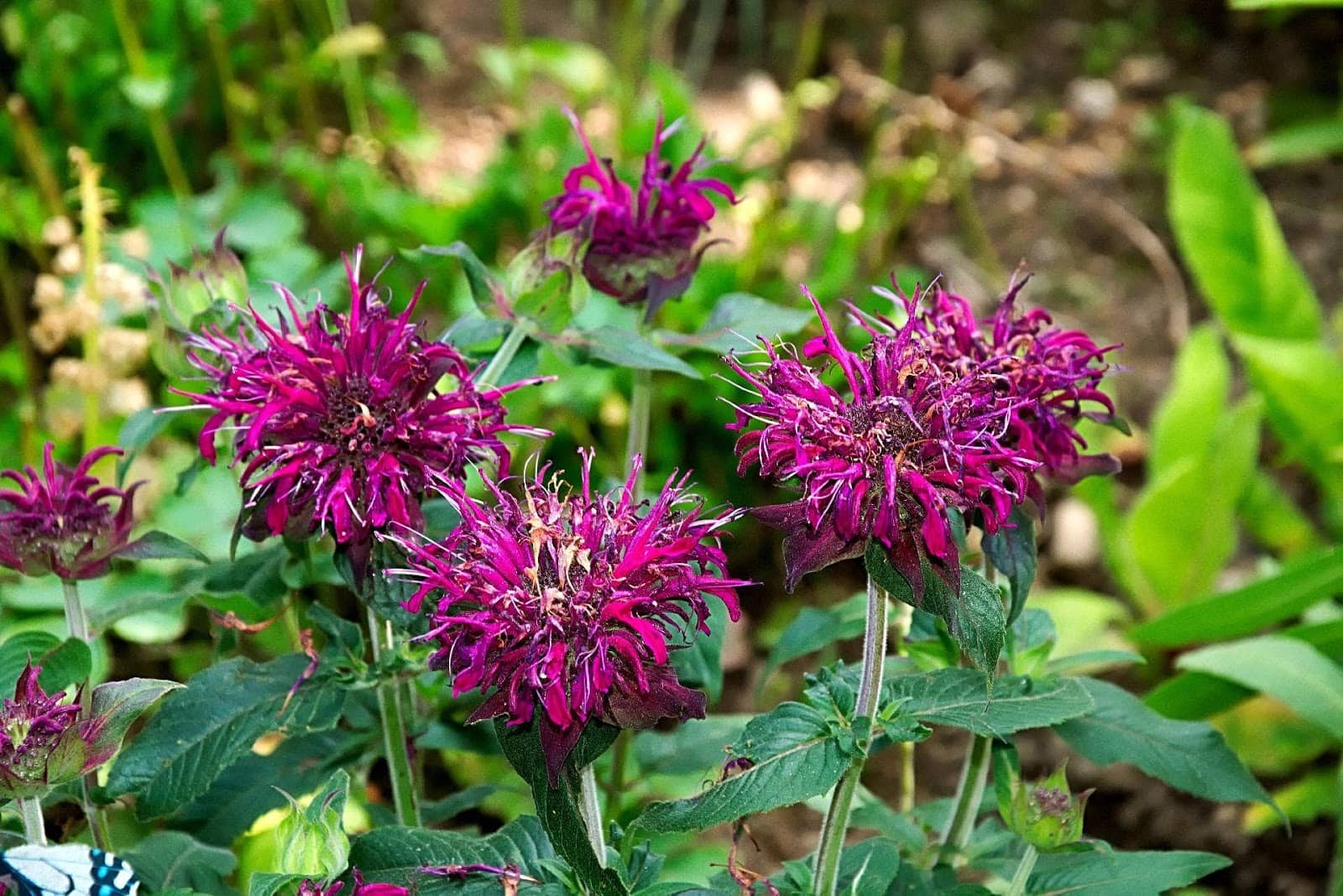
Monarda is a species with beautiful perennial and annual plants, some of which have been used by the Native Americans as medicine. The leaves exude a fragrance of bergamot orange, which attracts butterflies and bees during the summer months.Long flowering and fully hardy, it loves getting lots of sunlight. Moist soil is the most ideal for Monarda because dry soil can encourage the growth of mildew. Sow seeds a quarter-to-a-half-inch deep, 12 inches apart. Water when the soil gets dry but Monarda does not need much water. If planted correctly, it is generally low maintenance and pest-free.
Ipomoea Lobata
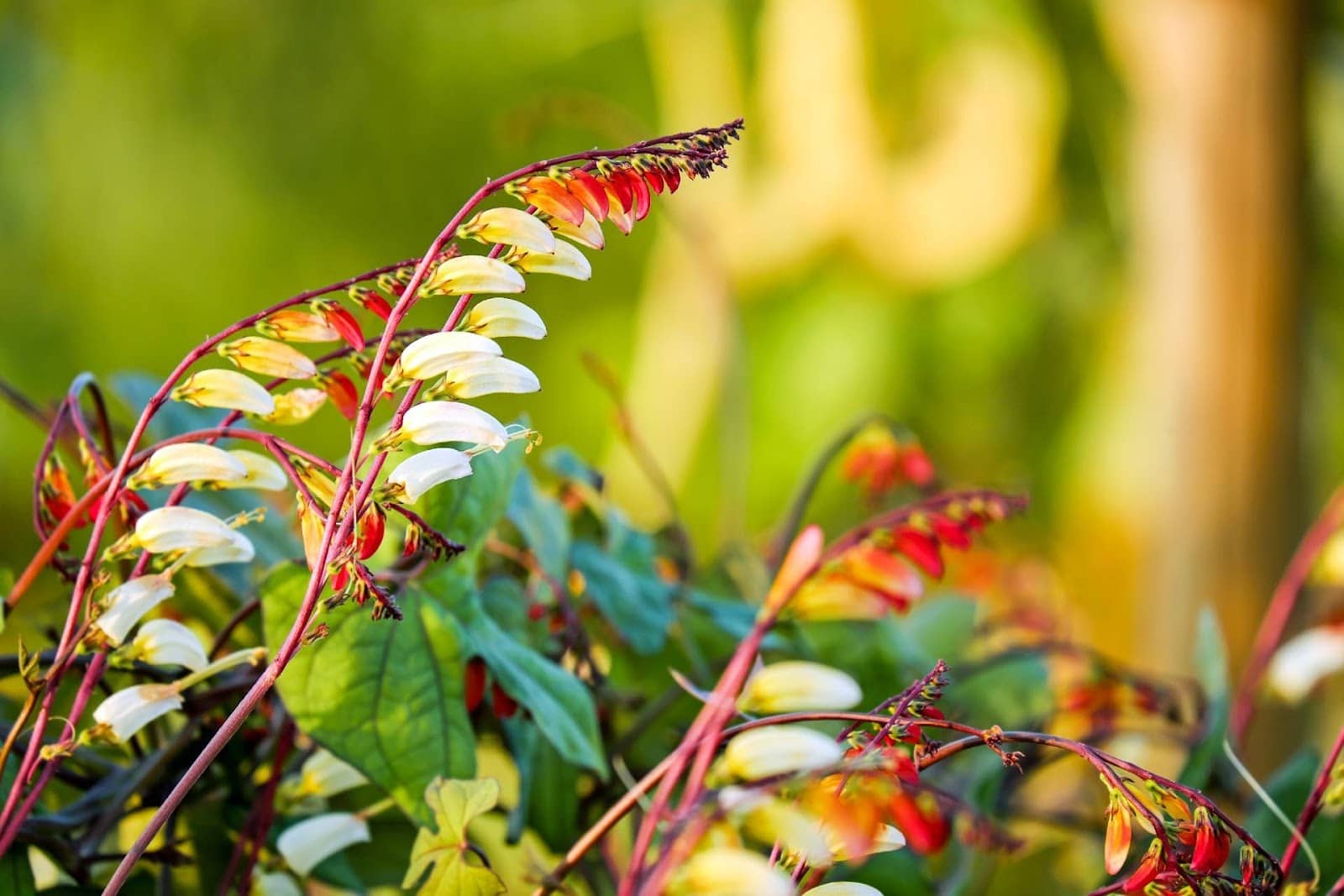
Known alternatively as the fire vine, firecracker vine and Spanish flag because of the colour of its leaves, this flowering plant is native to Brazil and Mexico. Growing quite tall, it is an annual climber.Sow directly into moderate soil after the last frost has passed, water once a week, but only moderately. Generally speaking, this plant does not need fertilizer, but some compost can be used if the soil is poor. However, too much fertilizing will affect how the plant blooms.
Pansy
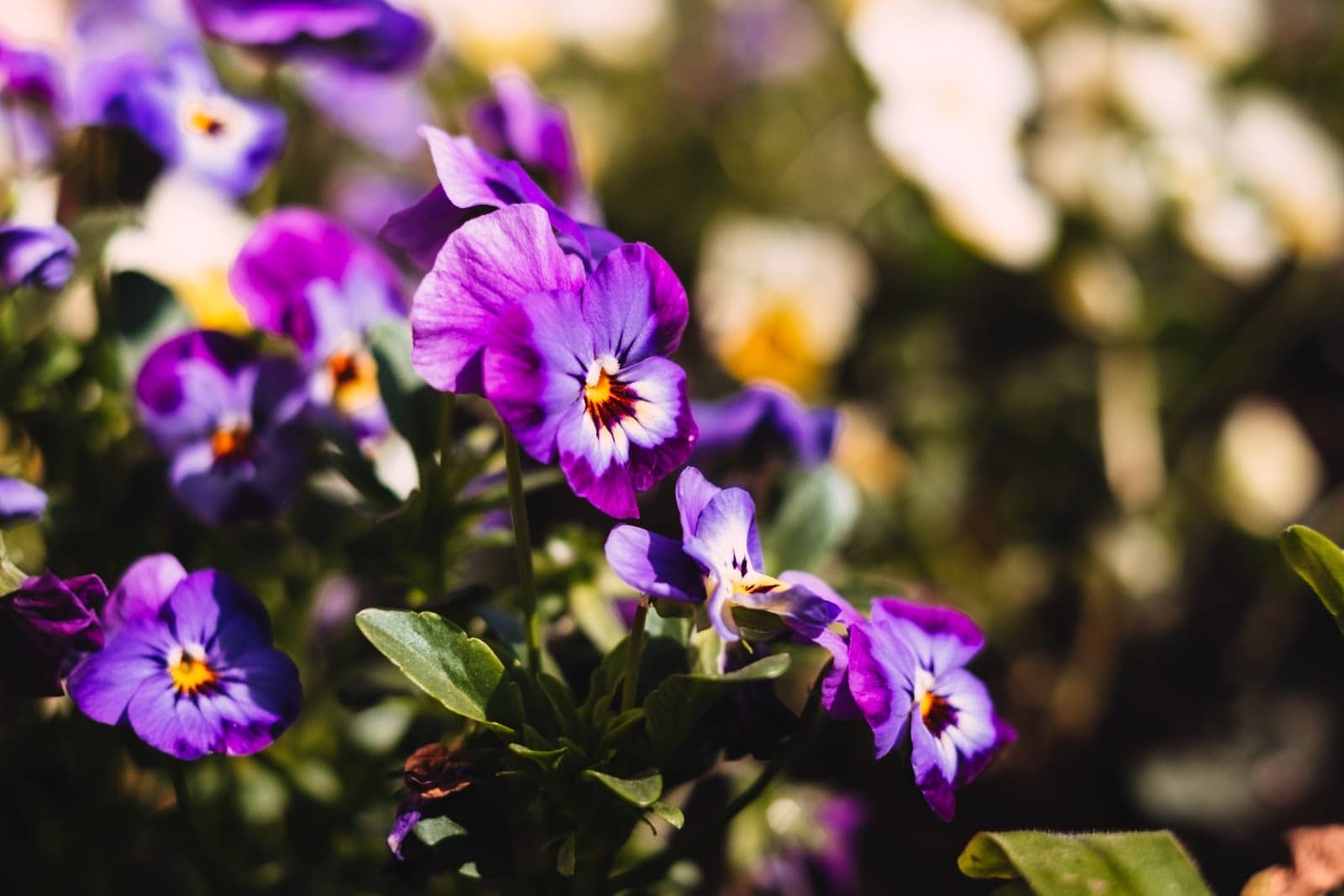
Pansies are one of the most recognizable flowers – it even appears in a Shakespeare play – and they can give colour and life to any garden.Try to sow these seeds in rich, well-drained soil that is high in organic material, under the sun or in partial shade. These are hardy flowers, so they can be planted even if April is a little bit chilly. Because the seeds can take a while to germinate, it is best to start by putting them into pots indoors. Cover them well with the soil and cover the pot with black plastic – they need darkness to grow. Once in the garden, water frequently and space the pansies around 7 inches apart.Slugs are the only insect that can disturb your growing flowers, so you could set slug traps.
Yellow Trillium
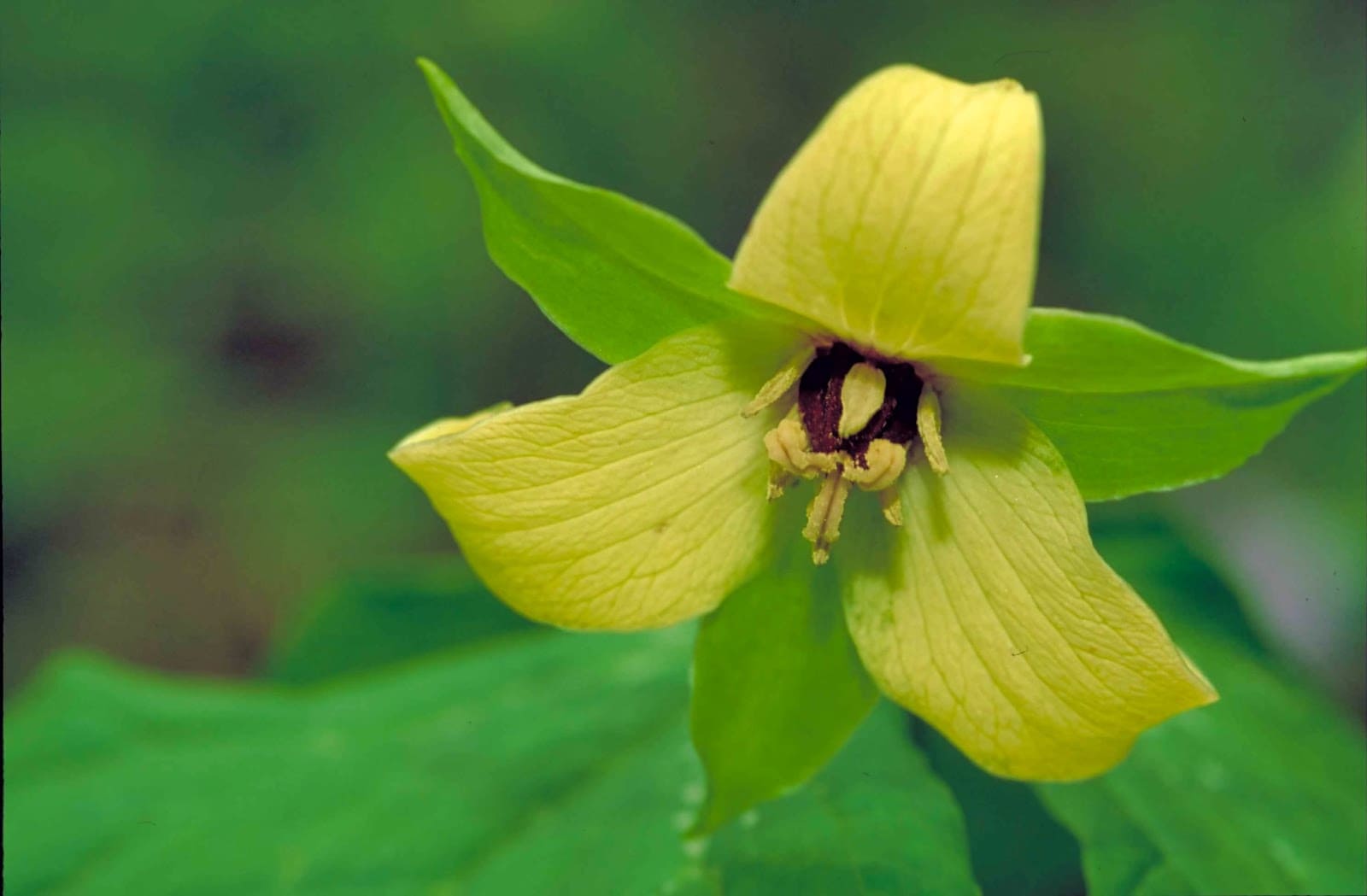
This flowering plant will look great in your garden.Trilliums are best grown in rich garden soil, rather than containers. Plant in moist, well-drained soil rich in organic material, spaced 6-12 inches apart, 2-4 inches deep. It will die off around June, and slugs and snails are common pests.
Snowdrop Anemone
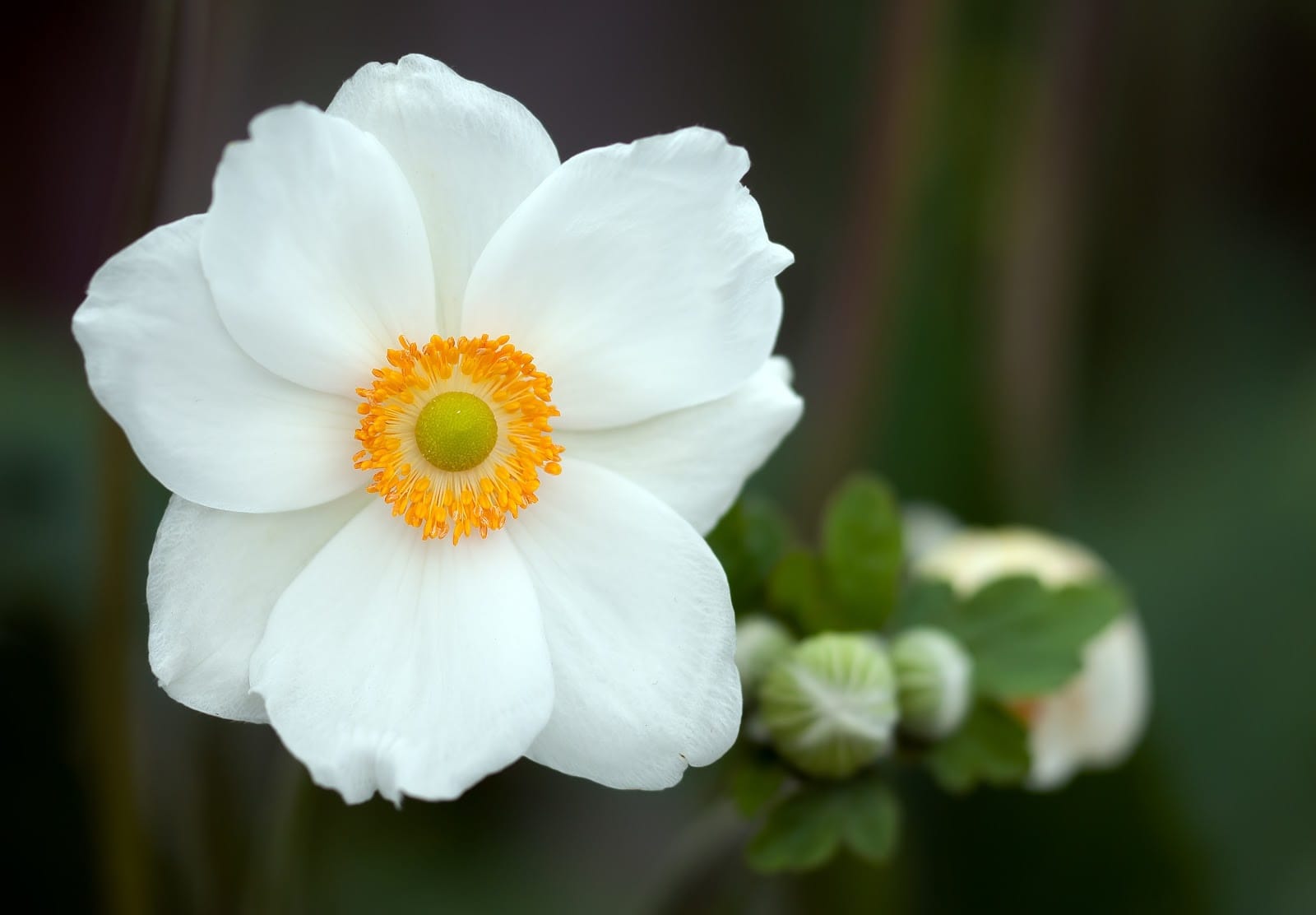
In gardens with shade, this magnificent white flower will flourish in cooler temperatures and may even bloom again in Autumn.Plant the seeds 3 inches deep and apart in well-drained soil and use compost to promote seed growth, in a place that gets plentiful sun. Don’t worry what way the bulbs are facing; they always bloom correctly. Remember to water well.
Acoma Iris
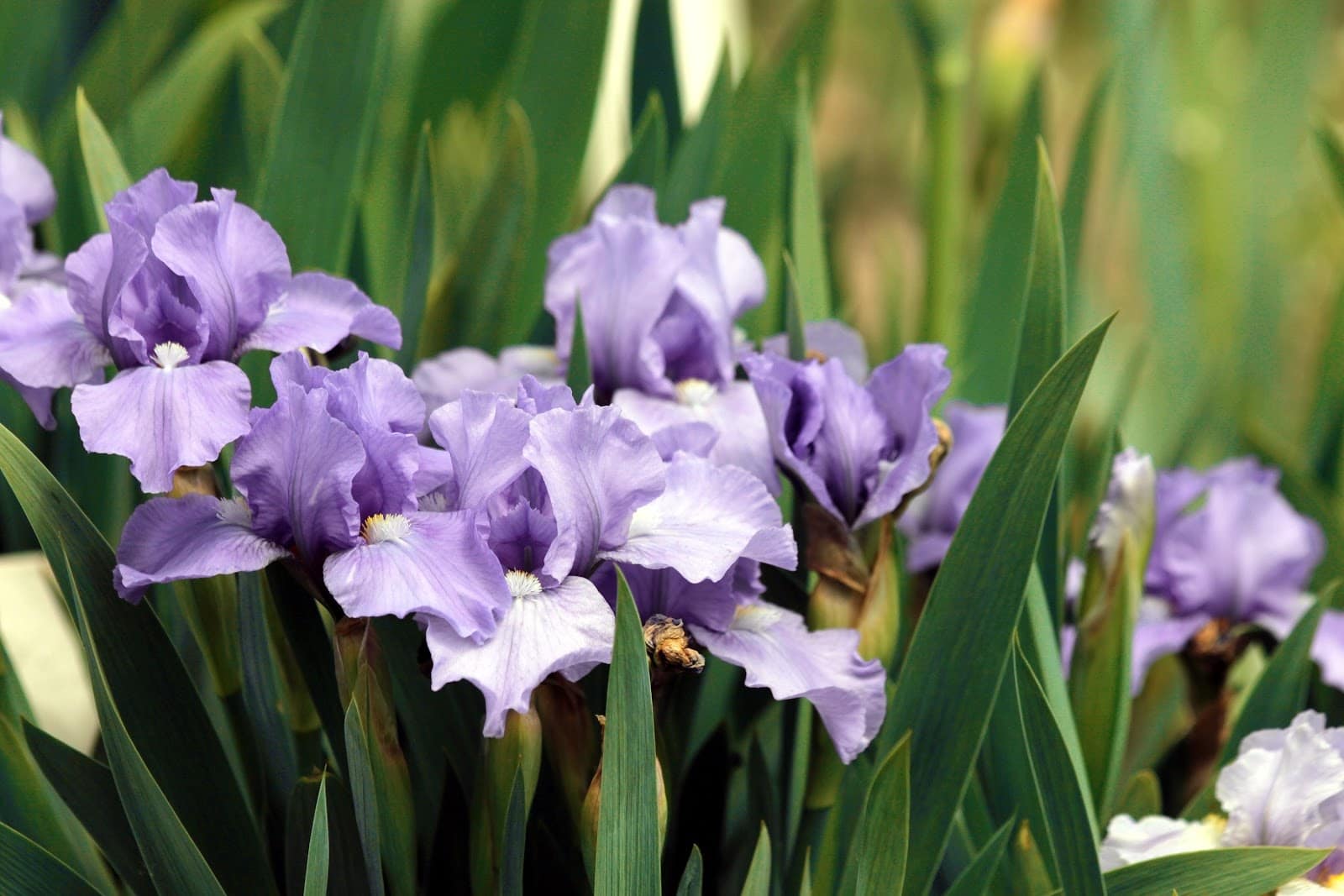
Acoma iris, also known as the Tall Bearded Iris, is a versatile flower, one which can brighten up gardens in spring and summer.Seeds should be sown, 30 cm apart, in fertile, neutral soil in a spot that attracts a lot of sunlight. The upper part of the rhizome should be partially exposed to the elements. The seeds fare badly if planted too deeply.
Marigold
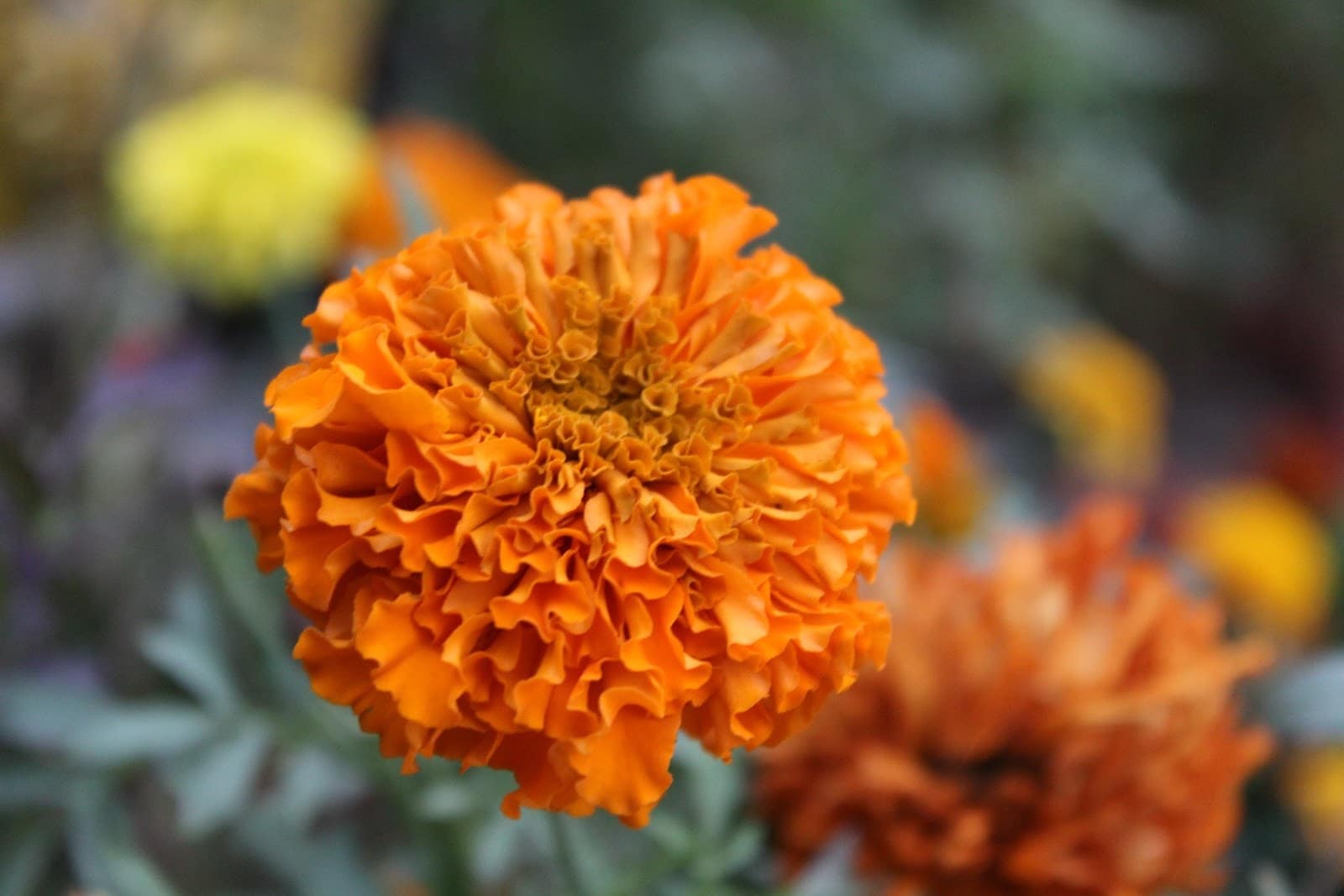
Marigolds are beautiful and durable flowers. Originally from Mexico but now found all over the world because it is an easy, hardy annual to grow.This flower can tolerate a range of soils and weather conditions, but above all, they love warmth. It is important to water regularly and to keep frost at bay. To repel insects, try planting around vegetable plants. Plant directly in the ground and cover with a thin layer of soil and keep 8-18 inches apart. Once established, they are low maintenance.
Snapdragon
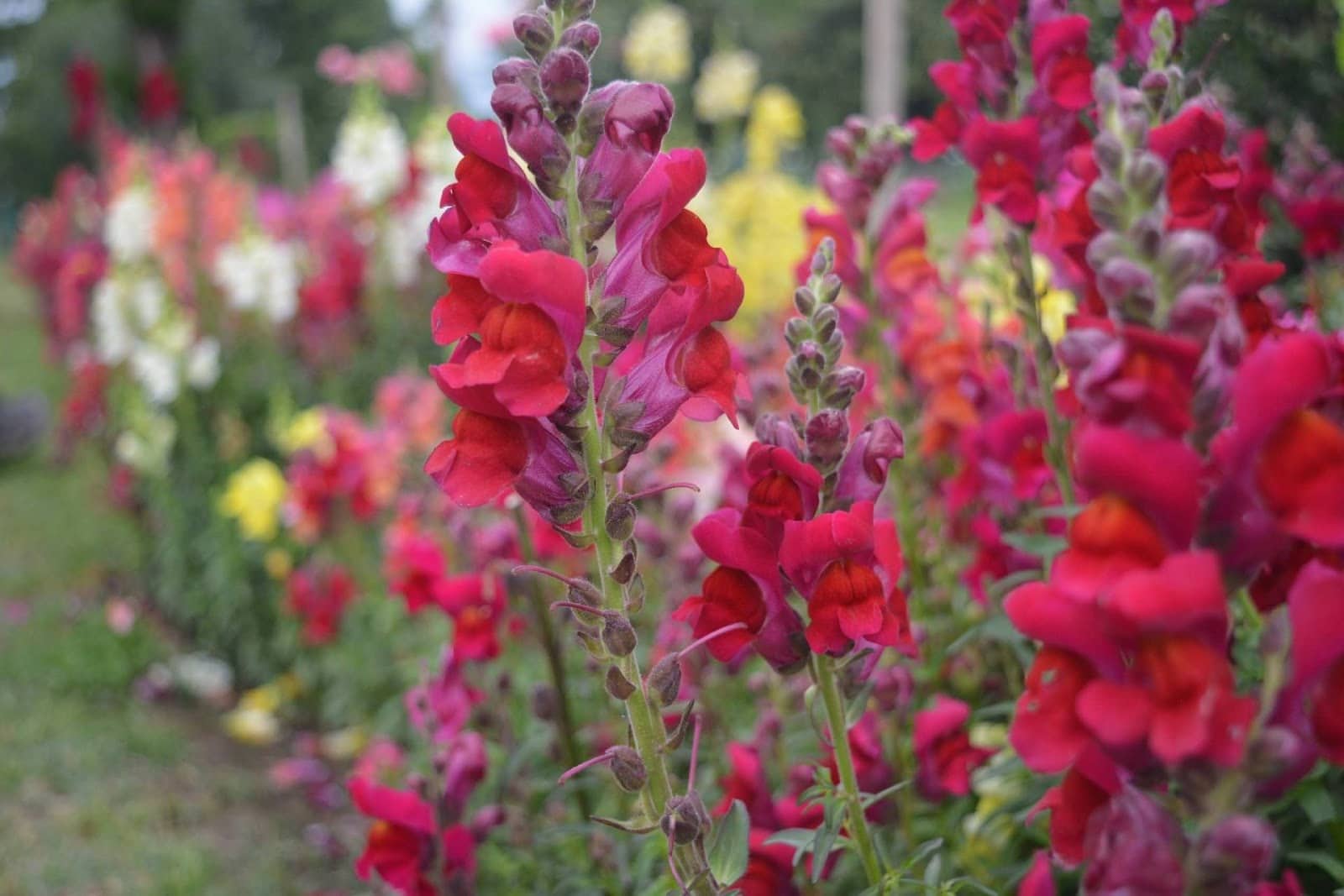
Snapdragons offer deep, enchanting shades of pink or purple.It is recommended to start indoors in February. Chill the seeds in a fridge, lightly covered by soil. In a week or two, they should sprout. Move to pots and cover with vermiculite. By April, they can be moved to the garden and set in neutral soil mixed with fine sand. Moderately water once a week and fertilize once a month.Aphids are a common pest but hosing the plant down with water will remove it. Fungicide will eliminate fungus, which can be prevented by sowing the seeds in a place with good ventilation.
Zinnias
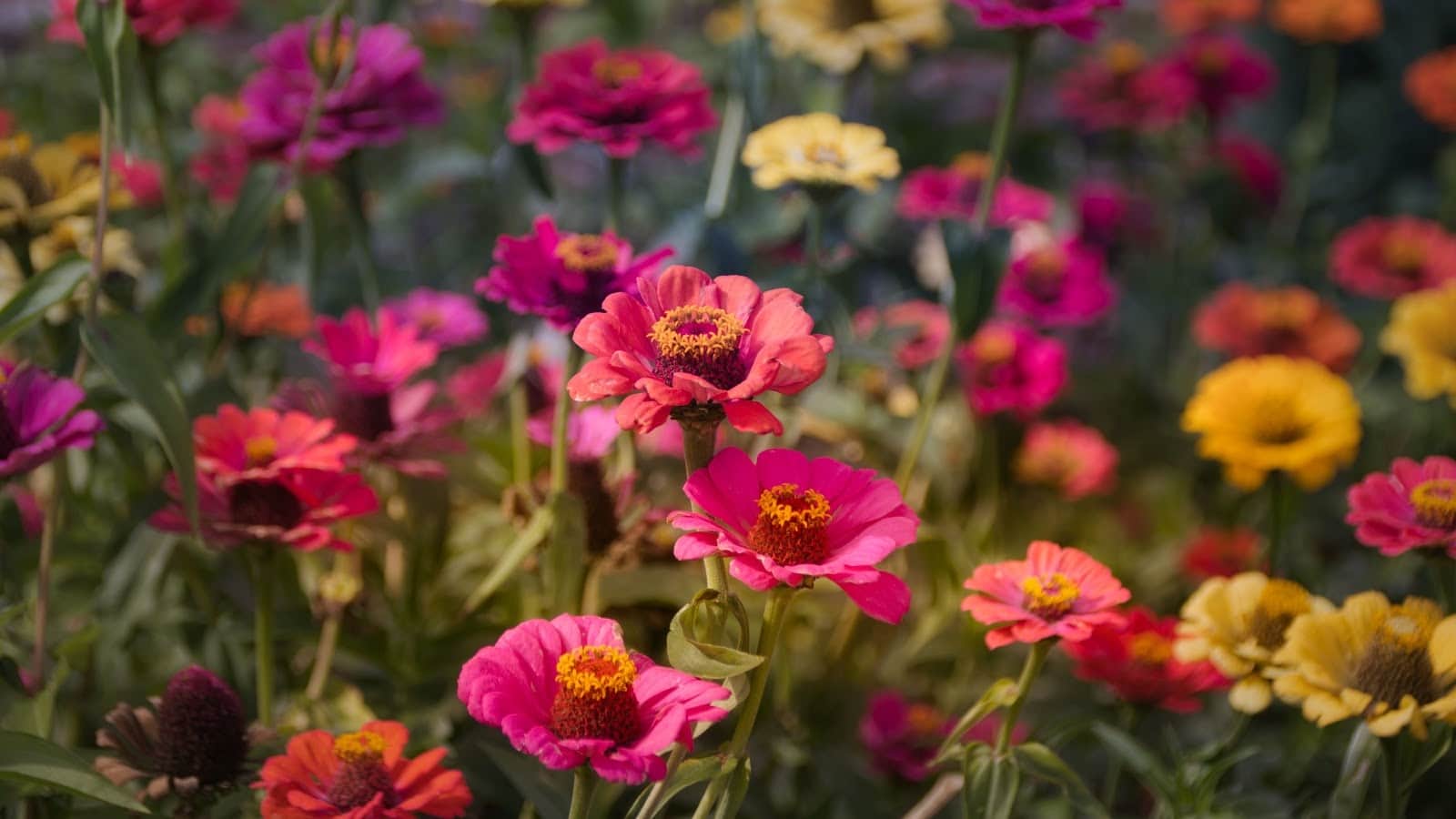
Named after a German botanist, these annual flowers are typified by their solitary long stem, and for their wide variety of colours and types, such as ‘Liliput’, ‘Purple Prince’ and ‘Green Envy’. They attract beneficial birds, insects and butterflies to the garden.Zinnias prefer lots of sun and rich, well-drained soil. Nevertheless, they are easy to grow, and they will tolerate different soil types. They respond well to compost, especially after flowering, and they can reach maturity between 60-75 days. In colder areas, seeds can be prepared indoors. When planting directly into the ground, cover lightly with soil and space the seeds 6-12 inches apart.Be wary of harmful pests, like black spot, powdery mildew and rust.Let’s get growingHopefully, these tips will help give colour and personality to your garden. Whatever you choose to grow, have fun and admire your garden as it bursts into colour.
Do you want to take your garden to the next level?
Planning a garden all year round and sourcing seeds from all over the world is hard work, especially if you want to keep your garden interesting year after year.
That’s why we created Gardeners Box, each month receive the hand-curated seeds we recommend sowing right now to brighten your garden, along with detailed instructions, and plant markers all starting from just £9.99. Click here to find out more.

