Inspiration
How To Prepare Your Garden For British Winter

Nov
As autumn’s bright colours fade and winter’s chill sets in across the UK, our gardens face both challenges and opportunities. Each day brings changes, as the lush greens of summer give way to a quieter, more dormant season.
Preparing your garden for winter is a vital step to ensure your plants thrive come spring. Whether you have a small backyard or a larger allotment, knowing how to protect your plants and soil during the colder months will make a big difference.
In this article, we’ll share practical tips for winter preparation, including how to assess your garden’s needs and care for tender plants. You’ll discover that winter gardening offers benefits beyond survival—it’s a time for beauty, reflection, and renewal.
So, put on your gardening gloves and warm layers as we explore the key steps to help your outdoor space stay vibrant through the winter. With a little preparation, your garden will awaken ready to flourish when spring arrives.
Assessing Your Garden’s Needs
As November rolls in, UK gardeners often find themselves at a crossroads: should we tidy our gardens and allotments or leave them to weather the winter months? This perennial debate invites us to consider the best approach for preparing our green spaces for the colder season ahead.
To Tidy or Not to Tidy?
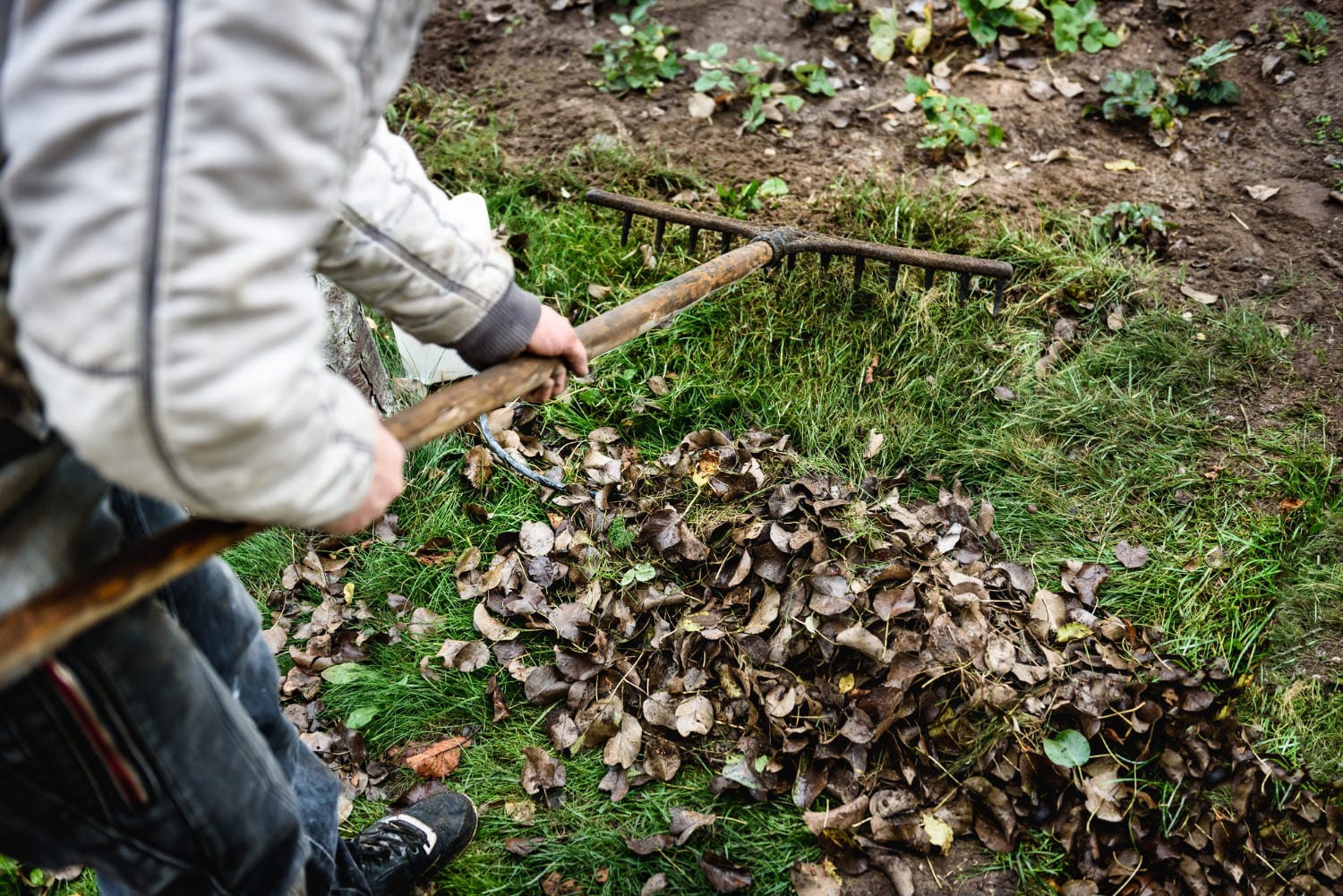
On one hand, a thorough clean-up can make the garden look neat and tidy. Removing excess growth not only enhances the visual appeal but also prepares the ground for spring planting. For instance, if you plan to plant tulips, clearing away the remnants of summer growth is essential. It allows you to complete any necessary moving and dividing of herbaceous plants before the bulbs are nestled into their new home in late autumn. Doing this now can prevent disturbing the bulbs when spring arrives, ensuring a smooth transition into the next growing season.
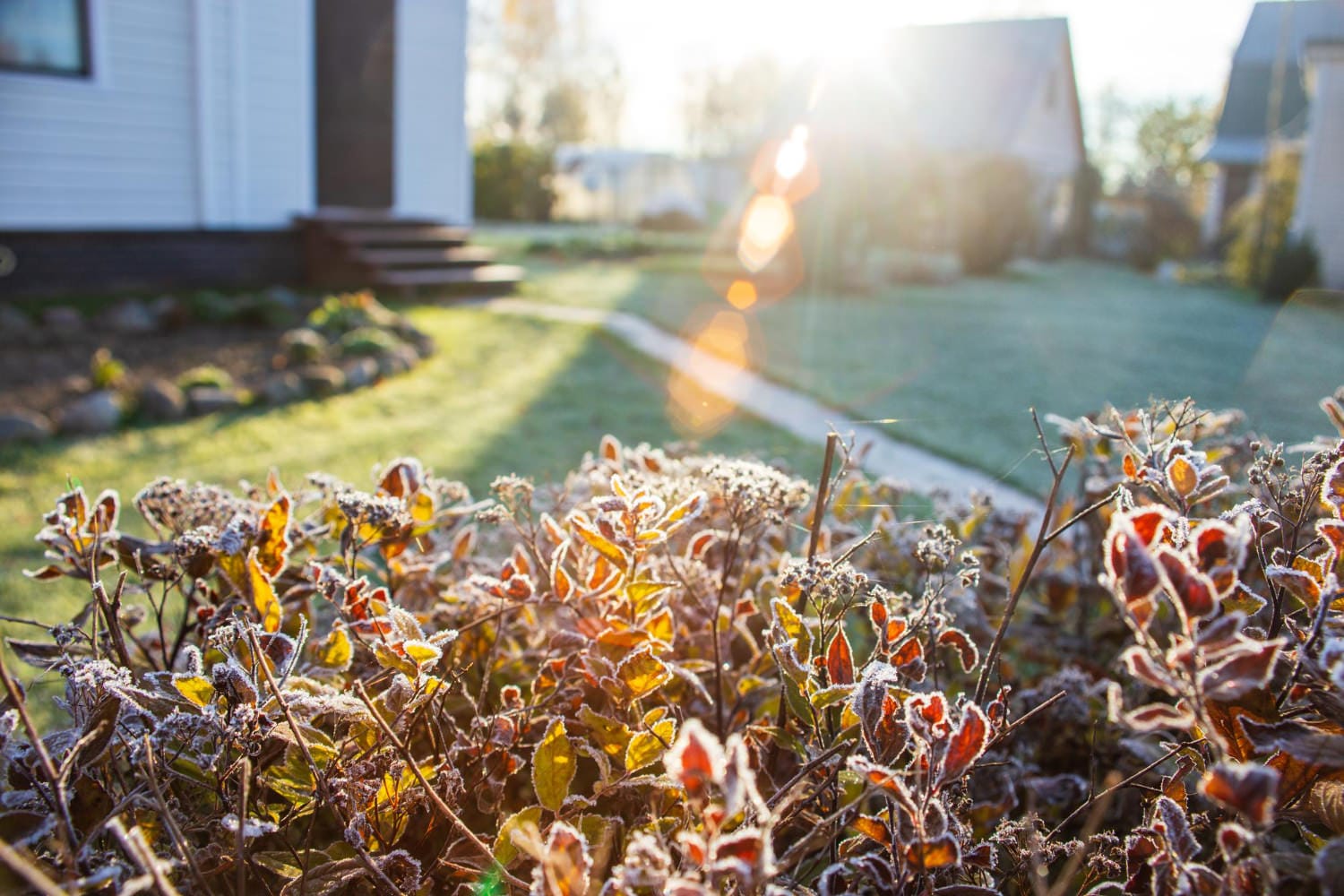
However, there’s something to be said for allowing certain elements of your garden to remain untouched. Leaving some of the dried, dormant plants provides invaluable shelter for wildlife, including insects and birds that will feast on seeds and berries throughout the winter. Additionally, the beauty of a winter garden should not be underestimated; the frosted stems and the sparkling rime on leaves can create a stunning landscape, even in the depths of winter.
The Timing Dilemma

Deciding when to undertake these tasks is crucial. While it might be tempting to postpone major clean-up efforts until spring, waiting too long could mean missing out on the opportunity to prepare your garden adequately. Yet, there is no urgency to clear borders before March. The dry top growth acts as insulation for the soil, helping to maintain its structure while protecting delicate root systems from severe cold.
Ultimately, whether you choose an intensive tidy-up or adopt a more laissez-faire attitude, some preparation is essential. This preparation isn’t just about surviving the harshness of winter; it’s about ensuring that your garden is poised to burst into life as soon as spring arrives.
Winter Preparation Techniques
As winter approaches, preparing your garden and allotments becomes essential to ensure that both plants and soil are ready to withstand the cold months ahead. With a thoughtful approach, you can protect your garden’s health and vitality, setting the stage for a flourishing spring.
Clearing and Mulching
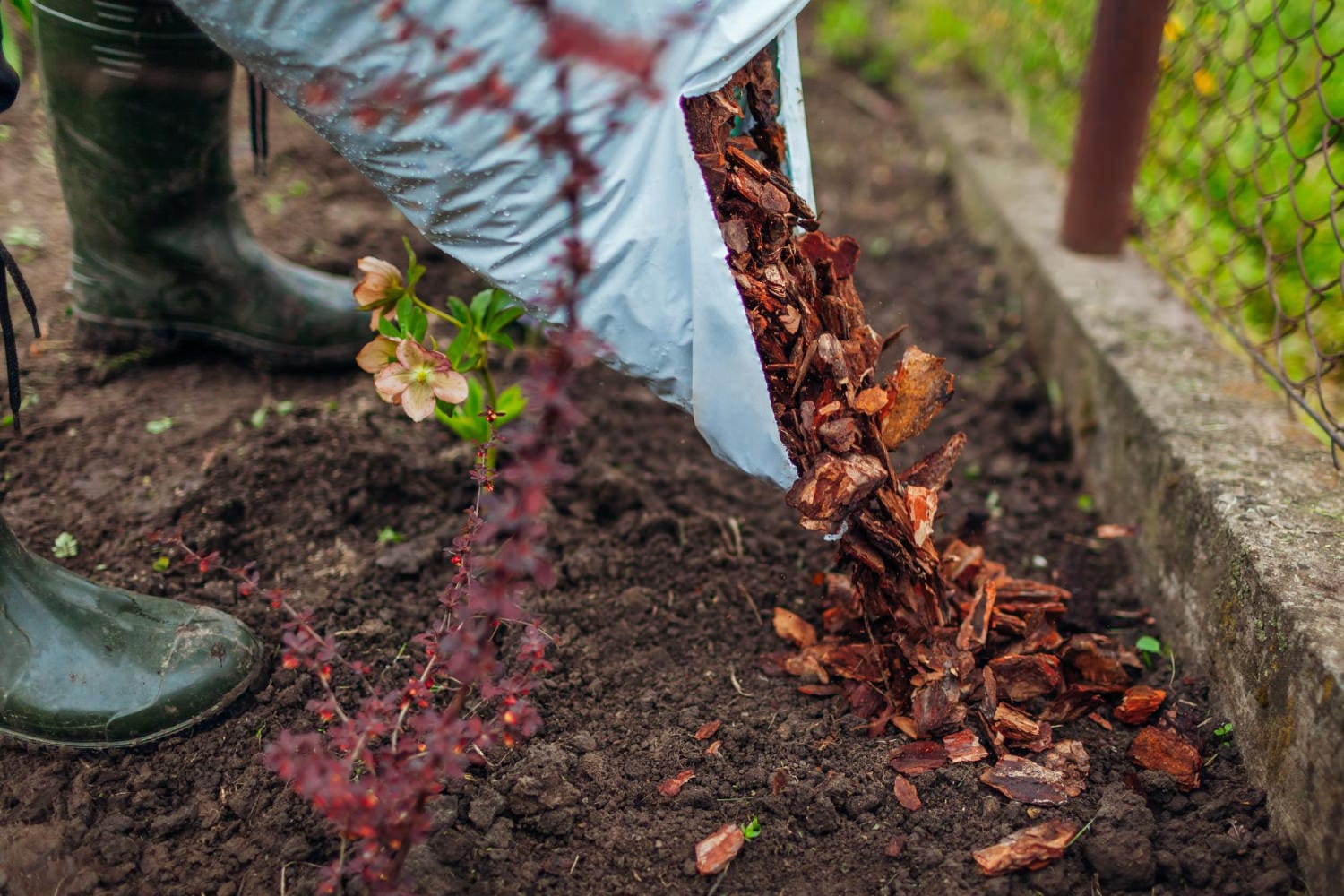
One of the first steps in winter preparation is assessing what needs to be cleared away. While it might be tempting to remove all remnants of summer growth, consider the benefits of leaving some plants standing. However, there are certain tasks that merit attention. Removing any soggy or diseased plant material can prevent the spread of pests and diseases over the winter months.
Once you’ve decided what to clear, mulching is a practice that should not be overlooked. Applying a thick layer of mulch helps insulate the soil, retaining moisture while protecting delicate root systems from frost. Organic materials such as straw, bark chips, or shredded leaves not only provide this protective barrier but also improve soil structure as they break down. This combination of insulation and nourishment ensures that your soil remains healthy through the harshest conditions.
Soil Preparation

Preparing your soil for winter is just as vital as caring for your plants. If your garden has been subjected to heavy rain or cold temperatures, the soil may become compacted and less hospitable for root systems. Taking the time to aerate and amend your soil now can pay dividends in the spring.
Consider adding organic matter, such as well-rotted compost or leaf mould, to improve drainage and enhance soil fertility. This not only provides essential nutrients for next season’s plants but also encourages beneficial microorganisms to thrive during the winter months. Healthy soil will better support your plants when they awaken from their winter slumber.
Providing Protection for Plants
As temperatures drop and the winter chill sets in, providing adequate protection for your plants becomes paramount. Different plant species have varying tolerances to cold, and understanding these needs can make all the difference in ensuring your garden thrives come spring. Here’s how you can safeguard your beloved plants against the harsh winter elements.
Understanding Plant Hardiness

A solid foundation for plant protection begins with understanding their hardiness ratings. The Royal Horticultural Society (RHS) offers a helpful classification system that indicates how well plants can withstand cold temperatures:
- H1: These plants thrive outside in summer but require a heated greenhouse during winter. Examples include bedding plants and chillies.
- H2: Tolerant of low temperatures but not frost, these plants (like certain citrus varieties) should be overwintered in a cool or frost-free greenhouse.
- H3: Half-hardy plants are suitable for mild winters and sheltered spots, often benefitting from additional protection like fleece.
- H4: Hardy through most of the UK, these plants (such as lavenders) can suffer leaf damage during prolonged cold spells.
- H5: Truly hardy plants like Skimmia japonica can survive severe winters but may still need extra care in exposed or northern areas.
By familiarising yourself with these ratings, you can tailor your winter care approach to match the specific needs of each plant in your garden.
Specific Protection Strategies

When it comes to providing protection, there are several strategies you can employ based on the type of plants you have:
- Dahlia Tubers: These delicate beauties should be lifted from the ground before frost arrives. Store them slightly moist in pots or trays filled with spent compost or sand. Check on them periodically throughout winter, watering lightly if they begin to dry out.
- Agapanthus: Both evergreen and deciduous varieties can be vulnerable. Keep evergreen agapanthus in a frost-free greenhouse to ensure their survival through the colder months.
- Citrus Plants: As temperatures begin to dip, bring citrus plants indoors by early November. They thrive in cool, humid conditions, so aim for a spot with just enough light away from central heating. Regularly check that the compost remains dry to avoid root rot.
- Tender Perennials: Wrap these plants in horticultural fleece to shield them from frost, especially if they’re located in high-risk areas of your garden. This added layer of protection not only helps keep them warm but also enhances their aesthetic appeal during the winter months.
Managing Tender and Semi-Tender Plants

As winter approaches, one of the most critical tasks for UK gardeners is managing tender and semi-tender plants. These plants, while often beautiful and vibrant during the warmer months, can be particularly vulnerable to frost and cold temperatures. Understanding how to protect these plants is essential for ensuring they survive the winter and thrive in spring.
Identifying Vulnerable Varieties
Tender plants are those that struggle when temperatures fall below 5°C. Many gardeners cherish varieties like dahlias, cannas, and gladioli for their stunning flowers, but these beauties need special care as the chill sets in. Semi-tender species, such as salvias, jasmines, chocolate cosmos (Cosmos atrosanguineus), and various petunias, are also at risk, especially if the winter has been mild and their growth has not hardened off fully.
Recognising these vulnerable plants is the first step in protecting them. Keep an eye on the weather forecast and be prepared to act at the first sign of colder temperatures. A sudden drop in temperature can be particularly damaging, so awareness is key.
Protective Measures
Once you’ve identified which plants need extra care, it’s time to implement protective measures:
- Lifting and Storing: For tender tubers and bulbs like dahlias, the best course of action is to lift them before the frost arrives. Cut off the top growth and store the roots in a cool, dark place. Using pots or trays filled with slightly moist compost or sand will help keep them from drying out. Check on them periodically throughout winter to ensure they remain hydrated.
- Horticultural Fleece: For semi-tender plants that remain in the ground, wrapping them in horticultural fleece is an effective way to protect against frost. This breathable material allows air circulation while providing an insulating layer that can prevent frost damage. Be sure to secure the fleece well to withstand winter winds.
- Taking Cuttings: Late summer or early autumn is an ideal time to take cuttings from tender plants. When conditions are still warm and lush, these young cuttings can be rooted indoors and planted out in spring, serving as replacements for any plants that didn’t survive the winter.
Understanding Winter Microclimates
One of the most fascinating aspects of gardening is the concept of microclimates—small areas within your garden that have distinct climatic conditions compared to the surrounding environment. Understanding these microclimates can greatly enhance your ability to protect plants and optimise their health during the colder months.
What Are Microclimates?
Microclimates are influenced by various factors, including topography, exposure to wind, shade from nearby structures or trees, and soil conditions. For instance, a south-facing wall may absorb heat from the sun and create a warmer zone, while a shaded corner might remain significantly cooler and wetter. These variations can affect plant growth, flowering times, and overall resilience during winter.
Identifying Microclimates in Your Garden
To make the most of these unique areas, it’s essential to identify the microclimates present in your garden:
- Sunny Spots: Areas that receive full sun throughout the day tend to be warmer. These spots are ideal for tender plants that thrive in warmth but may need protection from harsh winds.
- Shaded Areas: Conversely, shaded spots can retain moisture and stay cooler, making them less suitable for plants that prefer warmth but perfect for those that can tolerate or even thrive in lower light conditions.
- Sheltered Zones: Locations shielded by walls or hedges may experience less wind and colder temperatures. These areas can be great for overwintering semi-tender plants that require a bit of extra protection.
- Damp Areas: Low-lying sections of your garden or those with heavy clay soil may retain water longer, creating a microclimate that stays wetter and cooler. While some plants may enjoy this environment, others might struggle, especially during colder months.
Strategic Planting Based on Microclimates
Once you’ve identified the various microclimates within your garden, you can strategically place your plants to maximise their chances of survival. For example:
- Tender Plants: Position these in the warmest, sunniest areas where they will be sheltered from harsh winds. Consider using fleece or cloches for added protection in particularly exposed spots.
- Hardy Varieties: Place hardy plants in shadier areas where they can benefit from moisture retention without being at risk from extreme cold.
- Experimentation: Don’t hesitate to experiment with different placements. Observing how plants perform in various microclimates over time will give you valuable insights into their specific needs and tolerances.
Embracing Winter’s Benefits
As the winter months settle in, it can be easy to focus solely on the challenges that come with colder weather. However, this season also offers unique benefits that can enhance your gardening experience and contribute to the overall health of your garden.
The Beauty of a Winter Garden

One of the most striking aspects of winter is its serene beauty. The landscape transforms, with frost coating plants and creating a glistening spectacle that can be truly breathtaking. This quiet, stark beauty invites us to slow down and appreciate the intricate details of our gardens. The silhouettes of dormant plants against a crisp winter sky can offer stunning visual interest, reminding us that our gardens have a life cycle that extends beyond the growing season.
Soil Health and Pest Control

Winter provides an opportunity for soil rejuvenation. As the ground freezes and thaws, it helps to break up compacted soil, improving aeration and drainage. This natural process prepares the soil for spring planting, ensuring a healthier environment for your plants.
Moreover, the cold weather plays a crucial role in pest control. Many pests and diseases struggle to survive in frigid conditions, meaning that a cold winter can significantly reduce their populations. This natural form of pest management means less reliance on chemical treatments, allowing for a healthier ecosystem within your garden.
A Time for Reflection and Planning
Winter is also an ideal time for reflection and planning. With the garden in its dormant state, you can take stock of what worked well during the previous growing season and what could be improved. Consider keeping a garden journal to jot down observations, successes, and challenges. This reflection will help you make informed decisions as you plan for the upcoming spring.
Additionally, winter offers the perfect opportunity to research new plants or gardening techniques. Whether it’s learning about companion planting, exploring new varieties, or even experimenting with permaculture principles, taking the time to educate yourself now will pay off when planting season arrives.
Winter Wildlife
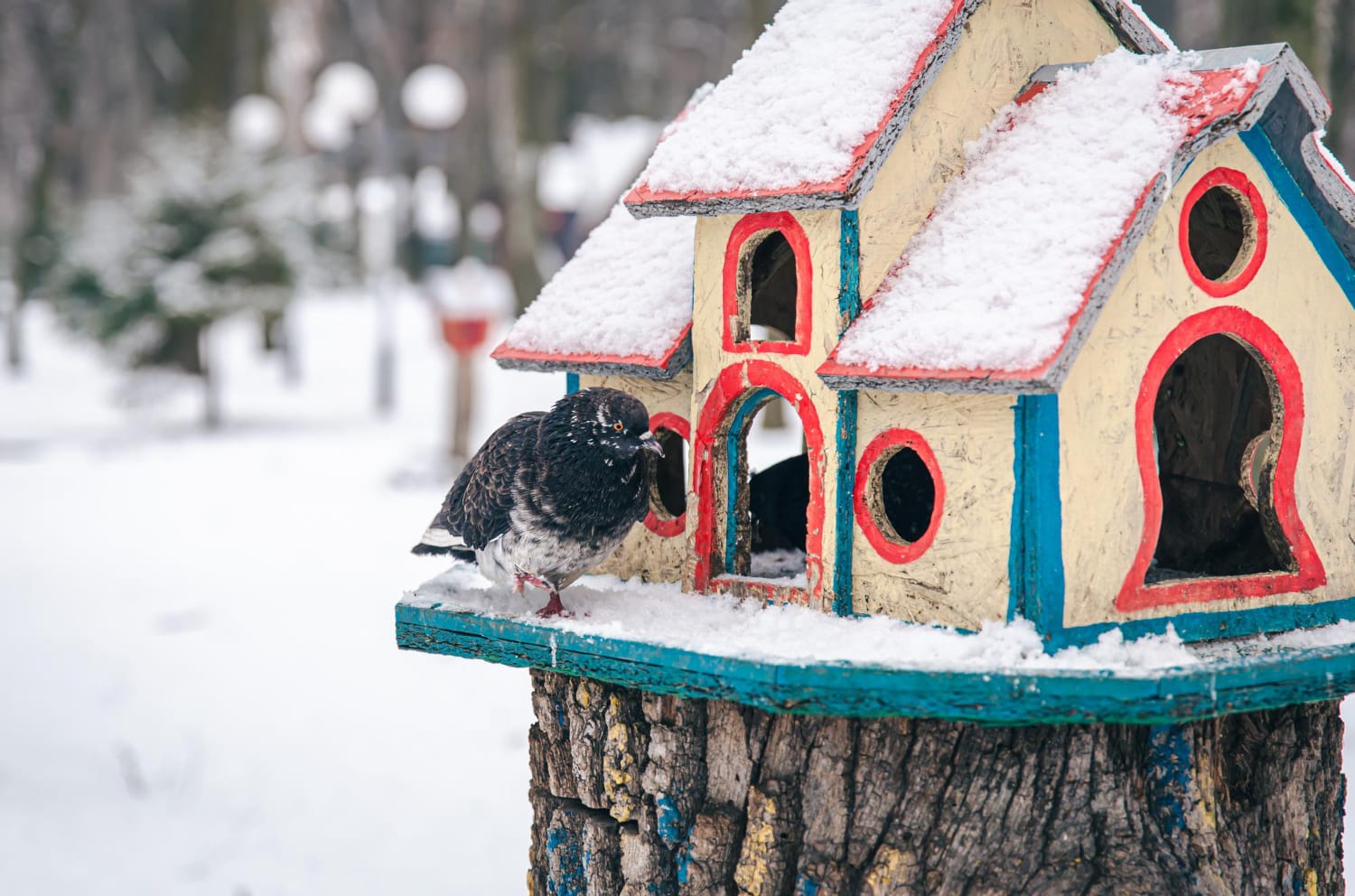
Another benefit of winter is the chance to support local wildlife. Leaving some plant material intact provides shelter and food sources for birds and beneficial insects. Creating habitats with brush piles or leaving seed heads on plants can attract wildlife to your garden, contributing to biodiversity and enhancing your garden’s ecosystem.
Want to get fresh herb and plant seeds delivered monthly?
Planning a garden all year round and sourcing seeds from all over the world is hard work, especially if you want to keep your garden interesting year after year.
That’s why we created Gardeners Box, each month, receive the hand-curated seeds we recommend sowing right now to brighten your garden, along with detailed instructions, and plant markers all starting from just £9.99. Click here to find out more.