
Vegetable & Fruits Planting Calendar
Vegetable & Fruit Seeds To Sow In November – Planting Guide
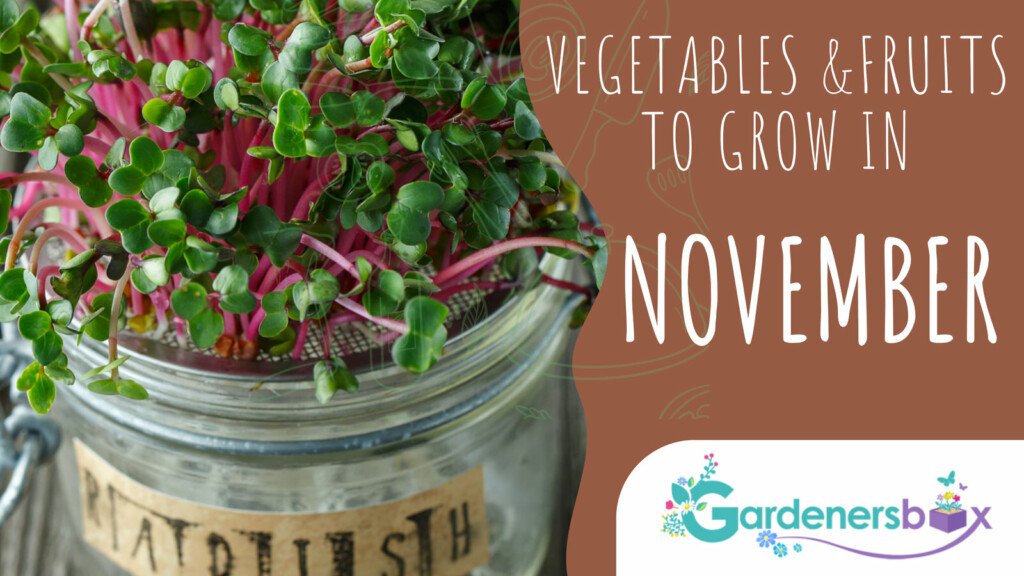
Nov
As the chilly season sets in, many gardeners might think it’s time to put their tools away until spring. However, this is actually an ideal time to keep your garden thriving with a variety of crops that can be sown now for an early harvest next year. Whether you have a cozy indoor space or a greenhouse, you can take advantage of the cooler weather to grow a selection of nutritious salad leaves, vibrant sprouts, and flavorful herbs.
With the right planning and care, your garden can remain productive throughout the winter months, providing fresh ingredients to brighten up your meals.
Let’s explore the best options for sowing during this season and ensure your garden continues to flourish!
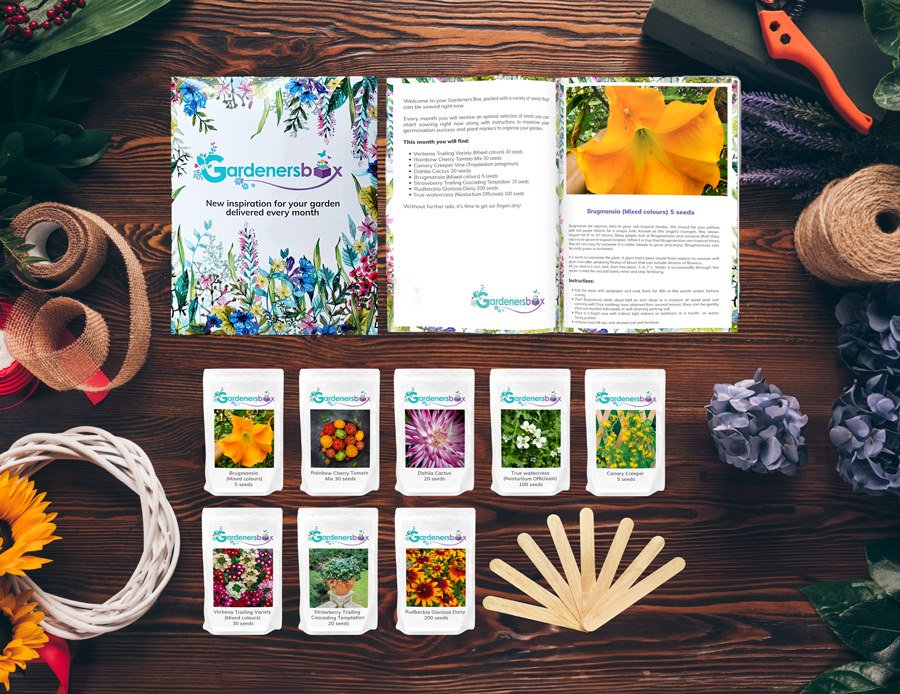
Want to get fresh herb and plant seeds delivered monthly?
Planning a garden all year round and sourcing seeds from all over the world is hard work, especially if you want to keep your garden interesting year after year.
That’s why we created Gardeners Box, each month, receive the hand-curated seeds we recommend sowing right now to brighten your garden, along with detailed instructions, and plant markers all starting from just £9.99. Click here to find out more.
Grow indoors or in a greenhouse
These are best grown inside.
Salad leaves
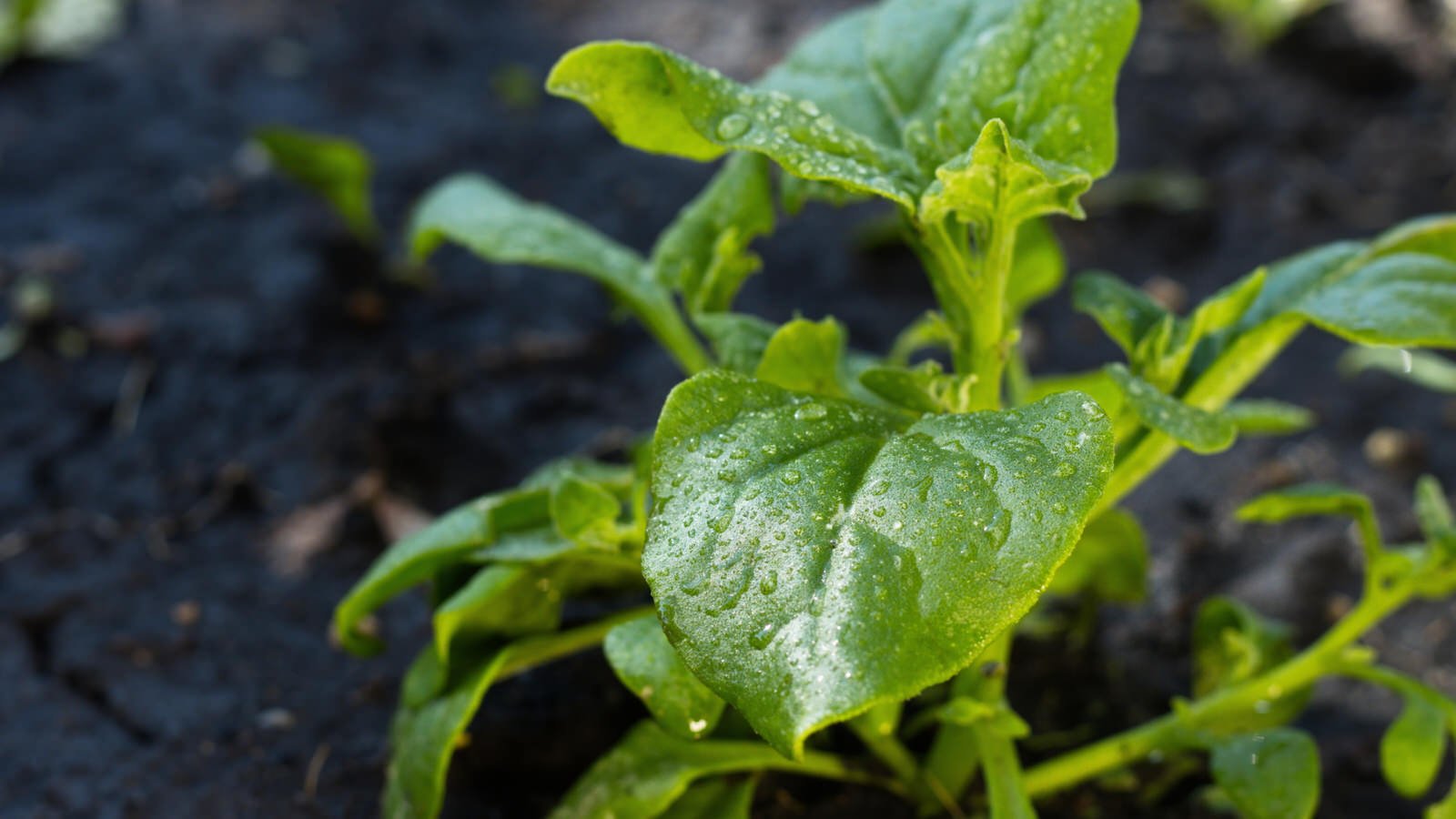
Whatever variety you decide to grow – it could be beetroot, rocket, spinach, or mizuna – you will only need a sunny windowsill. Salad leaves are no fuss and highly nutritious!
Fill a pot that is 20 cm wide and 15 cm deep with compost. Water the compost; once the water has drained, you can start sowing. Sprinkle the seeds lightly and then cover them with compost or vermiculite. Cover the pot with some plastic and secure it with an elastic band. Be sure to water whenever the soil looks dry, and germination should take a week-and-a-half or two weeks. After germination, it is a good idea to keep rotating the pot. Otherwise, the seeds will lean in the same direction and become leggy. They can be harvested once they have reached 15-20 cm, so cut them midway so that they can grow back and produce another harvest.
Growing Sprouts At Home
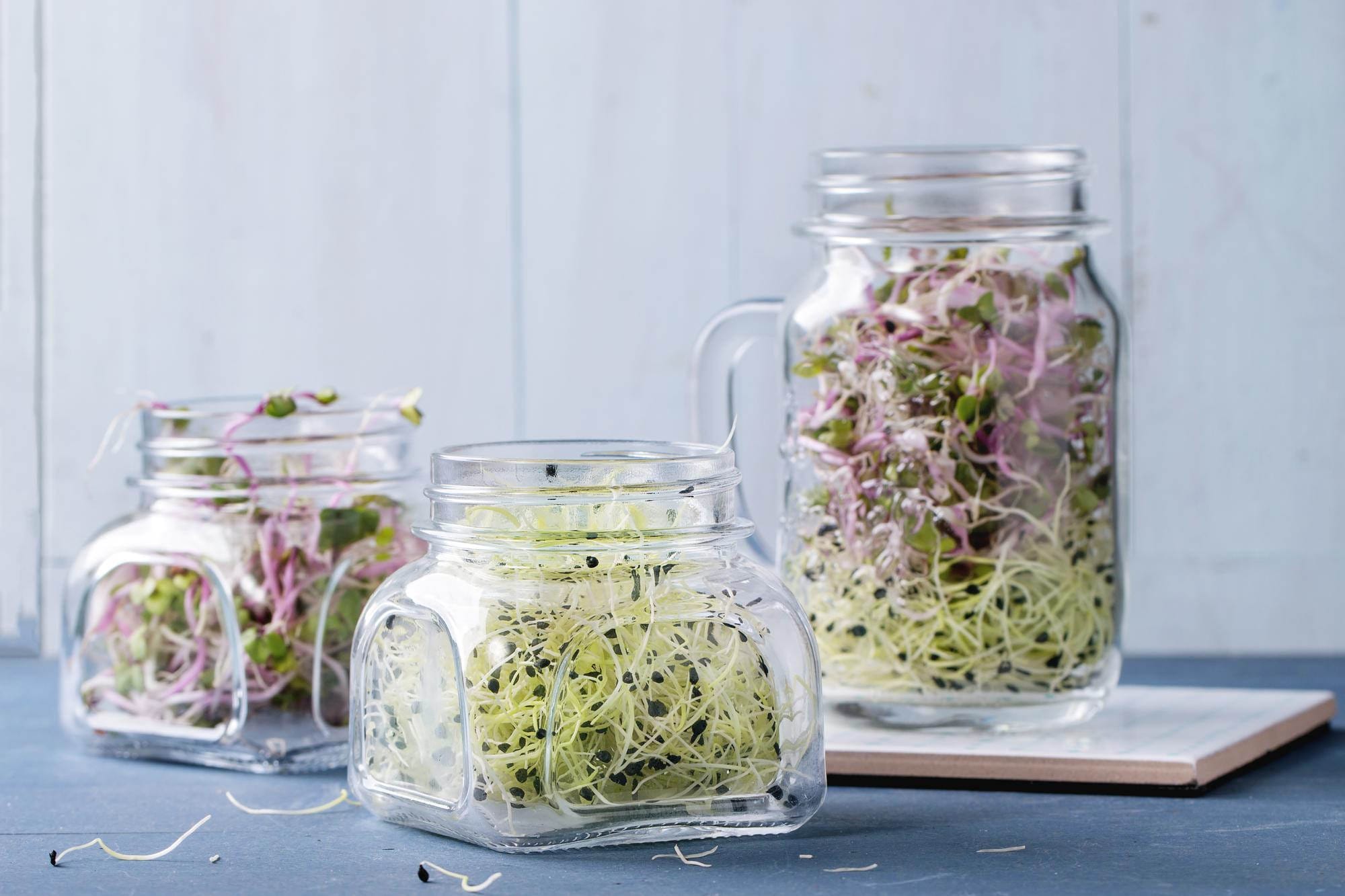
Sprouts are incredibly easy seedlings that develop in water and are prized for their tender, nutritious stems. I cultivate sprouts on my windowsill throughout the winter months, but it’s so simple that I should really keep this up all year long. You can use any jam jar by simply poking holes in the lid for drainage, though I recommend using dedicated sprouting jars with a stand to prevent rust issues.
For my sprouts, I typically use mung beans, daikon, alfalfa, kohlrabi, and broccoli. Start by placing a heaped teaspoon of seeds into a standard jar, filling it with enough water to cover the seeds. Secure the lid and let it soak overnight in a well-lit spot.
Each morning, drain the water and tilt the jar in a bowl or on a special stand for complete drainage. Repeat this daily, and within about a week, your sprouts will be ready to enjoy.
I maintain two jars and stagger their starts by a week to ensure a continuous supply of fresh sprouts. Remember to sterilise the jar before introducing new seeds each time.
Spring onion
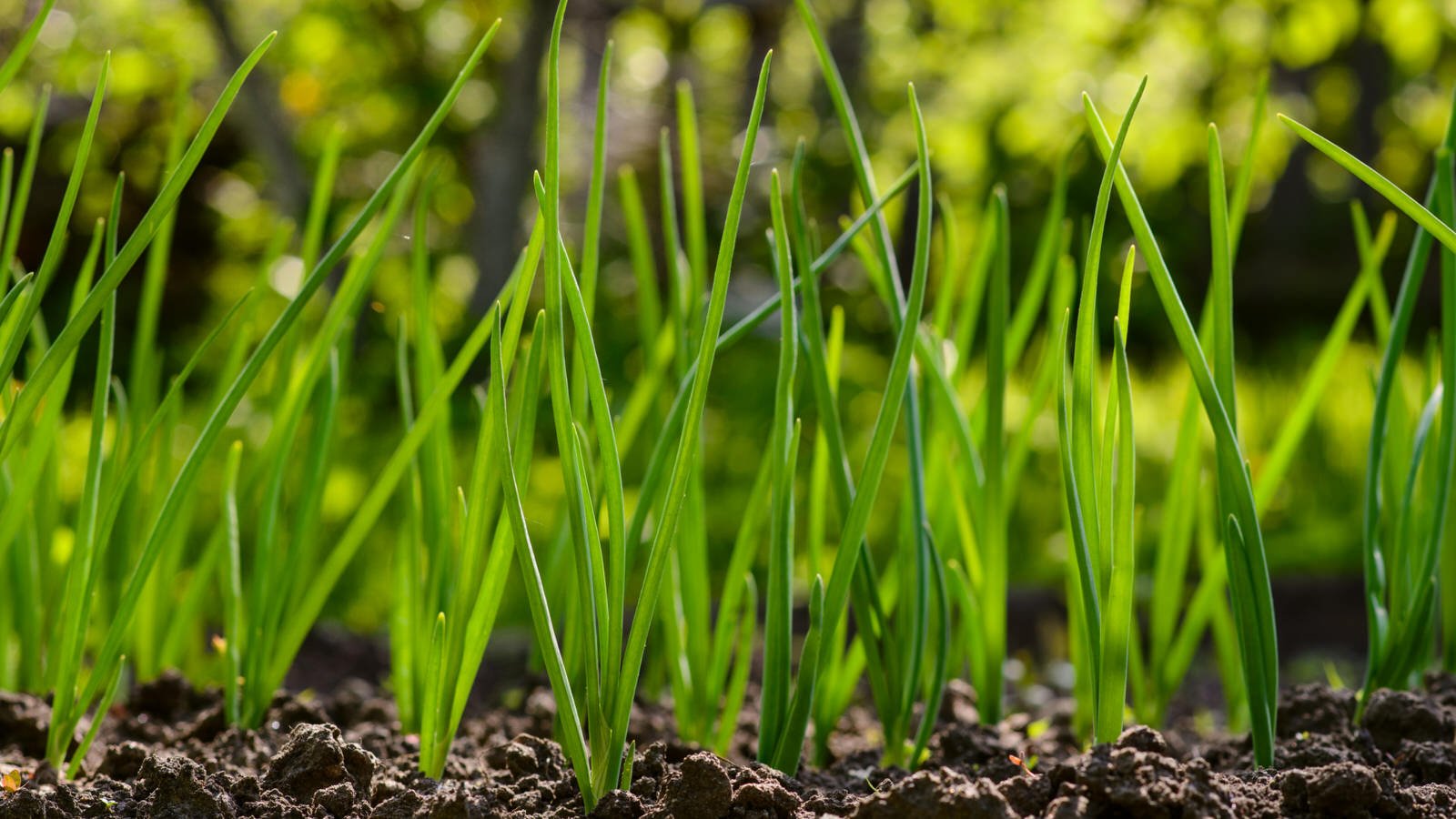
This vegetable, also known as scallions, has a sweeter taste than other onion varieties. They can be eaten cooked or raw, and they are packed with nutrients. Use a hardy winter variety.
In a seed tray or in a greenhouse, sow these seeds in rich, well-drained soil. They can be sown 1.5 cm deep, in rows that are spaced 6 in apart. These measurements, of course, can be modified according to the space you have. By spring, these onions should be ready to eat.
Chillies
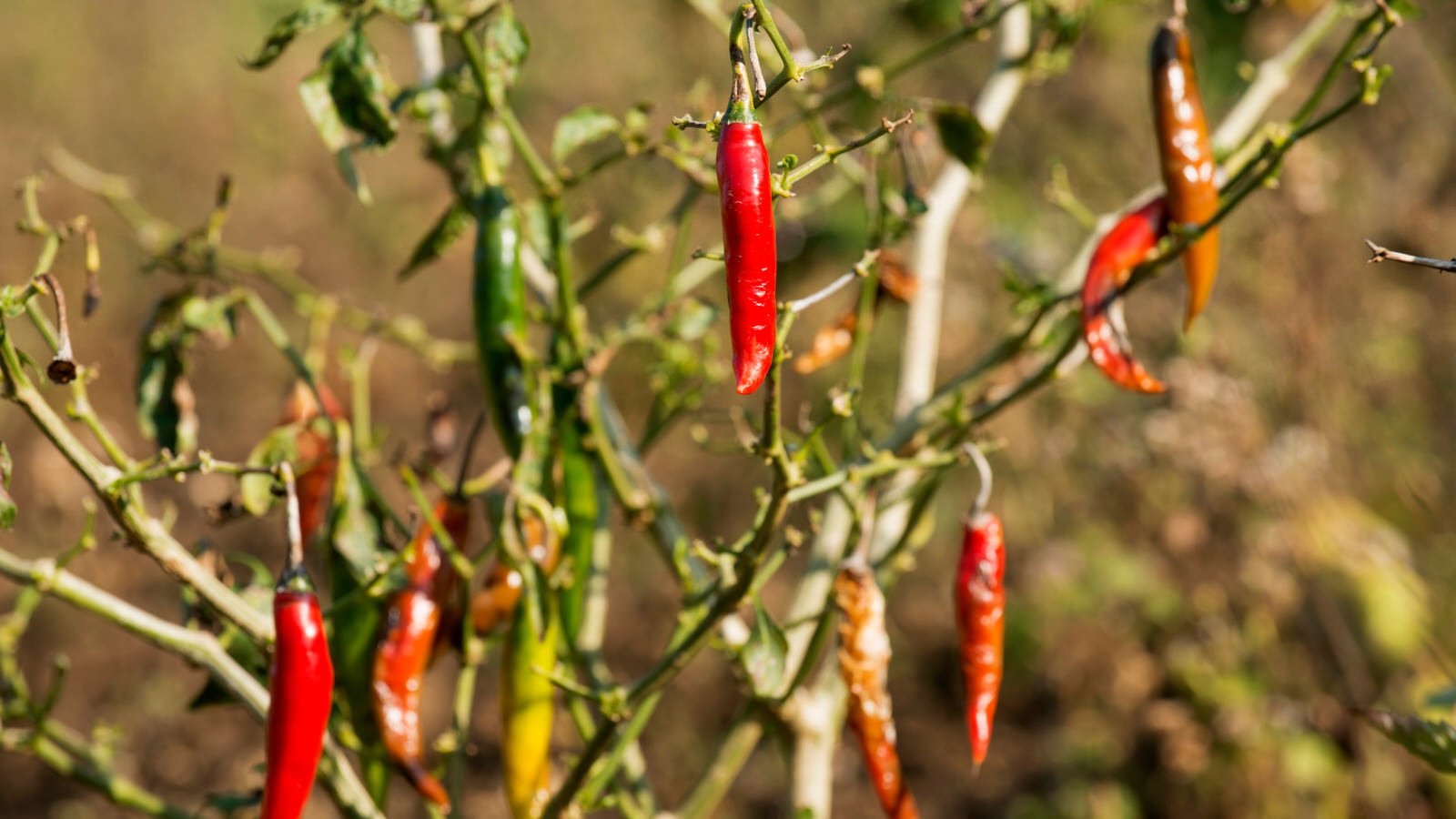
For centuries, chillies have had a wide range of culinary and medicinal uses. They are even used to ward off elephants from crops in Africa. In addition, they are full of Vitamin C. Try growing the ‘Etna’, ‘Cayenne’, and ‘Aji Crystal’ varieties.
Fill a 10 cm pot with good compost and flatten the surface. Then, sow the seeds on top of the compost. Add a layer of vermiculite and water so that the seeds can germinate. Use a propagator or cover the container with plastic in order to aid the germination process. After germination, place the container in a greenhouse or on a windowsill. As they grow bigger, they can be moved their own individual pots, and they can also be supported by sticks.
Aphids can be an issue, so be on the lookout. Use biocontrols to keep whiteflies at bay, while good ventilation will keep grey mildew under control.
Grow outdoors
Sow these in your garden.
Pak Choi
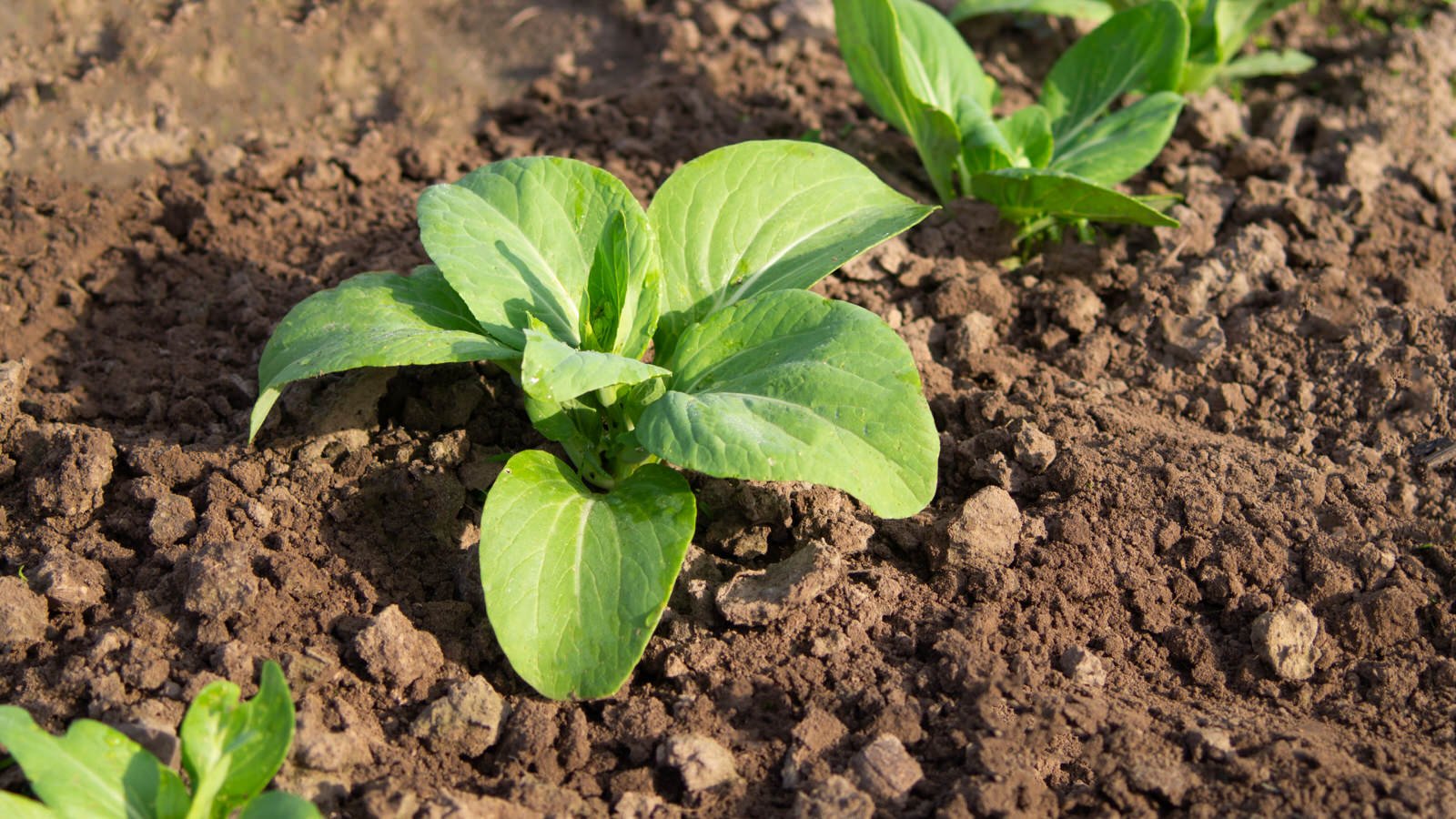
Pak choi, which is a crispy and delicious member of the cabbage family, is sometimes known as horse’s ear or white mustard cabbage. It has the advantage of not taking up much space, and it is quite easy to grow.
Sow the seeds 2 cm deep in well-drained, high quality soil. Be sure to keep good distance between the different plants. It is important to use cloches to protect the growing seeds. Remember to water well – the soil should never dry out completely! Add fertilizer for better growing. The seeds should germinate in 4-8 days.
Slugs can be an issue, so use the appropriate traps to manage this problem.
Peas
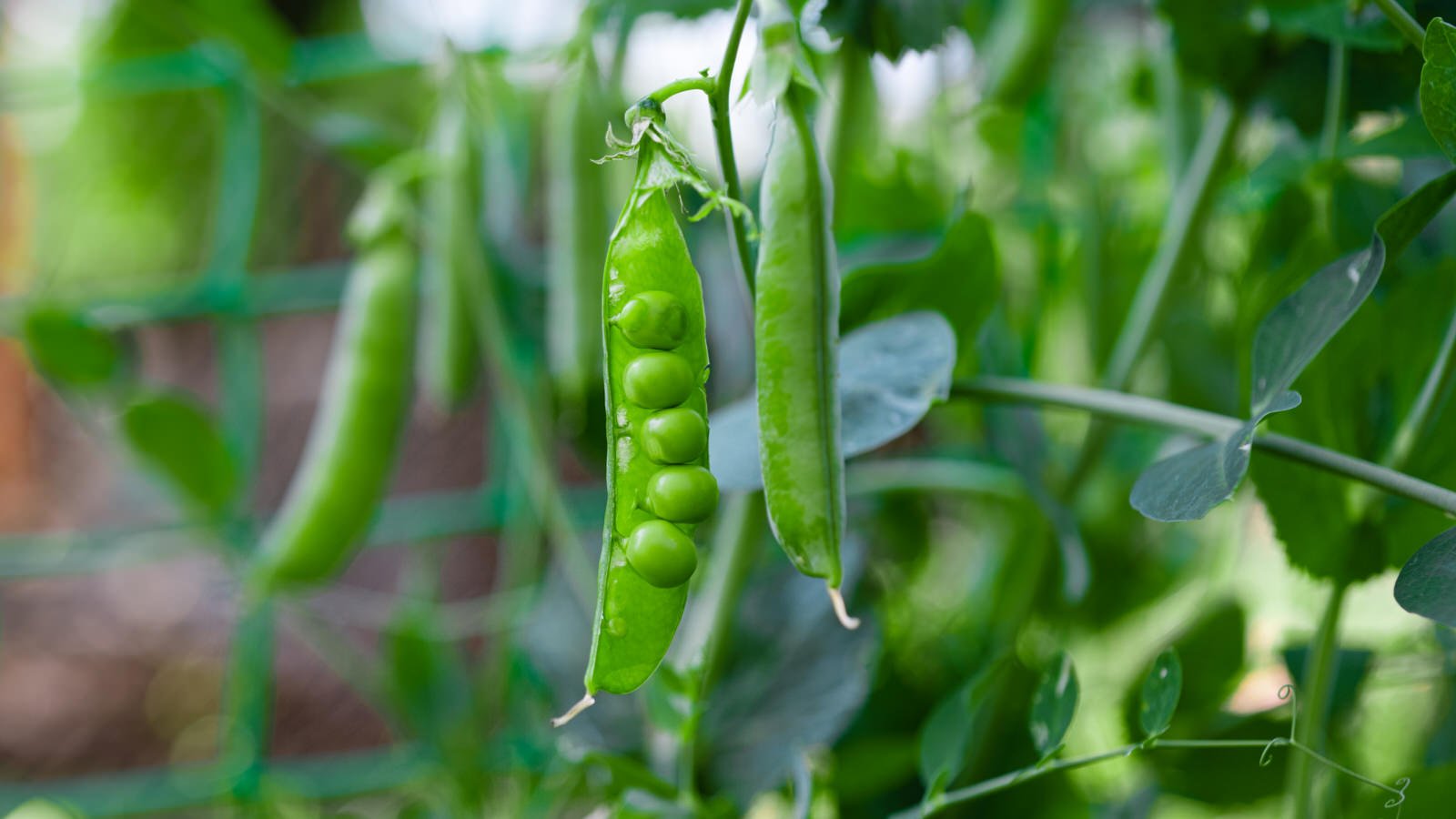
Peas are a great addition to many meals. In November, try growing the ‘Meteor’ or ‘Kelvedon Wonder’ variety.
Sow your seeds in a sunny spot. The soil must be warm, also, so use fleece or cloches to obtain the desired temperatures. Ensure that the soil is full of nutrients and that it retains moisture, and don’t be afraid to use compost or well-rotted manure. Support growing plants with bamboo canes, trellis, or netting. For this time of year, use a cold frame.
By using covered containers, the growing seeds will be protected birds, mice, and slugs.
Asparagus
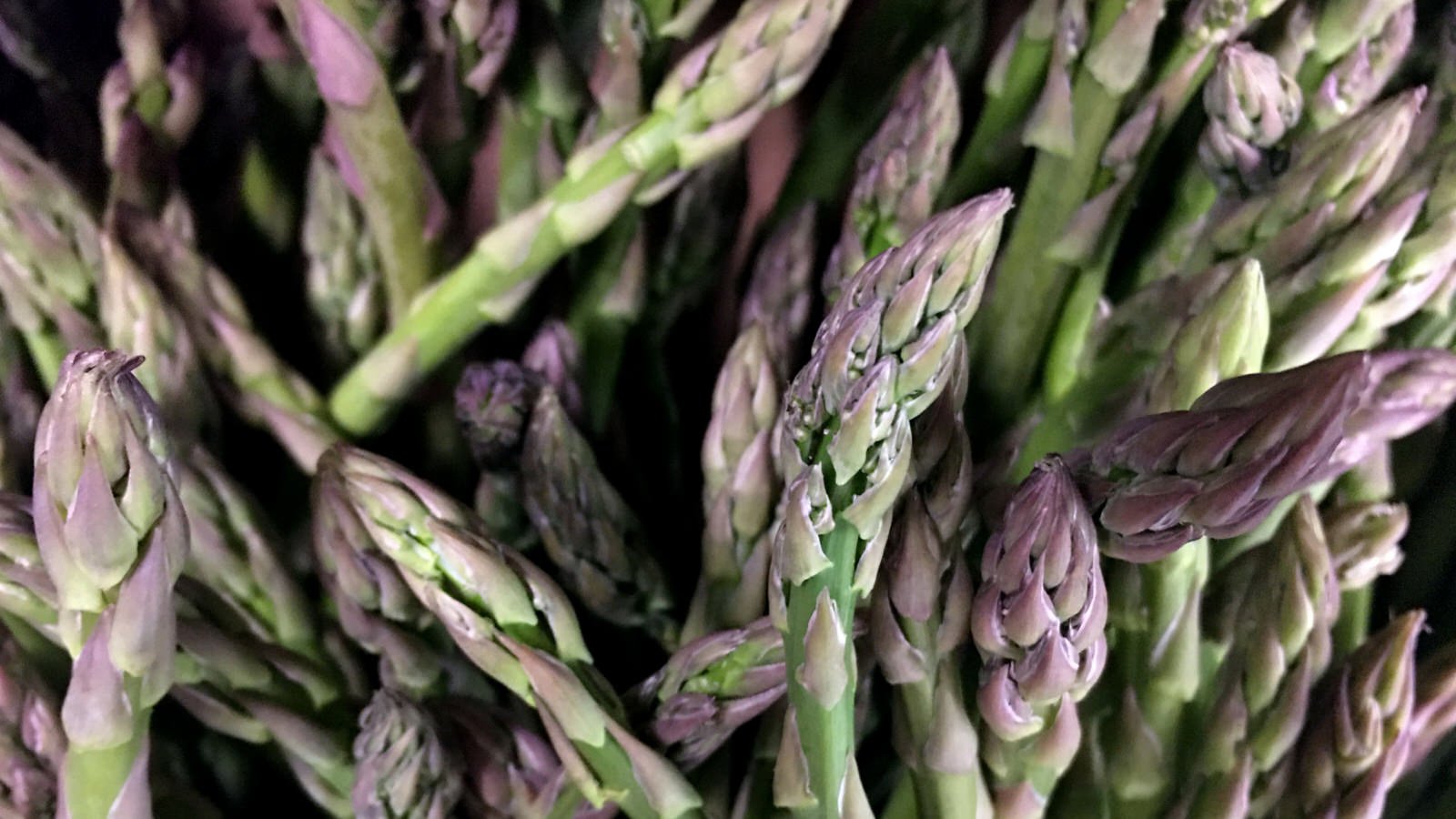
Asparagus was known to the ancient world, and this nutritious vegetable has some festivals in it honour in the modern world, principally in Germany, the UK, and in California. If planted properly, you can enjoy asparagus for many years to come, even though you won’t be able to harvest for the first couple of years. The plant can be male or female, and the male of the species generally provides better spears.
It can be grown in any soil type, and rather than sowing the seeds, it is easier to plant asparagus crowns directly in trenches that are 20 cm deep and 30 cm wide, and you can space the plants 45 cm apart. Put 7 cm of compost or manure at the bottom of these trenches. Sand or grit can improve drainage. Remember to prepare your bed well in advance by mulching and clearing the area of weeds and debris because the asparagus crowns must be planted as soon as they arrive to your garden. It is also a good idea to avoid mixing old and new crowns in the same bed; this will help prevent disease. Cover the asparagus with a ridge of soil, and then add water and mulch.
Try growing the ‘Guelph Millenium’ variety.
Raspberries and blackberries

Both raspberries and blackberries are delicious fruits. Yes, they’re fruits and not berries! They are also super healthy, and they can be enjoyed as drinks, in desserts, as jams, and in many other different ways.
Blackberries can be grown anywhere, but you can aid growth by choosing a spot that attracts the most daylight, and by mixing in plenty of organic material into well-drained acidic soil. Raspberries prefer well-drained soil sandy soil. Your blackberries will probably need more water, but weeding will be required in both cases. Space the plans 50 cm apart. In big gardens, this can distance be 1 m. Don’t be afraid to support the growing plants with sticks.
Aphids can be an issue, so crush colonies with your fingers or wash them off with a garden hose.
Planting Overwintering Vegetables
If you’ve sown any overwintering vegetables into trays during late summer or early autumn, this month is your last opportunity to get them into the ground before the harsh weather sets in. Even hardy plants can be susceptible when they are young, so it’s crucial to act swiftly. Here are some excellent varieties to consider for overwintering.
Chard
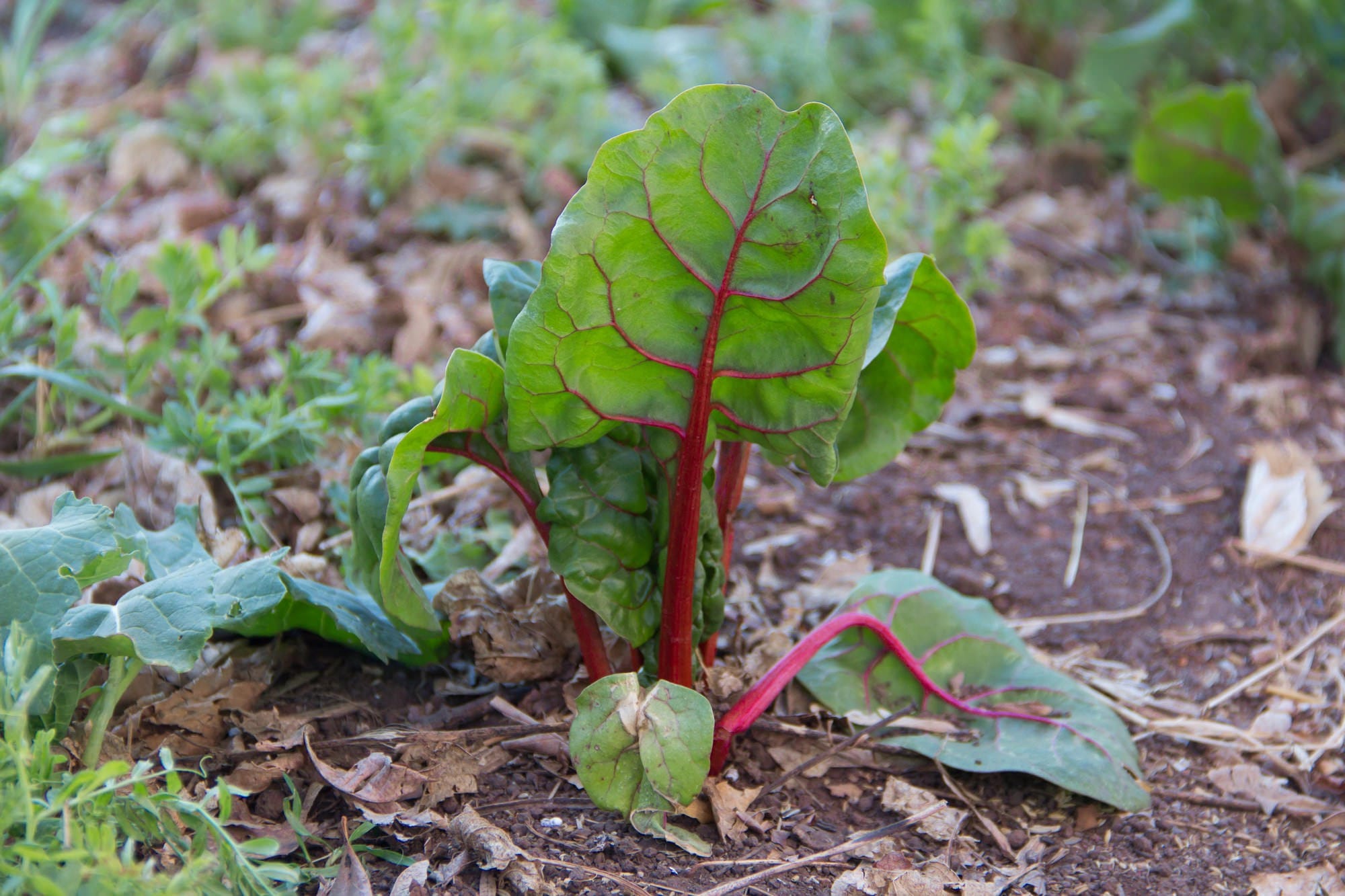
Chard is a resilient leafy green that thrives through winter. It’s not only nutritious but also adds a splash of colour to your garden. When planting, space the chard plants about 30cm apart to allow for ample growth. They will continue to produce tender leaves even during colder months.
Arctic King Lettuce
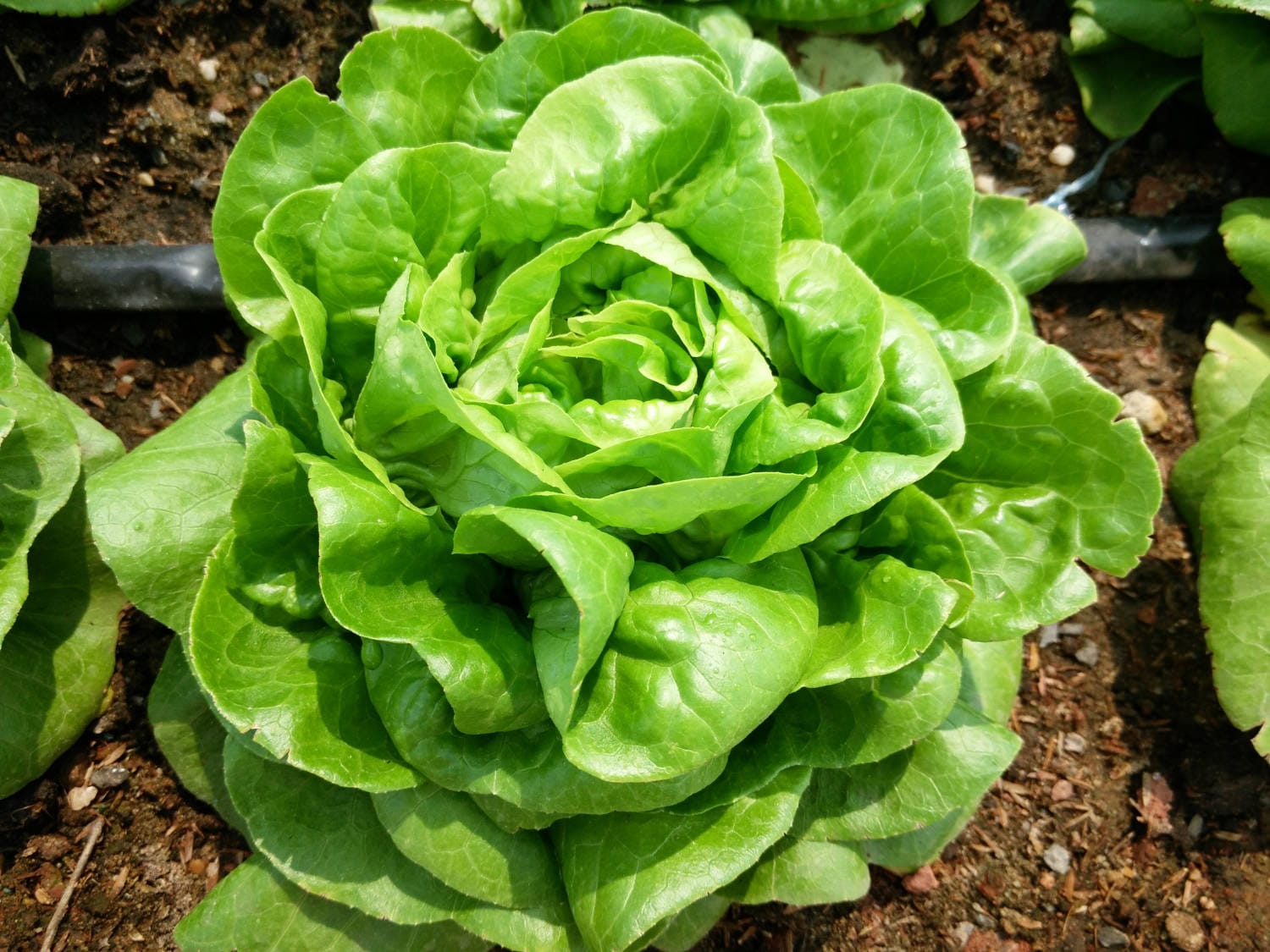
‘Arctic King’ lettuce is specially bred to withstand chillier temperatures, making it an excellent choice for winter planting. This variety offers crisp leaves and a refreshing taste. As with chard, ensure you plant them around 30cm apart for optimal development.
Purple Frills Mustard

For those looking to add a bit of zest to their winter garden, ‘Purple Frills’ mustard is a delightful option. This variety not only looks stunning with its frilly leaves but also provides a deliciously tangy flavour. Plant them alongside other crops at the same spacing for a visually appealing and tasty garden.
Mizuna (Red Baron)
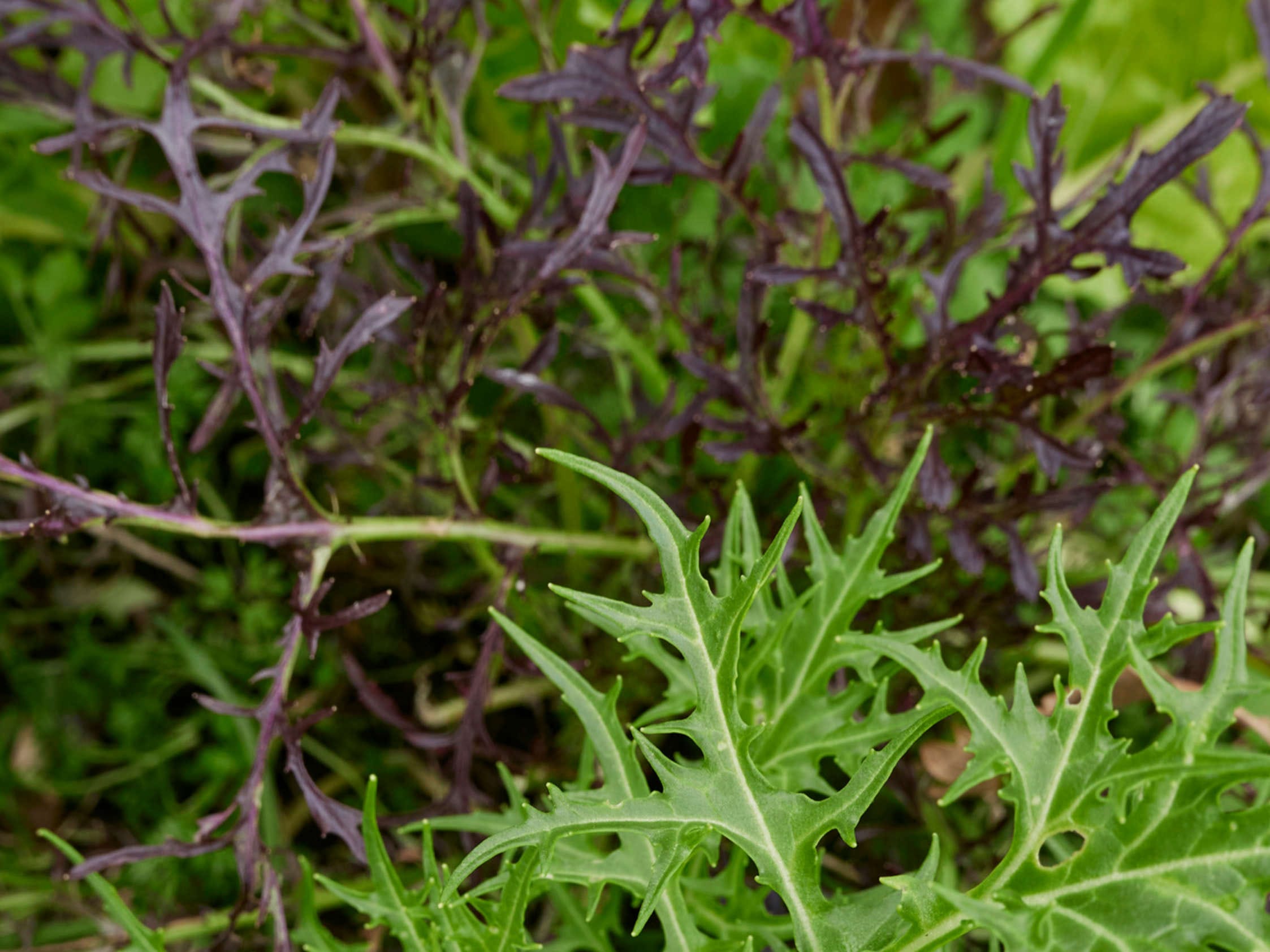
Mizuna, particularly the ‘Red Baron’ variety, is another hardy green that can endure the winter months. Its peppery flavour adds depth to salads and stir-fries. Similar to the other plants, keep these spaced at about 30cm apart for healthy growth.
Broad Beans (Aquadulce Claudia)
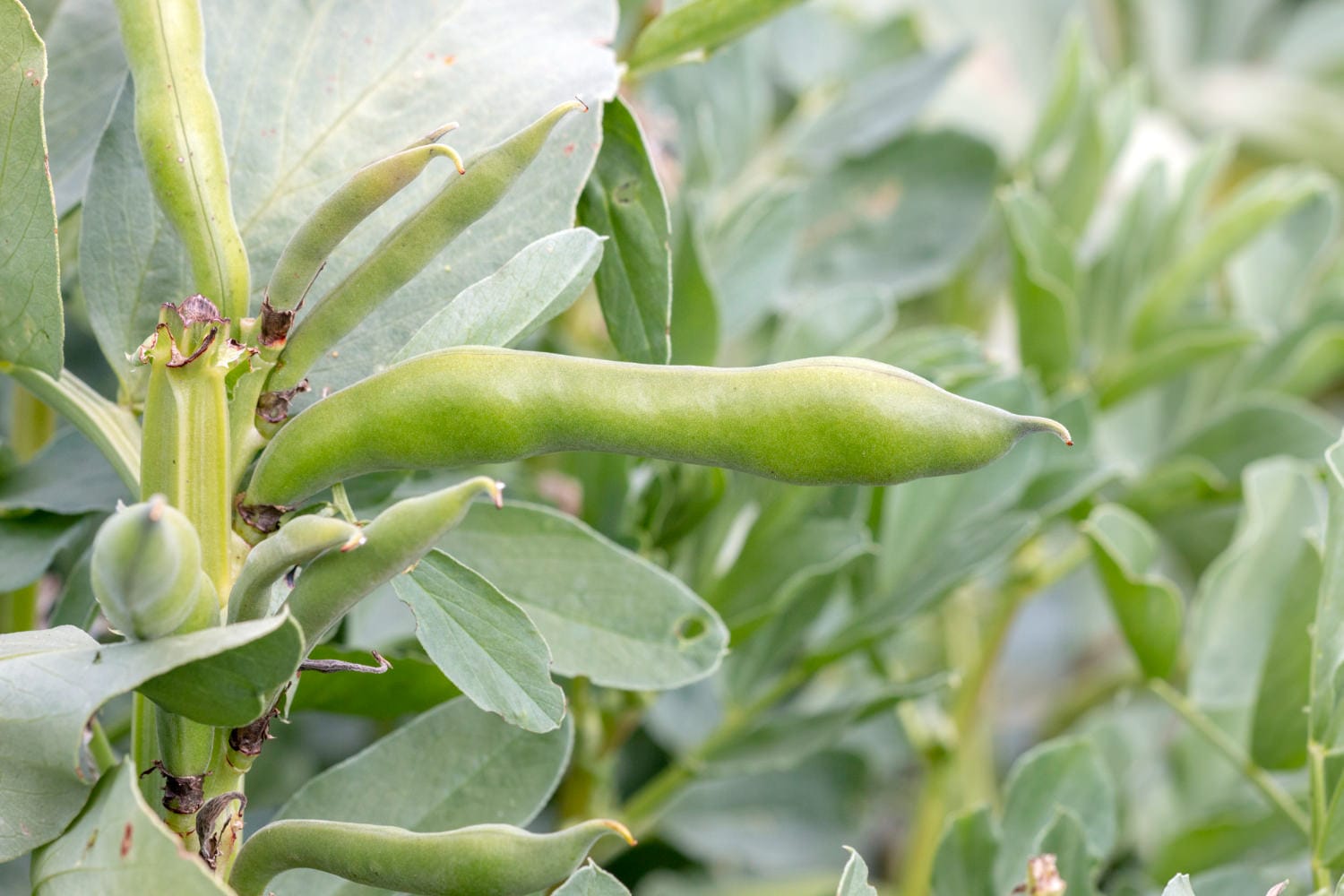
Broad beans, particularly the ‘Aquadulce Claudia’ variety, are also excellent candidates for overwintering. They can be sown now if you haven’t done so already. For best results, plant them at 30cm intervals, and they will thrive even in the cooler months.
Growing Conditions
In milder regions, such as the south of the UK, these crops can be grown outside with minimal protection, like horticultural fleece on particularly cold nights. However, in areas with harsher winters, like Yorkshire, it’s often best to grow these winter crops in a polytunnel or under cloches to provide extra warmth and protection.
By carefully selecting your overwintering vegetables and ensuring they are planted correctly, you can enjoy a productive garden even during the colder months. Happy planting!
