
Flowers & Plants Planting Calendar
Flower & Plant Seeds To Sow In November – Planting Guide
Nov
As the vibrant palette of autumn unfolds, it’s the perfect time to plan ahead and begin sowing seeds for next year’s garden. November may seem like an unlikely month for planting, but several flower and plant seeds actually thrive when sown during this cooler period. This guide will explore a selection of botanical wonders that you can start in your garden right now, ensuring a lush and beautiful display when the warmer months roll around.
From the sculptural elegance of Allium sphaerocephalon to the drought-resistant beauty of Eryngiums, each plant offers unique characteristics and benefits that cater to different garden styles and gardener preferences. Dive into the world of Corydalis solida for early spring bloomers, or spread the ground-covering Ajuga reptans for year-round foliage interest. Not to forget the timeless allure of Lathyrus odoratus, sweet peas, which promise a feast for the senses with their fragrant and vibrant blossoms.
Whether you are a seasoned green thumb or a budding garden enthusiast, our sowing guide provides invaluable tips and insights for planting a variety of flowers and plants. So grab your gardening gloves, prepare your soil, and let’s get sowing!
Want to get fresh herb and plant seeds delivered monthly?
Planning a garden all year round and sourcing seeds from all over the world is hard work, especially if you want to keep your garden interesting year after year.
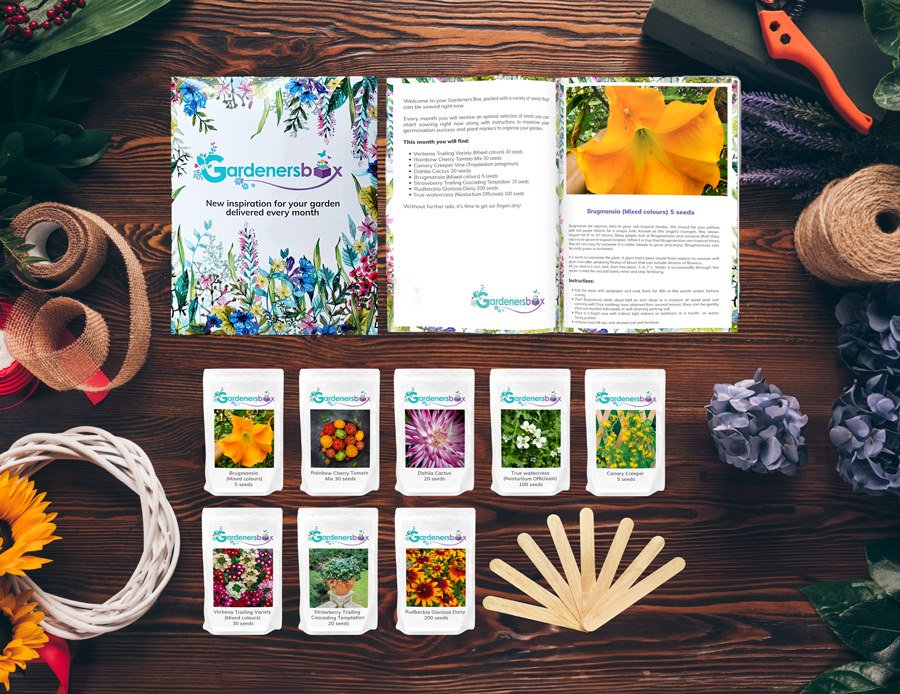
That’s why we created Gardeners Box, each month, receive the hand-curated seeds we recommend sowing right now to brighten your garden, along with detailed instructions, and plant markers all starting from just £9.99. Click here to find out more.
Plant Bare-Root Roses
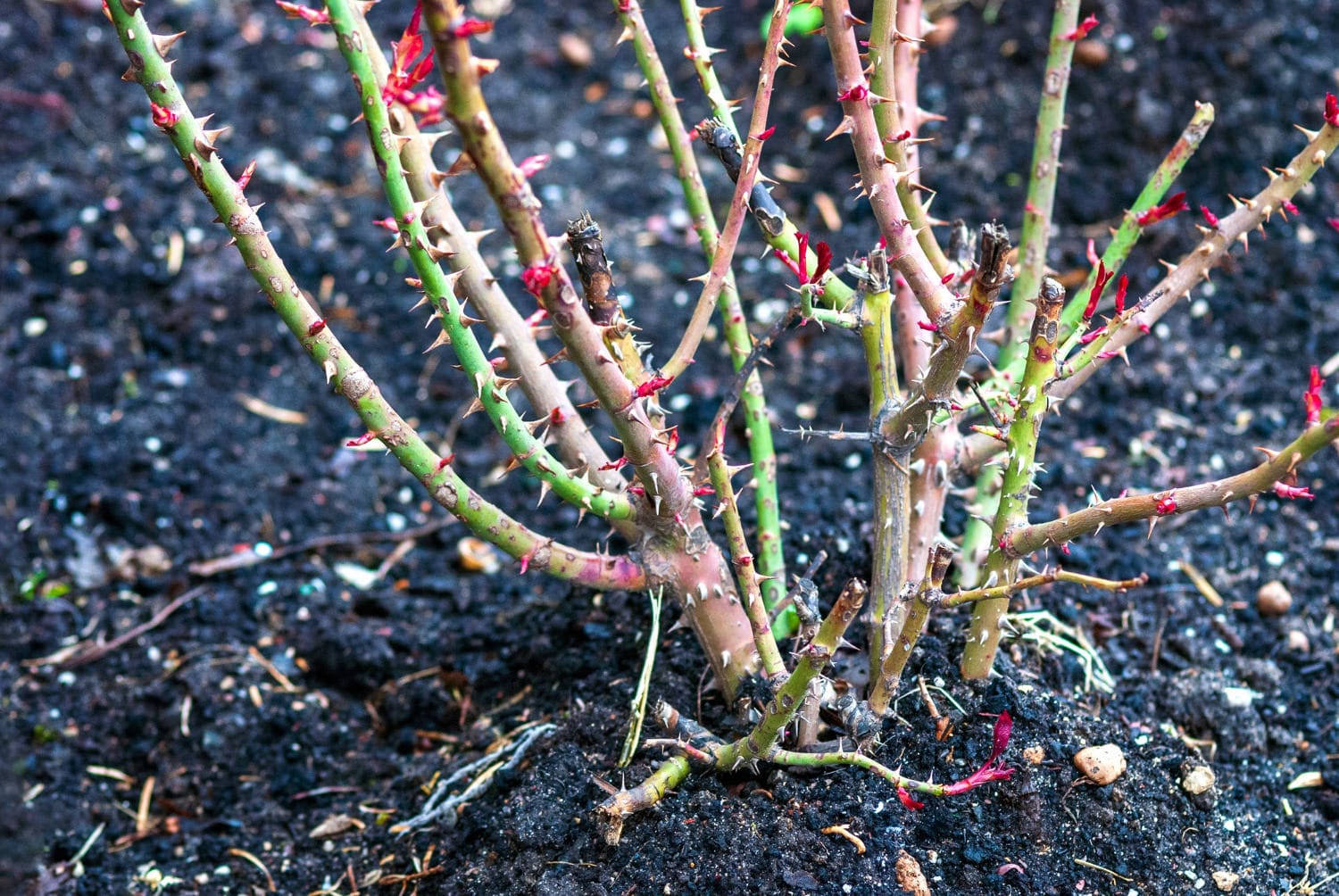
Roses are ideally purchased during this time of year, as they are freshly harvested from the field and sold as bare roots. A diverse array of varieties is available, whether you shop online or consult specialised growers. Once planted, these roses begin to establish themselves and are primed for growth as temperatures rise in spring. They flourish in rich, fertile soils and benefit from winter rains to keep the ground adequately moist.
Here’s how to plant them effectively:
1. Prepare the Hole
Start by digging a hole that is spacious enough for the roots to spread out comfortably. Position the rose so that the graft union is at soil level, ensuring proper growth. It’s advisable to sprinkle some rooting powder around the roots to encourage robust establishment.
2. Fill the Hole
Carefully back-fill the hole with soil, ensuring that the stems remain upright as you pack the earth around them. Pay attention to the graft union, making sure it remains level with the surface of the soil.
3. Water and Mulch
Once planted, give your roses a thorough watering. Following this, add a generous layer of organic mulch to retain moisture, being cautious not to let it touch the young woody stems, which are susceptible to rot.
With these steps, your bare-root roses will be well on their way to thriving in your garden.
Allium sphaerocephalon
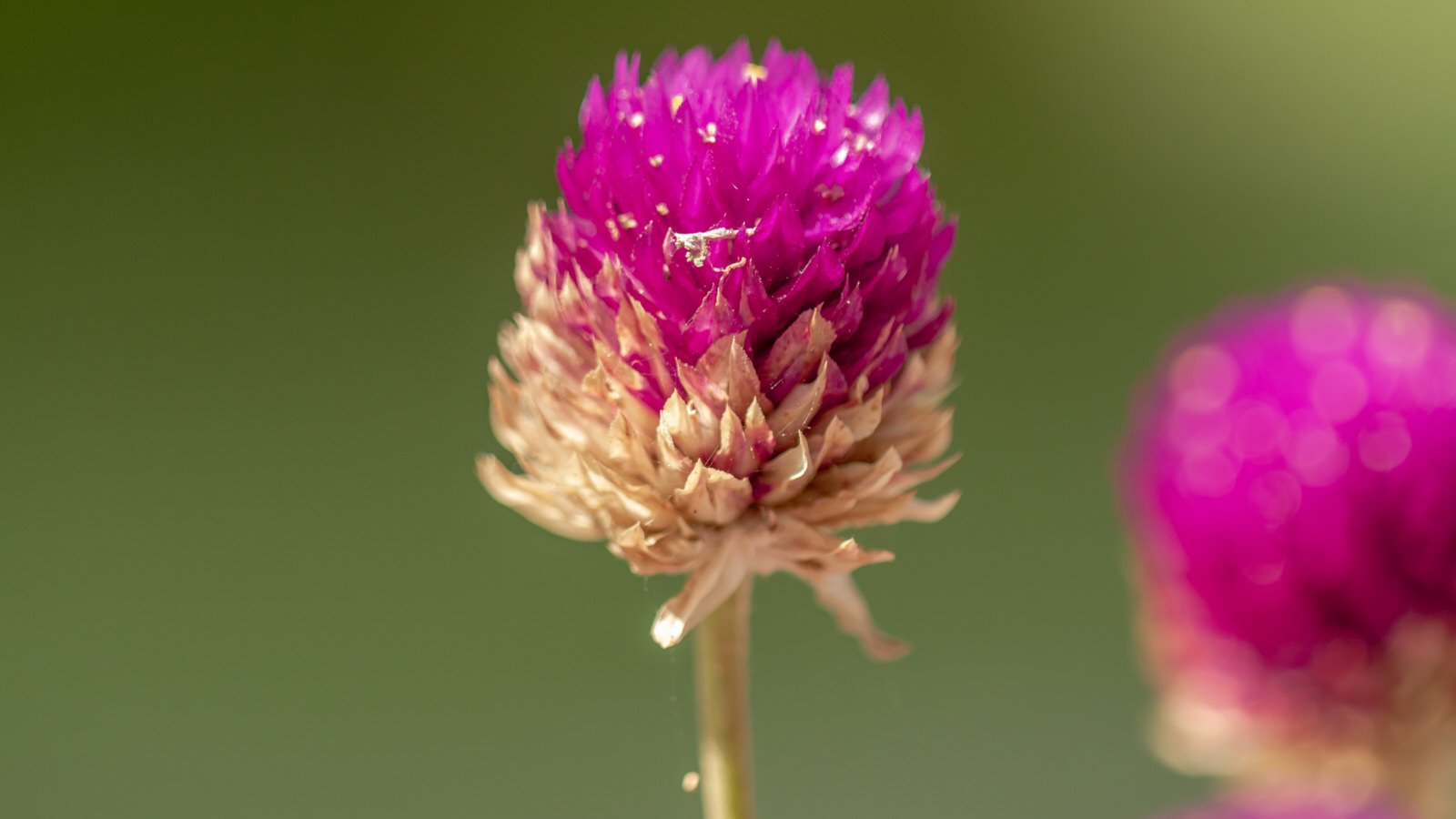
Discover the charm of the Drumstick Allium, Allium sphaerocephalon, a true jewel in the crown of your garden. Adored for its unique, oval blooms in shades of purple and crimson, these striking flowers perch on lithe green stems, reaching heights up to an elegant 60cm. As spring’s colours dim, these beauties emerge in early to mid-summer, seamlessly weaving vibrant hues into the tapestry of your garden, bridging the seasonal transition with flair.
Typically cultivated from bulbs, Allium sphaerocephalon can also be propagated from seeds, which is a more cost-effective method. Seeds can be sown at any time throughout the year, preferably in pots or trays because they have a lengthy germination period. For successful germination, they require a period of chilling.
The Drumstick Allium is a joy for any gardener due to its undemanding nature; it prospers in a variety of soil types and is content in both dappled shade and the full kiss of the sun. Once settled, it stands resilient against drought, offering a sustainable and water-wise option for the environmentally conscious gardener.
Beyond its ease of care, the Drumstick Allium’s sculptural blossoms inject a dash of the unexpected into borders and containers alike. As a perennial, it promises to return each year with even greater vigour and spectacle. For those who cherish the art of floral design, the robust stems present an excellent choice for both fresh bouquets and everlasting dried arrangements.
For the nature lover, these alliums are a bustling hub for pollinators such as bees and butterflies, enhancing your garden’s ecological harmony. With minimal investment and maximal reward, Drumstick Alliums are a testament to nature’s splendour, gracing both novices and gardening connoisseurs with their presence.
Eryngiums

Eryngiums, commonly known as sea holly, are a genus of flowering plants that are highly prized by gardeners for their unique appearance and their ability to thrive in difficult growing conditions. These perennial plants are known for their spiny-toothed leaves and distinctive, thistle-like flower heads that can range in color from blue to silver.
What makes Eryngiums particularly attractive to gardeners is their exceptional drought tolerance, making them ideal for xeriscaping or gardens with poor, dry soils. They are also excellent for attracting pollinators like bees and butterflies, which are essential for a healthy garden ecosystem.
In addition, Eryngiums are quite versatile in the landscape. They can be used in borders, gravel gardens, coastal gardens, and as part of a cutting garden since their striking flowers hold up very well when dried. The structural form of the plant adds an architectural element to the garden throughout the growing season and even into winter, as the stems and flower heads remain eye-catching when left to stand.
Overall, Eryngiums are low-maintenance, resilient, and offer a unique aesthetic that can complement a wide variety of other plants in a traditional or contemporary garden setting. Their long-lasting and vibrant blooms, along with their distinctive foliage, make them a favorite among gardeners looking to add texture and interest to their outdoor spaces.
Eryngiums, which are perennial plants that attract bees, need a spell of cold weather to successfully sprout. Disperse the seeds into containers, trays, or compartments and then situate them in a greenhouse or cold frame that isn’t heated during the winter months. Come spring, you should see them begin to sprout.
Plant Daffodil Bulbs In Borders
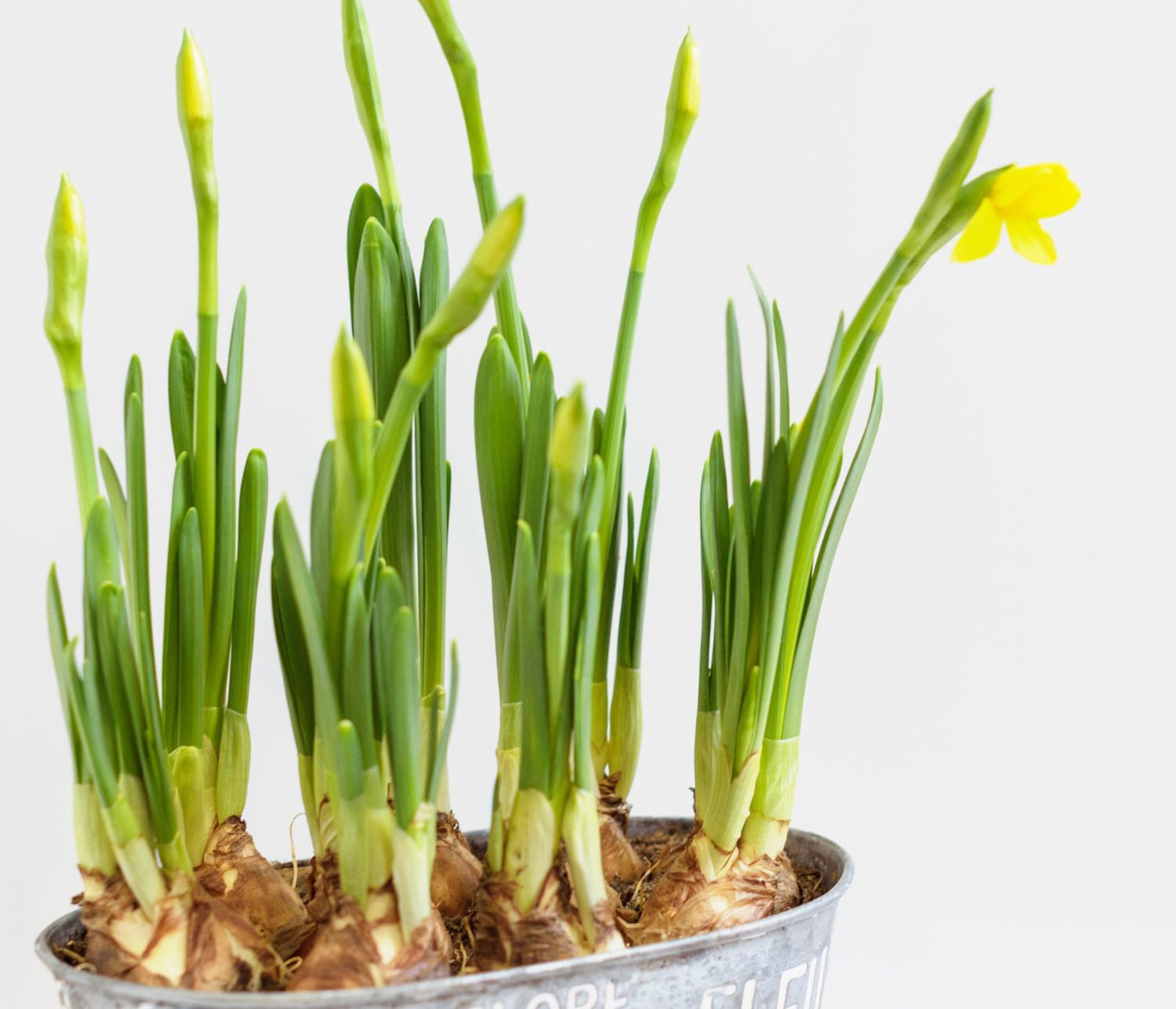
Enhance your spring garden by filling gaps between plants or beneath shrubs with daffodil bulbs. For consistent blooms year after year, it’s essential to plant them at the correct depth. A reliable guideline is to position bulbs three times their height in soil, ensuring that the top of each bulb is covered with twice the bulb’s height of soil.
For a more natural look, cluster the bulbs about 10 cm apart. Over time, they will multiply and create a fuller display. Daffodils flourish in sunny locations with well-drained soil, making them an easy-care addition to your garden.
Corydalis solida
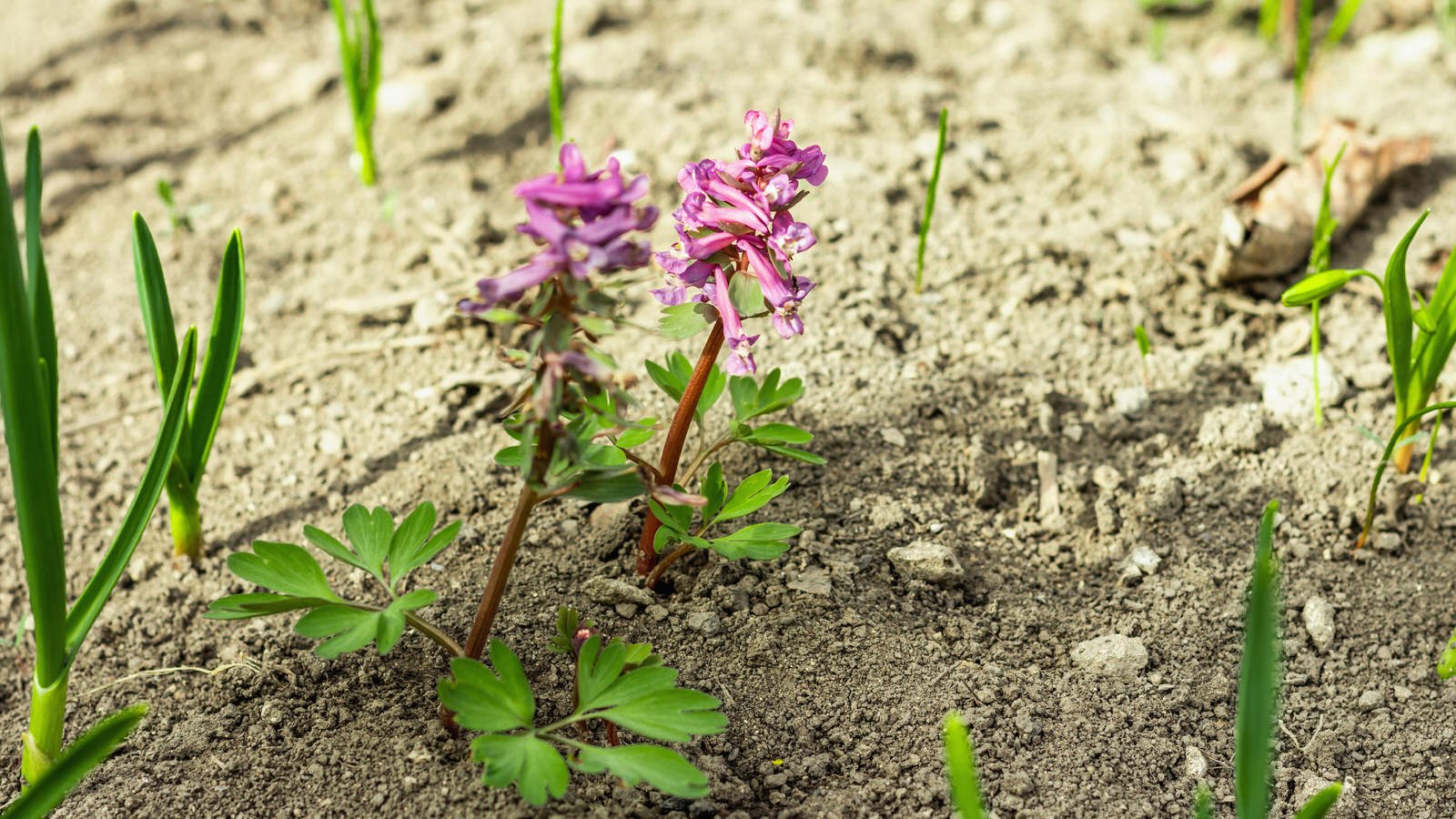
Corydalis solida, a cherished gem in the spring garden, is a bulbous perennial known for its delicate, fern-like foliage and vibrant clusters of tubular flowers. The blooms display an array of colours, from rich purples and pinks to softer pastels and occasionally whites, each held aloft on slender stems that dance above the foliage in the gentlest of breezes.
Since it’s November, you can use the natural cold period to stratify your seeds by sowing now in a location that is partially shaded, as Corydalis solida prefers cooler conditions and does not thrive in full sun.
Gardeners are particularly drawn to Corydalis solida for its early flowering period, commonly brightening gardens from March to April when much of the landscape still slumbers. Its ability to naturalize and form impressive colonies over time without becoming invasive makes it a favourite for woodland gardens, rockeries, and shaded borders. Additionally, Corydalis solida’s preference for well-drained soil and partial shade allows it to thrive in spots where other plants might struggle.
This plant’s resilience to pests and diseases adds to its appeal, ensuring a display that is as carefree as it is beautiful. Its compact growth habit, typically reaching only 15-20cm in height, makes it an excellent choice for underplanting taller spring-flowering bulbs or shrubs. For a stunning display, combine Corydalis solida with other shade-loving perennials or use it to intermingle with late-winter blooming bulbs such as snowdrops or early daffodils.
Corydalis solida is not only attractive in appearance but also highly versatile and easy to grow, making it a must-have for both novice and experienced gardeners looking to extend the blooming season of their gardens.
Bugle (Ajuga reptans)

The Bugle plant, known botanically as Ajuga reptans, is a perennial that is highly cherished by UK gardeners for its simplicity in care and its vibrant aesthetic appeal. This robust plant forms a rich tapestry of glossy leaves that come in an array of colors from deep green to purple, with many displaying attractive variegation or bronzing effects. During the spring and early summer months, the Bugle plant is adorned with striking spikes of flowers in hues of blue, violet, pink, or white, which rise prominently above the foliage and beckon to bees and butterflies.
One of the Bugle plant’s most appealing features is its excellent utility as a ground cover; it spreads efficiently, quickly filling in empty spaces and effectively suppressing weed growth. It is particularly prized for its ability to thrive in partial shade, making it a suitable candidate for woodland gardens or shaded borders. Moreover, it is easy to maintain, exhibiting drought resistance once established and requiring little fertilization.
The flexibility of the Bugle plant is seen in its tolerance for both shade and sunnier conditions provided the soil remains moist. In milder climates, its evergreen nature ensures that it contributes visual interest even during winter months. The Bugle plant is also quite adaptable when it comes to soil quality, flourishing in various conditions from clay to loam.
Adding to its allure, the Bugle plant offers rich color and texture that enhance the beauty of a garden throughout the growing season. It is an optimal selection for gardeners who seek an attractive, durable plant that requires minimal upkeep whether it is placed in borders, under trees or within container displays.
Plant Your Perennials
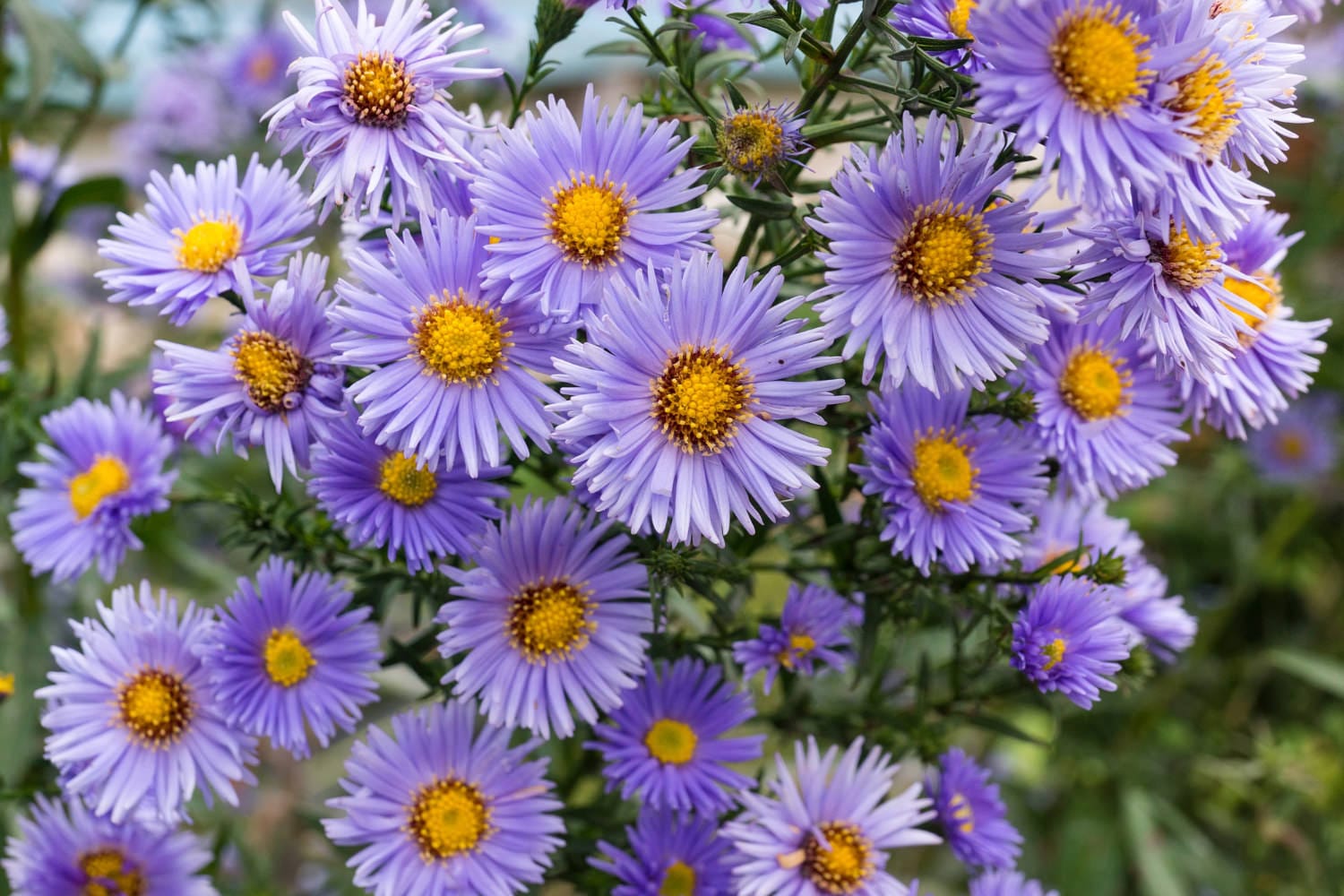
Now is a great time to plant pot-grown perennials in borders. The benefit of doing this now is that the plants are less likely to suffer from heat or drought stress right after being planted.
For example, Asters are the shining stars of autumn, bursting into bloom from late summer through fall. They are ideal for planting in November, as they take time to establish their roots before the winter chill sets in. These perennials showcase stunning flowers that draw in butterflies and various pollinators. Their vivid blossoms are essential additions to any garden, bringing a splash of colour and life.
When positioning your perennials, make sure to plant them at the same depth they were in their pots. It’s a good idea to mix a handful of grit into the base of the planting hole to enhance drainage.
Once planted, don’t forget to label each new addition. Place a cane or stick next to each plant to easily identify their location during the dormant season.
Sweet peas (Lathyrus odoratus)
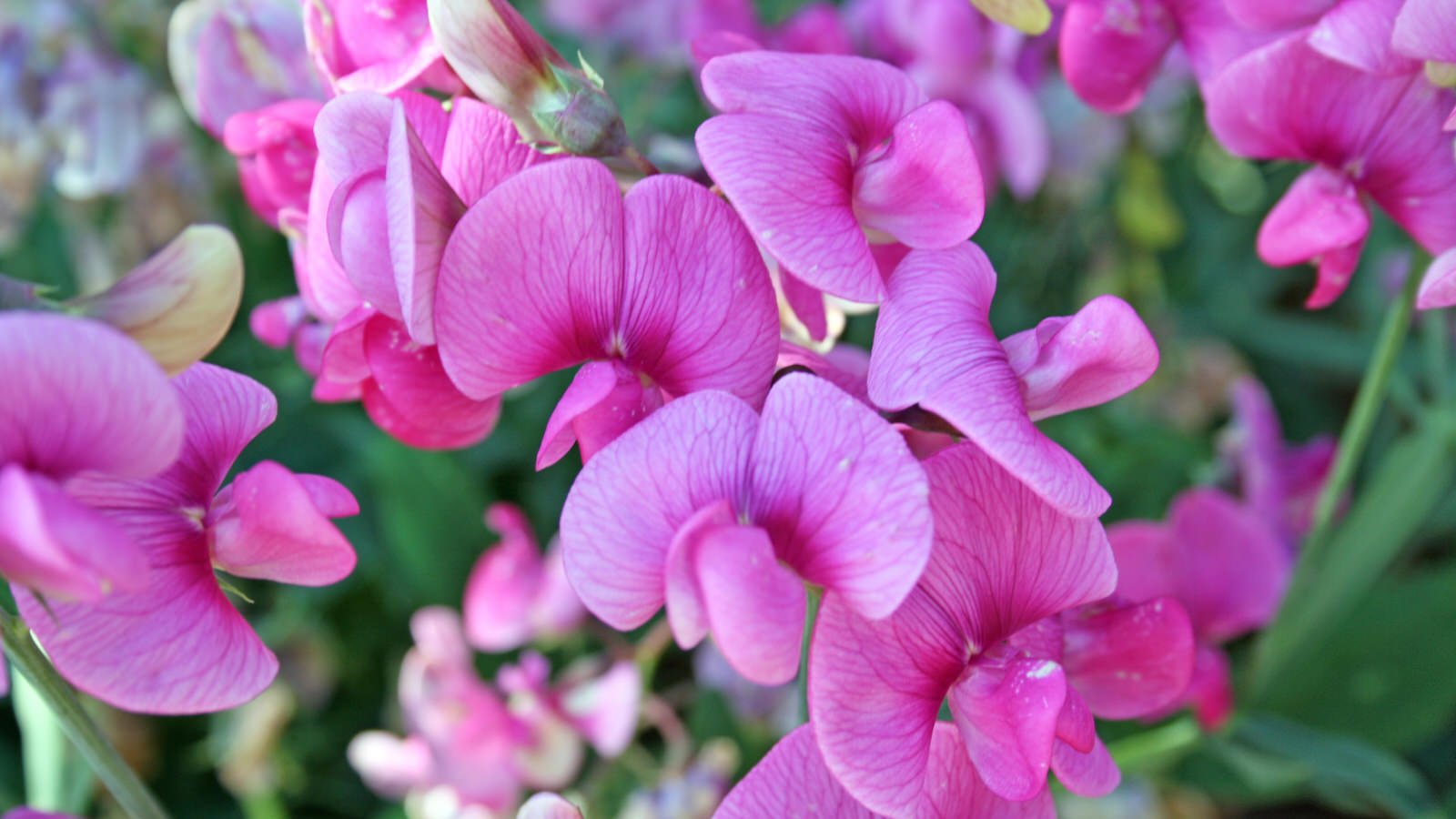
Sweet peas are a beloved flowering plant renowned for their delightful fragrance and vibrant blooms. These annual plants are climbers by nature, using tendrils to grasp onto supports and reach for the sun, often growing to heights of 1 to 2 metres.
One can plant sweet peas during the autumn or spring months, with those planted in autumn typically blossoming significantly sooner than their spring-planted counterparts.
The charm of sweet peas lies in their wide range of colours, from soft pastels to intense hues, and their bi-colour variants add a unique appeal to any garden display. The flowers are usually ruffled and grow in clusters, making them excellent for cut flower arrangements, where they can fill a room with their sweet aroma.
Gardeners often favour sweet peas for their versatility. They can be grown on trellises, fences, arbours, or even in pots with suitable support. Their preference for cooler weather makes them an excellent choice for early spring planting. As they are relatively easy to grow from seed, they are a popular choice for those looking to add instant colour and fragrance to their gardens with minimal effort.
To maximise blooming and encourage more flowers, it is advisable to regularly deadhead spent blooms. Not only are sweet peas aesthetically pleasing and fragrant, but they also attract pollinators such as bees and butterflies, enhancing the biodiversity of the garden.
For any gardener looking to add a touch of elegance and charm to their outdoor space, sweet peas are an outstanding selection.
