
Vegetable & Fruits Planting Calendar
Vegetable & Fruit Seeds to Grow in April – 2024 Sowing Guide
Apr
April is a wonderful month for growing fruits and vegetables. With longer days and warmer weather, it’s the perfect time to learn about the best ways to grow your own food, whether indoors, in a greenhouse or outdoors. So let’s dive in and explore! Before you know it, those tiny seeds will have grown into delicious, mouth-watering produce.
What to sow indoors or in the greenhouse
It’s April and for many of us that means the end of winter. The grass is starting to green up, spring flowers are popping out, and we can start looking forward to all the fresh produce that will be coming our way soon. This includes things like peas, asparagus, carrots, lettuce and more!
Aubergine
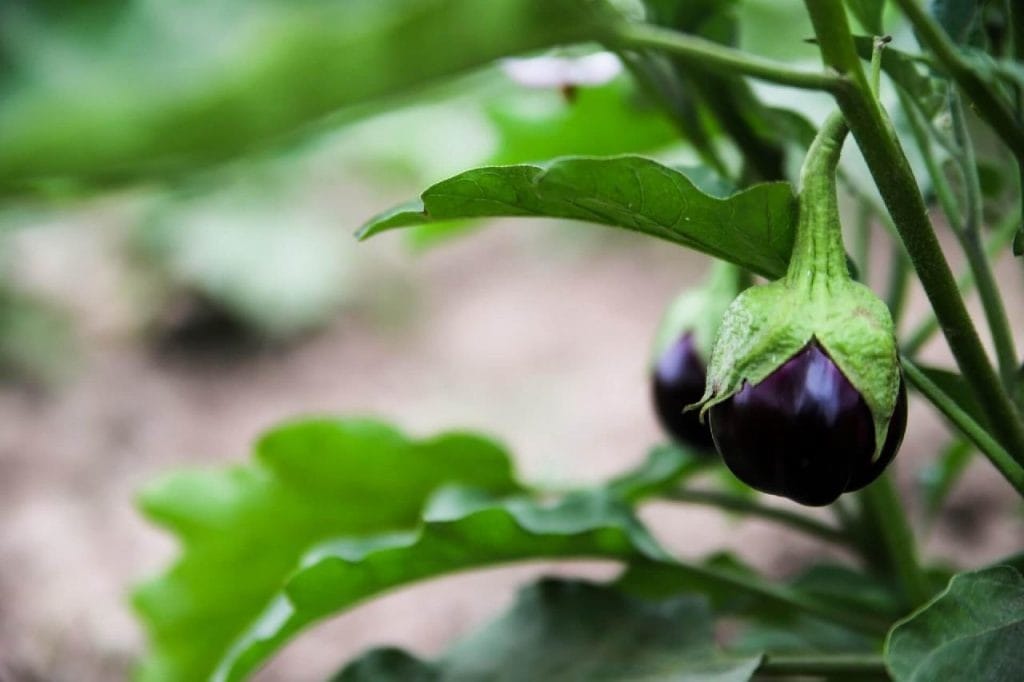
Aubergines are a delicious vegetable that is popular in many different cultures. They can be eaten cooked or raw and they have a slightly sweet taste. Aubergines are also known as eggplants, but not all people know the difference between these two vegetables. They are both purple on the outside with white flesh inside, but aubergines have more of an oval shape and eggplants have more of a round shape.
This purple fruit is popular in cuisines the world over. It is related to the potato and tomato, and shares similarities with both. Like the tomato, the skins and seeds of the eggplant can be eaten, and like the potato, it is usually cooked. Seeds can be sown at 18-21 degrees Celsius in a pot or a module. Sow the seeds deep into the soil. Alternatively, aubergine can be grown in an airing cupboard, but remember to check the seeds daily and remove the ones that have already germinated. A glass jar can be placed over the pots to retain moisture. Grow in 9 cm pots, and when the pots are filled with roots, place the seeds in a bigger pot (23 cm), filled with compost, in a heated greenhouse. For best results, water regularly and mist the foliage daily in order to keep red spider mites away.
Chillies
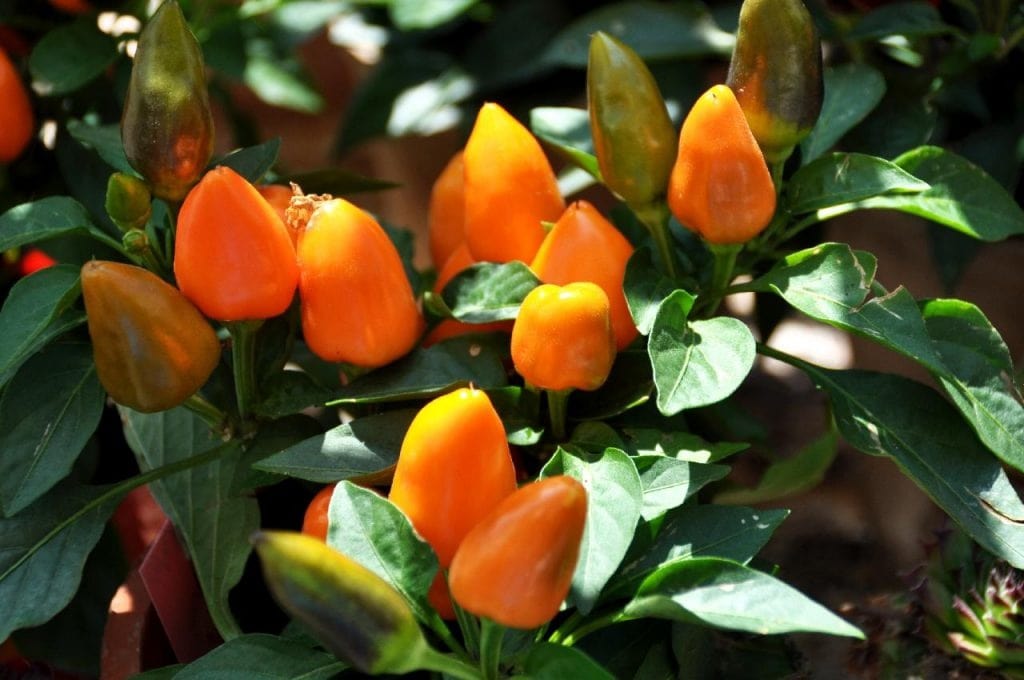
The chilli is a perennial plant that belongs to the nightshade family. It’s most popular for its spicy flavour and ability to add heat to dishes, but it also has many health benefits.
Chilli is a spice used to liven up dishes around the world. Interestingly, its main active ingredient, capsaicin, can be found in ointments and nasal sprays.In a 10 cm pot with good seed compost, sow the chilli seeds on top. Put more than you need so that any losses can be compensated. Cover with a thin layer of vermiculite and water. In the absence of a heated propagator, put a plastic bag over the top of the pot, holding it securely with an elastic band. After germination, remove the propagator and place the pot in a greenhouse or on a windowsill. As the seeds get bigger, move them to their own 10 cm pot. As they continue growing, movie into bigger pots, keep them spaced out and support any leaning plants with a stake.
Tomatoes
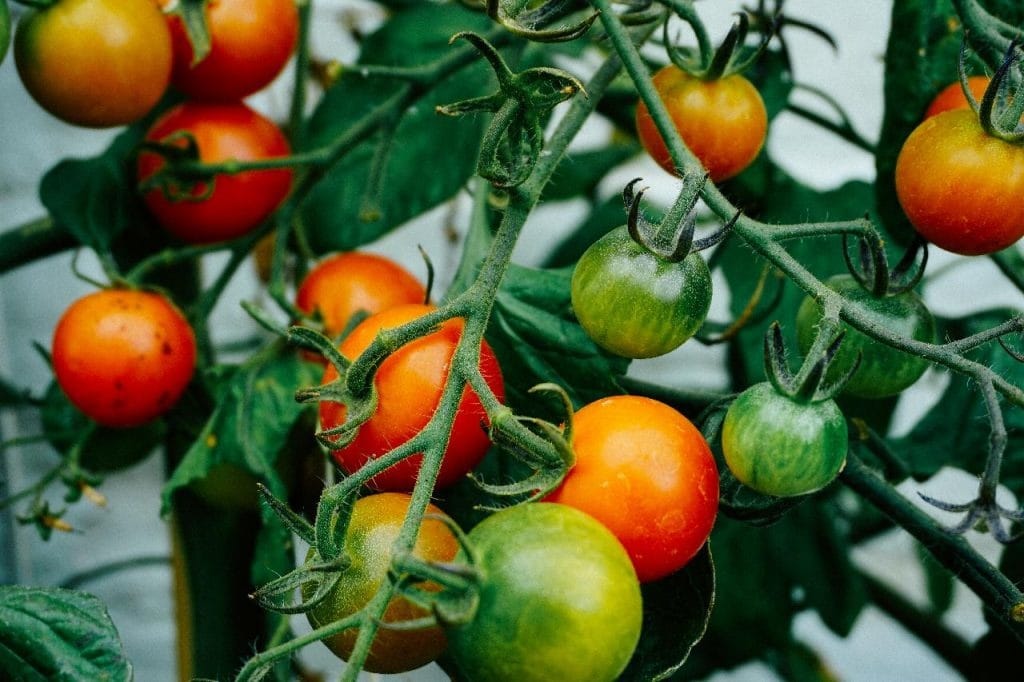
Tomato is a delicious addition to any salad and one of the most satisfying crops you can grow yourself. Highly adaptable, it can be eaten raw or cooked, in salads, sauces and soups, or consumed as a drink. The fruit is a major source of Umami flavour – one of the five basic tastes. Growing tomatoes requires a high-level of care as the fruit attracts a lot of pests and diseases. These sub-tropical plants need a lot of sunlight, so place them in a well-ventilated greenhouse, with plenty of slightly moist compost. Grow tomatoes in 7.5 cm pots or grow bags. Tomato plants can grow up to 3.05 m in height, and their weak stems can be attached to a support. Space plants at a good distance to avoid overcrowding.
Lettuce
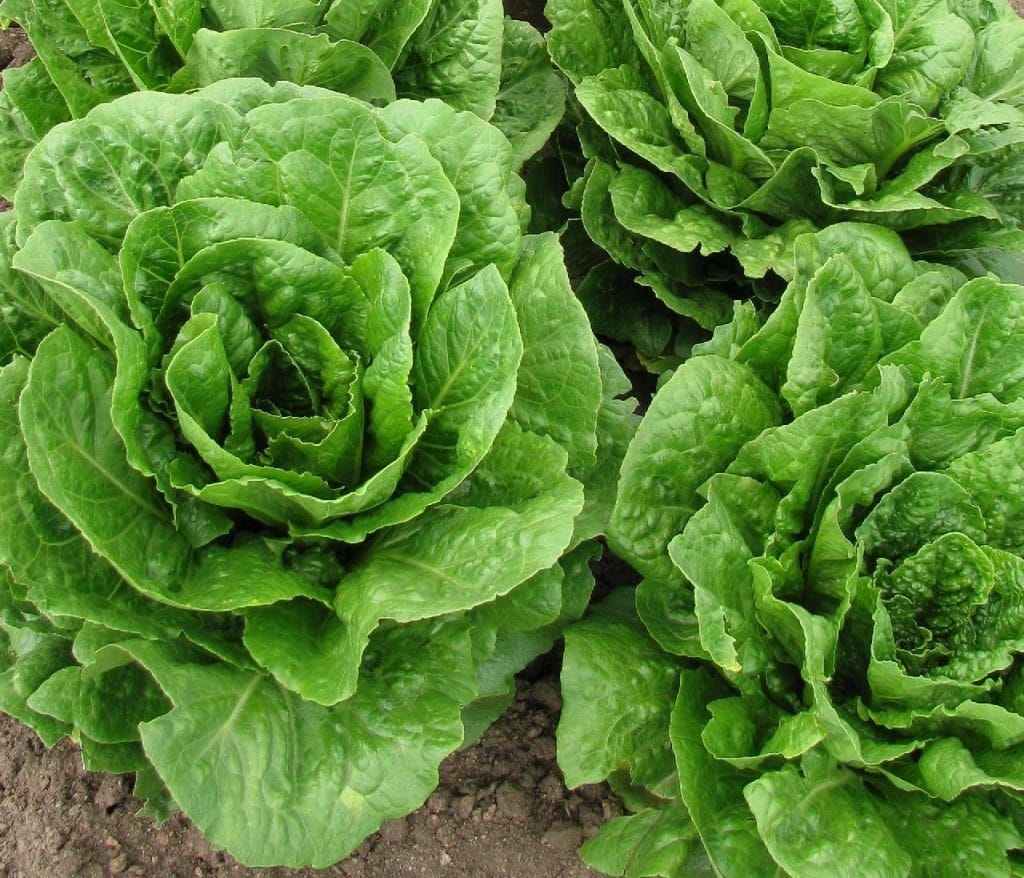
The foundation of any good salad and one of the most popular vegetables in the world, lettuce is easy to grow.April is a good time to plant lettuce because extreme heat makes it bitter. Sun is still needed, however, so place the seeds in a shallow pot near a south-facing window. Put lettuce seeds in a row and cover lightly with soil, preferably one that is not too coarse. Loose-leaf varieties are best grown indoors, and as it sprouts, keep it moist by loosely covering the seeds with plastic. It can be harvested in as little as three weeks or a month.
Celeriac
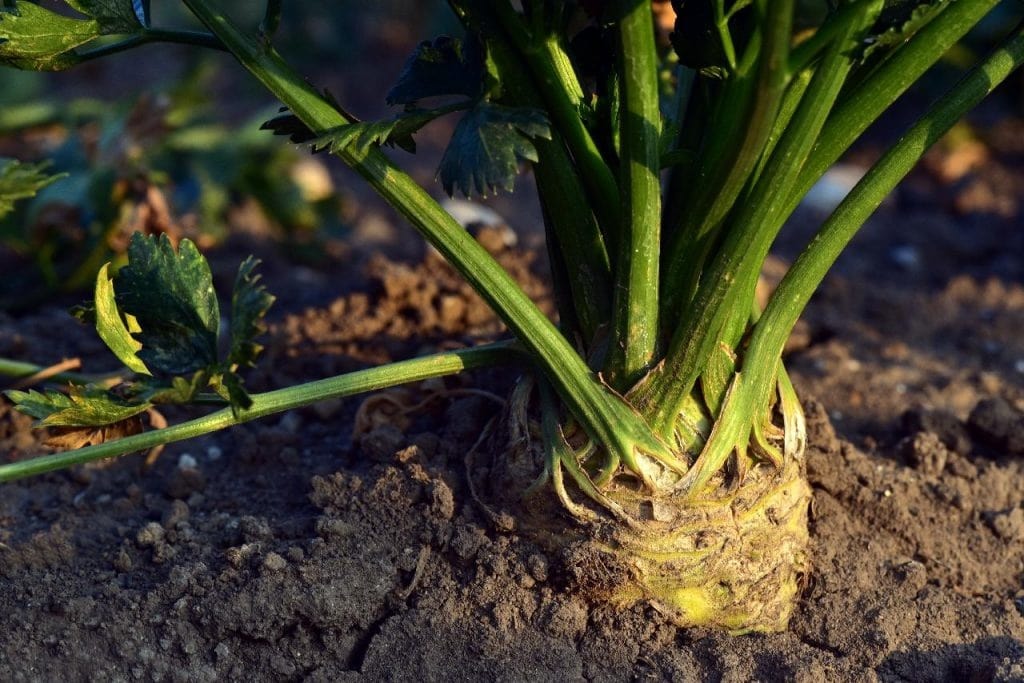
More popularly known as celery root, this food can be eaten raw or cooked, and it is cultivated in many parts of the world. It is especially popular in Peru.It is best to grow celeriac indoors first, before transferring it outside. To reach harvest, three to four months will be required. Since celeriac is a heavy feeder, plant seeds in organic-rich, well-drained soil, with two seeds per pot. Use aged compost before planting seeds and again halfway through the growing process. Until sprouting occurs, place a cloth over the seeding area to keep the soil moist. This root is easy to grow, but remember that it needs light, so try not to cover it too much with soil.Celeriac can be grown with peas or spinach, but not cucumbers or squash.
Courgettes, Marrow, Squashes, Cucumbers and Pumpkins
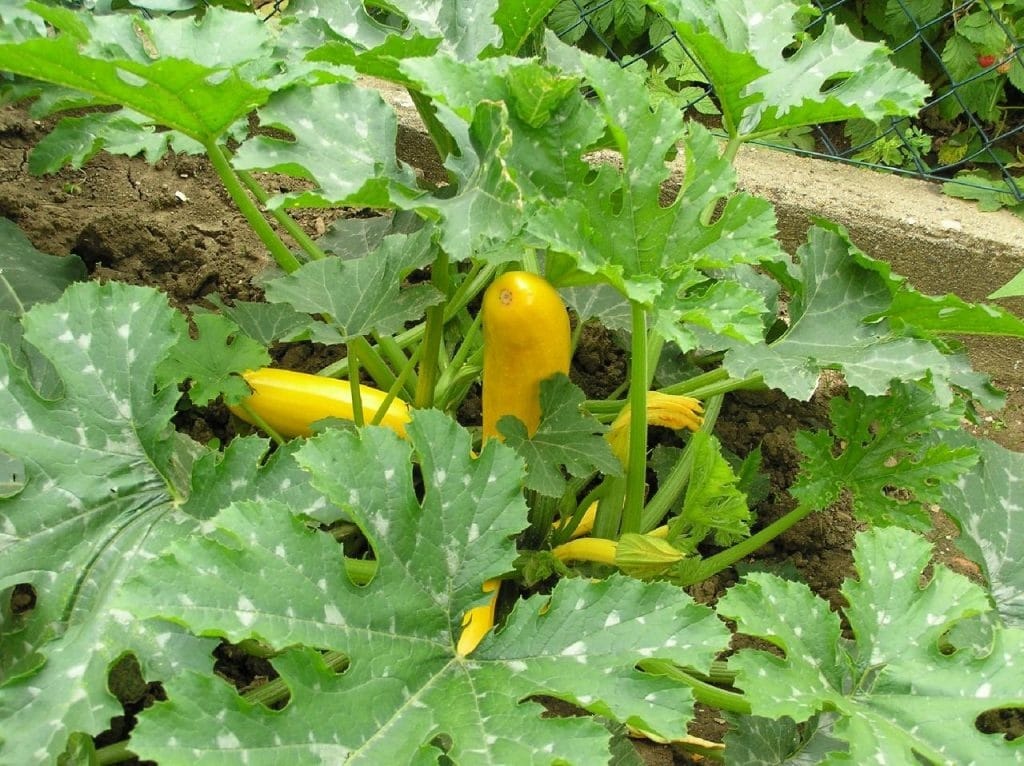
These vegetables are closely related, and they can all be grown in the same way, primarily under cover.From mid-to-late April, seeds can be placed in compost, in 7.5 cm pots. Keep the soil moist in order to ward off powdery mildew. Grey mould is another problem easily remedied – simply reduce humidity with ventilation and overcrowding of the seeds, especially if the seeds are being grown in a greenhouse.
What to sow directly outdoors
According to the Met Office, the UK’s national weather service, average temperatures during April typically range between 6°C and 11°C. These warmer conditions are conducive for the germination and growth of many plant species. Combined with longer daylight and consistent rainfall, April is a great time to start sowing.
Here are some varieties you can plant right now:
Beetroot
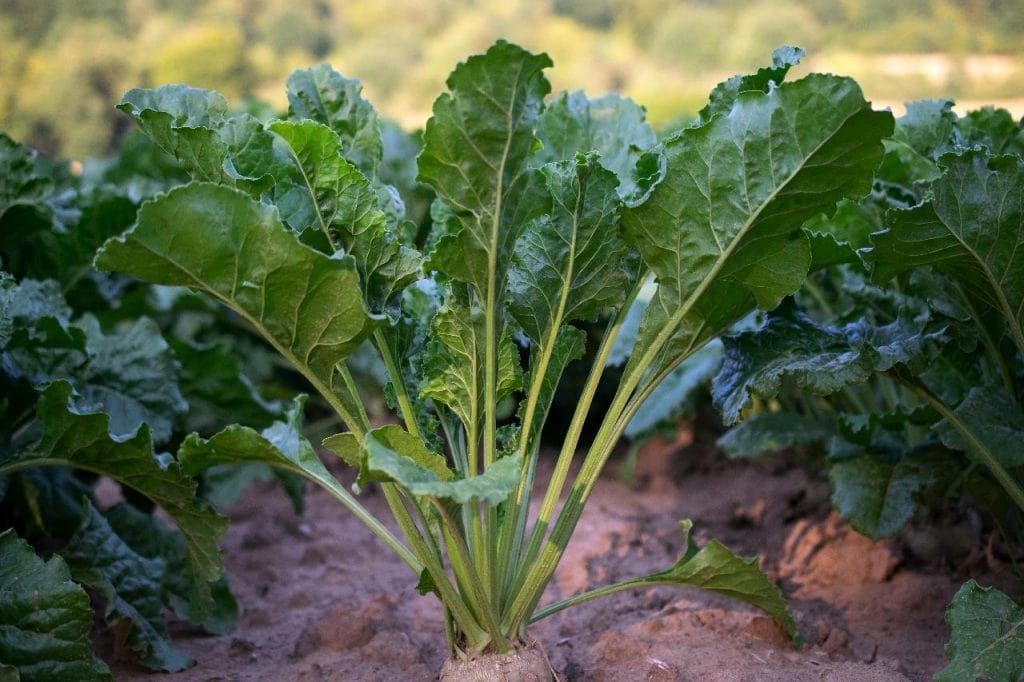
Beetroot is another adaptable food, and it can be consumed cooked, pickled or as a delicacy. It is also easy to grow.Make a small, deep trench in the soil with a garden rake and drop in two seeds every 10 cm. Cover and water frequently. When the seeds have grown to about 2 cm in height, remove the weakest of the pair. The seeds can also be grown in pots that are 20 cm in depth and diameter. After sprinkling compost, seeds can be sown thinly across the pot, and then covered by 2 cm of compost. Add lots of water. Harvest when they have reached the size of a golf ball.
Carrots
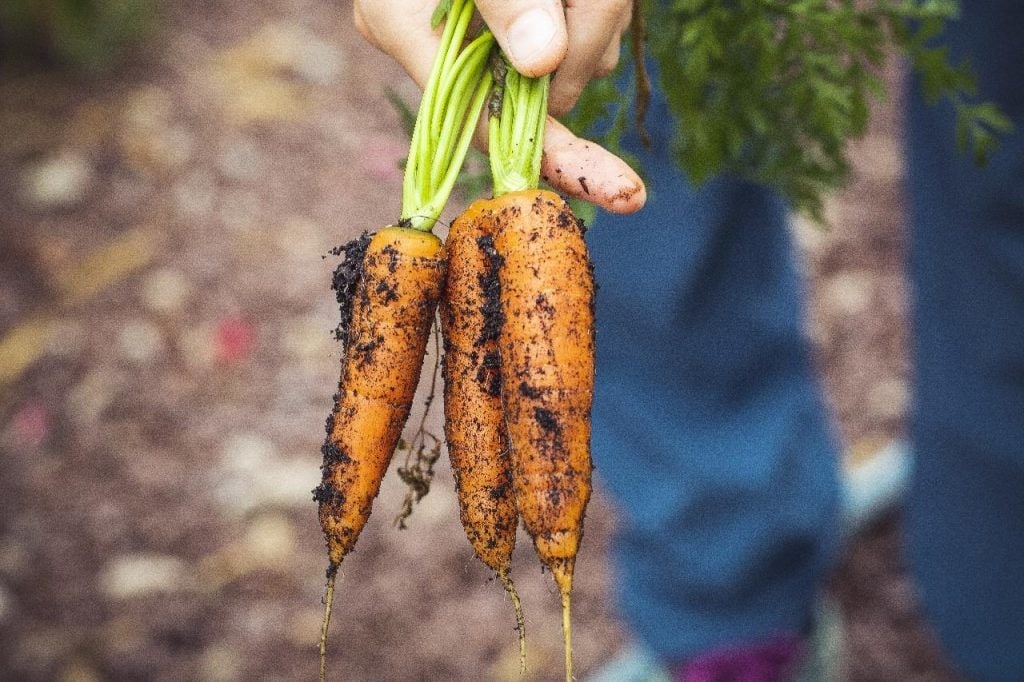
This root vegetable is healthy and extremely popular. There is a myth that it can help people improve their night vision, but this is only true for people who suffer from a Vitamin A deficiency. April is a fine time to plant carrots as this vegetable prefers cooler soils. Simply sprinkle seeds in a row and cover lightly with soil. Keep the soil moist as dry soil can break the carrot and give each seed enough room to develop. Remember to clear the soil of stones and other debris.
Leeks
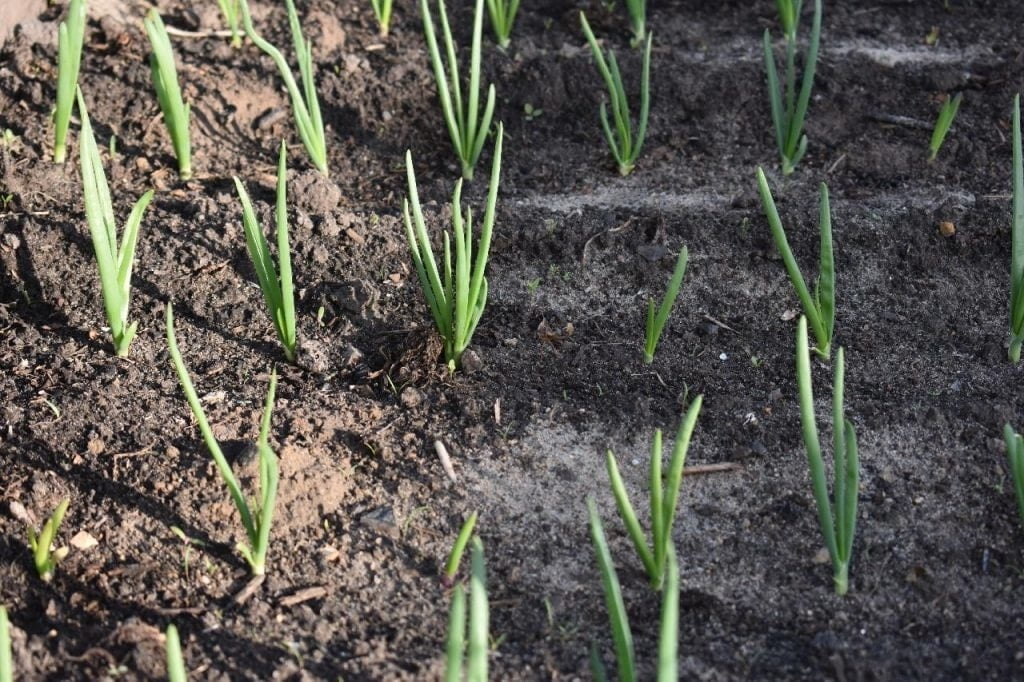
The leek is the national symbol of Wales, but the vegetable is also quite popular in Turkey.In April, we can sow leeks in seed trays, which is best done under some kind of cover. Keep the seeds moist and cover thinly with compost. As they grow, move the seeds to bigger pots and cover with more compost. Break up the soil and remove stones and debris and transfer the leeks into the ground when they are 20 cm tall. Holes should be 20 cm deep at most and be sure to maintain a distance of 15 cm between leeks and 30 cm between rows. Water regularly.
Peas
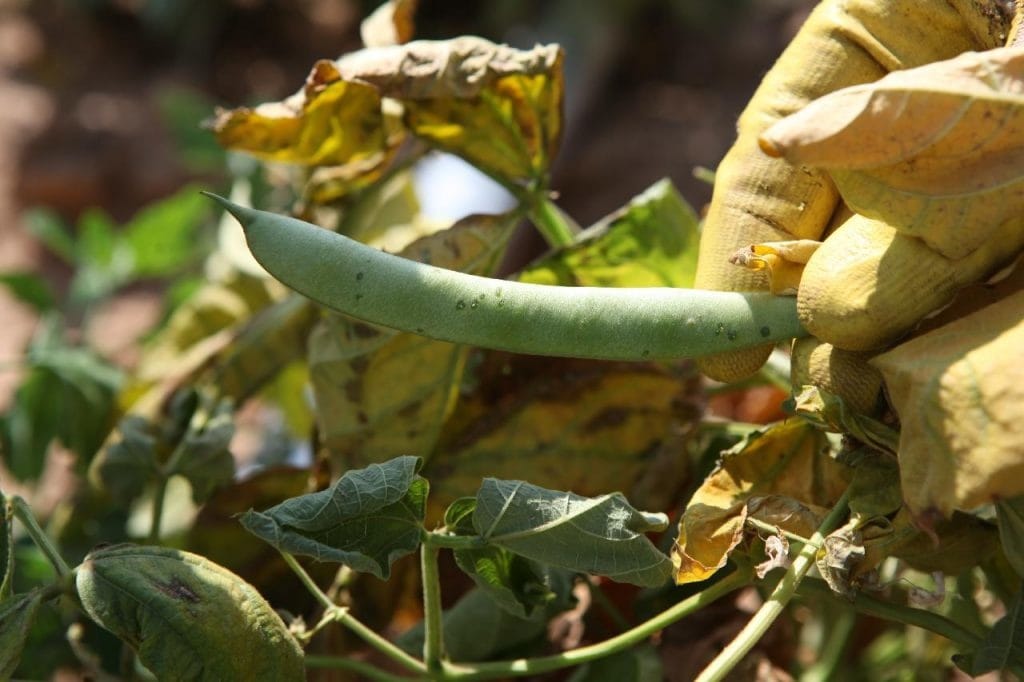
Peas are pod fruits, and each pod contains between three and eight peas.Plant pea pods directly into the ground, and they should be supported with sticks, mesh or wire netting as they grow into plants. Typically, the peas should be planted between 1 and 3 cm into the soil, spaced apart. They will be ready to harvest in three months.
Radish
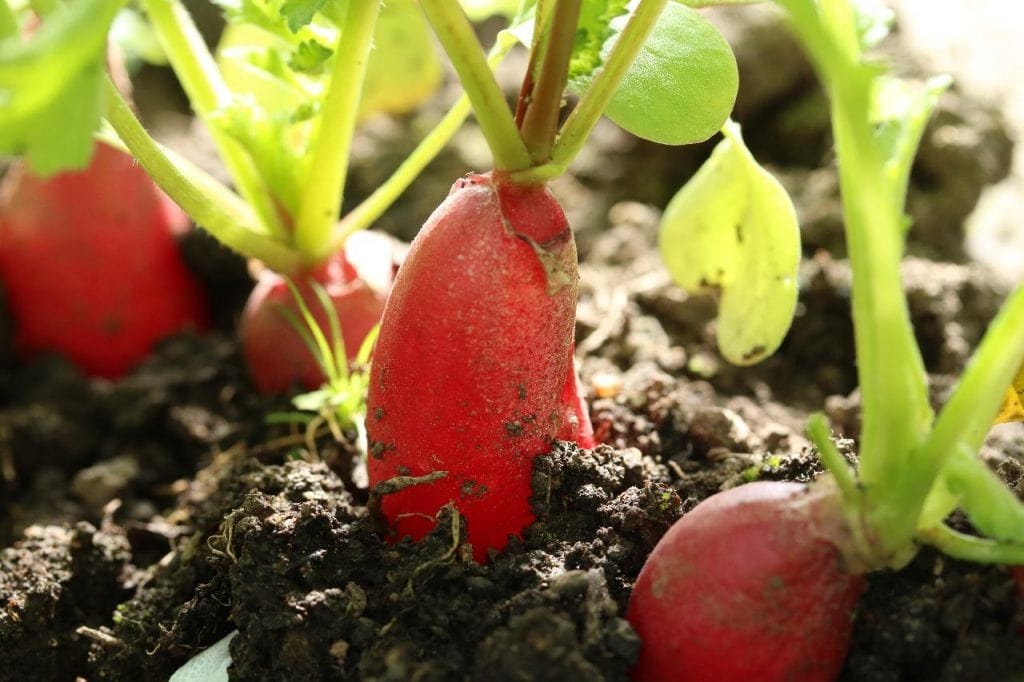
Radishes are cultivated around the world and are usually eaten raw. Known for having a sharp taste, this vegetable is easy to grow and can be harvested quickly.Radish seeds can be planted directly into the earth. Once they poke through the soil, give them enough room to grow by spacing them an inch apart. If the seeds are in a pot or another type of container, keep them moist in order to avoid the radish becoming tough and fibrous.
Spinach
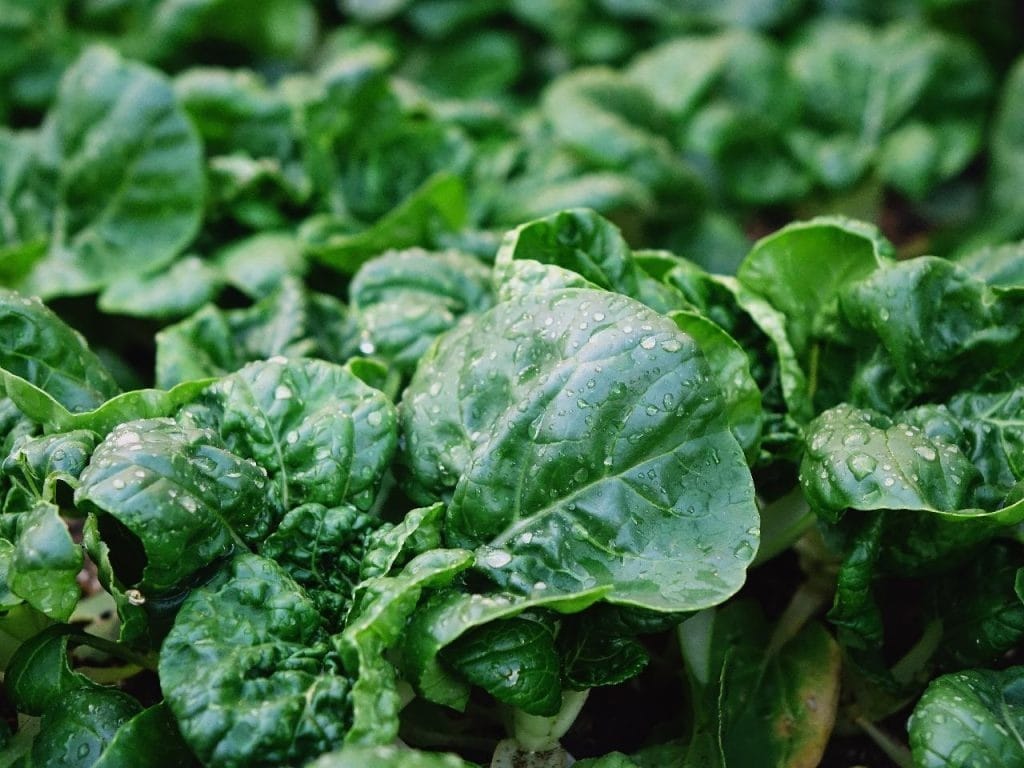
Native to Asia, spinach is a leafy green plant that is now consumed all over the world.Seeds can be sown in a pot or directly in the ground, where they should be 2.5 cm deep and spaced in rows 30 cm apart. As they get bigger, plants should be kept 7.5 cm apart, which can help stave off spinach downy mildew. Covering plants with horticultural mesh will ward off birds. Generally speaking, the plant will also benefit from a little bit of shade.
Swiss Chards
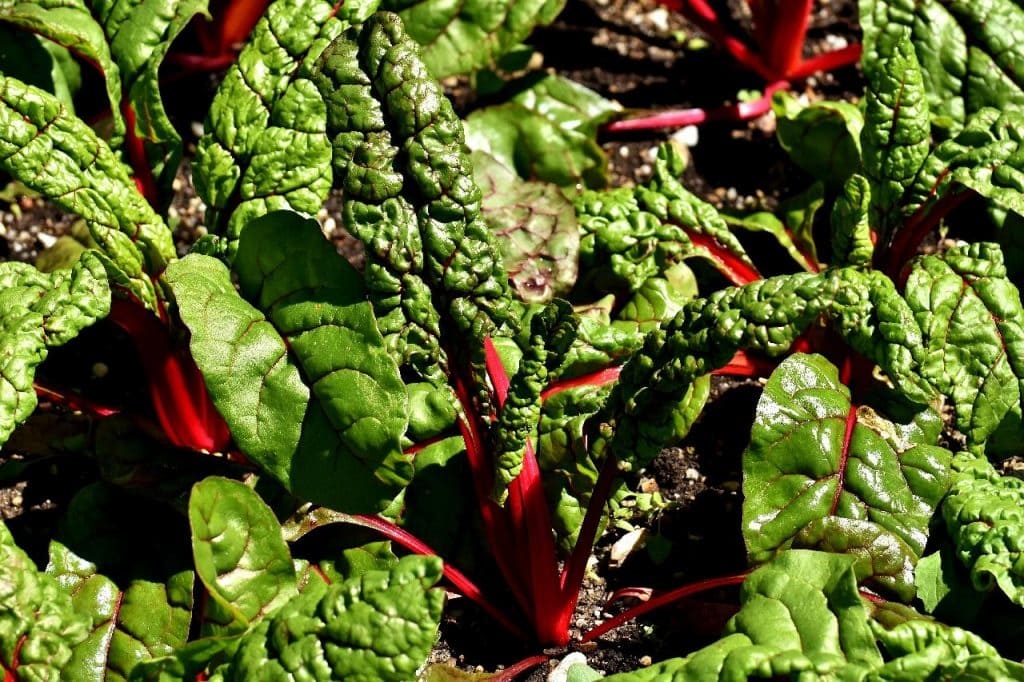
Like other leafy green vegetables, swiss chard is highly valued for being highly nutritious. It is also an alternative to spinach.In well-prepared soil, in a sunny spot, make a shallow drill and sow the seeds around 1.5 cm deep. Cover with soil and water well. Sow in rows that are spaced 40 cm apart.
Turnip
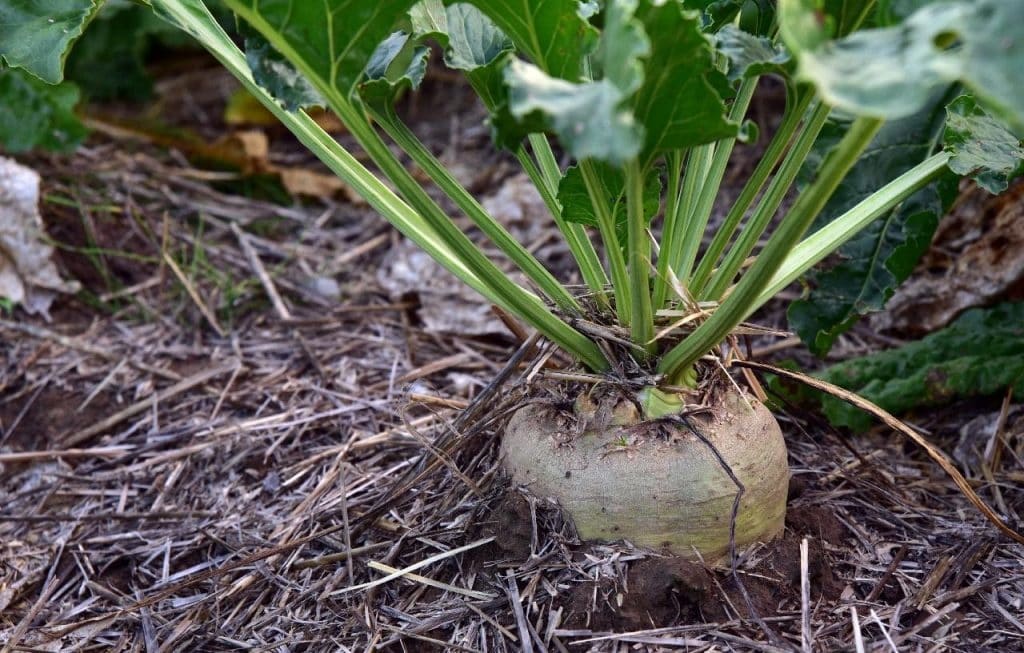
The turnip is a root vegetable, one commonly grown in temperate climates, such as in the United Kingdom and eastern Canada.Seed should be sown thinly, with rows spaced between 23 and 30 cm apart. Once the seeds are bigger, give them more room to grow. If April happens to be unusually sunny, water the seeds well. This will prevent the seeds from becoming undergrown and woody. An insect-proof mesh will keep the cabbage root fly and flea beetles away. As always, keeping the seeds nice and moist will keep powdery mildew at bay. Finally, turnips can be harvested when they are golf ball sized, and the leaves can be eaten as greens. Happy growing!
Do you want to take your garden to the next level?
Planning a garden all year round and sourcing seeds from all over the world is hard work, especially if you want to keep your garden interesting year after year.
That’s why we created Gardeners Box, each month receive the hand-curated seeds we recommend sowing right now to brighten your garden, along with detailed instructions, and plant markers all starting from just £9.99. Click here to find out more.

