Vegetable & Fruits Planting Calendar
Vegetable & fruit seeds to sow in September
Sep
September is a traditional time for harvesting, but there are still things we can sow for winter and spring, especially if you want to eat some leafy goodness.
Here are some nice ideas for inside and outside.
Things to grow indoors
Try these in your house or in your greenhouse.
Spinach
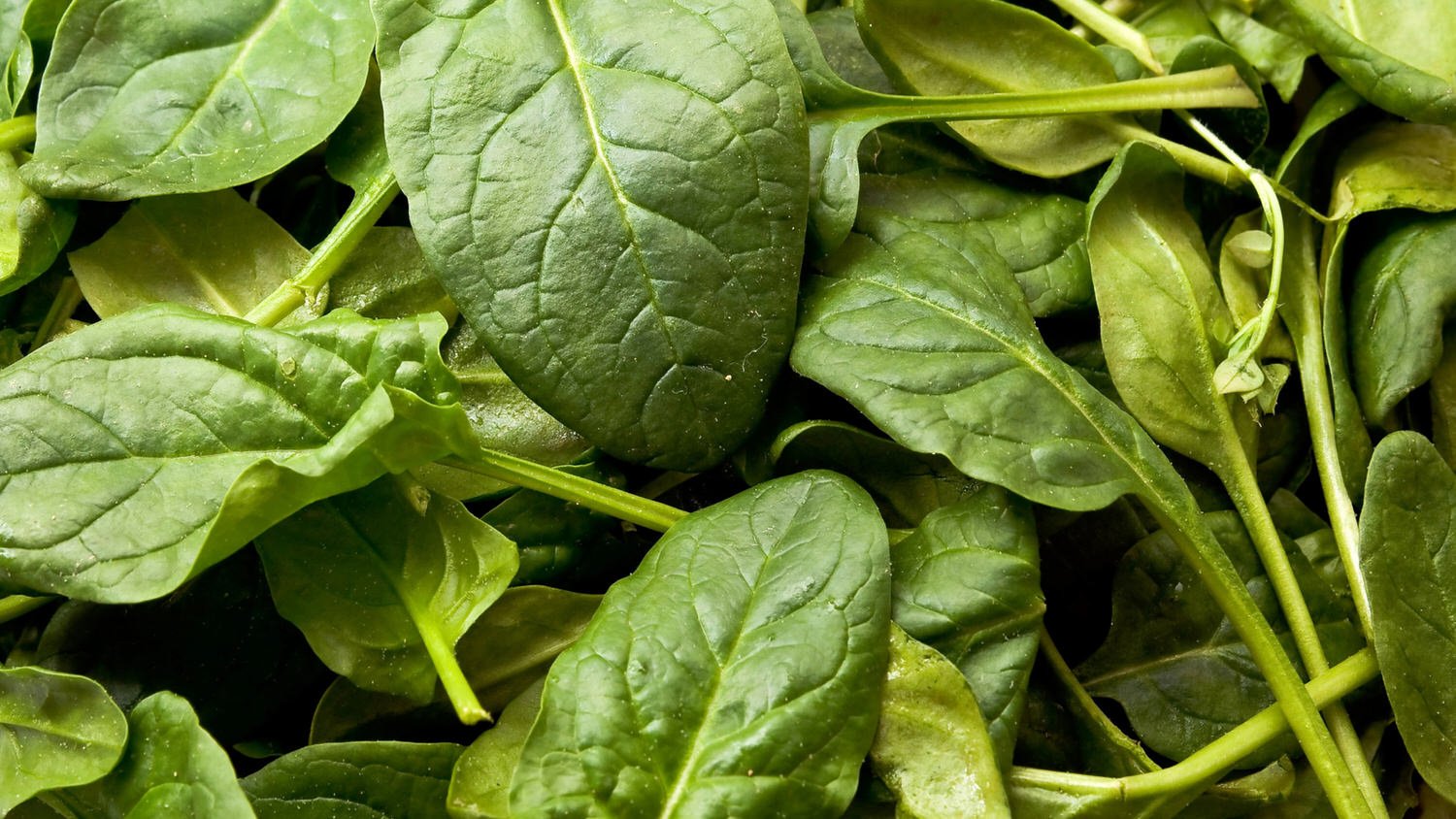
Popeye loves spinach, and you should too! It comes packed with iron, vitamin K, and calcium. Savoury varieties handle the cold well, but they will need more care. Semi-savoury varieties are more resistant to bolting and disease. Finally, smooth-leafed varieties are easy to clean, and they offer a delicious flavour.
Growing spinach indoors is quite simple, especially with the right container and lighting. That being said, spinach can grow in the shade as well, so don’t fret if your home does not attract a great deal of light. You can also rectify this lack of light by using special grow lights. Use rich, well-drained soil that has a neutral PH balance. Consider adding nitrogen-based fertilizer into the mix; potted seeds lose a lot of nutrients, and this type of fertilizer helps to replenish the soil. If the soil gets too wet, it will seriously inhibit growth. Plant the seeds 1 cm deep and 5 cm apart. In a week or two, the seeds should be ready for germination.
Pests will not pose much of a problem indoors, but spraying the plant with oil is a good deterrent.
Cabbage
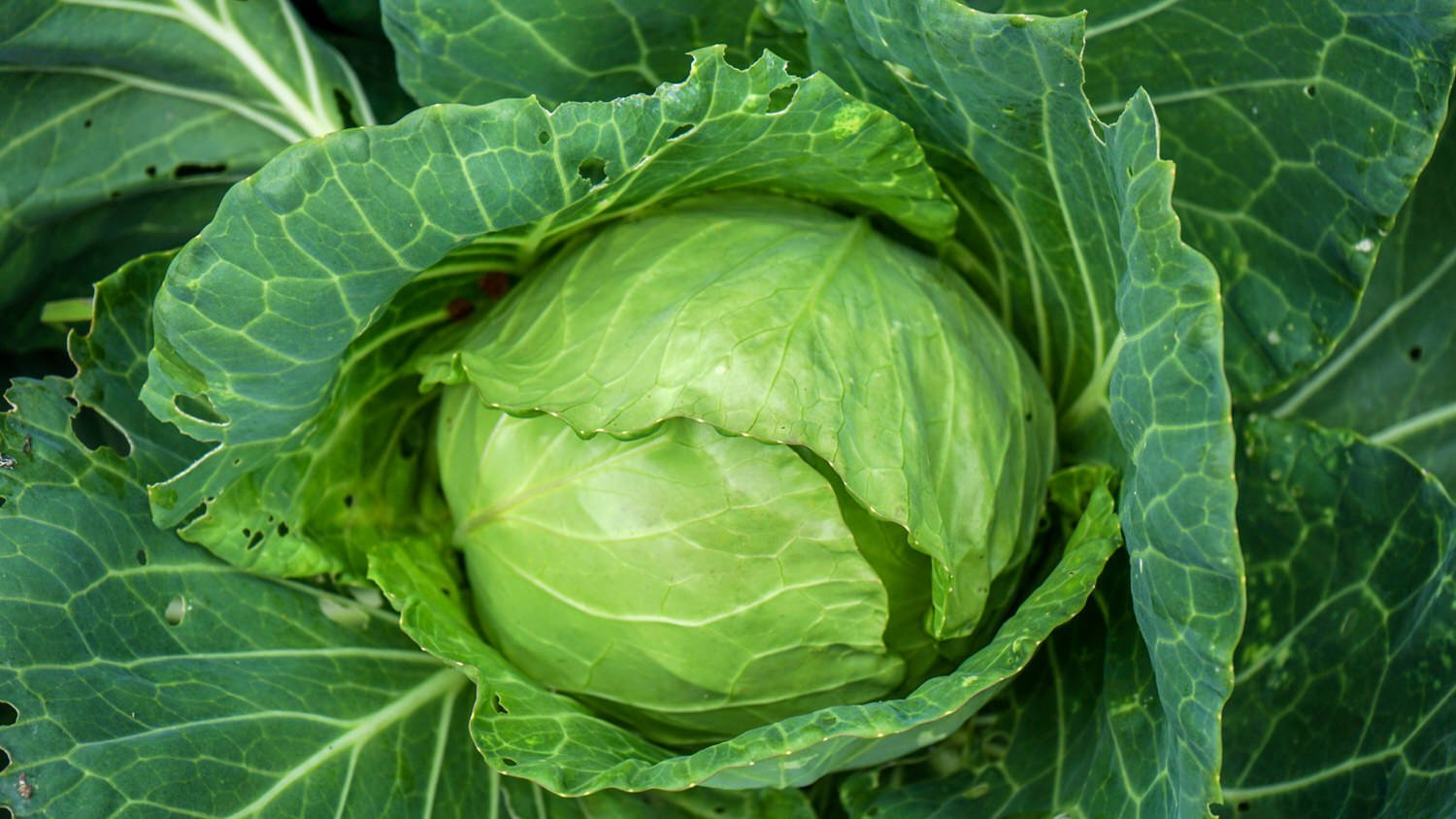
Cabbage is a great source of nutrients because it is a leafy green vegetable, and its perfect for planting in September even though it does have a long growing season.
Cabbages need space, so use a container that is 20 cm wide and 20 cm deep. Try to maintain the soil so it doesn’t become too wet or too dry. As they grow in a container, using a dilute solution of fish emulsion or compost tea will aid growth. Either of these can be given to the plant every fortnight.
Remove diseased parts of the plan as soon as you seem them.
Pak Choi
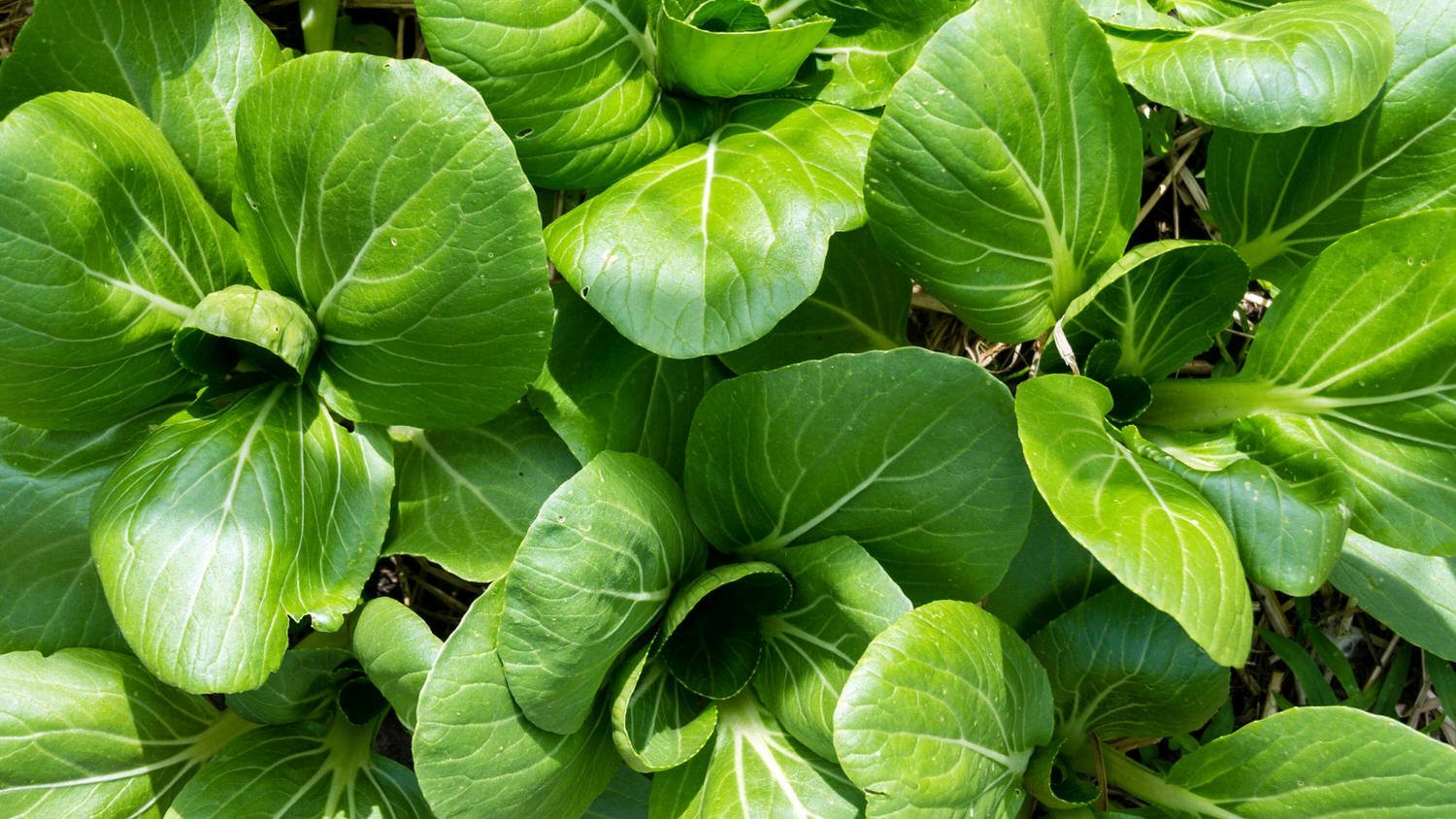
Pak choi is sometimes known as horse’s ear or white mustard cabbage. It is a member of the cabbage family, and the taste is nice and crisp. Try ‘Canton Dwarf’ or ‘Joi Choi’ at this time of year. It is super easy to grow in a container, and it doesn’t take up too much space.
Sow the seeds 1 cm deep and 1 cm apart in a big container with well-drained, high quality soil. If you prefer to use a seed tray, then you can put two in each cell. Place the container or tray in a sunny spot that gets a few hours of sunlight. If this is not possible, use a grow light. Remember to water well – the soil should never dry out completely! Add fertilizer for better growing. In 4-8 days, they will germinate. At 5 cm tall, the seeds can be transplanted outside.
Things to grow outdoors
These seeds are perfect for your garden.
Salad leaves
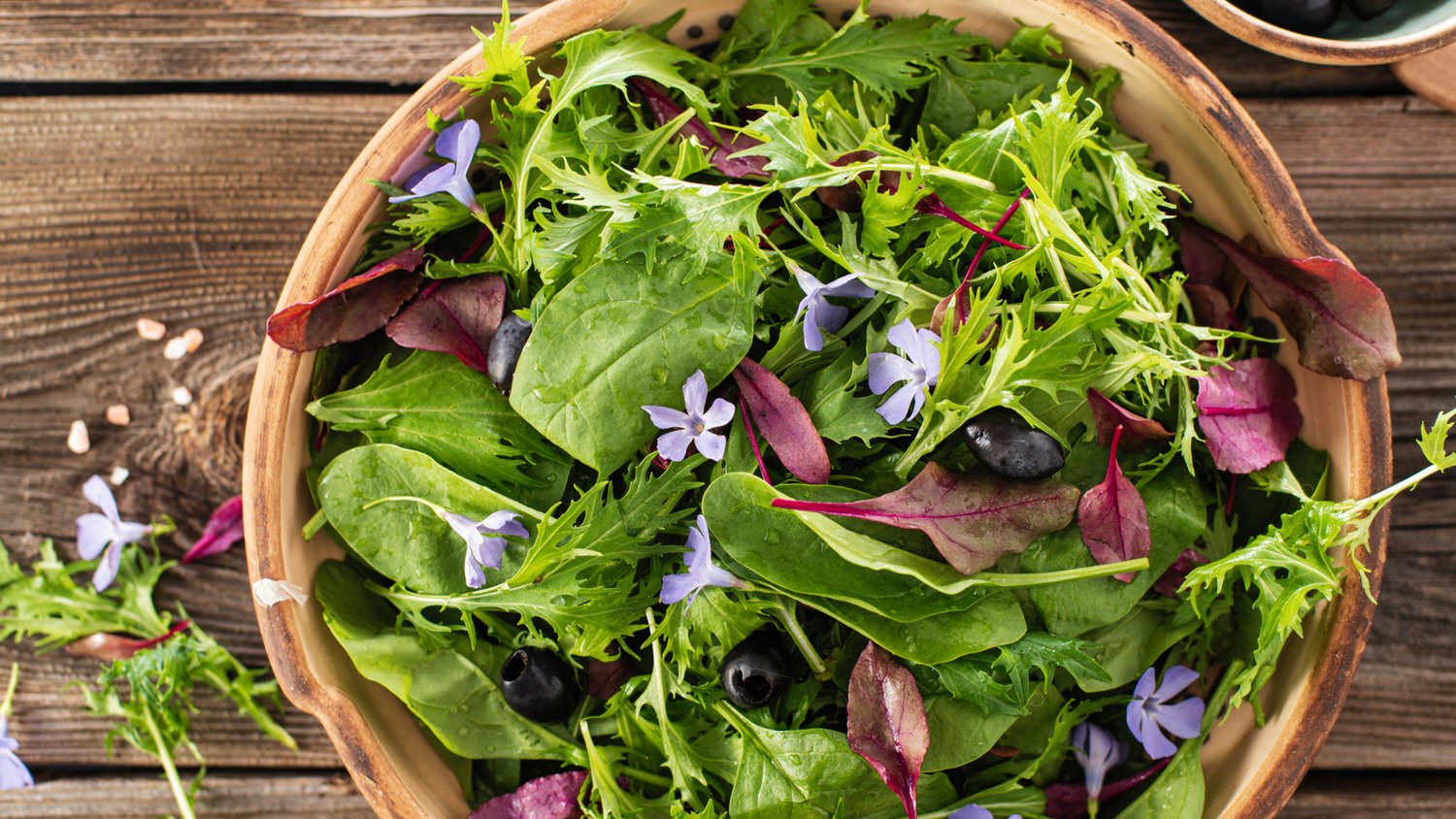
For something different, why not grow mizuna and mibuna? Mizuna is a Japanese leafy vegetable. It is used in stir fries and salads because of its distinctive peppery flavour. Mibuna is similar, but it has a mustard flavour and it works great as a side dish or as a salad.
Sow these seeds around 10-15 cm apart. The soil should be moist, and you can use mulch in order to make the growing conditions as ideal as possible. A spot with light but some shade is also preferable. Heat should not be an issue, but if September is quite warm, be on the look out for signs of bolting. Both can grow roughly 25 cm high, and mizuna can have a 45 cm spread.
Use traps or bio controls to ward off slugs and snails. Use fleece to keep beetles away.
Turnip
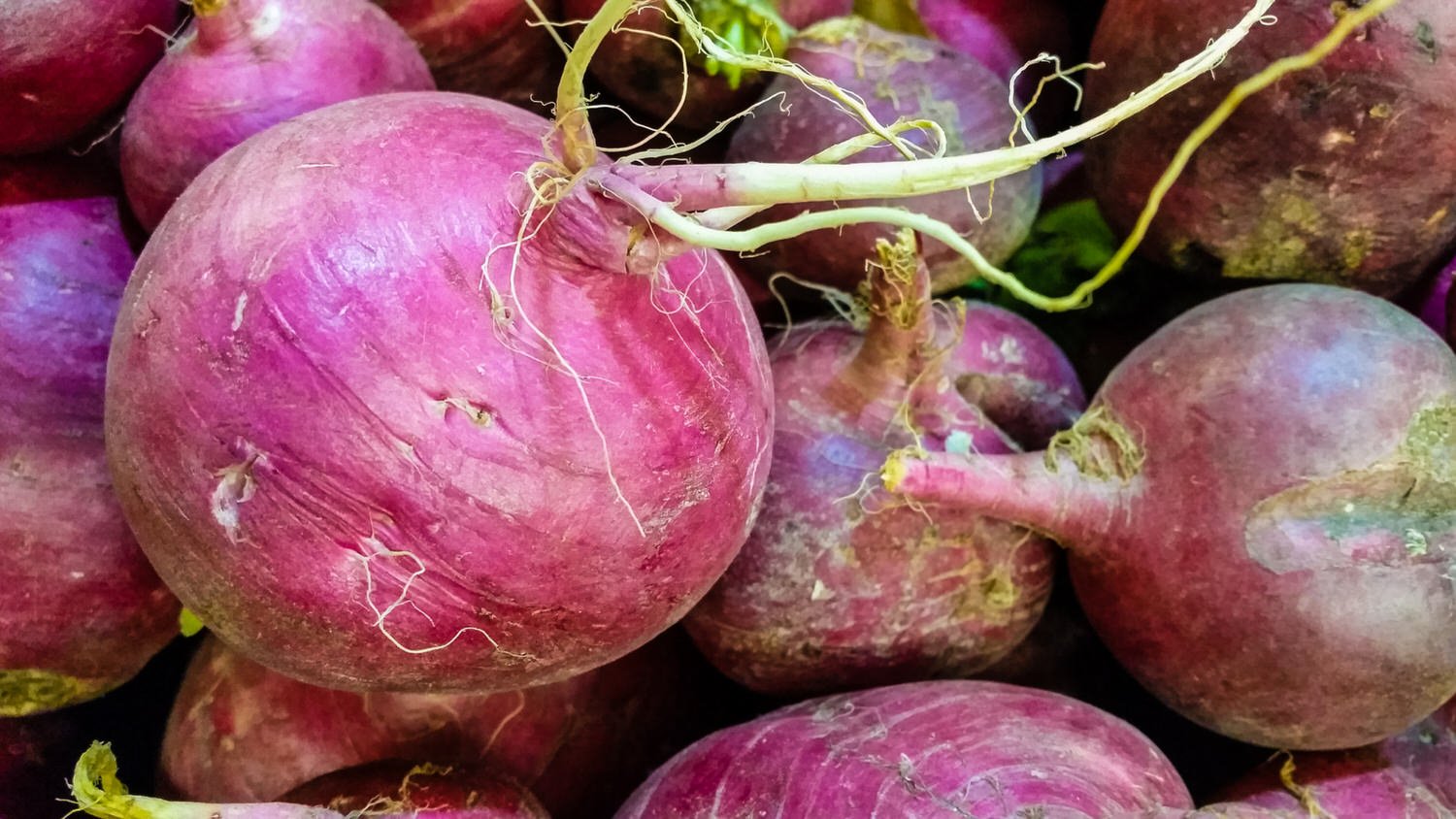
The turnip is a root vegetable, and it is a hardy biennial plant in the mustard family. It was a favourite of King Henry VIII and German writer Goethe.
Seed should be sown thinly, with rows spaced between 23 and 30 cm apart. Once the seeds are bigger, give them more room to grow. September is a colder month so you will not have to water frequently, though some watering will help the plant to grow. Finally, turnips can be harvested when they are golf ball sized, and the leaves can be eaten as greens. These leaves are known as ‘turnip tops’.
Insect-proof mesh will keep deter cabbage root fly and flea beetles. As always, keeping the seeds nice and moist will keep powdery mildew at bay.
Garlic
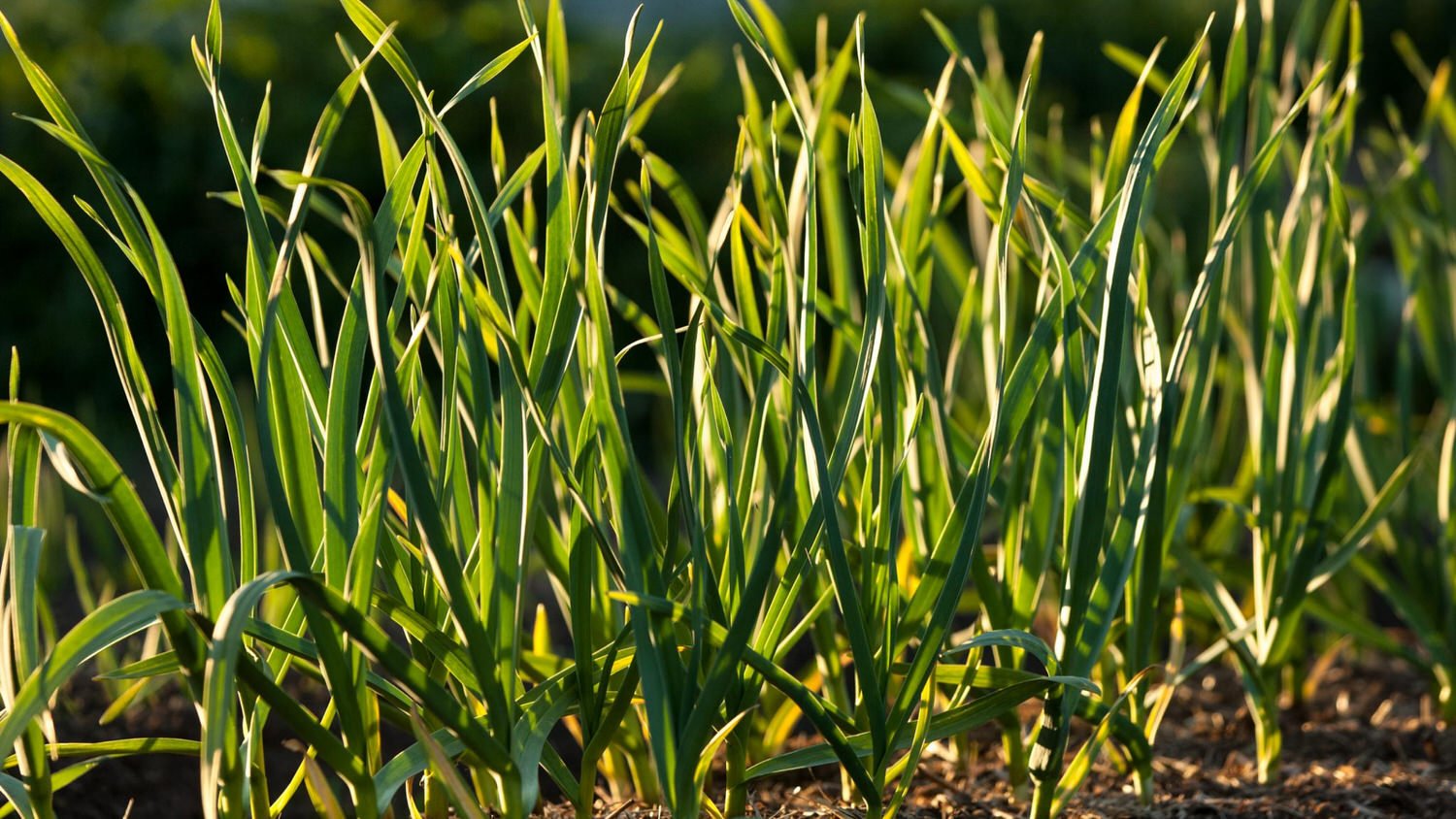
Garlic has been consumed by humans for thousands of years. In fact, it was even found in the tomb of Tutankhamun! Nowadays, it used as a seasoning or condiment in many different parts of the world.
Garlic is easy to grow and it doesn’t take up too much space. Additionally, September is a great month to grow them as garlic thrives in cold water. Plant these seeds in well-drained soil and in a sunny spot. Make sure that the place you have choses stays relatively dry during the winter. Don’t let the soil get too dry, either. Water whenever necessary. Sow the seeds 18 cm apart and 36 cm deep. As it grows, you can use the leaves in stir fries.
Remove weeds as they appear around the plant. Weeds will take vital nutrients away from your growing plant.
Broad beans and peas
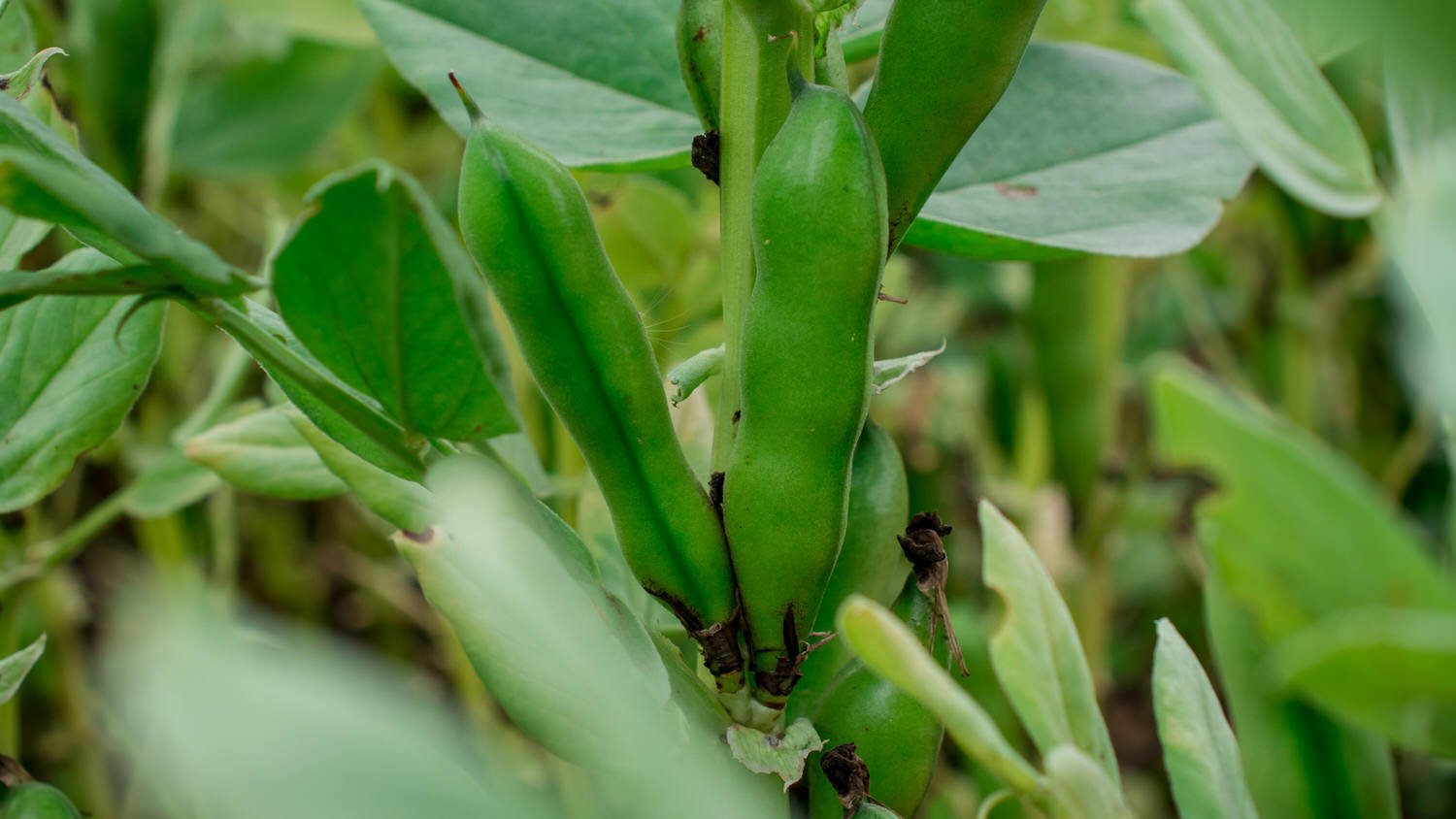
Broad beans and peas are hardy but cover them with fleece from September onwards. For broad beans, try ‘Aquadulce’ or ‘Claudia’. ‘Feltham First’ is a good pea variety for this time of year.
Sow these seeds directly into well-drained soil. They can be sown 5-8 cm deep and 15-23 cm apart. Remove weeds as soon as they appear. Water every two weeks and stalk any cultivars that grow quite tall.
A blast of water from a hose will keep small aphid attacks under control. Use fleece to ward off pea and bean weevils, who cause notches on leaves. Good ventilation will prevent fungal problems, and traps will catch any hungry mice that want to nibble on your delicious plants.
Radish
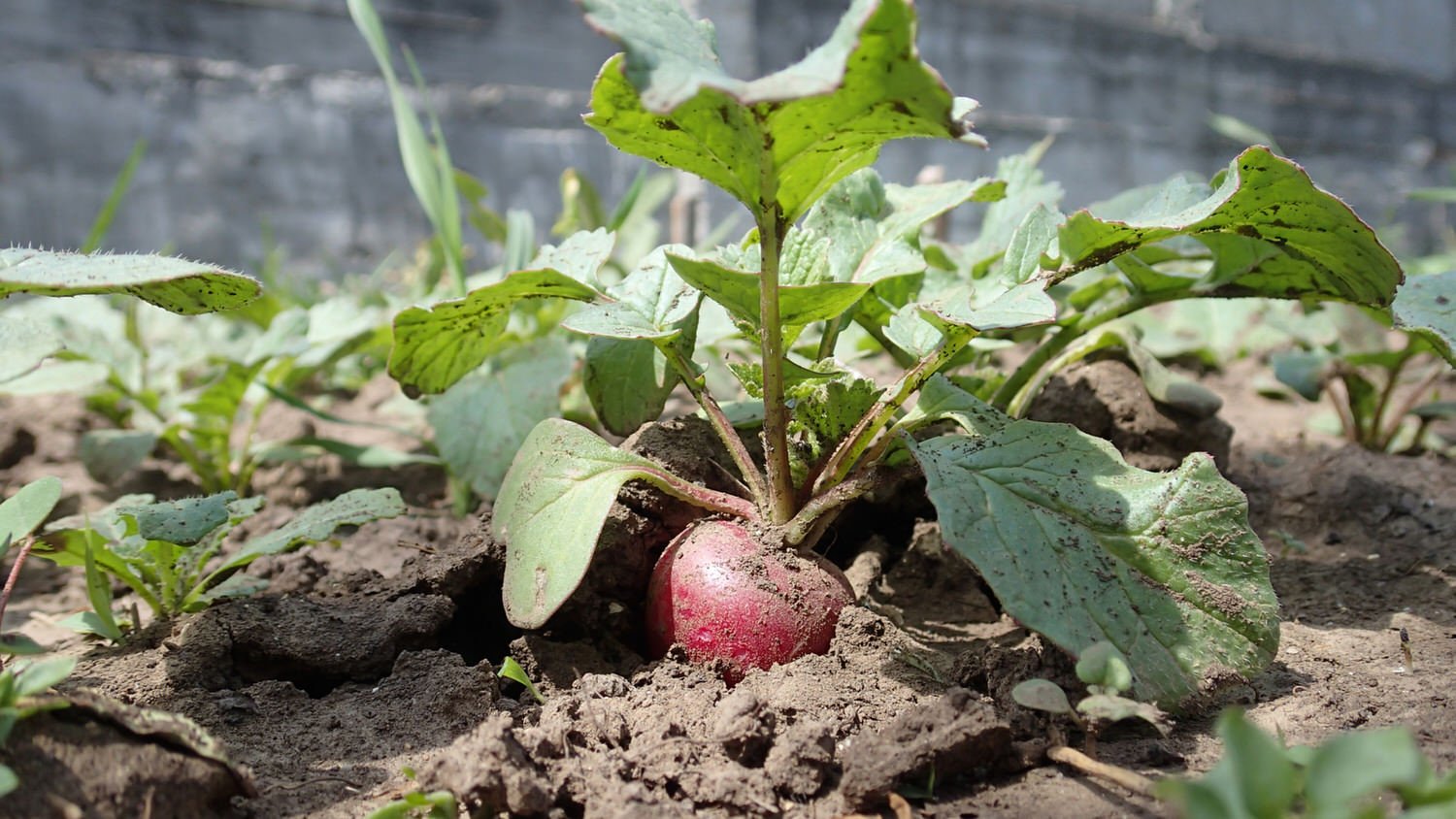
Like garlic, radishes have been around for a large part of our history. It’s pretty easy to grow, so novice gardeners like sowing these seeds. The fact that they are ready to harvest in a month is another definite plus point.
The ‘Mooli’ variety is perfect for winter. If you are sowing just one row, then you can space the radish seeds 23 cm apart. If you are planting more than one row, then 15 cm apart will be sufficient. This means you won’t have to spend time thinning them later. For fast growth, keep the soil moist.
Radishes can be attacked by beetles, midges, maggots, and the cabbage root fly. Use some type pf covering to protect the plant from these pests, who all eat and damage the plant in some way. On the flip side, radishes can be used as a companion plant because its pungent smell deters aphids and ants. It can grow well with lots of different plants.
Want to get fresh herb and plant seeds delivered monthly?
Planning a garden all year round and sourcing seeds from all over the world is hard work, especially if you want to keep your garden interesting year after year.
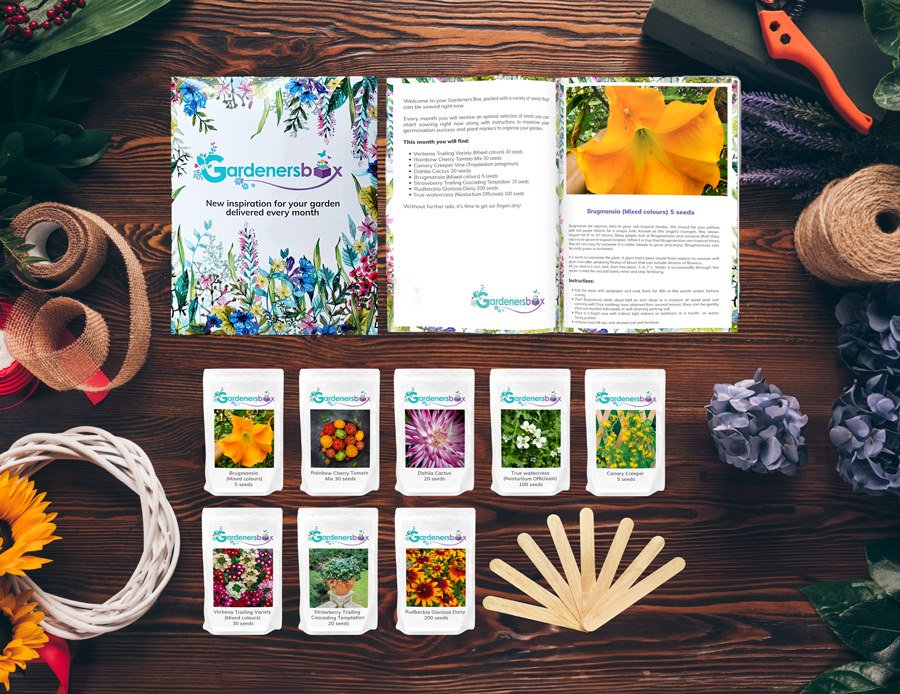
That’s why we created Gardeners Box, each month, receive the hand-curated seeds we recommend sowing right now to brighten your garden, along with detailed instructions, and plant markers all starting from just £9.99. Click here to find out more.