Flowers & Plants Planting Calendar
Flower & plant seeds to sow in September – Sowing Guide

Sep
If you want some nice annuals, or even a perennial, next spring or summer, then September is a great time to sow. Autumn sowing is generally quite easy, and it leads to more robust plants.
Let’s jump right in.
Grow these seeds in September
The choices below give you many different options for your garden.
English Marigold
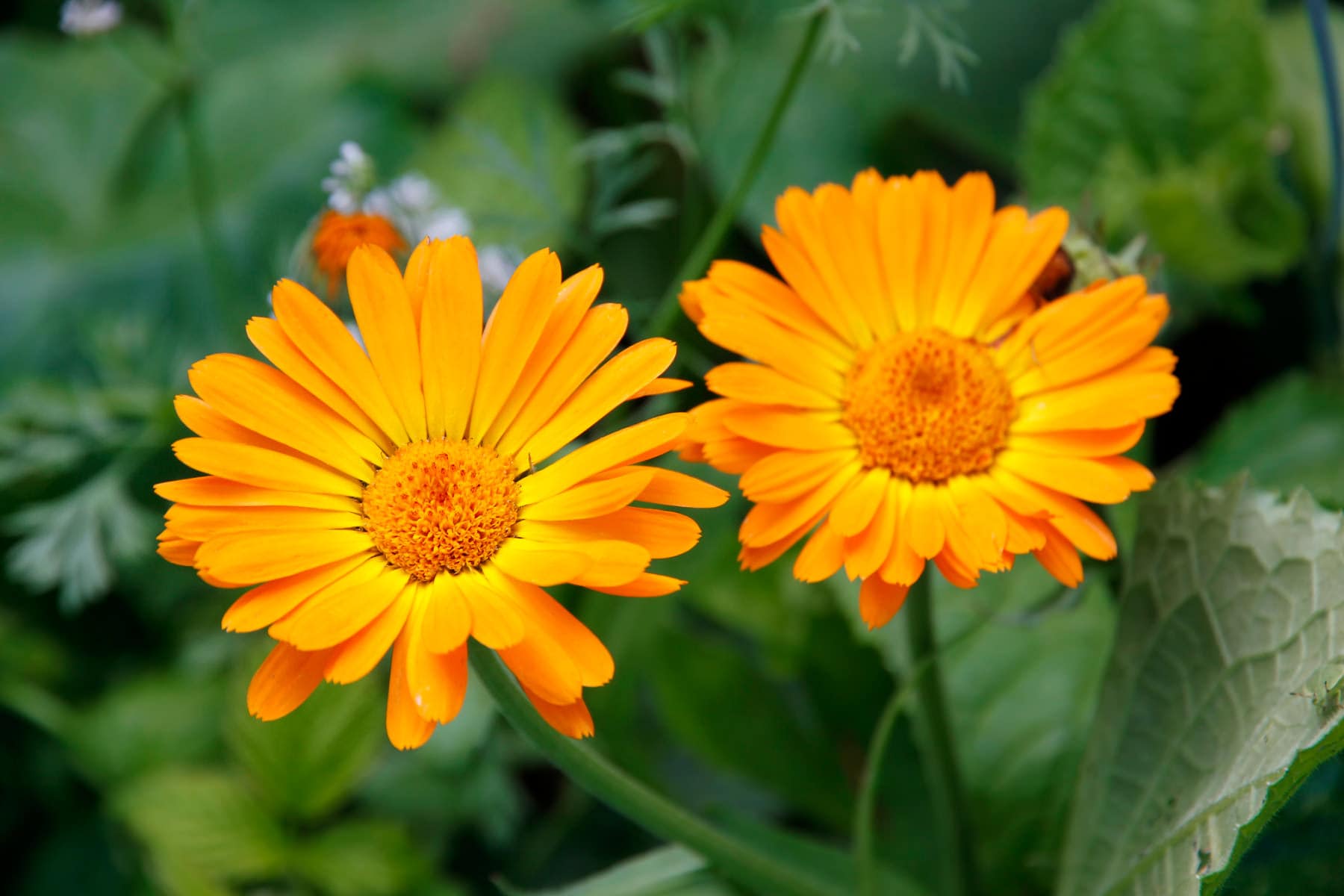
This hardy annual comes with deeply orange petals. It’s quite easy to grow, and it can be cut for splendid indoor displays.
Sow the seeds in full sun or in partial shade, in well-drained soil. The soil can be light and moist, and the seeds will even tolerate poor soils. It can grow to a height of 75 cm, and it has a spread of 45 cm. Deadhead regularly for a better bloom. Other than that, the plant is quite low maintenance.
Growing them next to tomatoes is a good idea – the flower helps deter common tomato pests. It can even drive aphids away, so it is a useful addition to your garden.
Love-in-a-mist

This wonderfully named flower is ideal for cottage gardens, and it works as a cut flower for displays, too. Even its dried seed heads are nice to look at!
Scatter nigella can grow almost anywhere, from seed beds to gaps and cracks. It prefers full sun and well-drained soil, though it will tolerate partial shade, and it can grow 38-45 cm in height. You can use fertilizer when planting, and then once a month after the seeds have been sown. Water once or twice a week. Germination should happen in 7-14 days, and when leaves appear, thin seedlings to that they are 15-22 inches away from each other.
It is unlikely that any pests will attack this alluring flower.
Cornflower
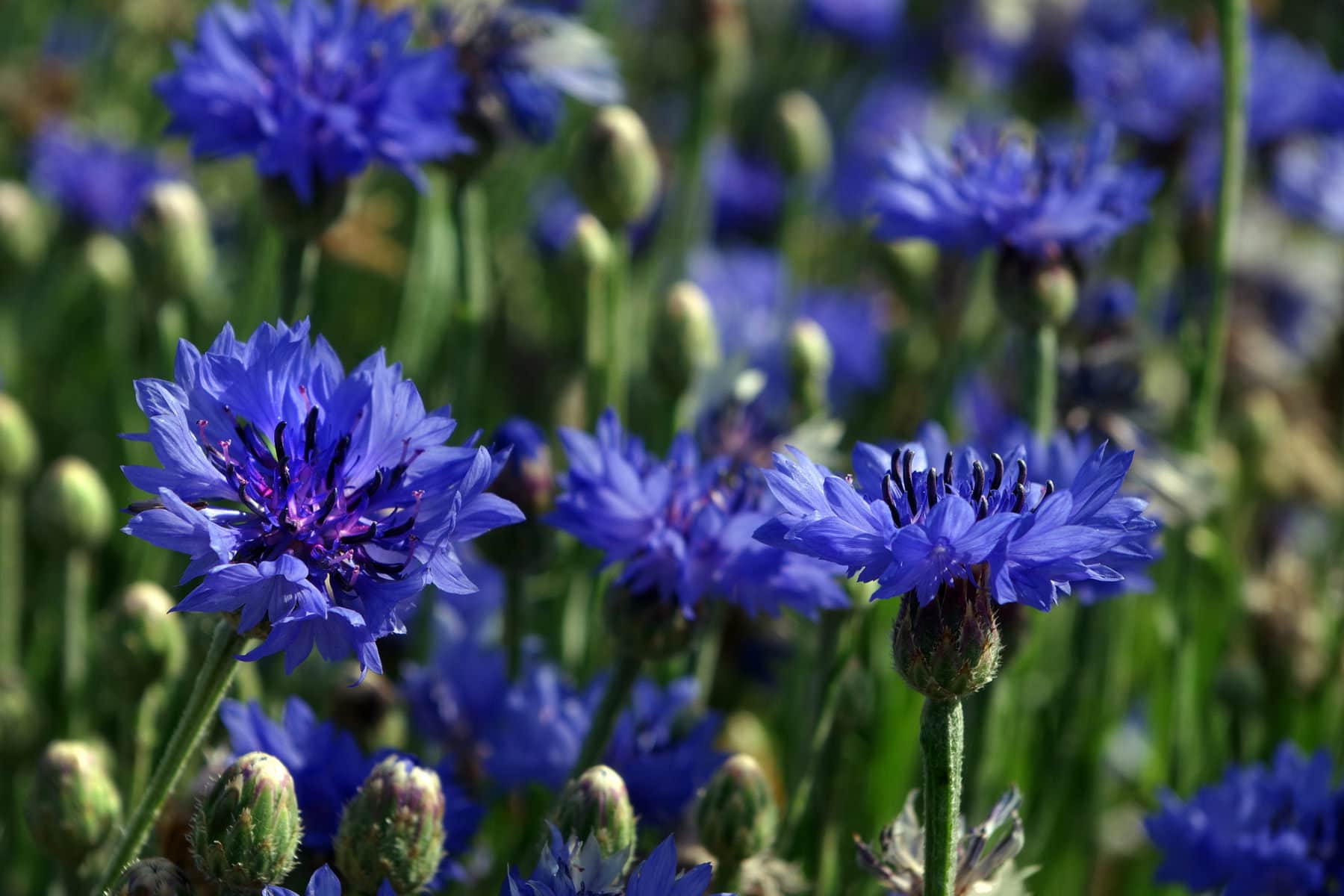
Sowing these seeds in September means they will flower early next year. These annuals are usually blue, but they can come in other colours, such as red, pink, white, and dark purple. They make excellent cut flowers because they are so beautiful.
These flowers love to grow in well-drained soil under the sun. After removing weeds and debris from the soil, sow the seeds 12 mm deep, in rows spaced 30 cm apart. If the plants get crowded, simply space the plants out at intervals that allow for unimpeded growth.
California Poppies
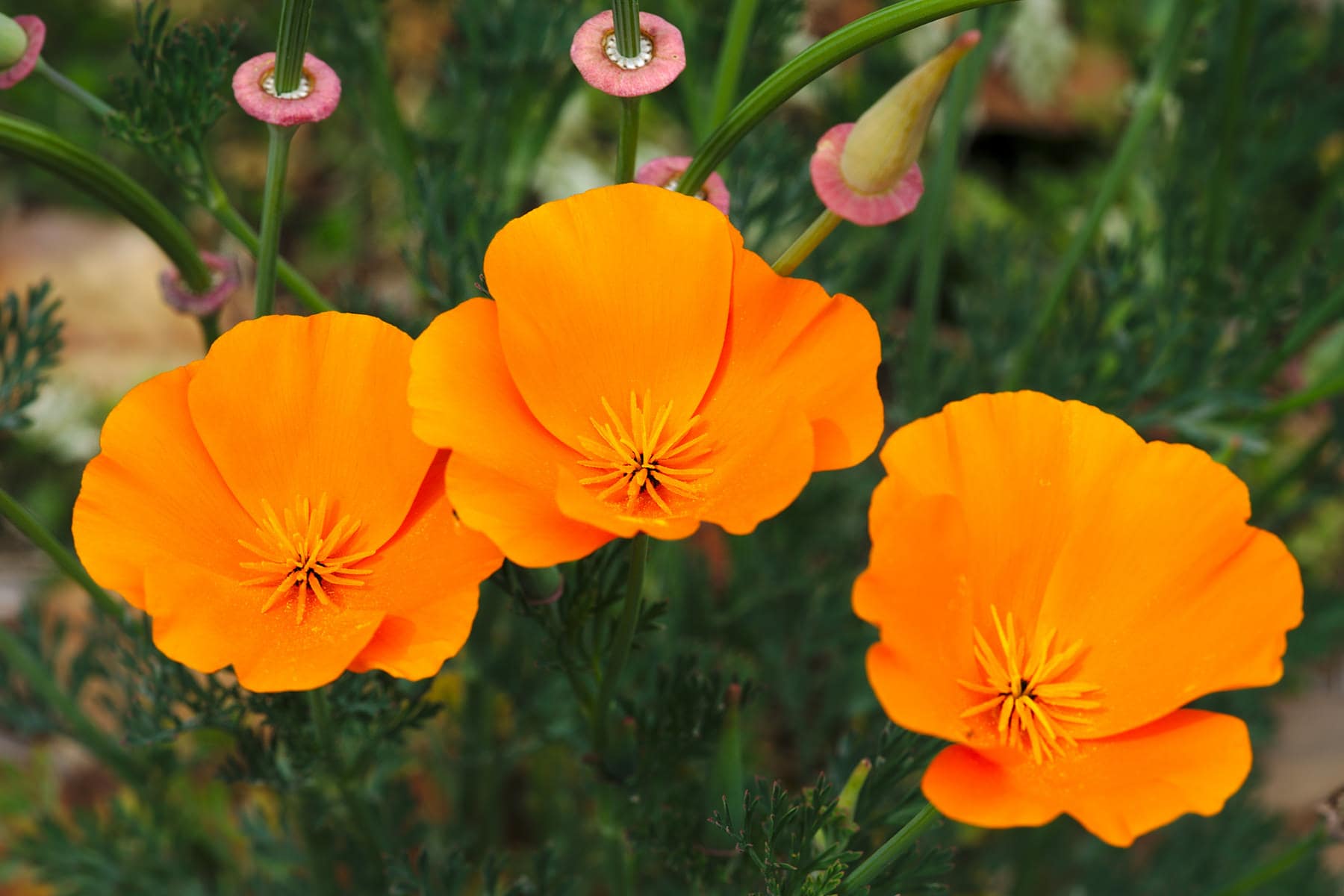
This hardy flower is the state flower of California, and it comes in yellow, red, pink, and white. The flower self-seeds often, so once they are sown, they can be enjoyed again and again.
You will need a bamboo cane for this, so press it into moist soil to make a drill. This should be done in a sunny site, and rows can be 15 cm apart. Scatter seeds lightly across the drill before covering with 0.5 cm of soil. Water well until the seeds are established.
Ladybirds are a friend to this flower – they are a natural predator of aphids that like to attack California Poppies. You can spray the infected part if the plant to remove the aphid colony.
Nemesia
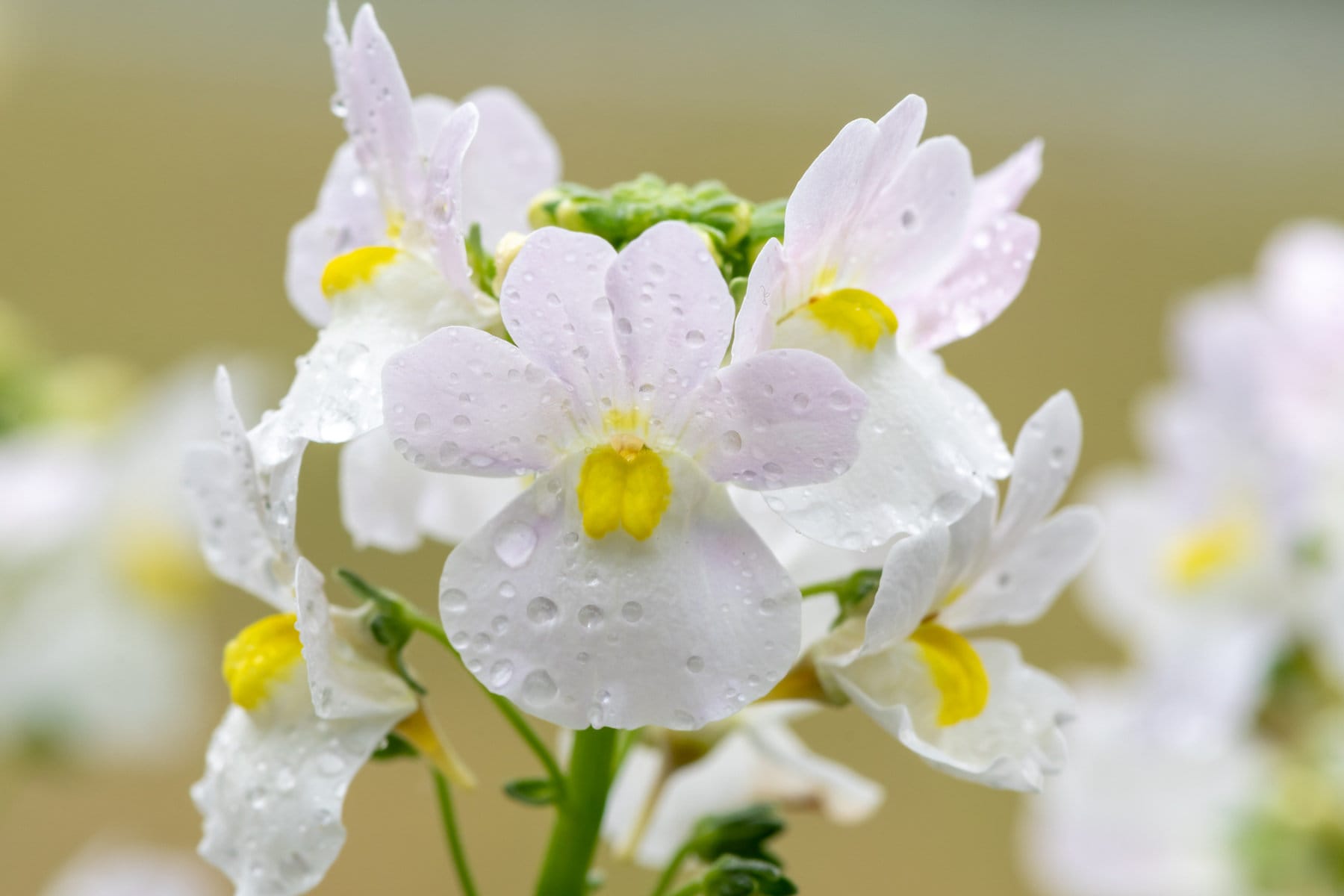
Nemesia is a half-hardy plant, and it offers gorgeous shades of white and purple. The look great along borders or in flower beds.
These seeds are best sown in moist, well-drained soil. The PH level is unimportant as the plant will grow in neutral, acidic, or alkaline soils, especially if it is sown in a sunny spot or under partial shade. For a bushier plant, pinch out the growing tips, and use slow-release fertilizer for optimal growth.
Queen Anne’s Lace
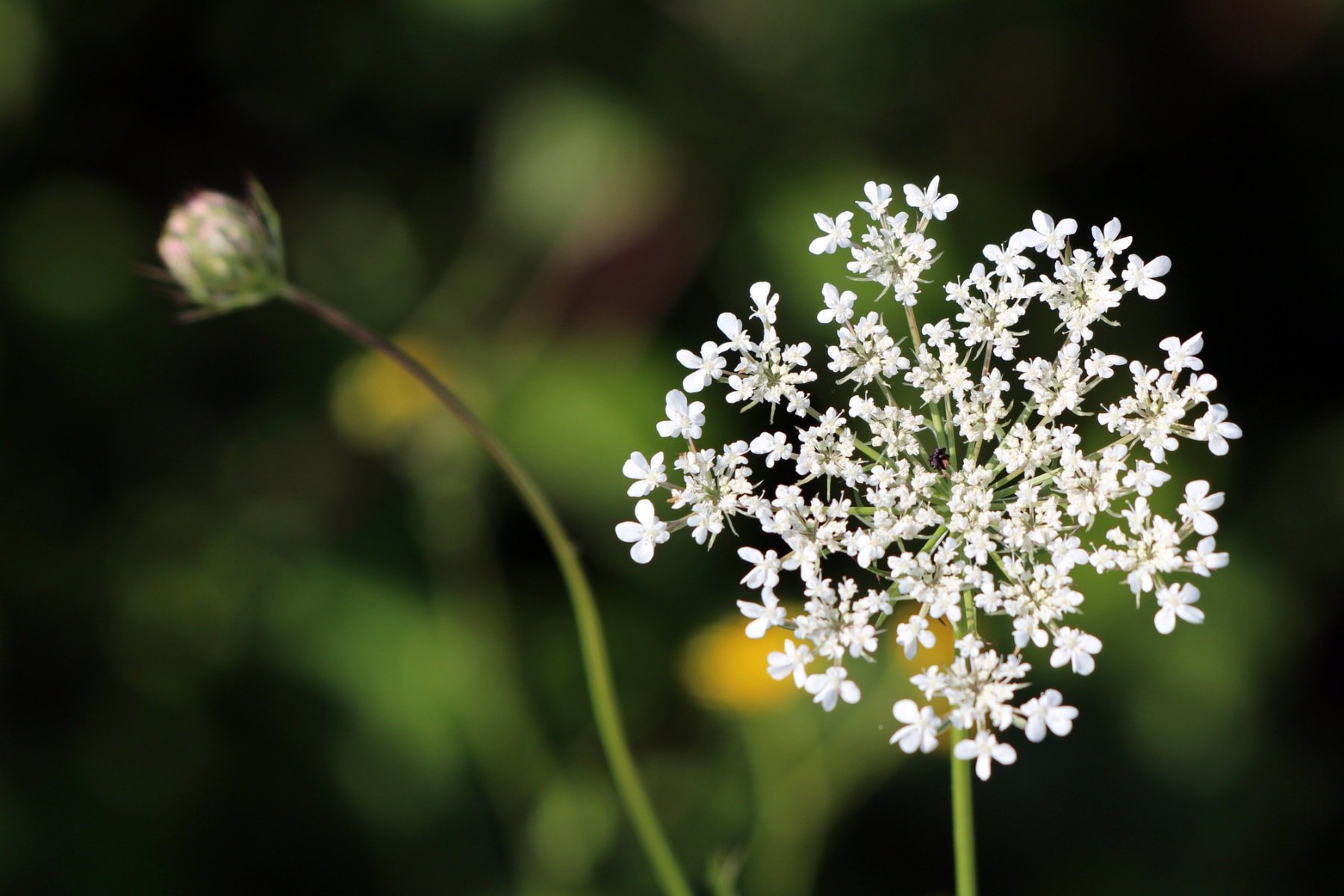
Wild carrot is a hardy biennial that is colloquially known as ‘Bishop’s Weed’ and ‘Queen Anne’s lace’. The latter name arose because the plant has gorgeously light, frothy petals and its single red flower. According to legend, Queen Anne pricked her finger, and her blood forever stained the central flower.
Wild carrot seeds can be sown thinly and covered lightly with soil. It can grow in limey, well-drained and even infertile soil. In your garden, it can be a good idea to grow them around edges and borders as the disturbed soil will maximize their growing potential. It can grow 100 cm high and 50 cm wide. Remember to sow the seeds in full sun or partial shade. It looks great in the middle of a border, and it attracts bees and beneficial insects to your garden.
Try growing ‘Dara’ or ‘Black Knight’ in your garden.
Red Hot Pokers
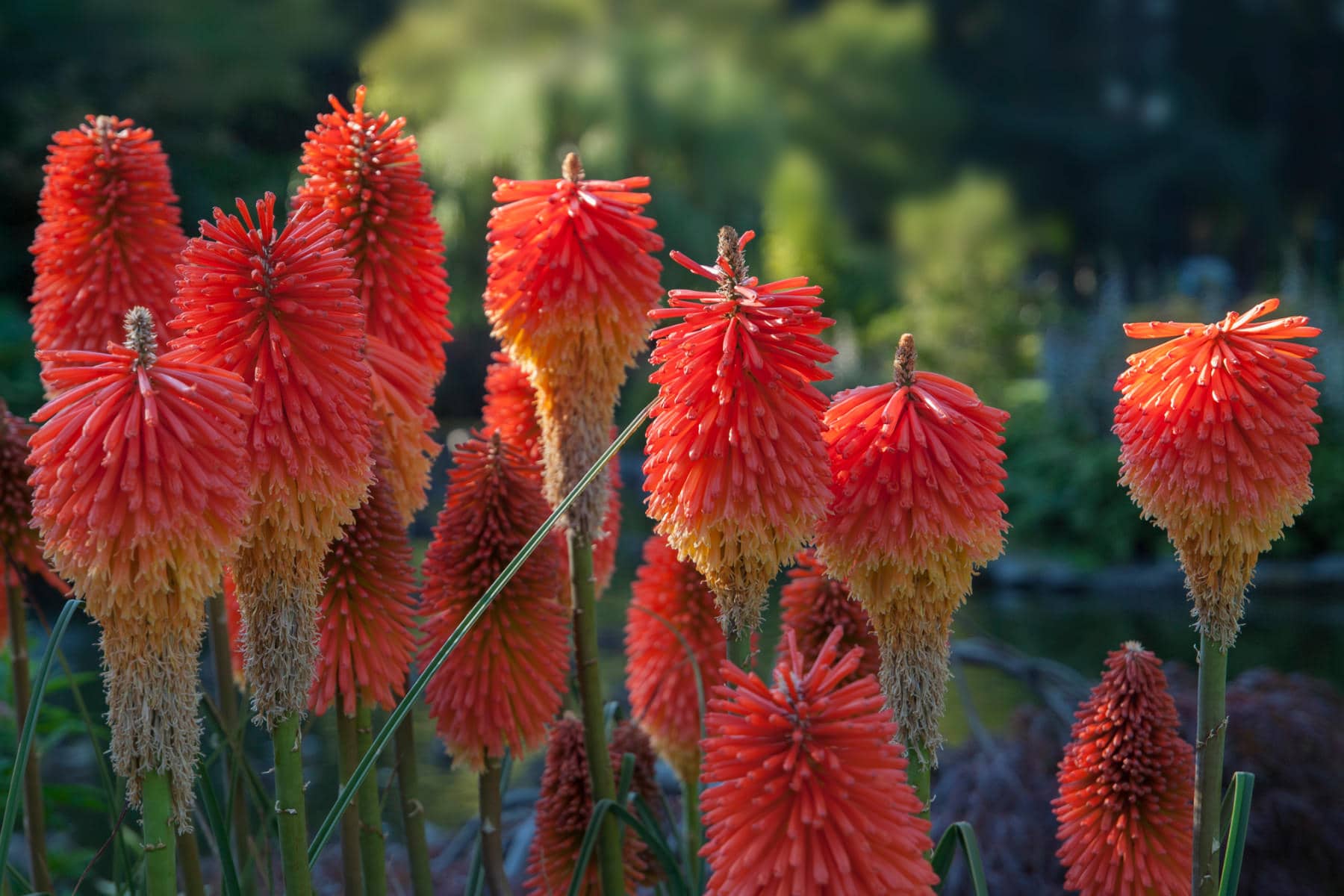
Also known as torch lilies, this plant is really easy for novice gardeners. Their eye-catching sword-like leaves attract birds and bees into your garden, which is great is you want to add some life into it.
Red hot pokers need a lot of space to grow, and they will also enjoy September’s heat. It can be planted into any kind of soil, but it needs good drainage to grow. Use mulch if necessary. It is hardy and drought resistant, but it needs water to reach its full growth potential. To encourage more blooms, cut off any dead part of the plant.
Crocus

This perennial plant comes in a wide range of colours, though the most common colours are lilac, mauve, white, and yellow. Its beauty has been captured in different paintings across the centuries, and they make for wonderful borders. Try ‘Violet Queen’ or ‘Jeanne d’Arc’.
Crocus seeds are best grown in a spot that attracts a lot of sun, but partial shade is also fine. Sow the seeds in well-drained soil, around 7.5 cm deep and 10 cm apart. If you are lacking space, crocus can be grown in posts, but you will need to add grit for proper drainage.
Fortunately, this plant is free from pests. Squirrels have a fondness for it, but they are unlikely to be a problem.
A garden in full bloom
So, cultivating a colourful space is easy with these seeds and this guide. Experiment a little and see what best suits your garden, and you can mix and match annuals and perennials.
Have fun!
Want to get fresh herb and plant seeds delivered monthly?
Planning a garden all year round and sourcing seeds from all over the world is hard work, especially if you want to keep your garden interesting year after year.
That’s why we created Gardeners Box, each month, receive the hand-curated seeds we recommend sowing right now to brighten your garden, along with detailed instructions, and plant markers all starting from just £9.99. Click here to find out more.