-
×
 Monthly Plan (Outdoor Garden) 1 × $14.16 / month
 -
×
Yearly Plan (Outdoor Garden) 1 × $125.00 / year
-
×
One Year Gift Plan (Outdoor Garden) 1 × $125.00
 Monthly Plan (Outdoor Garden)
 Flowers & Plants Planting Calendar
Flower & plant seeds to sow in December – Sowing Guide

04
Dec
Dec
December can be a good time for sowing and planting in the UK as it offers a head start before the spring, helps maintain soil structure and nutrients, and can result in a longer growing season.
While some seeds can be sown directly in the ground, others will benefit from being started indoors in a heated propagator. Not only will this give you a head start before spring arrives, but it can also result in earlier harvests and extended growing seasons.
In December, it’s important to keep in mind the shorter daylight hours when growing seedlings indoors. To ensure your seedlings receive enough light, consider using a grow lamp. This will help them avoid becoming leggy and promote strong growth. By using a heated propagator, you can even sow crops that may not be possible otherwise, such as chillies and aubergines.
In addition to the benefits for your garden, sowing and planting in December can also help prevent soil erosion and maintain soil nutrients, as the young plants will help hold the soil together. So don’t hesitate, get ahead of the game and sow those seeds!
Plant varieties to sow in December
Lettuce

Lettuce is a versatile and nutritious leafy green that can be enjoyed raw. It is a great addition to salads, sandwiches, and other dishes. In the UK, December can be a good time to start planting lettuce indoors or in a cold greenhouse, as it is a cool-season crop that grows well in cooler temperatures. Winter Gem is a great variety for colder months.
To plant lettuce in the UK in December, first choose a location that receives partial shade and has well-drained soil. Prepare the soil by removing any weeds and ensuring it is loose and friable. Next, sow the lettuce seeds about 1/4 inch deep and 1 inch apart. Keep the soil consistently moist and be sure to water the seeds if the weather is dry.
In a few weeks, the lettuce seeds will sprout and grow into seedlings. Thin the seedlings to about 6 inches apart, allowing them enough room to grow.
Ivy

Ivy is a common name used to refer to several species of climbing or trailing evergreen plants from the genus Hedera. Ivy is native to Europe, Asia, and North Africa, and is widely cultivated as an ornamental plant.
Ivy is known for its distinctive glossy green leaves and its ability to climb and cling to surfaces, making it a popular choice for covering walls, fences, and trellises. Some species of ivy are also used in indoor décor, as they are able to thrive in low-light conditions.
In addition to its ornamental value, ivy is also valued for its air-purifying abilities, as it has been shown to effectively remove pollutants from the air. However, it is important to be mindful when planting ivy, as it can become invasive and take over surrounding vegetation if not properly managed.
Hardy cyclamens
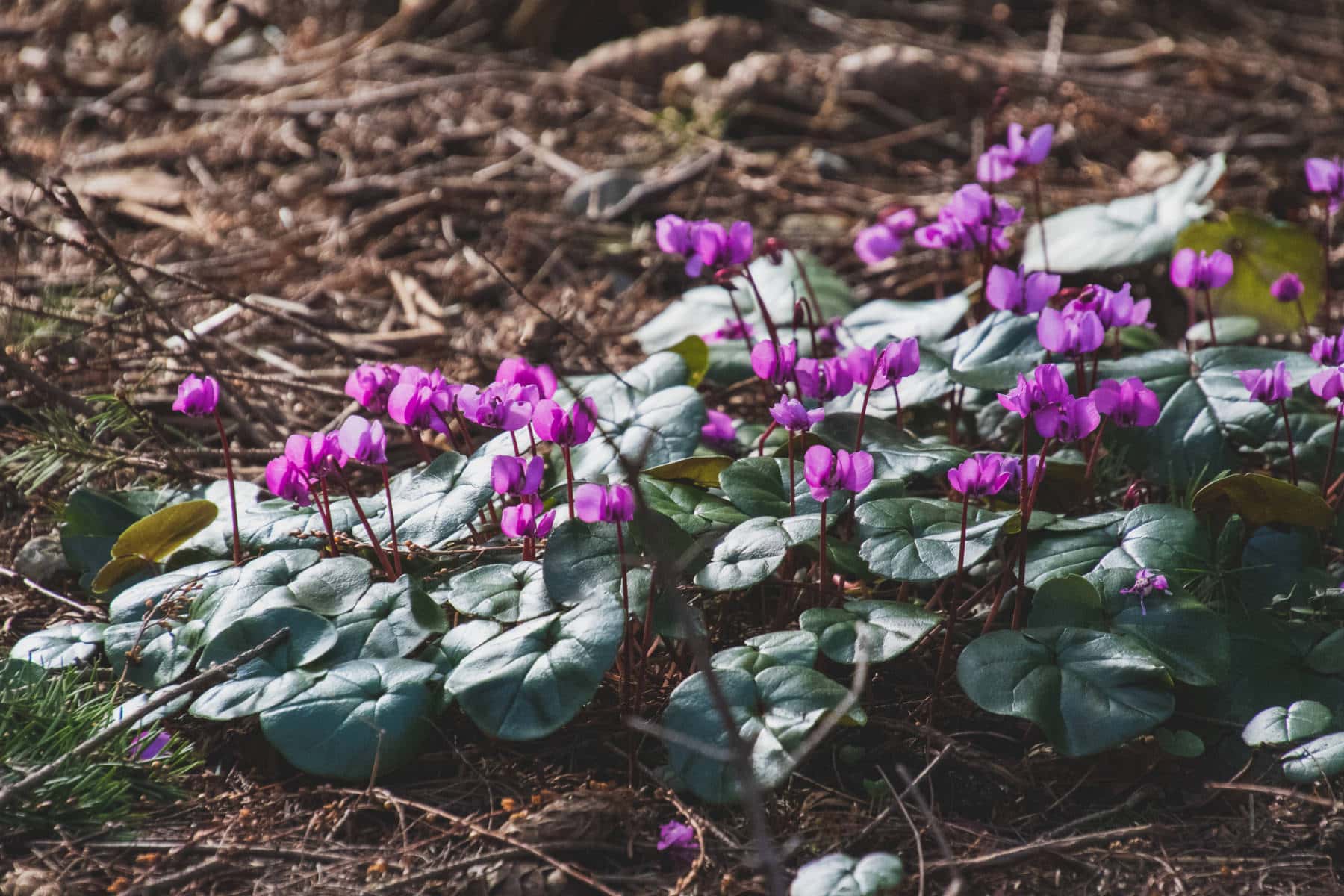
Hardy cyclamens are native to Europe and are known for their distinctive heart-shaped leaves and delicate, nodding flowers that bloom in shades of pink, red, and white. Hardy cyclamens are hardy plants that can tolerate cold temperatures and are able to survive winter outdoors in temperate climates.
These plants are popular for their attractive flowers and foliage, and are often grown in gardens and as indoor plants. Hardy cyclamens are easy to grow and care for, and prefer well-drained soil in partial shade. They are also relatively low-maintenance, and are ideal for gardeners who are looking for a hardy and attractive plant that is easy to grow.
Growing Hardy cyclamens indoors can be a great way to enjoy their beautiful flowers and attractive foliage throughout the year. To grow Hardy cyclamens indoors, choose a pot that is large enough to accommodate the roots of the plant and has adequate drainage holes to prevent water from standing in the soil. Fill the pot with a well-draining potting mix that is specifically formulated for indoor plants.
Place the pot near a north or east-facing window to ensure that the plant gets enough bright, indirect light. Hardy cyclamens prefer temperatures between 10-15°C (50-59°F) and should be kept away from hot or cold drafts. Water your Hardy cyclamen when the top inch of soil feels dry to the touch, but be careful not to overwater, as this can lead to root rot. Fertilize your Hardy cyclamen every 4-6 weeks during the growing season to promote healthy growth.
Lamb’s lettuce
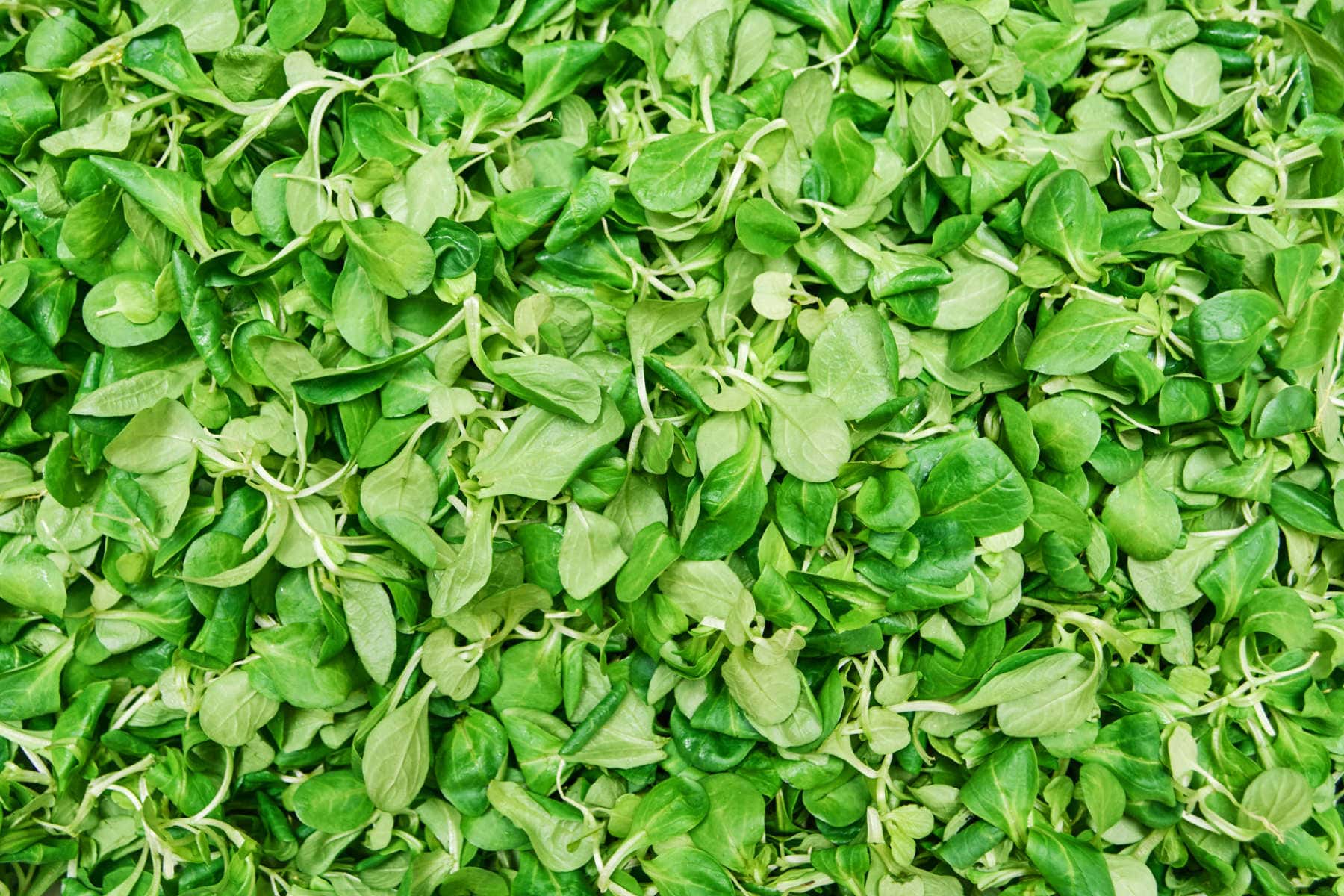
Lamb’s lettuce, also known as mâche or corn salad, is a delicate and flavorful green leafy vegetable. It is commonly used in salads and is prized for its sweet, nutty flavor and tender texture. Lamb’s lettuce is native to Europe and is typically grown in the cool temperatures of fall and winter. The leaves are small, round, and have a soft and tender texture, making them a perfect addition to salads and other dishes. Lamb’s lettuce is a good source of vitamins and minerals, including vitamins A and C, potassium, and iron. It is also low in calories and high in fiber, making it a nutritious and delicious addition to any meal.
To plant Lamb’s lettuce in the UK in December, start by choosing a location indoor or in an unheated greenhouse with well-drained soil and partial shade. Prepare the soil by removing any weeds and ensuring it is loose and friable. Sow the seeds about 1/4 inch deep and 1 inch apart. Keep the soil consistently moist, and be sure to water the seeds if the weather is dry.
In a few weeks, the Lamb’s lettuce seeds will sprout and grow into seedlings. Thin the seedlings to about 6 inches apart, allowing them enough room to grow.
Mustard greens
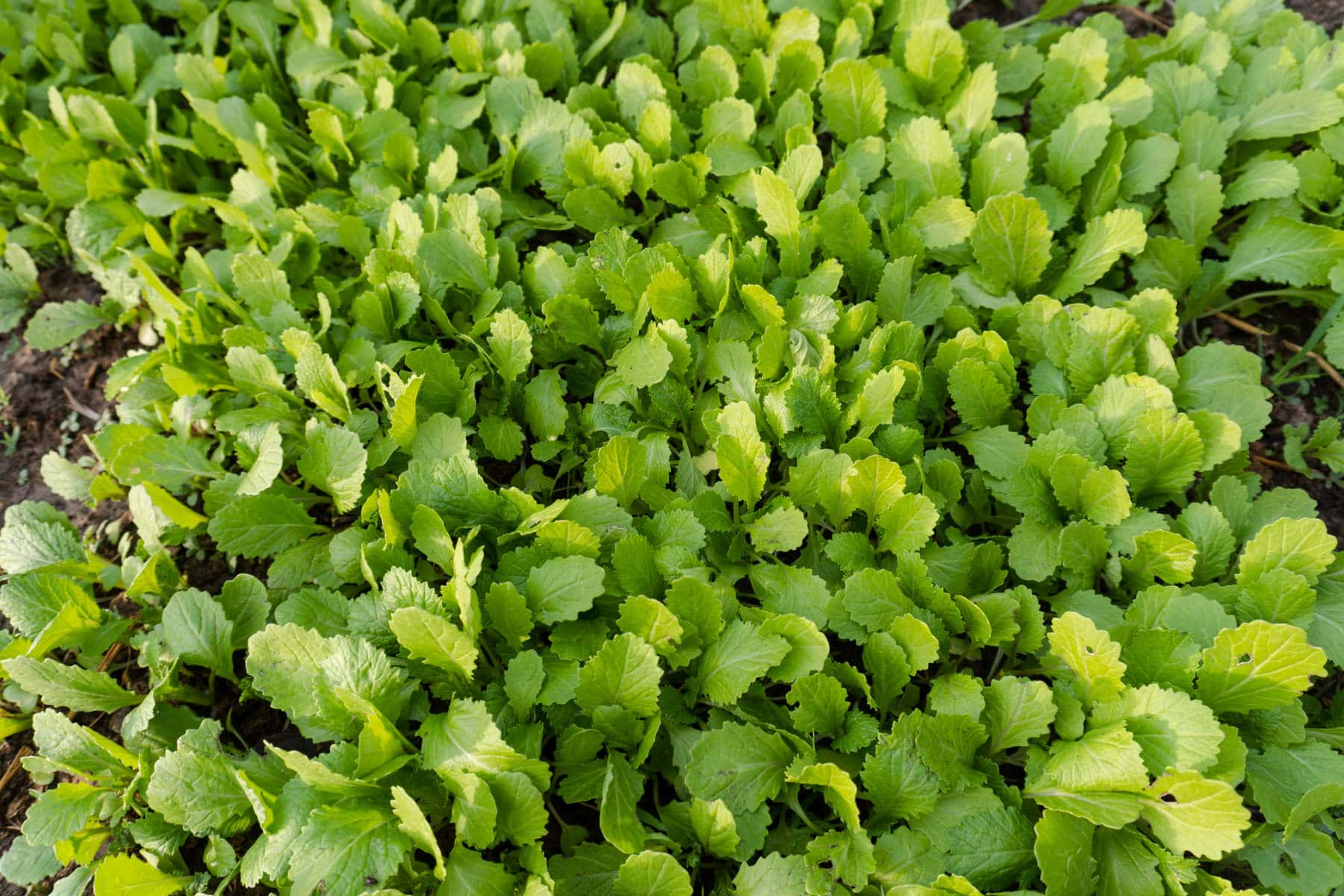
Mustard greens are a type of leafy green vegetable that belong to the mustard plant family. They have a tangy, slightly bitter flavor and are commonly used in a variety of dishes, such as soups, salads, and stir-fries. Mustard greens are a nutritious vegetable that is high in vitamins A and C, as well as fiber and other important nutrients. They can be eaten raw or cooked, and are often used in dishes in southern and soul food cuisine. The leaves can be harvested young for use in salads, or left to mature for use in cooked dishes.
Sowing mustard greens in the greenhouse or on the windowsill can result in a winter crop if the temperatures stay mild. If the greens enter dormancy, they will start growing again once temperatures rise. These young salad leaves can add a burst of flavor to dishes such as soups, salads, and stir-fries.
Laurentia
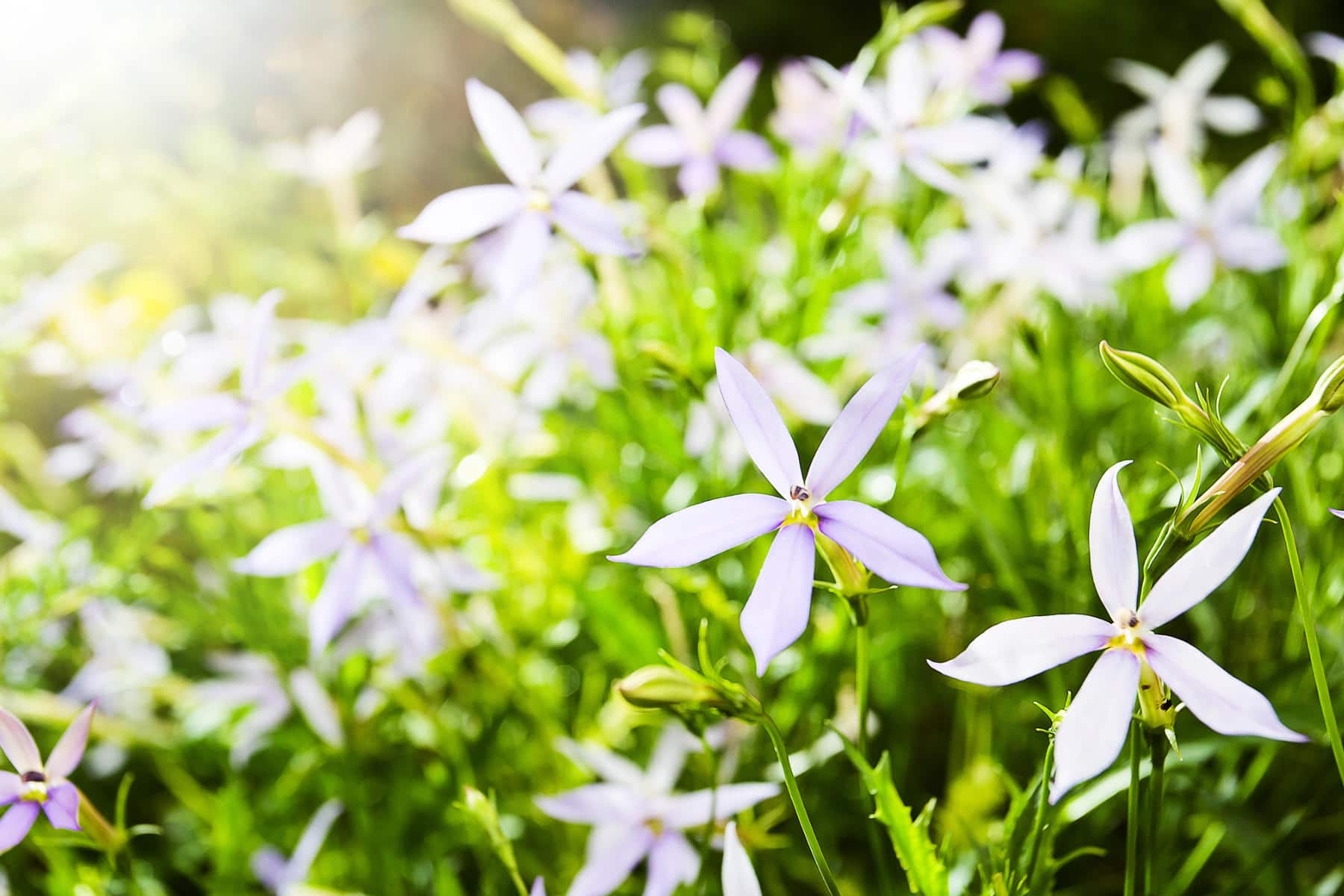
Laurentia is a popular and attractive flowering plant that is prized for its blue star-shaped flowers and ease of care.
Laurentia is a bushy, semi-hardy annual plant that produces star-shaped, fragrant flowers. To grow Laurentia, the seeds can be sown indoors during the winter, in a well-lit location. Using a heated propagator will assist in warming the soil, promoting successful seed germination.
Microgreens
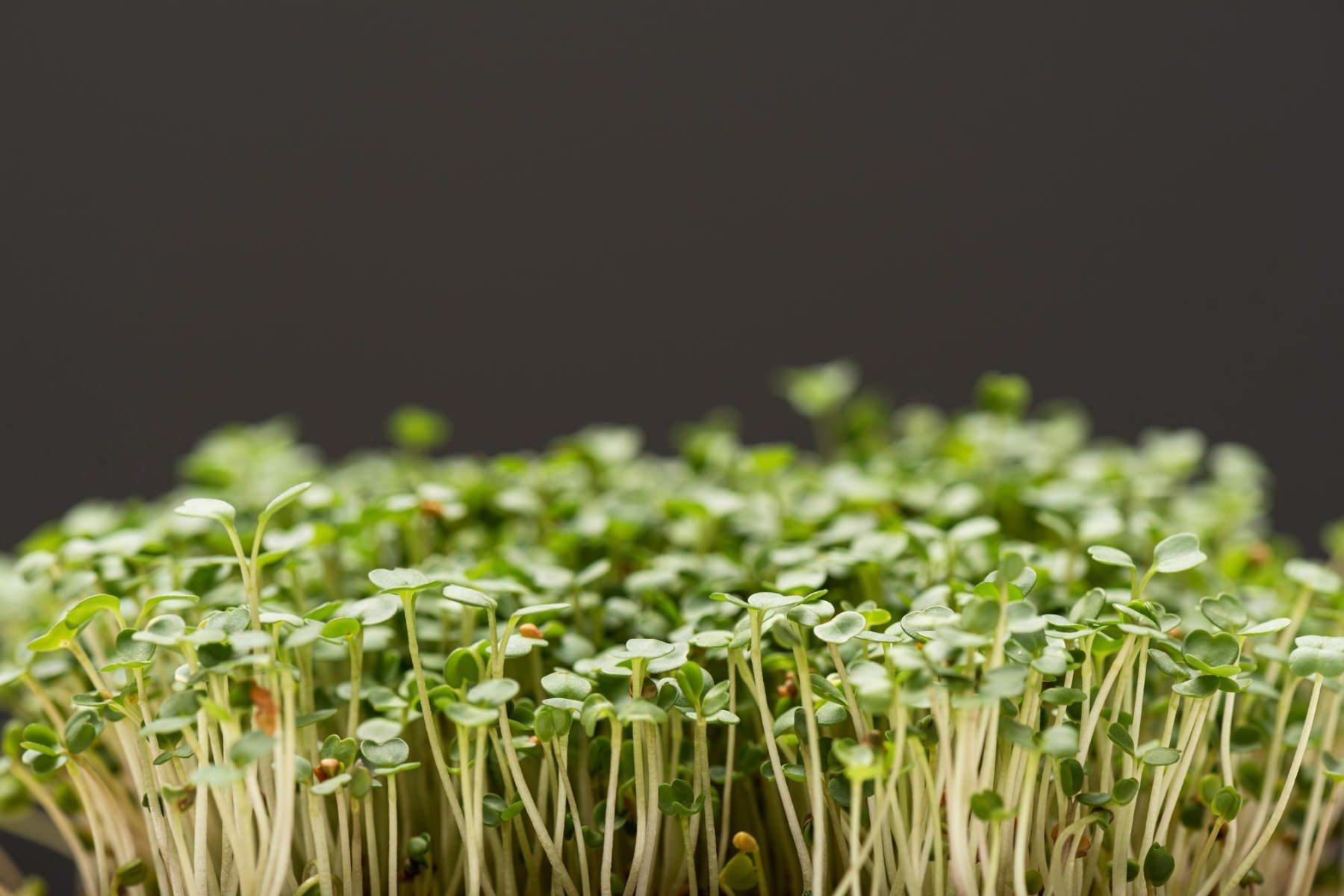
Microgreens are young seedlings of edible plants that are grown specifically for their tender leaves and stems. They are typically harvested just a few days after sprouting and are used as a fresh and flavorful ingredient in a variety of dishes. Microgreens can be grown from a wide range of plants, including vegetables, herbs, and flowers, and are prized for their intense flavor, delicate texture, and vibrant colors.
Microgreens are typically much smaller than baby greens, but they pack a much larger flavor punch. They are often used in gourmet cooking as a garnish or to add flavor and nutrition to dishes, and they can be grown easily and inexpensively in a kitchen or on a windowsill. In conclusion, microgreens are a versatile and nutritious ingredient that are gaining popularity for their intense flavor and vibrant colors.
Growing microgreens indoors is a simple and rewarding process that can be done year-round. To get started fill a shallow container with a light and well-draining soil mix, and sprinkle the seeds evenly over the surface. Cover the seeds with a light layer of soil and mist them with water. Place the container in a warm, bright location, and keep the soil moist but not too wet.
In just a few days, the seeds will sprout and begin to grow, and you can start harvesting the microgreens when they are about 1-2 inches tall. To harvest, simply snip the greens just above the soil line with scissors, leaving the roots behind so that the plant can regrow. Enjoy your microgreens as a fresh and flavorful addition to salads, sandwiches, smoothies, or as a garnish for soups, stews, or other dishes.
Want to get fresh herb and plant seeds delivered monthly?
Planning a garden all year round and sourcing seeds from all over the world is hard work, especially if you want to keep your garden interesting year after year.
That’s why we created Gardeners Box, each month, receive the hand-curated seeds we recommend sowing right now to brighten your garden, along with detailed instructions, and plant markers all starting from just £9.99. Click here to find out more.