Flowers & Plants Planting Calendar
Flower & plant seeds to sow in February – Sowing Guide

Feb
February marks the beginning of the gardening season, and while it may still be cold and snowy outside, now is the perfect time to start planning and preparing for a beautiful garden.
In this article, we’ll look at some of the best flower and plant seeds to sow in February in the UK. With our help, you can get your garden looking beautiful in no time.
Sweet Peas
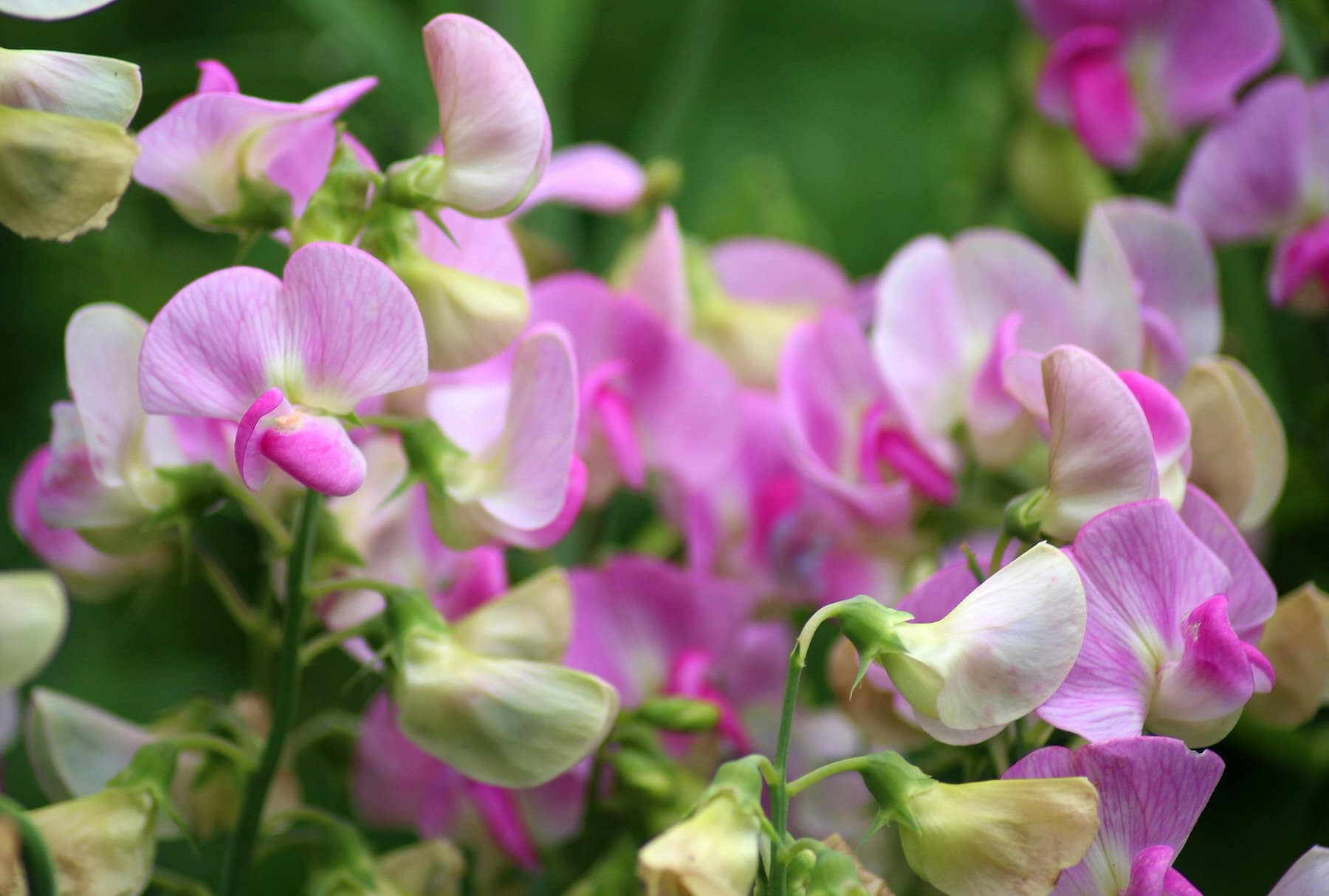
Sweet peas (Lathyrus odoratus) are a type of flowering vine in the pea family (Fabaceae) that are known for their fragrant, showy flowers. They come in a wide range of colors, including pink, red, purple, white, and bi-colors, and are often used as cut flowers. The flowers have a delicate, ruffled appearance, with a showy, frilly standard petal (the uppermost petal) and two wing petals. The leaves are typically a dark green color, and the vine can grow to be several feet long.
Sweet peas are typically grown from seed, which can be started indoors in the early spring or sown directly in the garden after the last frost. They prefer cool temperatures and moist, well-drained soil, and prefer full sun but can tolerate some shade. They are climbing plants, they can be trained to grow on a trellis or fence.
Sweet peas are considered annuals, but they will self-seed if allowed to mature and drop their seeds. Some popular varieties include:
“Heirloom Mix” which has a range of colors
“Spencer Mix” which has large, ruffled flowers
“Old Spice” which has a strong, sweet fragrance
Lobelia
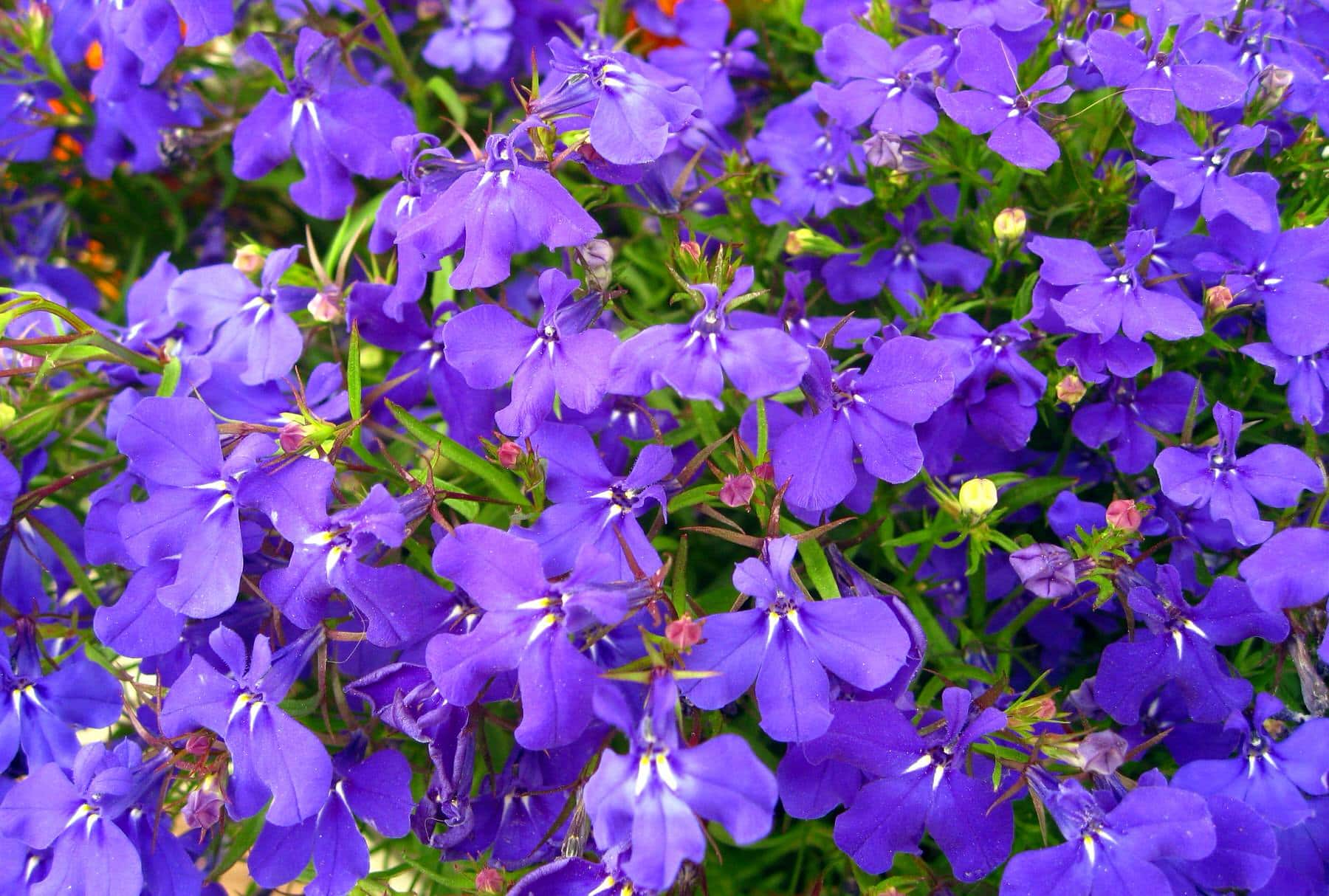
Lobelia is a genus of flowering plants in the bellflower family (Campanulaceae). They are known for their small, brightly colored, two-lipped flowers that come in shades of blue, purple, pink, red, and white. The flowers are typically arranged in spikes or racemes and they have a delicate, tubular shape. The leaves of lobelia are typically a deep green color and can be either smooth or hairy, depending on the variety. They are popular in gardens and as bedding plants because they are easy to grow and long-lasting.
Lobelia can be grown from seed or from cuttings and they prefer cool temperatures and moist, well-drained soil. They can be planted in full sun or partial shade and are often used as edging plants or in rock gardens. They are annuals or perennials, depending on the variety and the climate.
Some popular varieties of Lobelia include:
Lobelia erinus, also known as “Cascade Blue” which has blue flowers and grows to be about 6 inches tall.
Lobelia x speciosa, also known as “Fan Scarlet” which has deep red flowers and grows to be about 2 feet tall.
Lobelia cardinalis, also known as “Cardinal Flower” which has bright red flowers and grows to be about 3 feet tall.
Cosmos
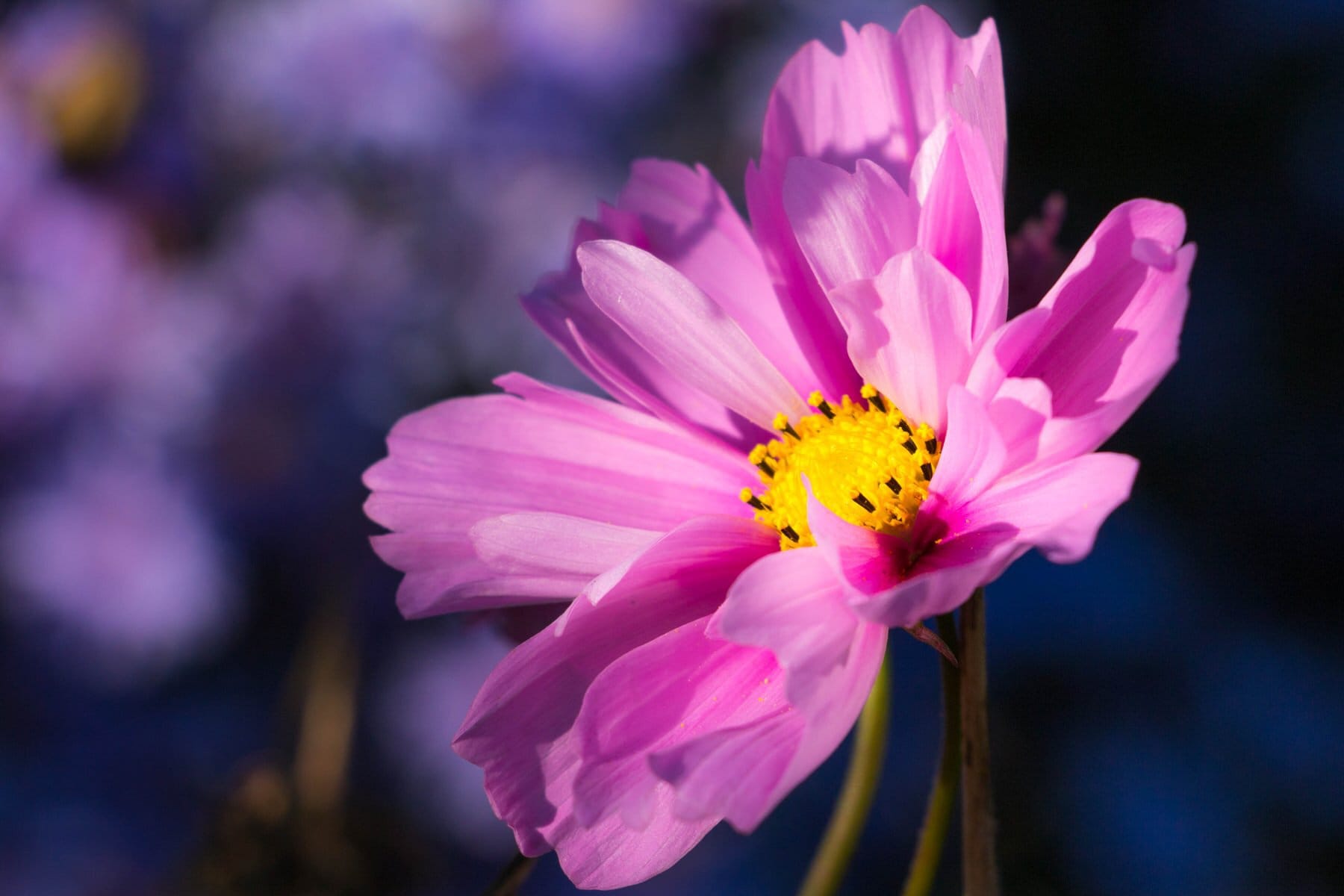
Cosmos is a genus of flowering plants in the sunflower family (Asteraceae) native to the Americas. They are known for their brightly colored, daisy-like flowers which come in shades of pink, red, white, and purple. The petals are arranged around a central disk, with the outer petals being larger and more brightly colored.
The leaves of cosmos are fern-like, and the plants grow to be anywhere from 2 to 6 feet tall, depending on the variety. They are popular in gardens and as cut flowers because they are easy to grow, long-lasting, and attract pollinators like butterflies and bees.
Cosmos can be grown from seed, and they can be directly sown in the garden after the last frost, or started indoors earlier and transplanted later. They prefer full sun and well-drained soil. They are considered annuals, but they will reseed themselves if given the opportunity.
Some popular varieties of Cosmos include:
-Cosmos bipinnatus, also known as “Sensation Mix” which has large flowers in shades of pink, red, and white.
-Cosmos sulphureus, also known as “Bright Lights” which has yellow and orange flowers
-Cosmos atrosanguineus, also known as “Chocamocha” which has chocolate-red flowers
Begonia Tubers

Begonia tubers are a type of begonia that are grown from tubers, or underground storage structures, rather than from seed or cuttings. They are known for their large, brightly colored, double or single blooms that come in shades of pink, red, orange, yellow, and white. The leaves of begonia tubers are typically glossy and a deep green color, and they can be either smooth or hairy, depending on the variety. They are popular in gardens and as indoor plants because they are easy to grow and long-lasting.
Begonia tubers are typically planted in the spring, after the last frost, and they prefer warm temperatures and moist, well-drained soil. They can be planted in full sun or partial shade, and they are often used as bedding plants or in containers. They are perennials, they can be dug up and stored over the winter in areas where temperatures drop below freezing.
Some popular varieties of Begonia tubers include:
Begonia semperflorens, also known as “Wax Begonia” which has a range of colors, and grows to be about 6-8 inches tall.
Begonia tuberhybrida, also known as “Non-Stop Begonias” which has a range of colors and grows to be about 12 inches tall.
Begonia boliviensis, also known as “Bolivian Begonia” which has bright orange or pink flowers, and grows to be about 18 inches tall.
Begonia tubers are also known for their ability to bloom in low light, making them a popular choice for indoor plants. They are also used as bedding plants, hanging baskets, and container gardens.
Salvias
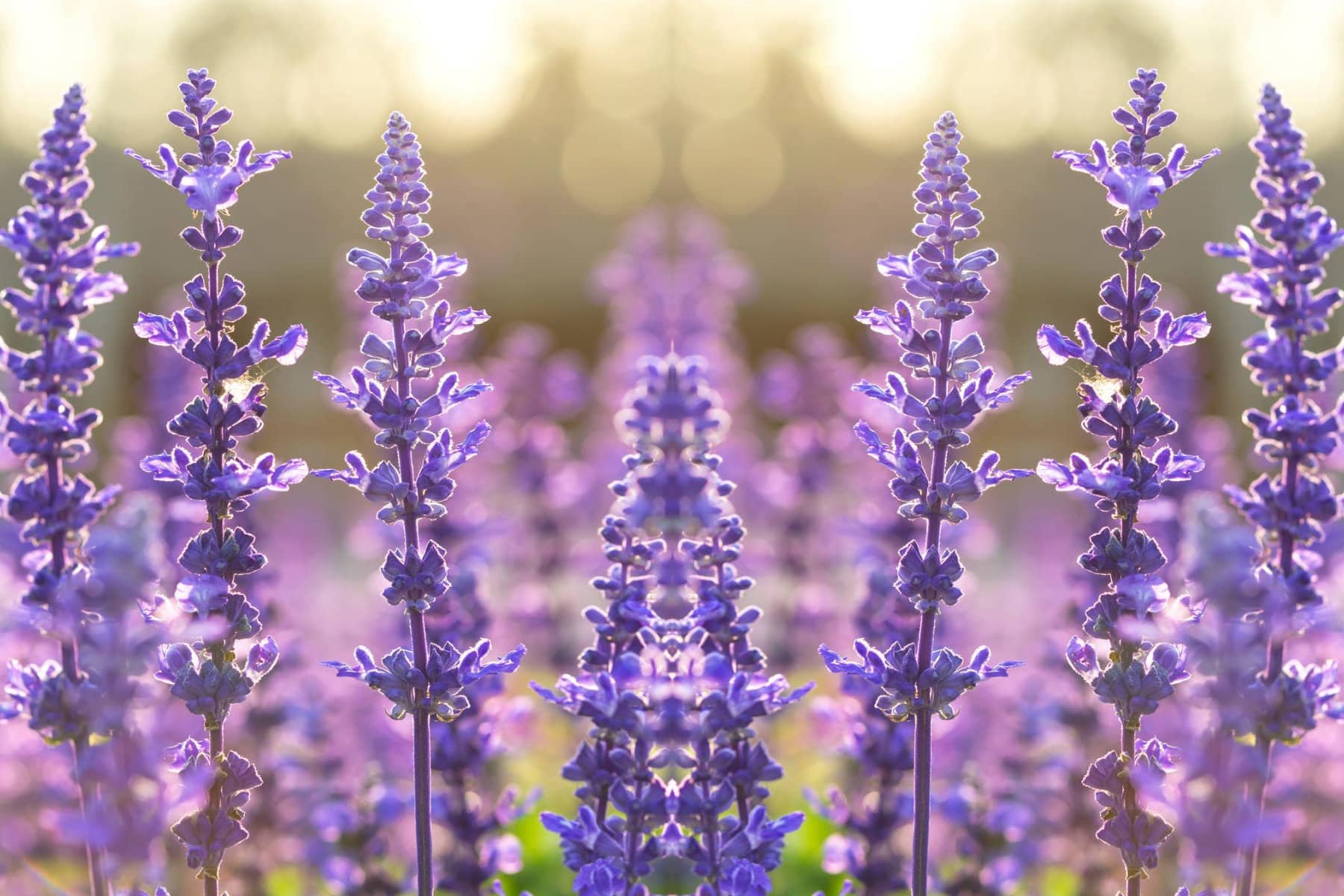
Salvias, also known as sage, are a large genus of flowering plants in the mint family (Lamiaceae). They are known for their showy, brightly colored flowers that come in shades of blue, purple, red, pink, and white. Salvias are popular in gardens and as cut flowers because they are easy to grow, long-lasting, and attract pollinators like bees, butterflies, and hummingbirds.
Salvias come in both annual and perennial varieties, with many species native to different regions of the world, including North, Central and South America. They can be grown from seed or from cuttings, and they prefer full sun and well-drained soil. They are easy to grow, with many varieties being drought tolerant.
Some popular Salvia varieties include:
Salvia nemorosa, also known as “East Friesland” which has blue flowers and grows to be about 2 feet tall.
Salvia farinacea, also known as “Victoria Blue” which has blue flowers and grows to be about 2-3 feet tall.
Salvia splendens, also known as “Scarlet Sage” which has bright red flowers and grows to be about 2-3 feet tall.
Salvias are renowned for their fragrant leaves and they are used in cooking and medicinal purposes. Some varieties have also ornamental foliage, like the Salvia officinalis, which is a perennial herb with gray-green leaves.
Want to get fresh herb and plant seeds delivered monthly?
Planning a garden all year round and sourcing seeds from all over the world is hard work, especially if you want to keep your garden interesting year after year.
That’s why we created Gardeners Box, each month, receive the hand-curated seeds we recommend sowing right now to brighten your garden, along with detailed instructions, and plant markers all starting from just £9.99. Click here to find out more.