Vegetable & Fruits Planting Calendar
Vegetable and Fruit Seeds to Sow in June – 2024 Planting Guide

Jun
June is an ideal time to dig into some gardening, as the weather has typically become more stable, with warmer temperatures and longer daylight hours, creating an ideal environment for a wide range of crops to grow and thrive.
Not only that but you’ll benefit from natural resources, such as sunlight, rainfall, and pollinators.
This month there are a number of vegetable and fruit seeds that you can sow in your garden, from juicy grapes to nourishing carrots.
So, let’s get started on planting some amazing food.
Sowing indoors or a greenhouse
Try growing these seeds inside.
Cucumber
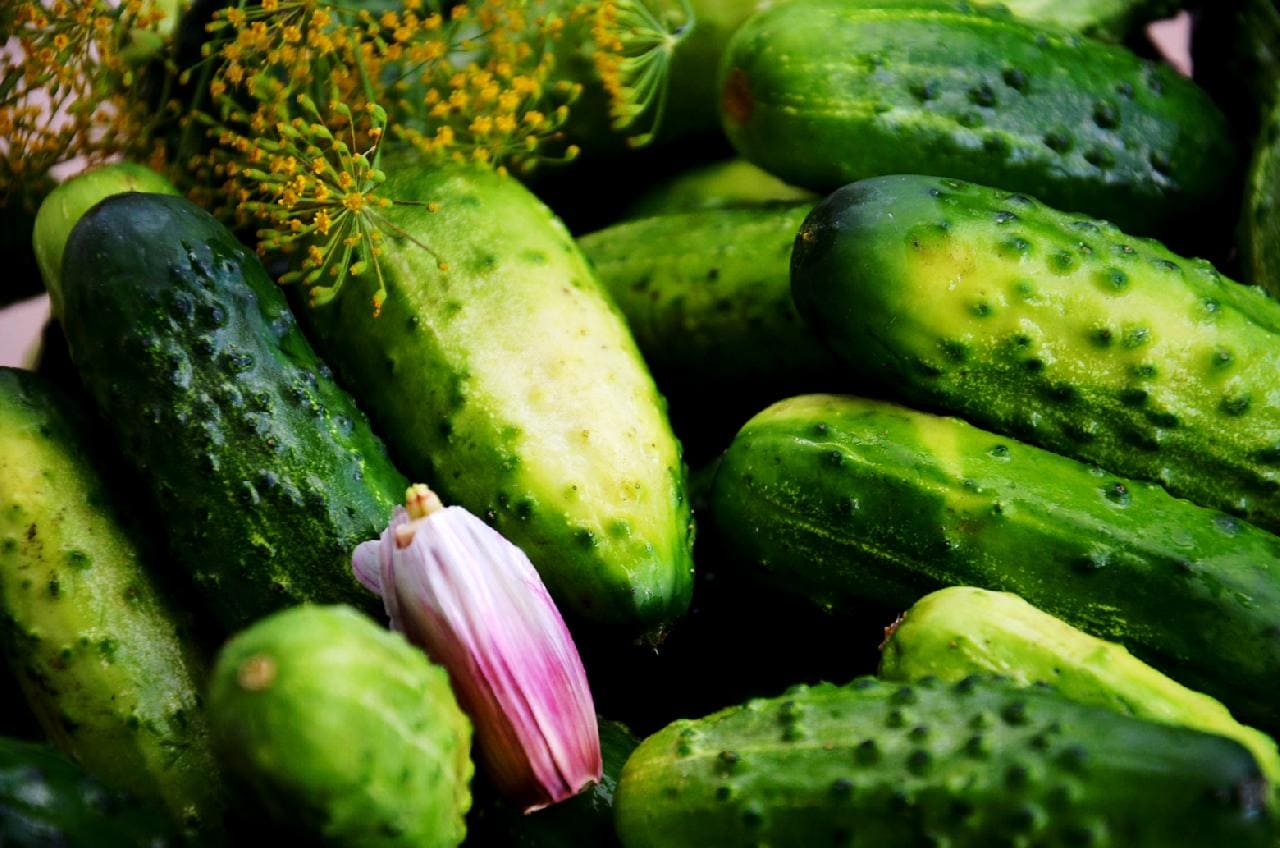
Originally from South Asia, this fruit is now a staple in many cuisines around the world. It can be eaten sliced or as a pickle.
Firstly, make sure you have a variety of cucumber that is suitable for indoor growing. Greenhouse cucumbers, as the name suggests, are ideal, while ridge cucumbers are perfect for outdoors. As it is June, your greenhouse does not need to be heated. Fill a 3-inch pot with compost and make a 1-inch hole with a dibber. Place two seeds on their sides into this hole, then cover and water. Put them into a propagator so that they can germinate, which should take a week. Remove the weakest of the pair, keep it moist, and stake it in order to support it as it grows.
Pak Choi
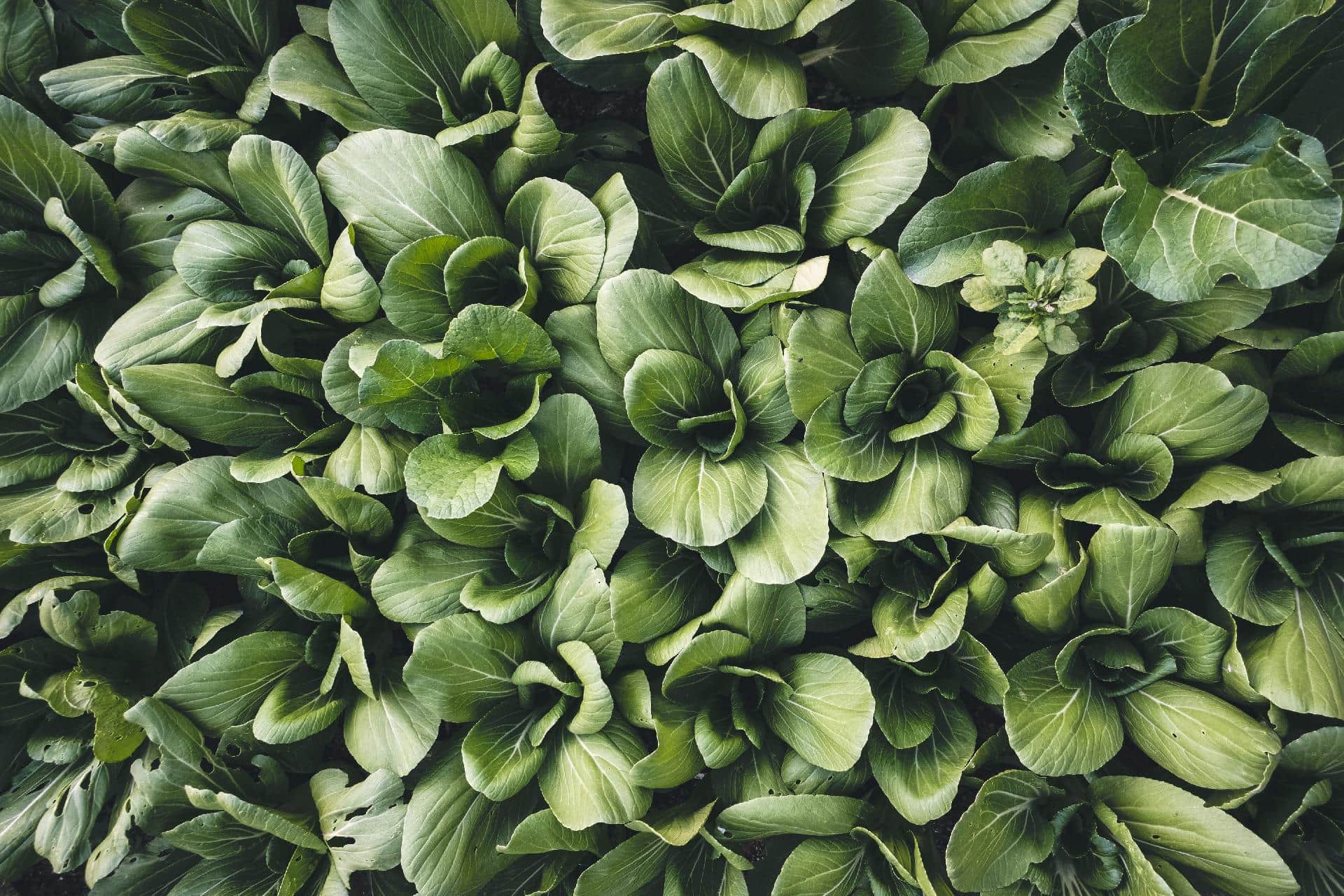
Pak Choi is perfect for summer salads.
It is easy to grow as it is generally low maintenance. The seeds can be sown in small pots or cells, and you can place a couple of seeds together. Once 2 inches tall, place the plant in moisture retentive soil. Water well and use fleece to keep insects at bay. After a month, they are ready to be eaten in a salad. After 45 days, use it in a stir-fry.
Fennel
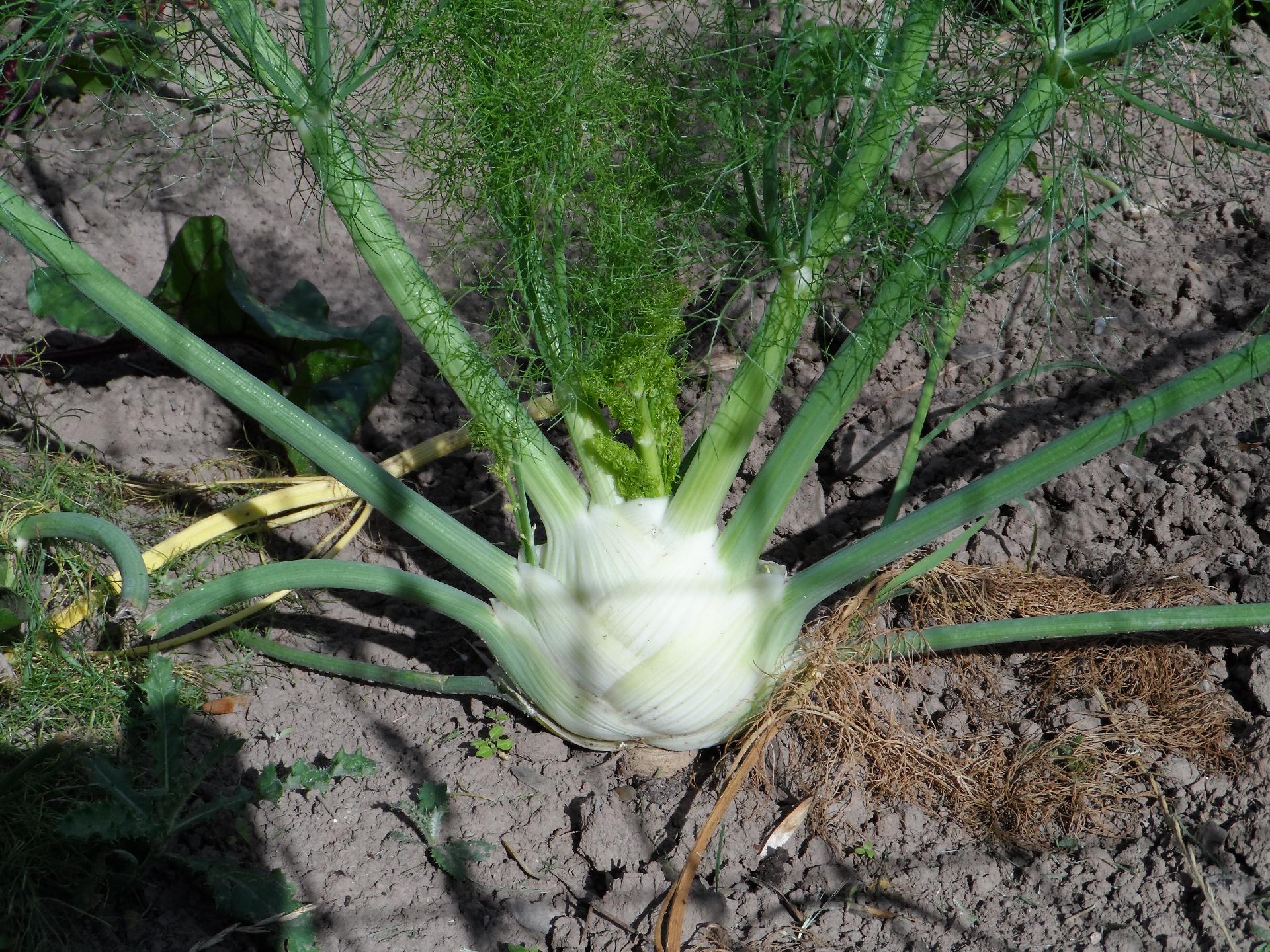
Fennel is a great warm-weather crop.
Sow seeds a quarter of an inch deep, and they will germinate in 1-2 weeks. After a couple of leaves appear, transplant to moist soil in the garden and compost once a month.
Keep snails and slugs at bay with traps or pellets.
Cabbage
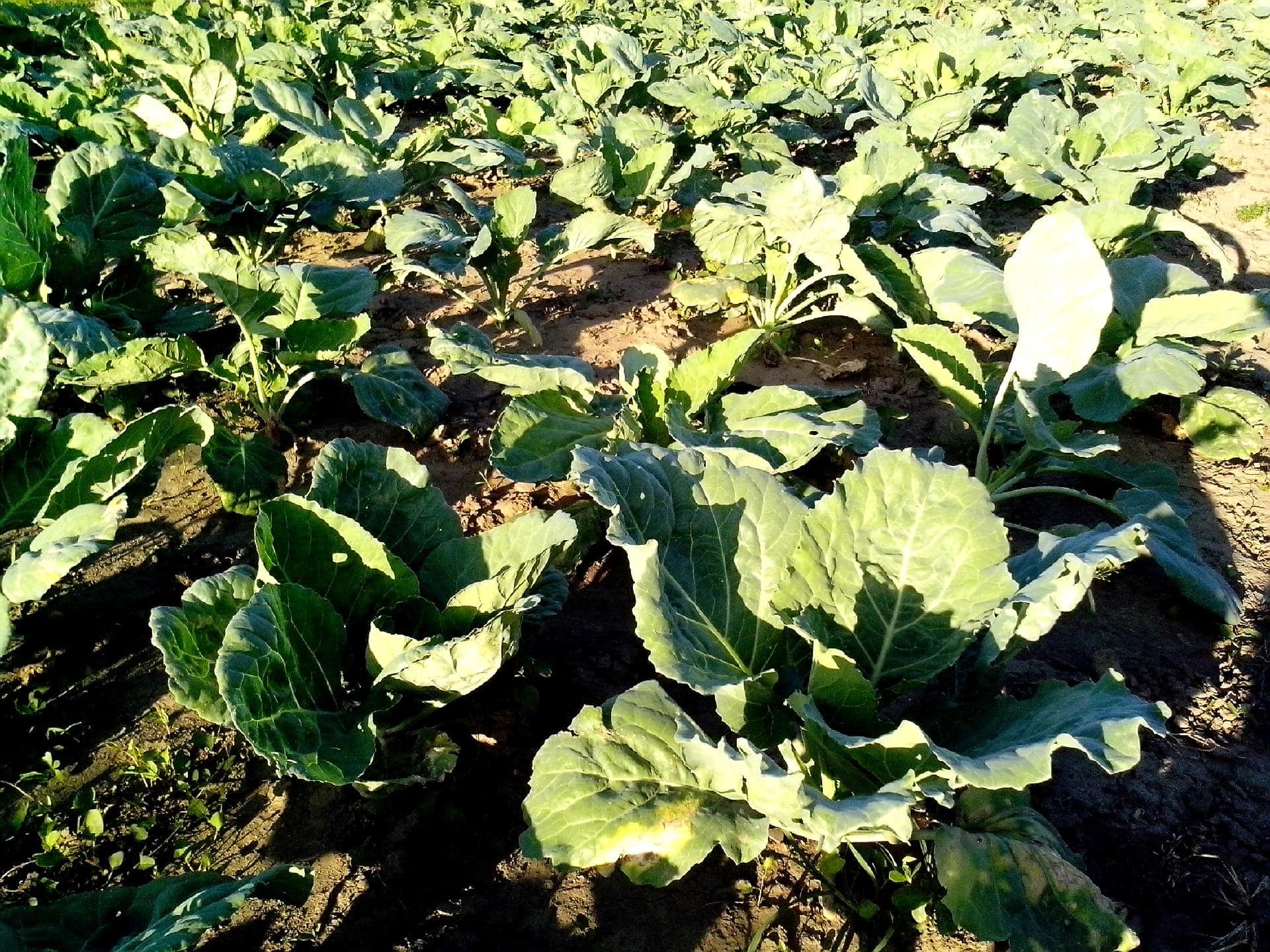
Cabbage has been a feature of the European diet for centuries, and it can be eaten stewed, steamed, braised, or sautéed, and it is packed with vitamins and fibre. It is closely related to cauliflower and Brussels sprouts.
Fill a seed tray with fertilizer and place it in a sunny spot. It is important to keep the seeds moist as they germinate, and it is necessary to give each seed enough space to grow. You can regulate temperature and maintain moisture by adding mulch to the soil. If it is cool at night, fleece covering can help protect the seeds.
A wide variety of insects can attack your cabbages, so check under the leaves for any eggs. If you find any, simply pick them off. A fine screen can generally keep insects away.
Grapes
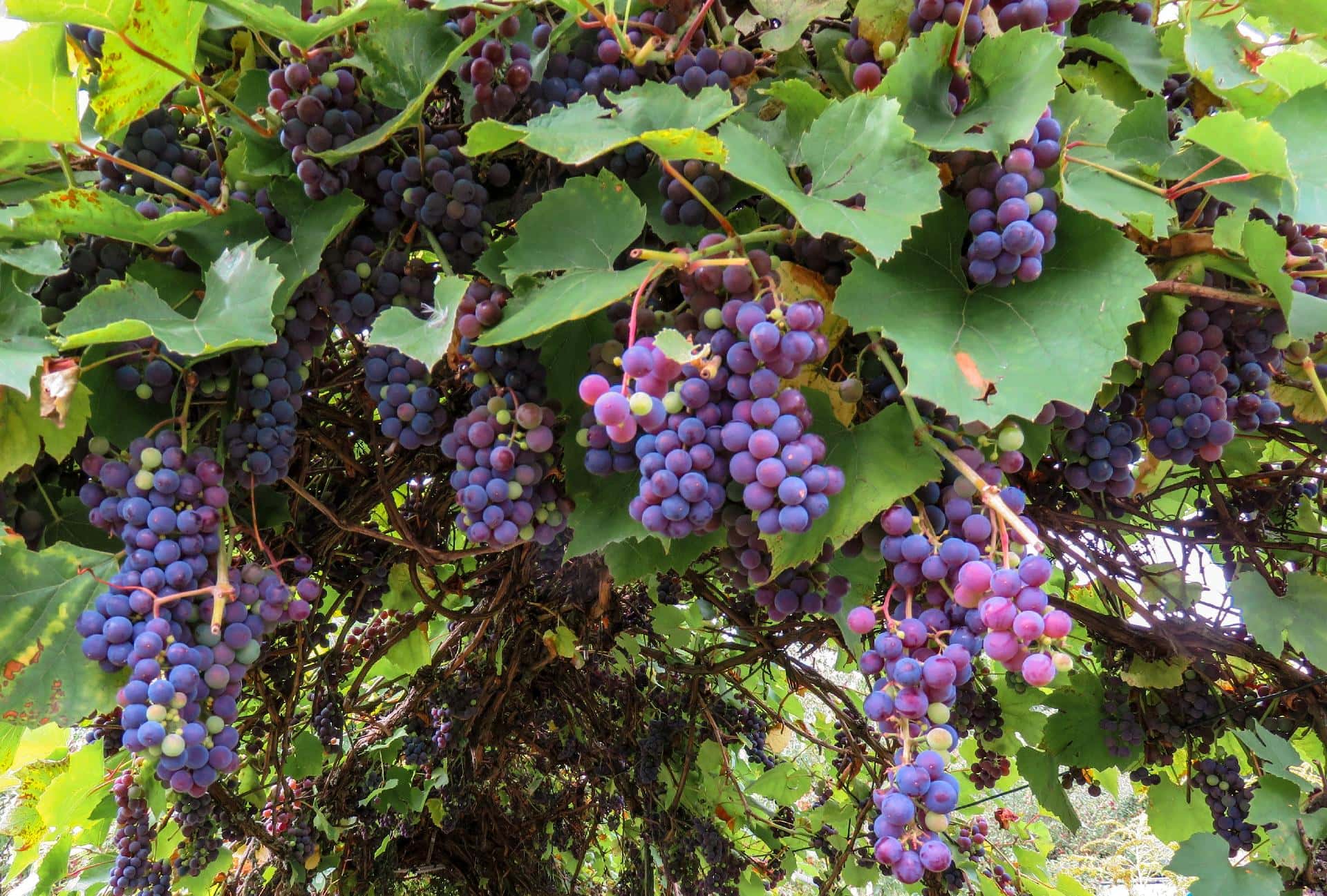
Grapes can be eaten directly or used in wine, jam, raisins, and vinegar.
For ideal growth, you can plant grape roots outside the greenhouse and then lead the vine into the greenhouse through any space or gap. This is not always possible, and roots placed inside the greenhouse will need more water. Double dig the soil and apply a thin layer of manure or compost. Vines should be planted at the opposite end of the door, with the stems running along the side of the greenhouse toward the door. A high potassium feed will encourage growth.
Remember to thin the fruits. This several advantages, from reducing fungal problems to encouraging ripening. Remove tendrils so they don’t get tangled up with the fruits. Place wasp traps to keep this pest under control and have better ventilation to keep mildew and mould at bay.
Kale
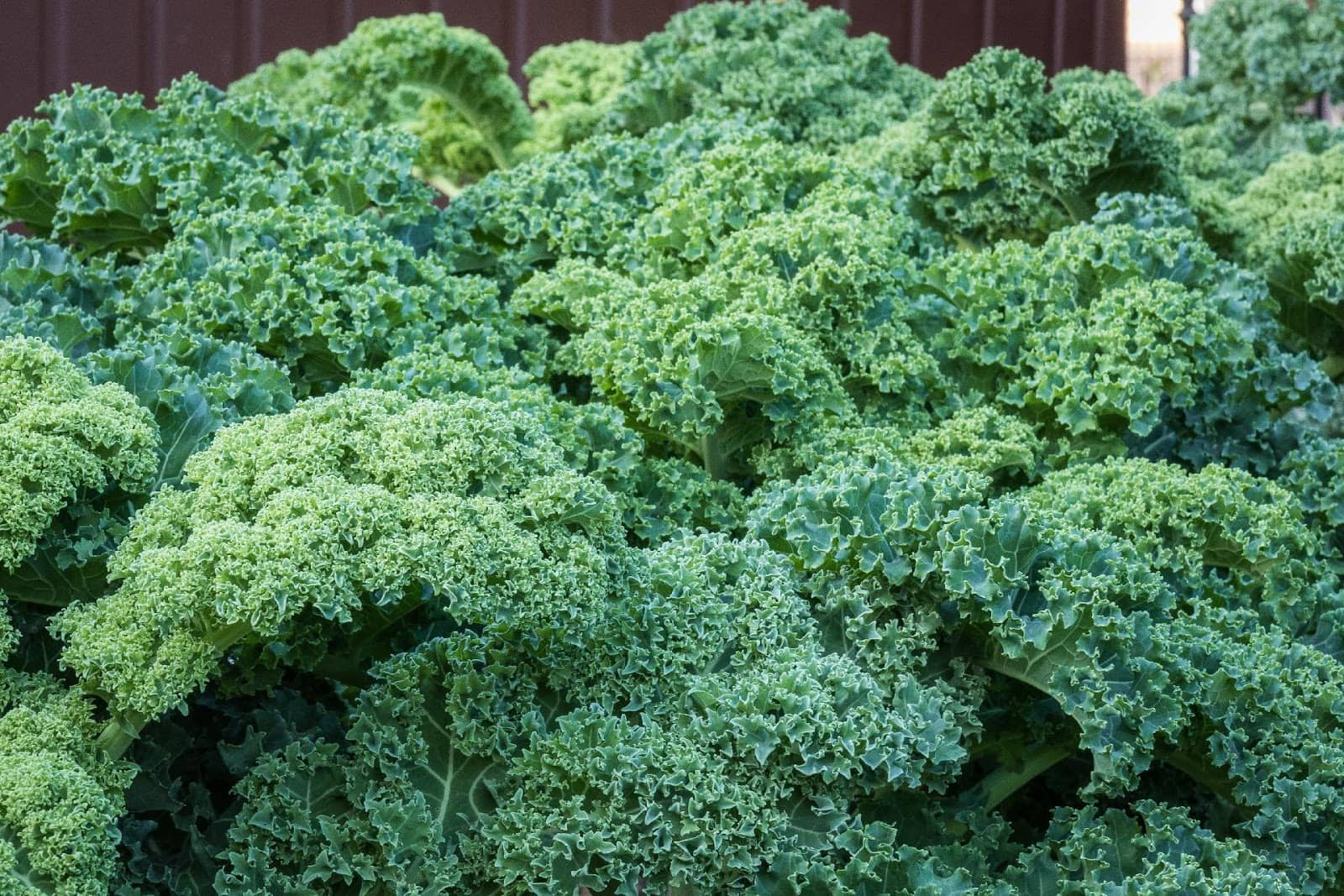
Kale is a wild cabbage and it is considered to be very healthy food.
Fill seed containers with 3 or 4 inches of soil-less growing mix and moisten with water. Make sure that these containers have holes at the bottom for drainage. Put your kale seeds 0.5 inches under the soil, with 2-3 seeds in each container. If any part gets dry, simply moisten it again. For germination, which should happen after a month, place them in a warm spot. After germination, transplant to a pot with drainage holes that is 12 inches deep and wide, along with the same growing mix as before. As in the previous step, keep the seeds moist and keep the pots in a sunny place. To prevent bolting, prune the plants. Kale will reach maturity in 55-65 days.
Sowing outdoors
In June, these seeds work well outside.
Beetroot
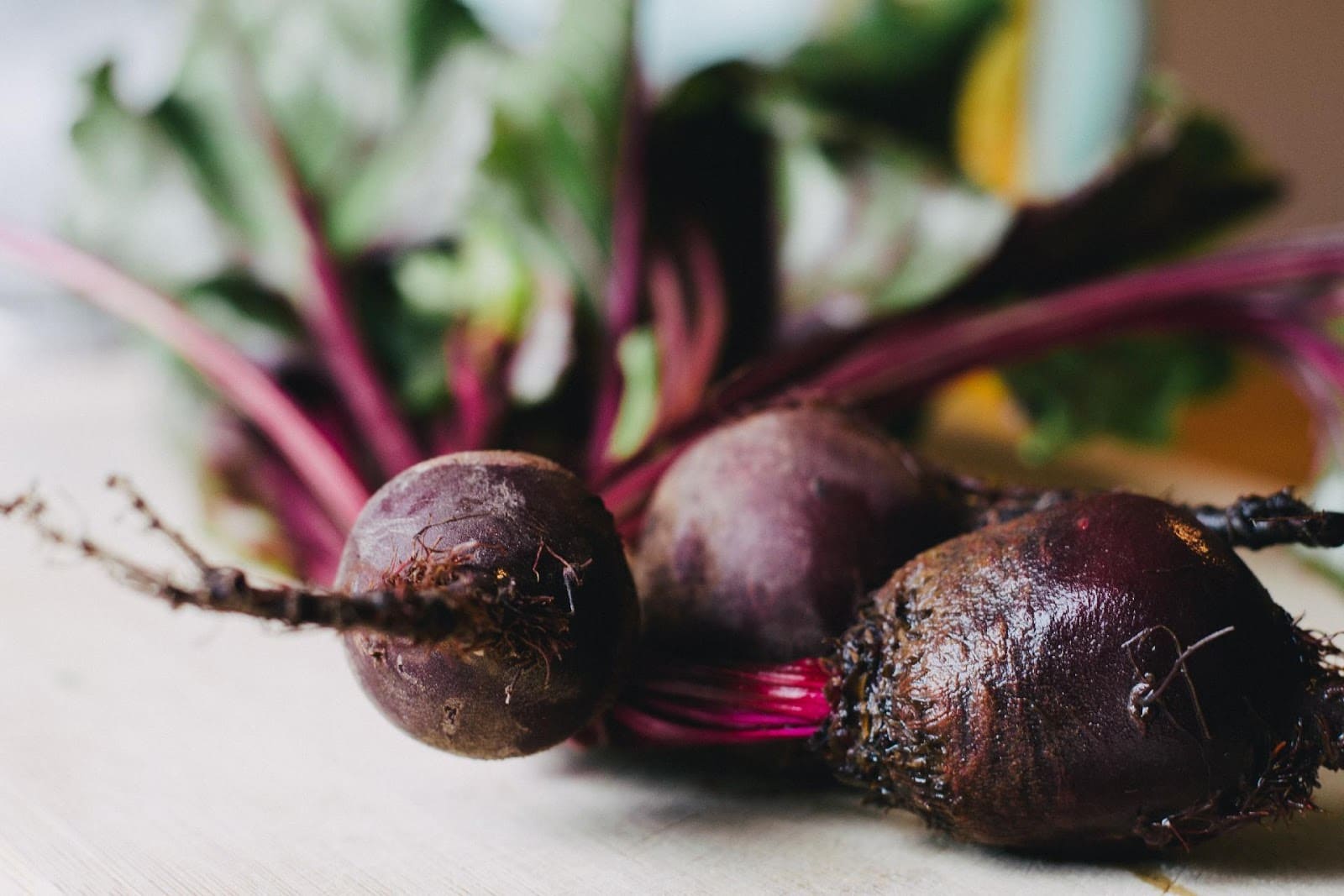
Beetroot is an adaptable food from the ancient world, the Greeks and Romans used it, and it has also been used in medicine and as a food colouring. Nowadays, it is popular from Eastern Europe to India, and it is pretty easy to grow for beginners.
Sow three seeds an inch deep, 4 inches apart and in rows that are 12 inches apart. Placing them in fertile, well-drained soil is recommended. If the beetroot is not growing as much as you like, then feel free to add some high nitrogen fertilizer. Water every 10-14 days.
Beans
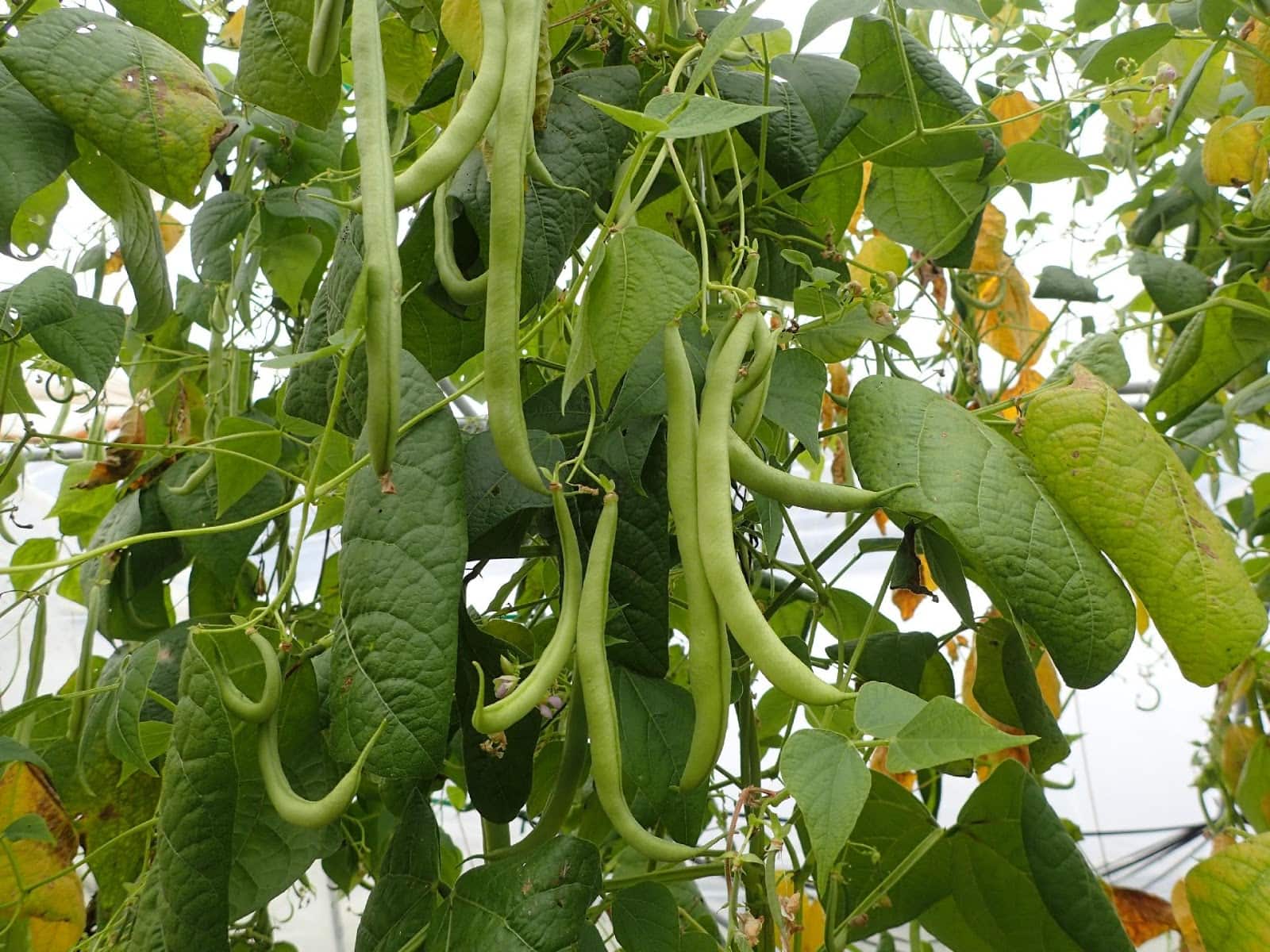
Once deposited with the dead in ancient Egypt, beans are now a wonderful source of protein in our diets. Try growing ‘Red Rum’, ‘Polestar’, or ‘Algarve’.
To improve the soil’s moisture-retaining ability, dig and add a lot of organic material. Don’t forget to build support for the beans as they grow. For each row of beans, which should be placed 23 inches apart, the supports should be 6 inches apart in each row. Depending on the type, two bean seeds can be sown 1-2 inches deep in the soil, next to the support. Water well and make sure that the beans entwine around their support. Remove the weaker of the pair.
Carrots
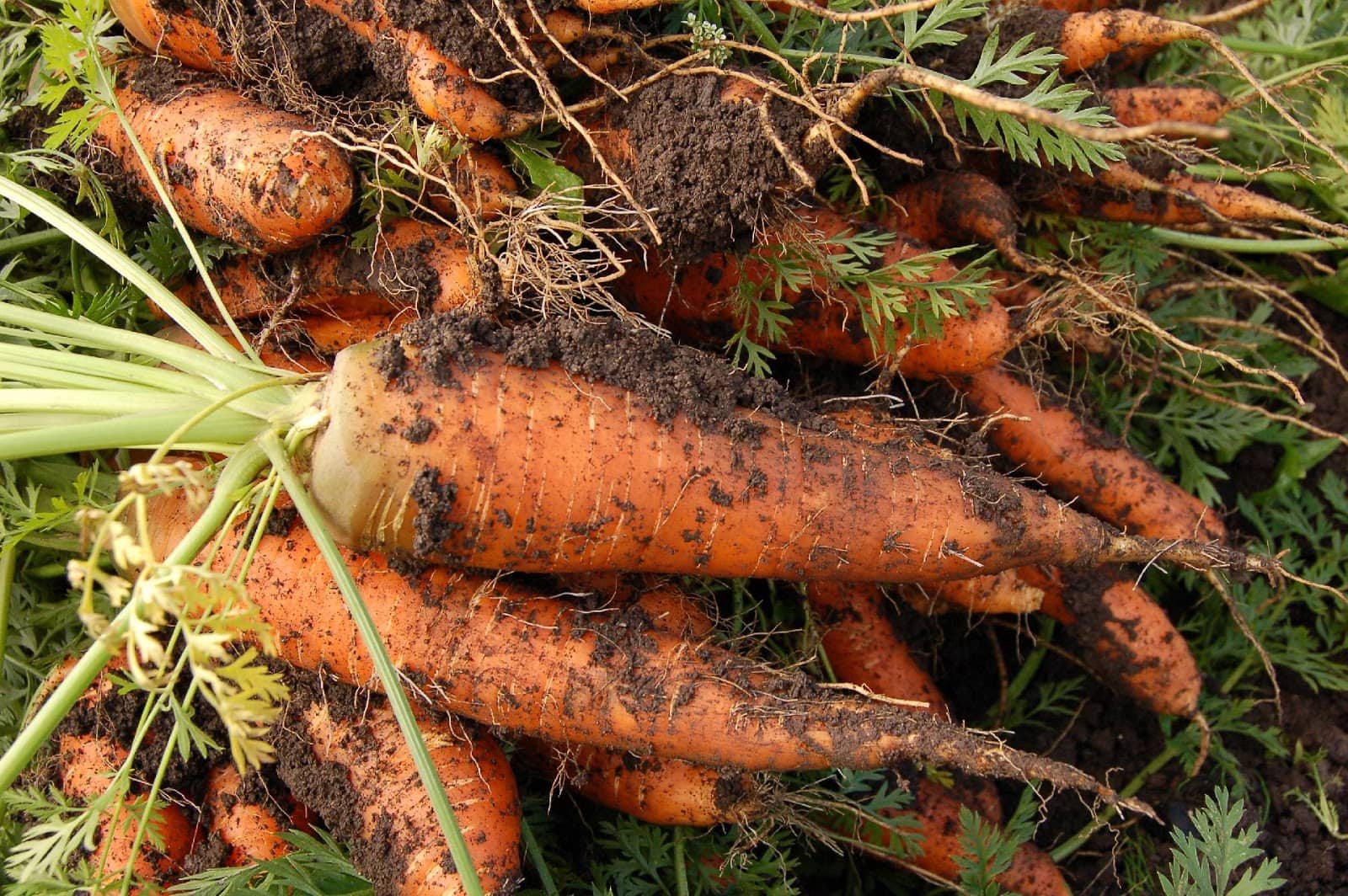
Carrots are a superb addition to any sweet or savoury dish.
Seeds should be placed in a very sunny spot, where the soil is fertile and well-drained, in soil that is free of any debris that might prevent the carrots from growing adequately. Sow them 1.5 inches deep in rows that are 6-12 inches apart. Carrots typically do not need much water, but if June happens to be particularly warm, some extra watering is advisable.
Mould may be caused by aphids, but their colonies can be eliminated by the simple use of your finger. Fleece or similar barriers will protect your growing vegetables from flies and other creepy crawlies.
Strawberry
Nothing says summertime quite like a bowl of strawberries and cream. Botanically speaking, it is not a berry, but it is certainly delicious.
Rich, fertile, well-drained soil in a sunny spot is ideal for growing strawberries, but it is important not to place the seeds too deeply or too close to the surface. These seeds need shelter, too, as wind inhibits their growth. The soil should be prepared well, so fork it thoroughly and add organic material and fertilizer. Make rows, and space the plants 18 inches apart. To encourage germination, water regularly.
Fleece covering can protect strawberries from overnight frost, while netting can keep birds away. When weeding, be careful not to dislodge these delicate plants.
Broccoli
This super healthy vegetable should be sown 1 inch deep – you can use 3 in each hole – with a distance of 12 inches maintained between plants and in rows that are 17 inches apart. This spacing will encourage the development of side shoots. Use liquid fertilizer on a weekly basis.
Gooseberry
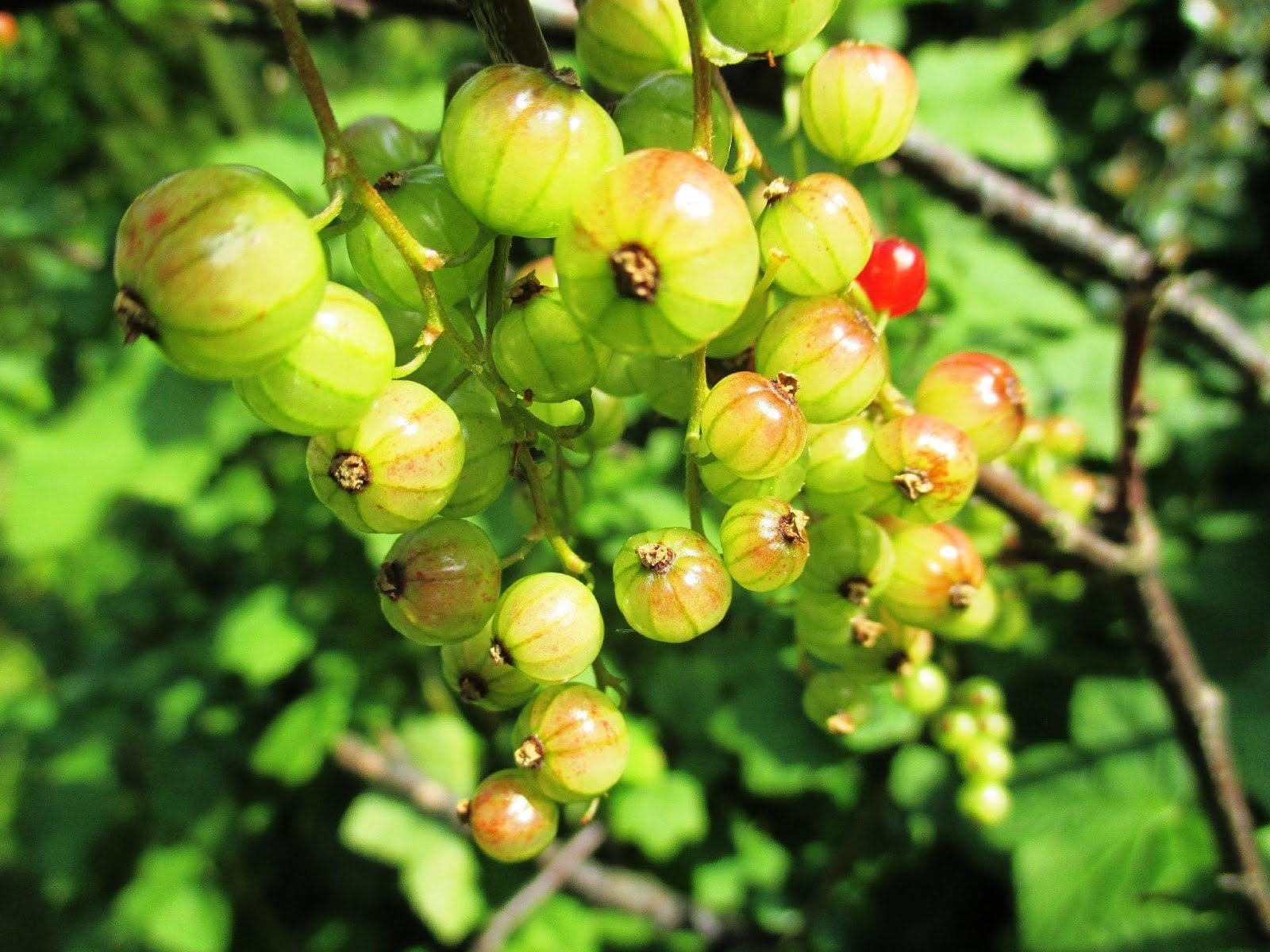
Gooseberries can be found in pies and crumbles, or it can just be eaten as it is. In addition, is used to flavour drinks, and it can be made into wine and tea. It can also be preserved in jams or as a dried fruit. You can try growing ‘Invicta’, ‘Leveller’, and ‘Whinham’s Industry’.
For the best results, mulch the soil well in order to retain moisture. Watering is not that important, but in dry spells, be sure to do it every 14 days. Space the seeds around 4-5 feet apart, around 2-3 inches under the soil, and allow good space between the cordons, as this will enable you to move easily between the plants. In June, pruning side-shoots will help the plant to grow because it allows the sun to reach the centre of the plant.
Ventilation can stop Gooseberry mildew, but you can also remove infected parts of the plant. Larvae from sawflies can be removed by hand, so just be sure to check on the underside of leaves for their presence. Fleece, or even a scarecrow, will keep birds at bay.
Melon
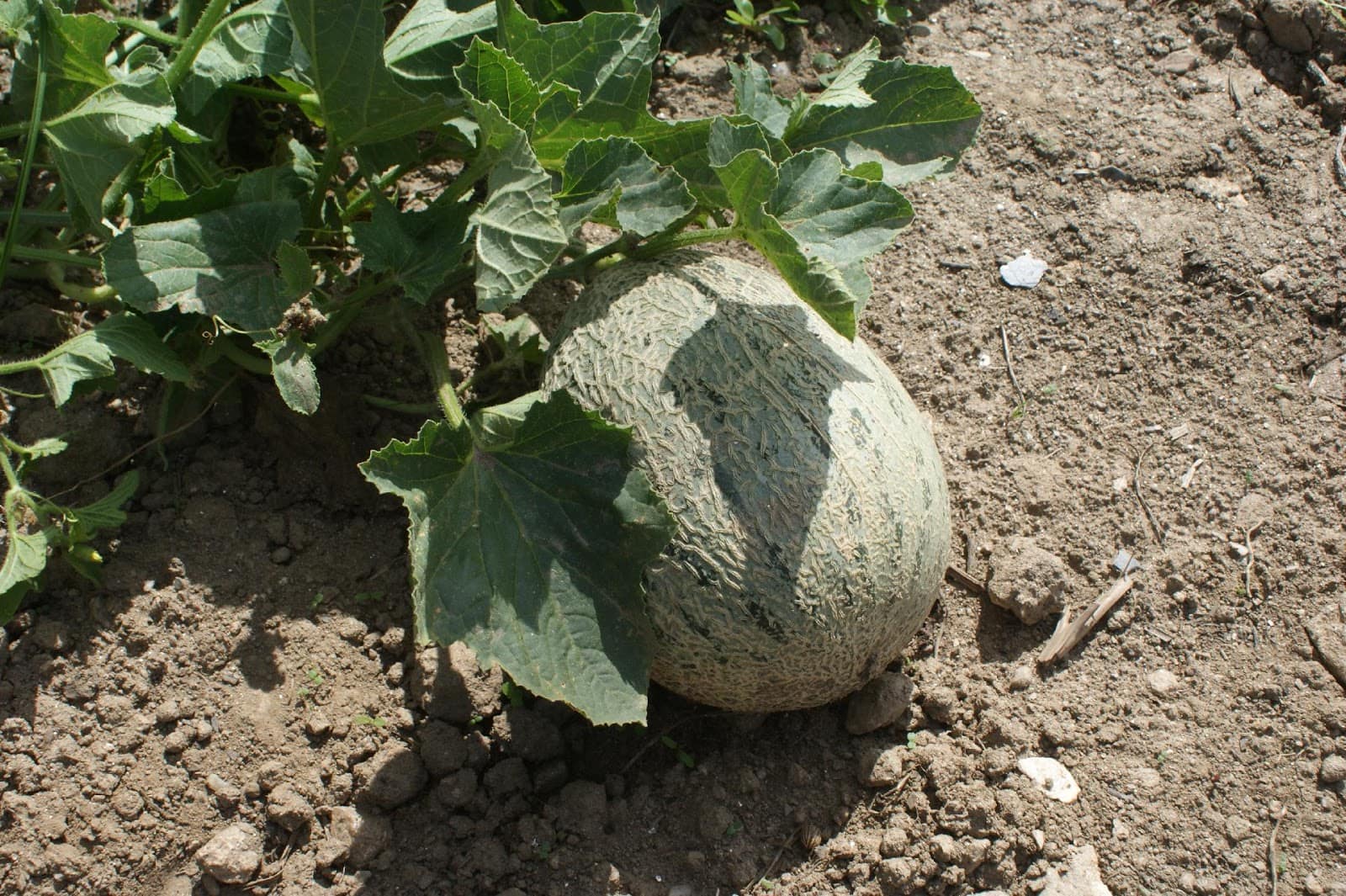
Melons are tasty fleshy fruits. Mainly produced in China, Turkey and Iran, they are a popular choice around the world.
Melons love sunlight, as well as well-drained, moist, fertile soil. Plant the seeds just under the surface. When the seeds have grown to the size of a walnut, feed with a fertilizer that has a high potassium content every week or so. Stop feeding and reduce watering once the fruit starts to become ripe.
Squash and Pumpkin
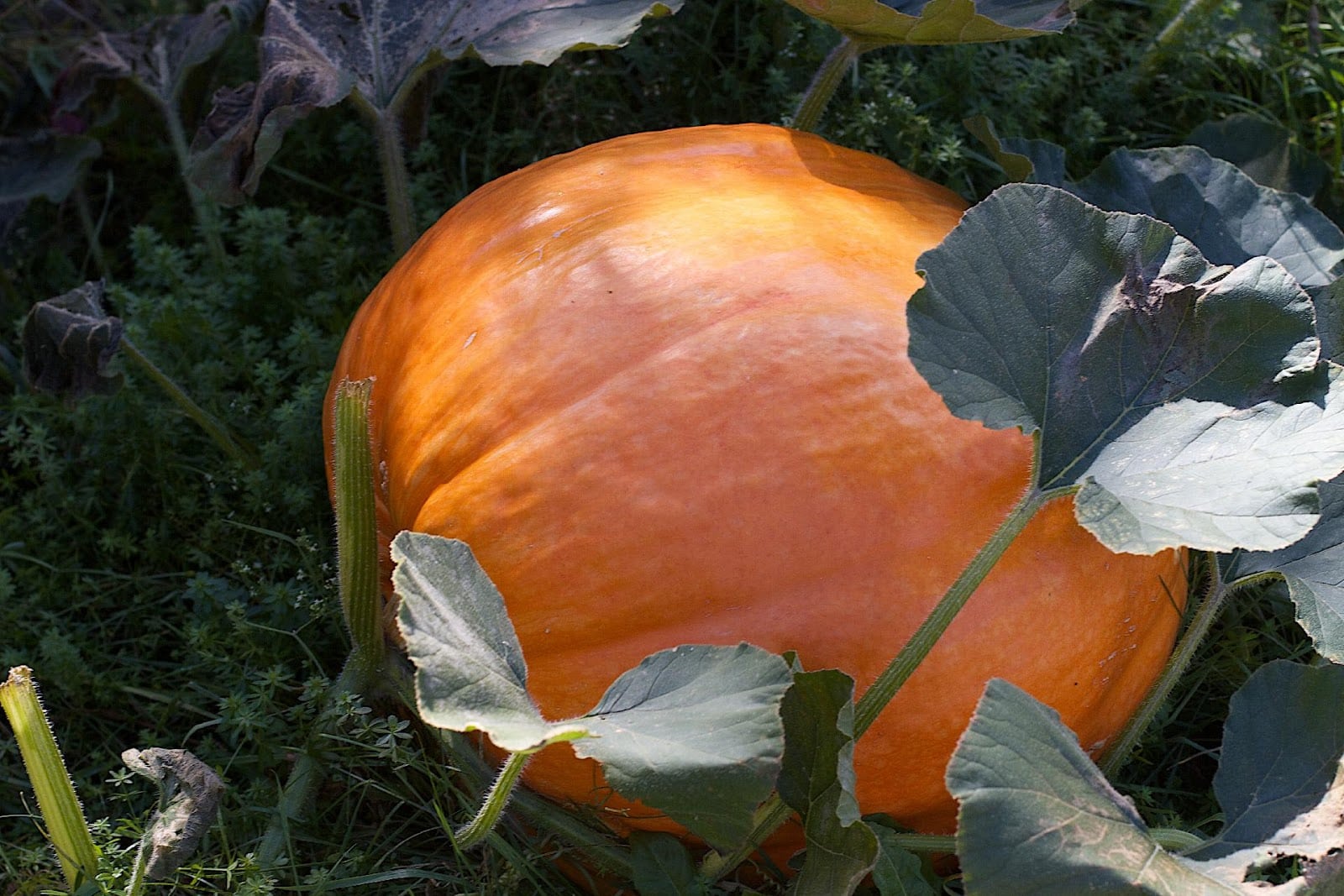
Squash is full of vitamins and nutrients, and it can be eaten in bread, pies, beverages, and desserts. It is little wonder that the indigenous tribes in the Americas have depicted it in different artworks.
Squash seeds should be sown in groups of 3, around 1 inch deep in the soil, with the blunt end of the seed pointing down. Cover them with jars, plastic, or cloches for added protection. Germination will take roughly a fortnight, and at this point, you can remove the weakest seeds. In June, you can harvest when the fruit is still quite small.
By keeping the soil moist, you can prevent powdery mildew from attacking the plant. If you spot grey mould, remove the damaged part of the plant. This should help protect the rest of the squash that is being grown.
Happy growing
By following the above steps, your garden will provide delicious fruits and vegetables that will add more flavour and nutrients to your kitchen table. Most, if not all, are easy to grow, so it is perfect for even novices.
Have fun!
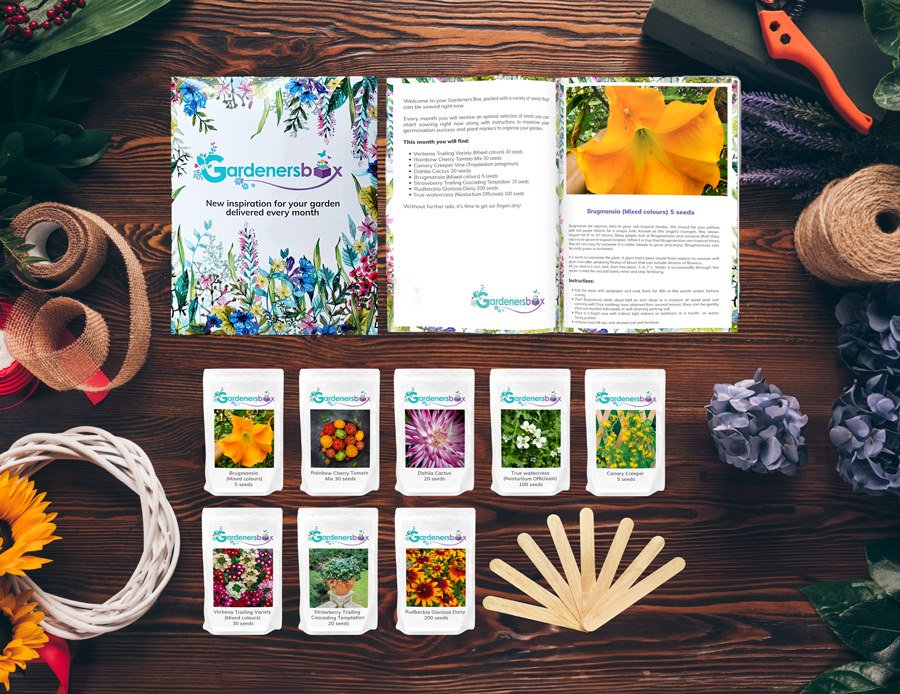
Want to get fresh herb and plant seeds delivered monthly?
Planning a garden all year round and sourcing seeds from all over the world is hard work, especially if you want to keep your garden interesting year after year.
That’s why we created Gardeners Box, each month, receive the hand-curated seeds we recommend sowing right now to brighten your garden, along with detailed instructions, and plant markers all starting from just £9.99. Click here to find out more.