Flowers & Plants Planting Calendar
Flower & plant seeds to sow in July – Sowing Guide

Jul
Now, summer is in full swing, and though you might think that this season is too hot to sow anything, but you can actually use the high levels of warmth and light to sow both annuals and perennials.
By this point in the year, the weather is consistently warm and settled, providing an excellent environment for a variety of flowers and plants to thrive.
One other significant advantage of sowing outdoors in July is the ability to fill in gaps in the garden with fast-growing, short-season flowers.
So, let’s get growing!
Flower and Plant seeds
Give these seeds a go in your garden.
Delphiniums

Delphinium, which can sometimes be known colloquially as larkspur, is native to many different parts of the Northern hemisphere. July is the last month for planting, and this flower, with its captivating, dolphin-shaped leaves, is great for attracting bees to your garden, while they also look great against your house, as a border, or as cut flowers.
Seeds should be planted in moist, cool organic soil. For best results, remove any weeds that might be present, and put organic material into the top 8 inches of the soil. Mulch is a good option or this part, as it retains moisture, which is essential, and it regulates temperature. To keep rot at bay, avoid getting mulch on the leaves. Remember to smooth the soil over. Sow the seeds 1/8 inches under the soil and keep them moist by watering once a week. In 3-4 weeks, seedlings will emerge. After these seedlings sprout three leaves, you can thin them out to around 18 inches apart. You can also use slow-release fertilizer.
Good ventilation will help prevent powdery mildew, while aphids can be washed or picked off the flower. Discard parts of the plant that are infected with mites.
Strelitzia
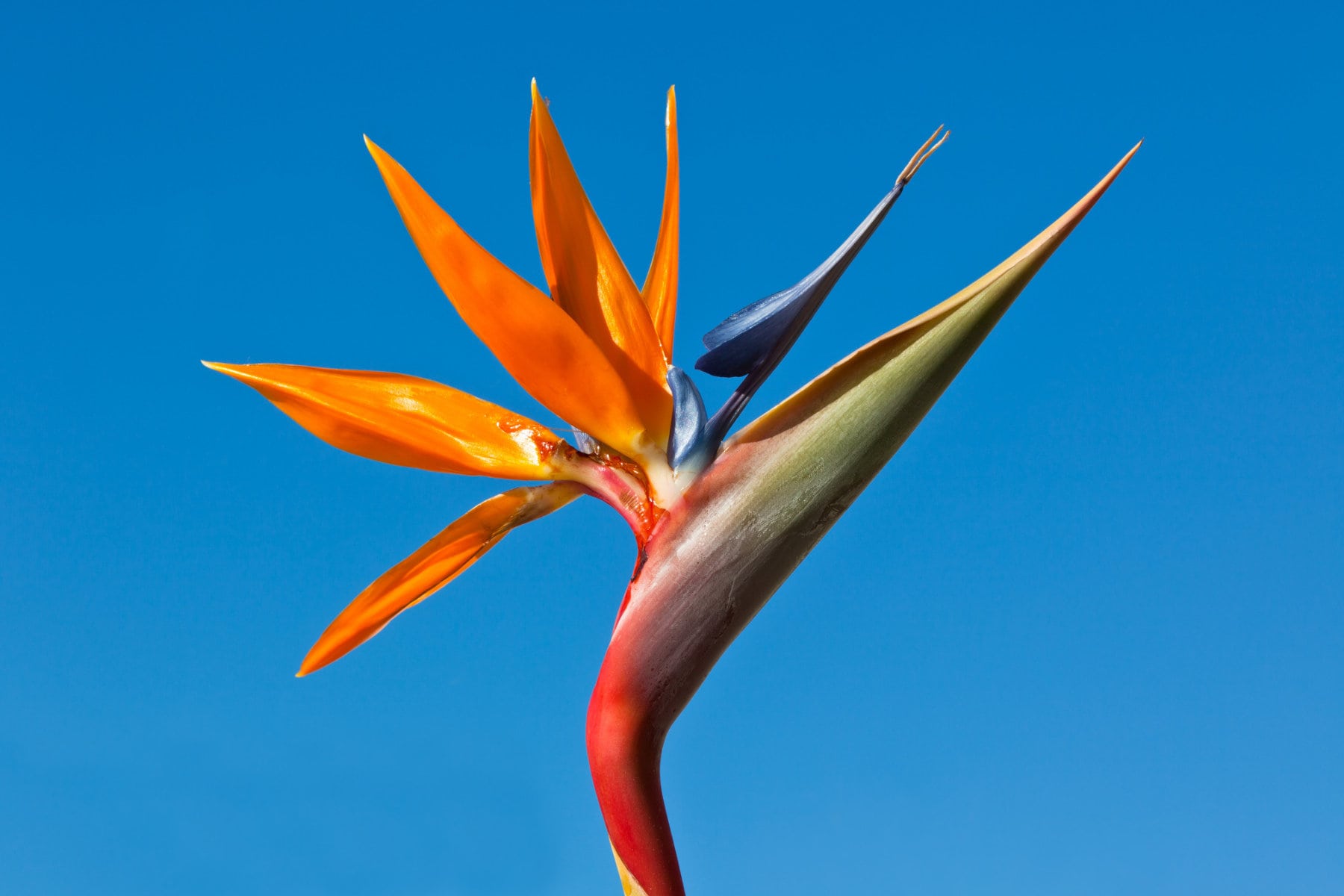
Alternatively known as the bird of paradise flower, as its petals resemble the wings of an exotic word. Its more traditional name comes from a German duchy, and it is emblematic in South Africa and Los Angeles.
It needs lots of light, lots of water and warmth to grow, and weekly fertilizing will also help. Sow the seeds in rich, well-drained soil, and cover them lightly. Before sowing, it is important to remove the orange tufts and to soak the seeds for 24 hours. If this is not done, then you will be waiting a long time for germination. If done sown correctly, germination can occur in 4-8 weeks.
In summer, Strelitzia will need proper ventilation as it is not a hardy plant. A number of pests can hide in the leaves, such as spiders and mites, so be sure to check carefully for their presence. The leaves are mildly toxic, but to get sick, a person would have to eat large quantities.
Forget-me-nots

The first references to this flower date back to the Middle Ages, and it is the proud symbol of an Alaskan and Swedish province. This beautiful biennial self-seeder can be grown from May to September.
In moist, well-drained soil, forget-me-nots grow well, especially if the seeds are placed in a sunny or shady spot and are mixed with compost. They pair well with other plants that like the shade, and they are easy to maintain, though they need to be watered well.
These flowers are a bit more delicate than others, so when weeding, be sure to take a little extra care!
Pansies

Insects and people love pansies because of their rich colour, so they are a great addition to any garden. Even Shakespeare wrote about them, and it’s a name that should be recognizable to anyone. Some species of pansies will not do well in the summer, but Imperial pansies, with their huge leaves, are ideal.
Try to sow these seeds in rich, well-drained soil that high in organic material, under the sun or in partial shade. You can start indoors, even in the summer months, or directly outdoors. The seeds can take a while to germinate, it is best to cover them well with the soil and to cover the pot with black plastic – they need darkness to grow. Once in the garden, water frequently and space the pansies around 7 inches apart.
Use slug traps to discourage slugs from attacking the flower, while proper ventilation will stave off mildew.
Wallflowers
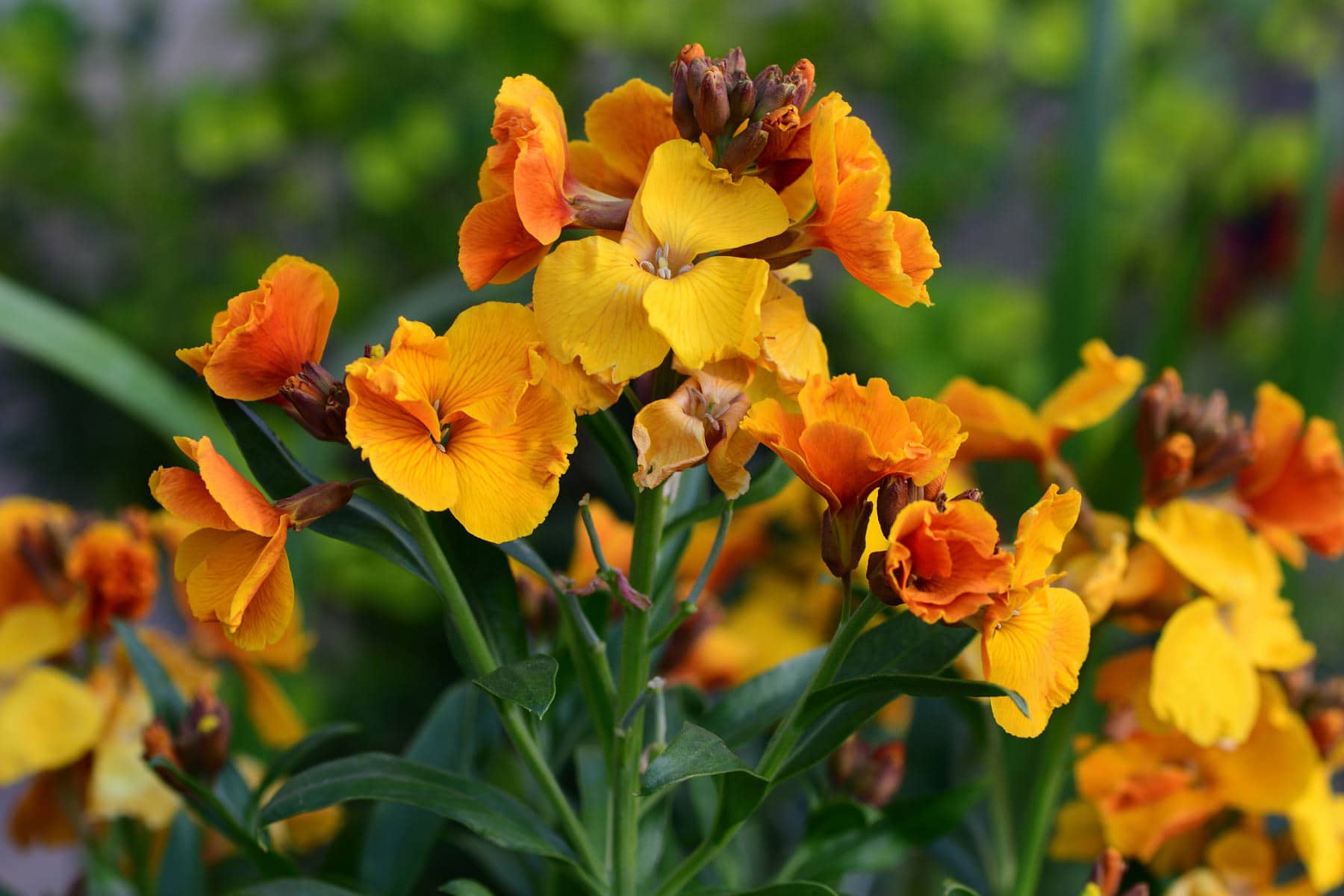
This flowering plant is from the cabbage family, and the name of its genus, Erysium, comes from the Greek word for ‘drag’. The seeds can be sown from May to July, and they can be used as borders or in flower beds.
Sow thinly at around 0.5 inches deep under the soil, in rows that are 12 inches apart. Use fine, well-drained soil, though poorer soils will be tolerated, and water regularly. Liquid feeds can be used to prolong the flowering period, as will deadheading the plant. Wallflowers grow best under full sun. It will take up to 5 years for this plant to reach its full height, which can be around 30 inches. In width, it can have a spread of 35 inches.
Some people prefer to sow the seeds in trays or cells while using a propagator, and then transplanting to the garden when the seeds are large enough to be moved.
Clubroot disease may be an issue with wallflowers, so be on the lookout for any signs of the disease.
Foxgloves
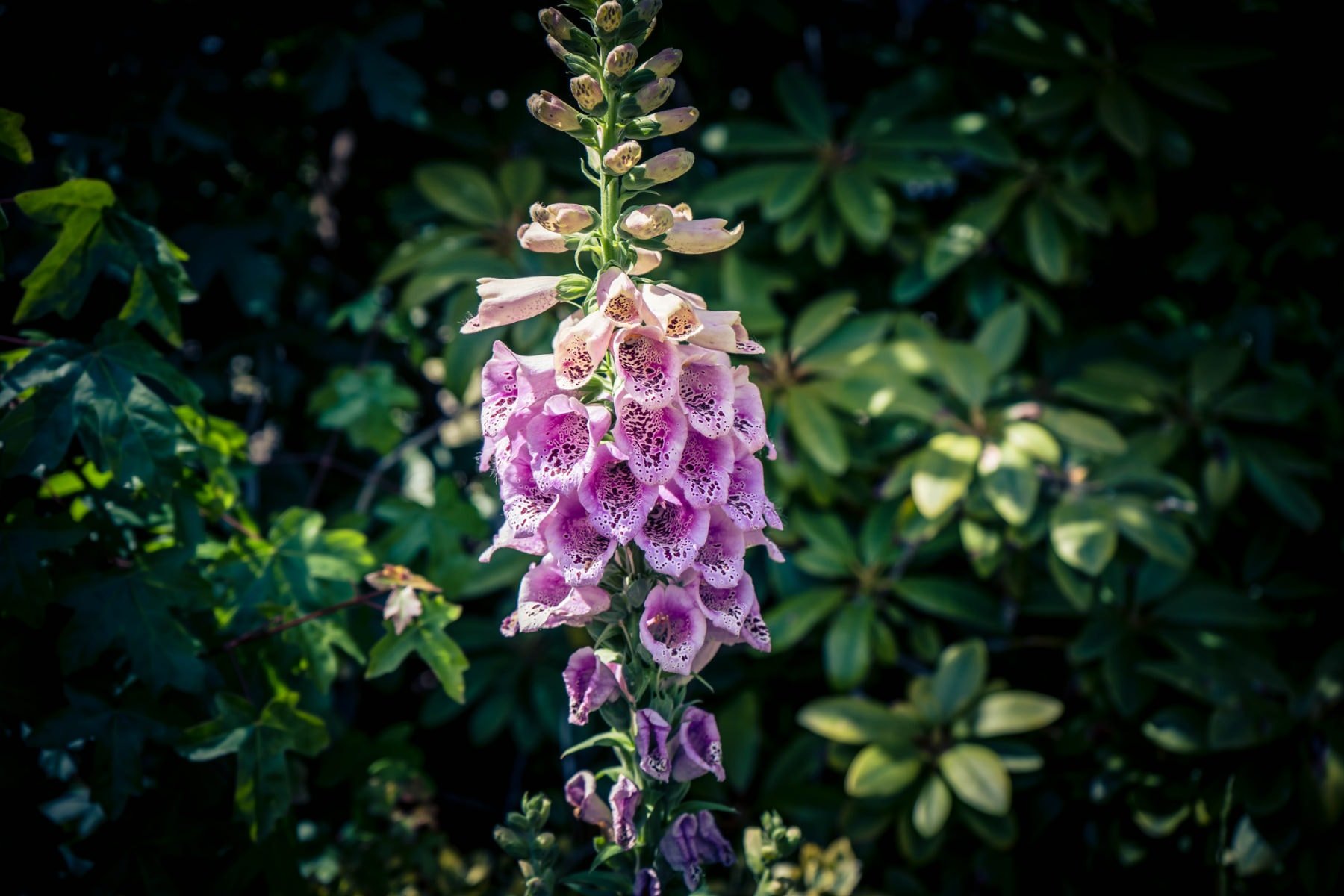
Foxgloves, otherwise known as digitalis, is a colourful flower – coming in pink, purple, white, or orange – with some purported medicinal applications. It is wonderful for attracting bumblebees to your garden.
These seeds need light to germinate, so press them lightly into compost and soil, and be sure to not cover them completely. Water a little, but not too much, after sowing. Remove weeds or any debris from the soil before sowing. Thin the seeds so they can grow properly.
Try growing ‘Camelot’ or ‘Pam’s Choice’. ‘Alba’ is also beautiful as it has a strong white colour.
Nerine
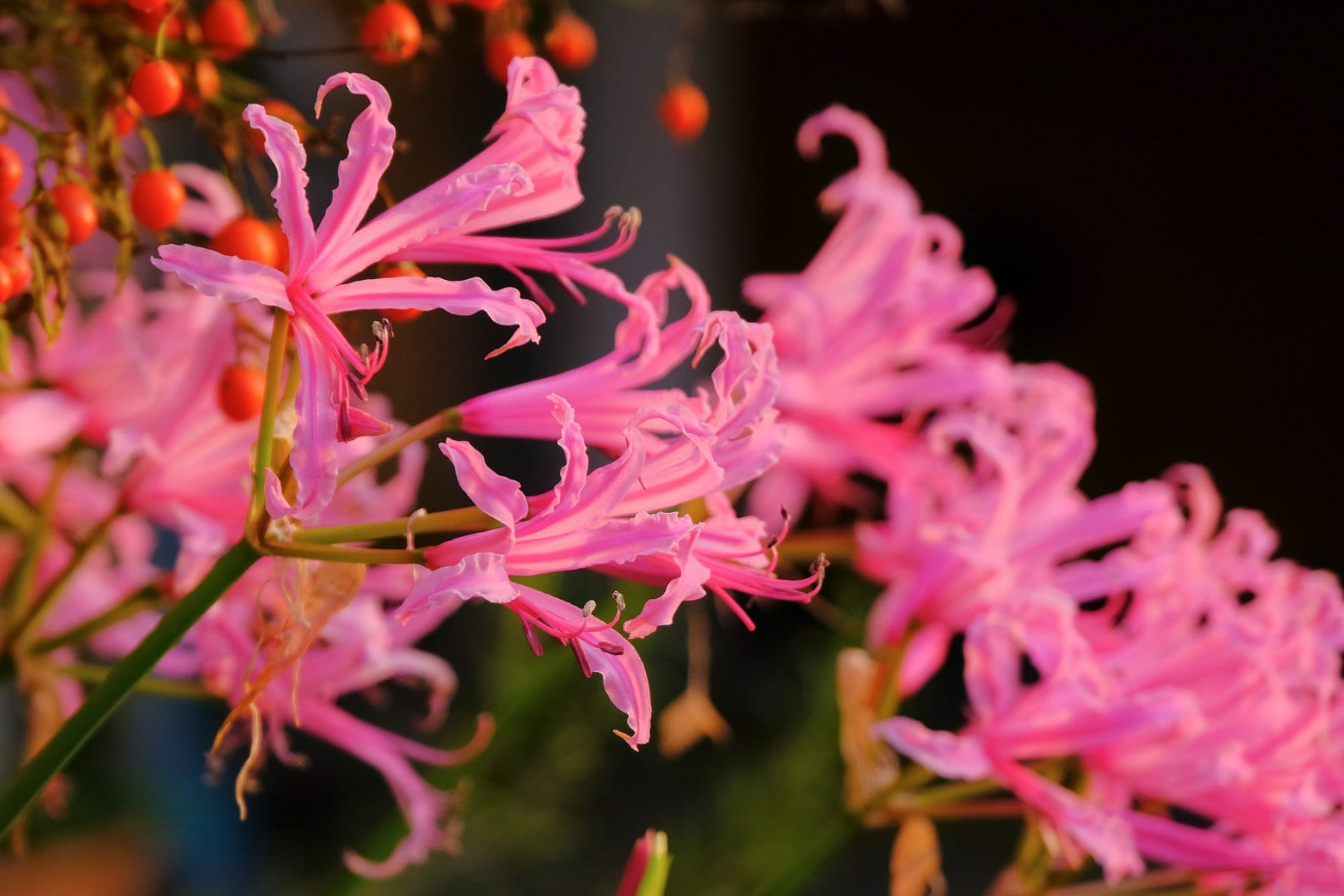
Native to southern parts of Africa, this plant will look gorgeous in your garden. They are sometimes confused with lilies, and their pink and red leaves can liven up borders or work well as cut flowers.
Grow under full sun in well-drained soil. Shelter could be provided by a south-facing wall. With too much shade, however, flowering will be discouraged, and if the soil is too fine, leaves will grow at the expense of flowers. Sow the seeds just below the surface, and around 3 inches apart. ‘Alba’, ‘Patricia’, and ‘Kathleen Pollock’ are interesting species to grow.
Slugs can be a pest, so use slug traps to manage this problem.
Chinese Lantern
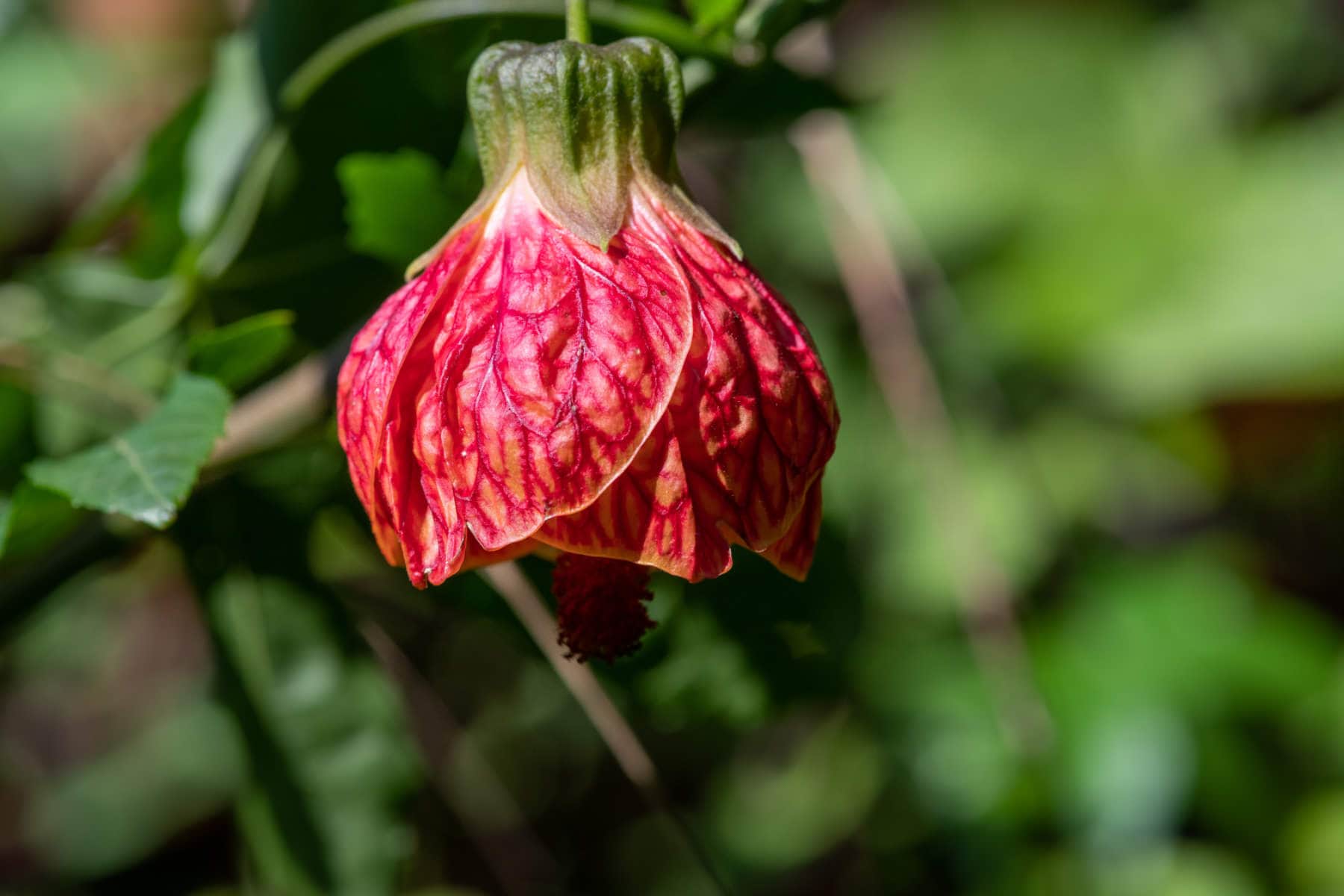
This hardy perennial gives off a vibrant orange colour, and its pods look like paper lanterns, though its Latin name means ‘bladder’, so it is probably wiser to stick to the colloquial term!
Sow the seeds in rich, moist, organic, well-drained soil, in a place that gets full sun. The seeds can be sown around ¼ underground, and seedlings should emerge 2-3 weeks later. Remember to prepare the soil keeping moist and by placing organic material into the top 8 inches. Remove any weeds or debris. Mulches can be used to retain moisture and to regulate temperature. As always, keep the mulch off the plant’s leaves in order to avoid rot. Water once a week and use a slow release fertilizer once the seedlings emerge.
Again, slugs can be a problem. Use slug traps or more organic solutions. Aphids can be picked or watered off, while good ventilation will keep powdery mildew under control.
Geum
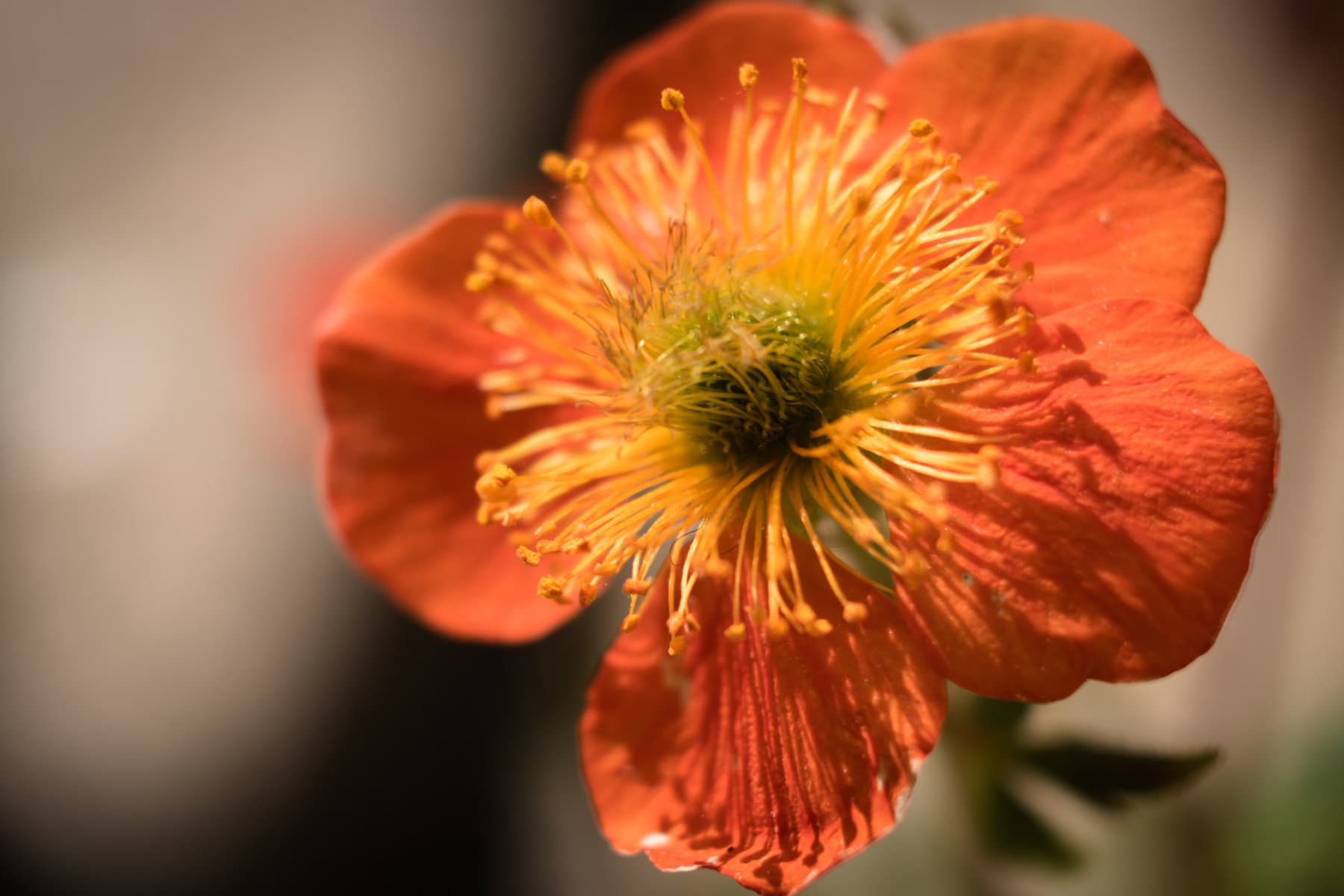
Geums are hardy perennials that can flower at different times of the year. They look great at the front or middle of a border, as they can grow 20 inches in height. They come in yellow, orange, and red, so you can pick which ones are best for your garden.
Seeds should be sown in moisture-retentive soil, and they do quite well in acid or alkaline soils. If the soil is too hot, too dry, or too wet, results will not be as good. A shady spot is also preferable. Use mulch to retain moisture, and water well of the temperatures are particulary high. Deadhead the plants when possible and divide the plant every three years to lengthen the flowering period.
Use chemicals to keep weevils under control, but fortunately, geums do not typically attract a lot of pests.
Try growing ‘Koi’, ‘Leonard’s Variety’, or ‘Alabama Slammer’.
Geraniums

Geraniums can be annual, biannual, or perennial. It is sometimes known as cranesbill on account of its appearance and unusual seed dispersal technique. This flower can come in purple, pink, blue, or white, and it can pair well with grapevine, roses, or alyssums.
Sow the seeds in any fertile soil. As long as the soil has good drainage and the seeds are well-spaced, it should grow well, particularly if the seeds are exposed to full sun or partial shade. Using a balanced organic fertilizer with some coarse, well-rotted compost is also a good idea. Remember to water moderately, as too little or too much will harm the flower.
Happy Growing
As you can see, July is a great month for sowing lots of different colourful and beautifully scented flowers and plants. By following our tips above, these seeds will be growing in no time.
Have fun!
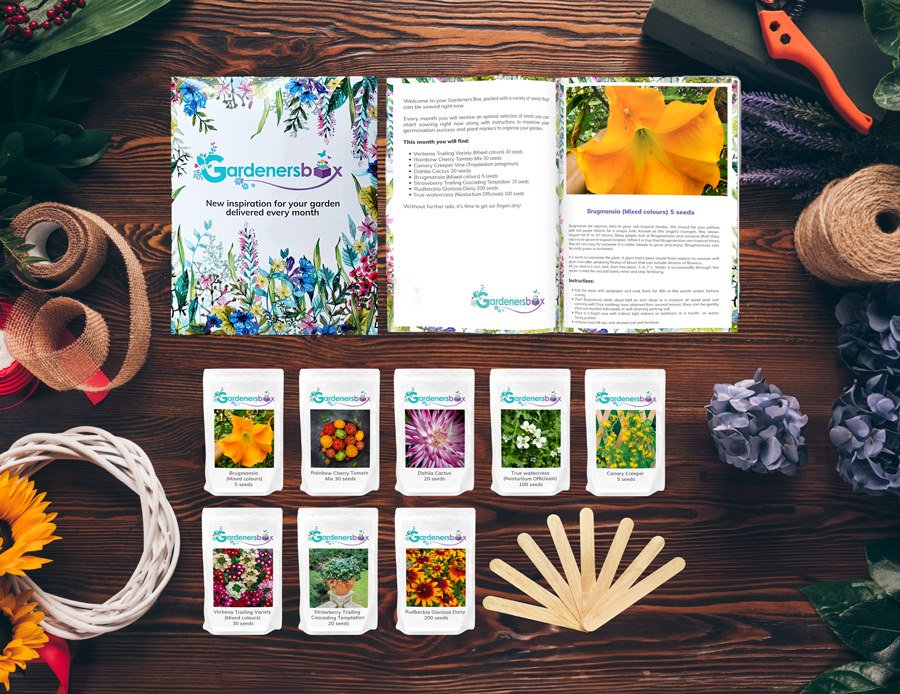
Want to get fresh herb and plant seeds delivered monthly?
Planning a garden all year round and sourcing seeds from all over the world is hard work, especially if you want to keep your garden interesting year after year.
That’s why we created Gardeners Box, each month, receive the hand-curated seeds we recommend sowing right now to brighten your garden, along with detailed instructions, and plant markers all starting from just £9.99. Click here to find out more.