
Vegetable & Fruits Planting Calendar
Vegetable & fruit seeds to sow in August – Planting Guide

Aug
Vegetable & fruit seeds to sow in August
As summer draws to a close, August presents an ideal time to sow a variety of vegetable and fruit seeds. This blog post will serve as a comprehensive guide, providing expert advice on the best seeds to plant during this time of the year. Whether you have a spacious garden, a small balcony, or even just a windowsill, we will explore a range of options suitable for different environments. By following this planting guide, you can ensure a bountiful harvest in the months to come.
Sowing Indoors
Try growing these in your home or in a greenhouse.
Chervil
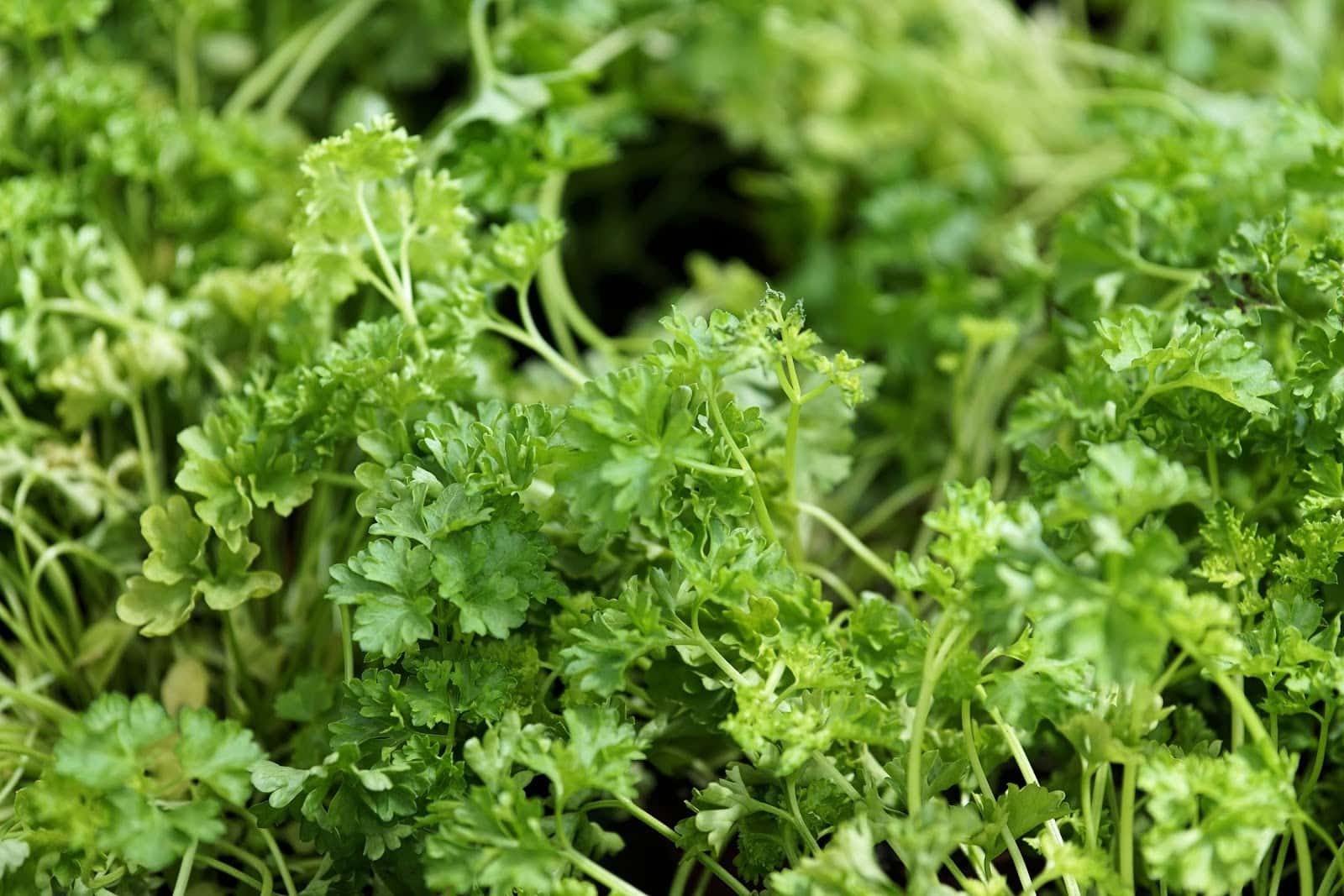
Chervil is also called French parsley, and it is a flavoursome herb used to enrich many different dishes. In folk medicine, it is also said to be a digestive aid.Fill small pots with seed compost, dampen the seeds, sow lightly, and cover. Until the seeds have germinated, use a propagator. Once the seeds are big enough, they can be moved to their own individual pots. Place these pots in a cool spot and water regularly.Use traps to keep slugs under control, while a blast of water will remedy an aphid attack.
Winter lettuce
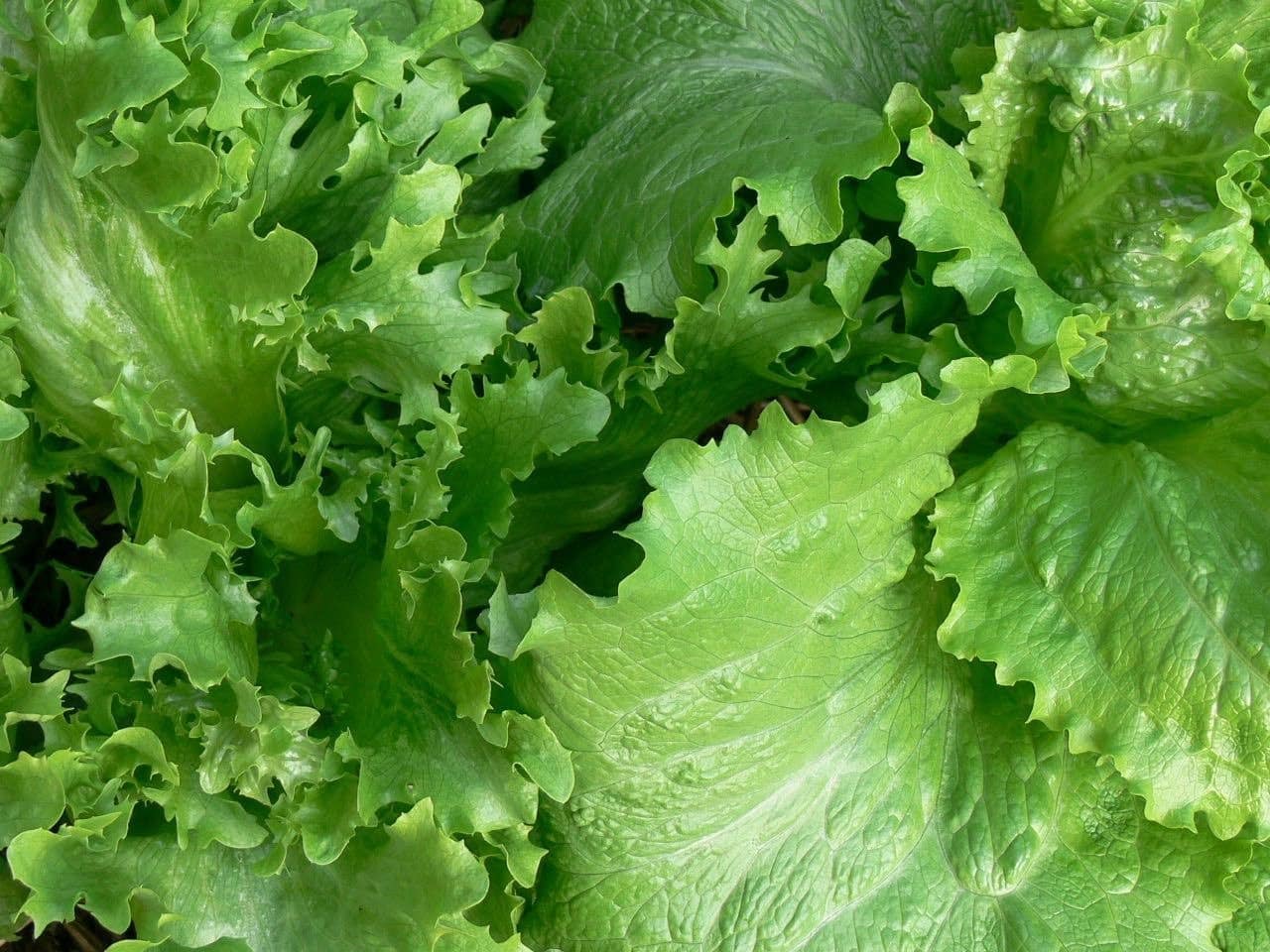
Lettuce is green, nutritious, and it is easy to grow. Try ‘Winter Marvel’, ‘Artic King’, or ‘Tom Thumb’.The first step is to find a sunny spot in your home, so a south-facing window or any spot that gets hours of sunshine is ideal. Failing this, you can buy special grow lights. Make sure that the spot you choose does not get too much heat or too much of a draft. Next, use flat, shallow containers with good drainage. Use some kind of seed starting mix; normal garden soil is too coarse for winter lettuce. Scatter the seeds on the seed mix, which should be moistened beforehand, and then cover with a thin layer of seed mix. To maintain moisture, cover them lightly with a wrap or lid. Once sprouting has occurred, remove the lid or covering and space the seeds to around an inch apart. At this point, use fertilizer to aid growth. After a month, they will be ready to eat.
Dwarf beans
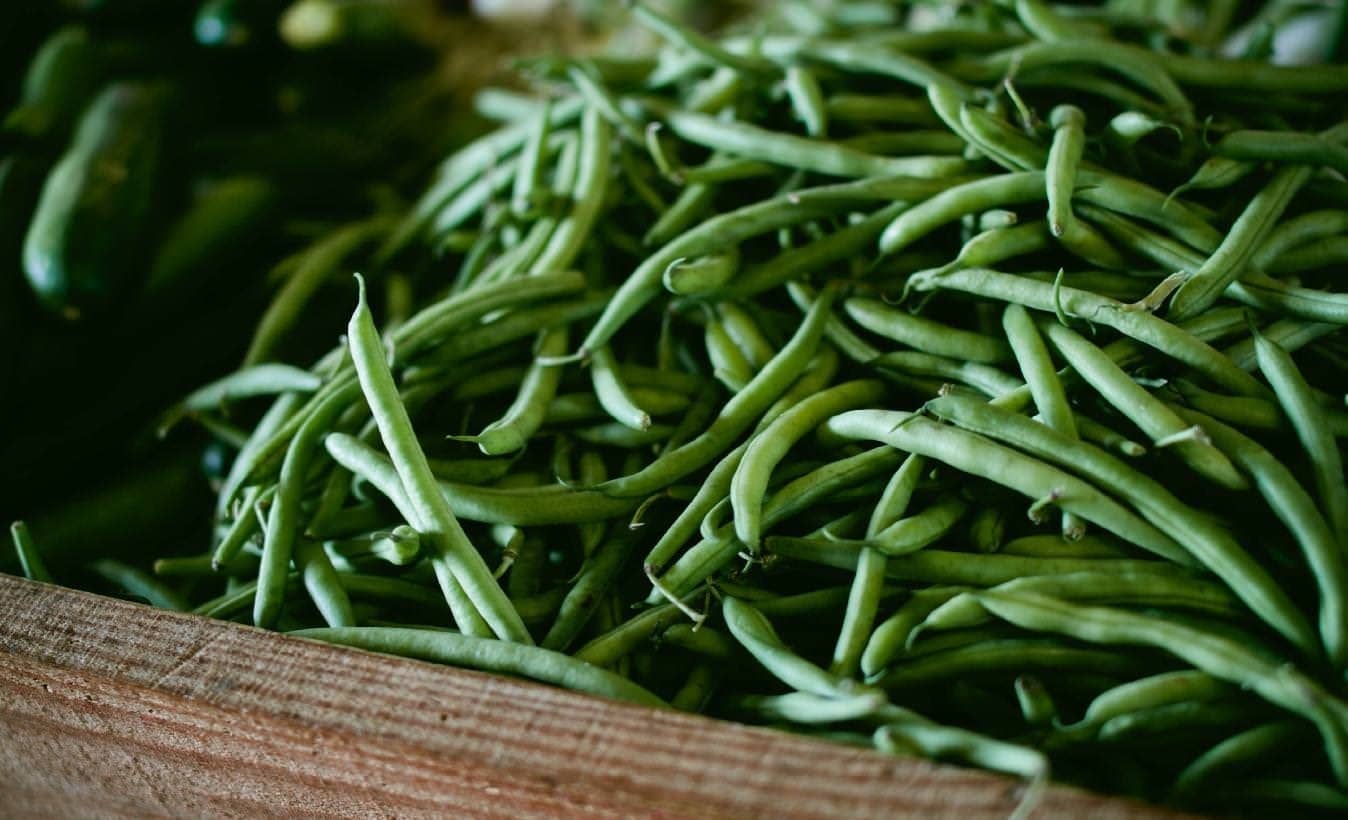
Known alternatively as the common or French bean, the dwarf bean has been cultivated for centuries. The ‘Speedy’ variety is a good option for August.In a container, these seeds should be covered with 1 inch of soil. By watering well and keeping the soil moist, germination will occur after a week. The growing seeds will also need a few hours of light a day, which can come from grow lights or sunlight, and temperatures should not get too hot.
Japanese onions

Japanese onions are quite robust, which makes them ideal for growing over the colder months. You can grow ‘Senshyu’ and ‘Radar’.In general, these onions do not require much light. Plant the seeds in a module and cover lightly with soil. You can also use compost, which should be kept moist. If conditions are too wet, however, then the seeds will rot. Place the modules next to a sunny spot. By September, they can be transferred to a garden, where the soil is well-drained and sheltered. Avoid using fertilizer – this will only promote rot and disease. In very cold weather, use fleece to protect the onions.
Chicory
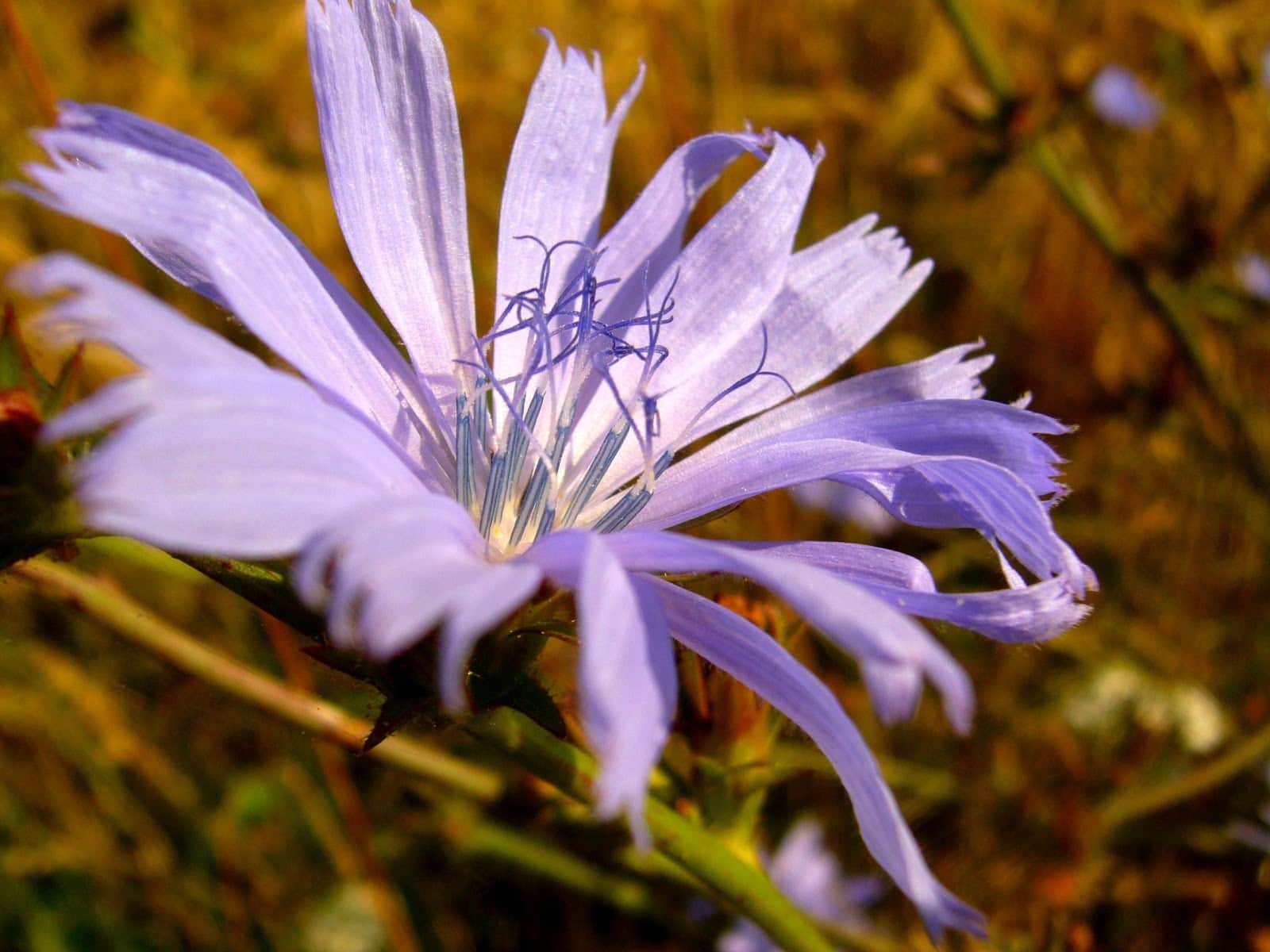
Chicory is a flowering plant that comes from the dandelion family. It is used in a wide variety of dishes and drinks, including coffee, and it has some purported health benefits. Try growing ‘Flash’, ‘Zoom’ or ‘Firebird’.These seeds can be sown 6-10 inches apart in rows that are spaced 2-3 feet apart, around ¼ inches under the well-drained soil. Use organic matter to enrich this soil. If it gets too crowded, feel free to increase the distance between the plants, but having them relatively close together discourages weed growth. Water regularly and use a mulch to avoid moisture loss. After a month, they can be transplanted to a sunny spot in the garden, where nitrogen-based fertilizer will help them grow.
Sowing Outdoors
Try these in your garden.
Kohlrabi
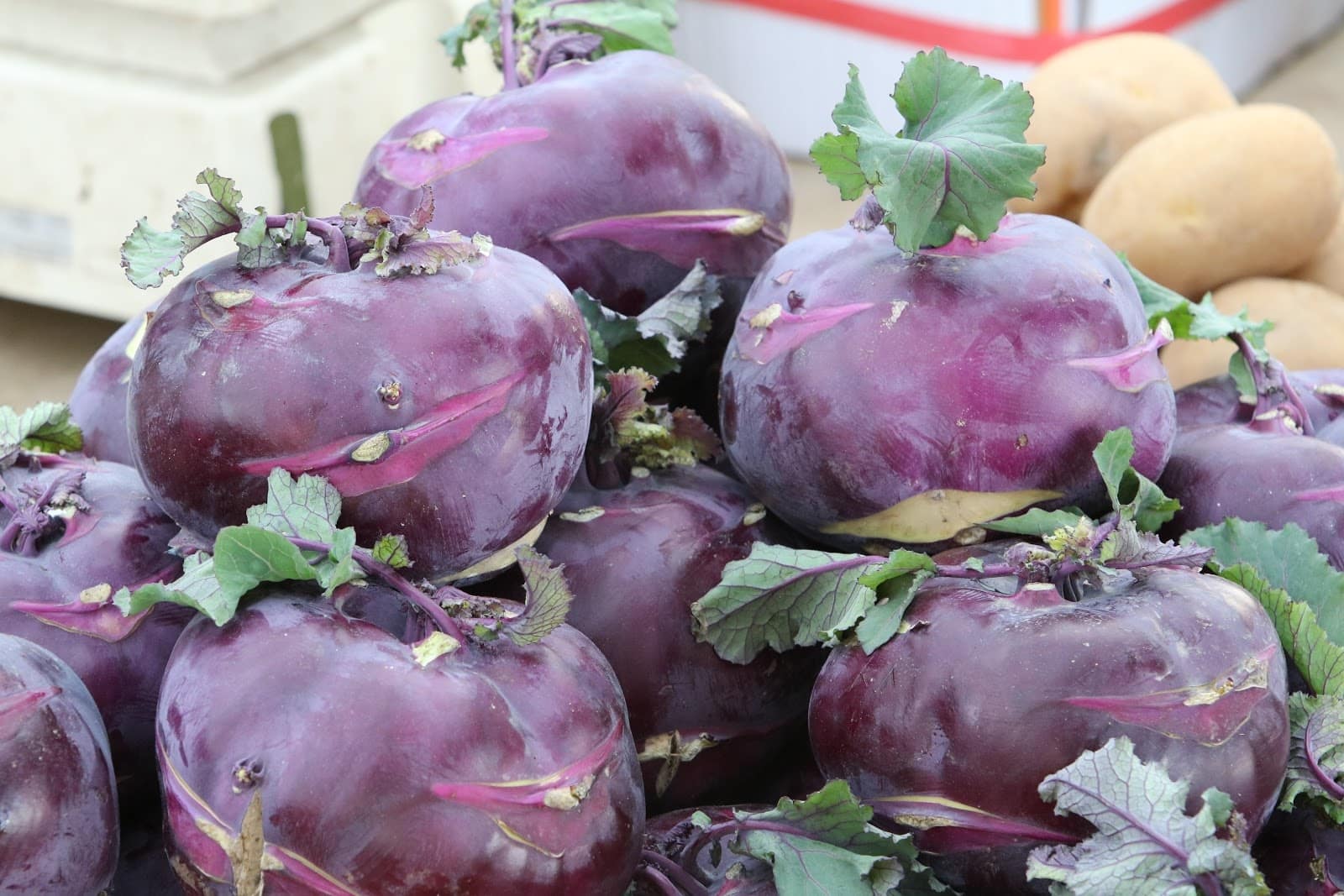
Also called German turnip, it comes from the same family as cabbage, broccoli, and kale. It is, however, not related to turnips, despite its name. Kohlrabi can be eaten raw or cooked, and it can be enjoyed stewed or roasted.Sow these seeds around 1 inch under the soil, and space them around 2 inches apart. Whole rows can be 10 inches apart. Remember to water well because a lack of water will lead to a woody stem. Mulch is also a good option, though grass cuttings can do the same job and they are a cheaper alternative. After 10 days, seedlings will appear, and they can be placed 10 feet apart. The soil you use can be of any variety. When the seeds reach the size of a golf ball, they are ready to harvest.
Chard
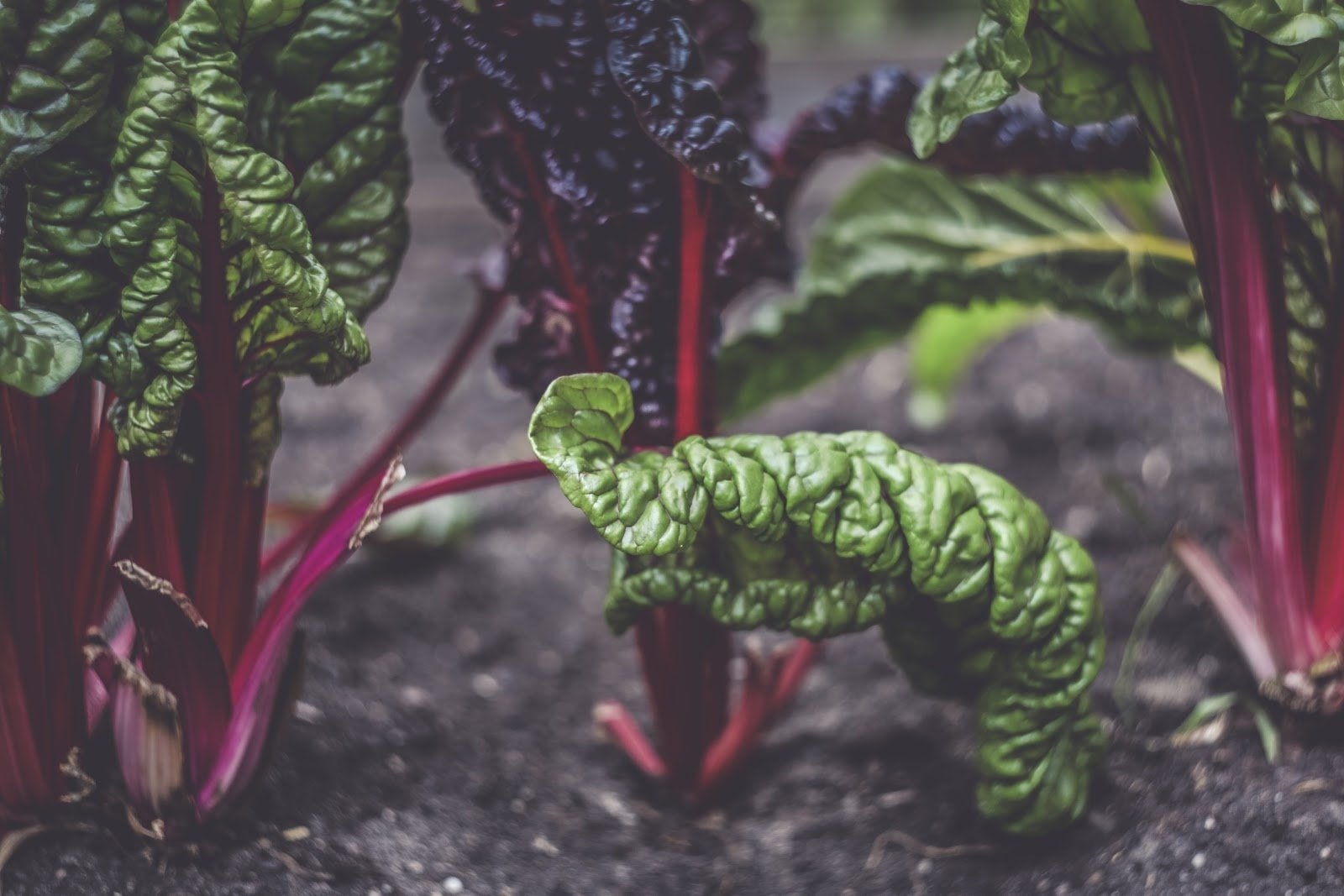
Like other leafy green vegetables, chard is highly nutritious as it is a wonderful alternative to spinach. August is the last time of the year these seeds can be sown, and they also make a colourful addition to your garden borders.In well-prepared soil, in a sunny spot, make a shallow drill and sow the seeds around 1 inch deep. Cover with soil and water well. Sow in rows that are spaced 15 inches apart.
Pak choi
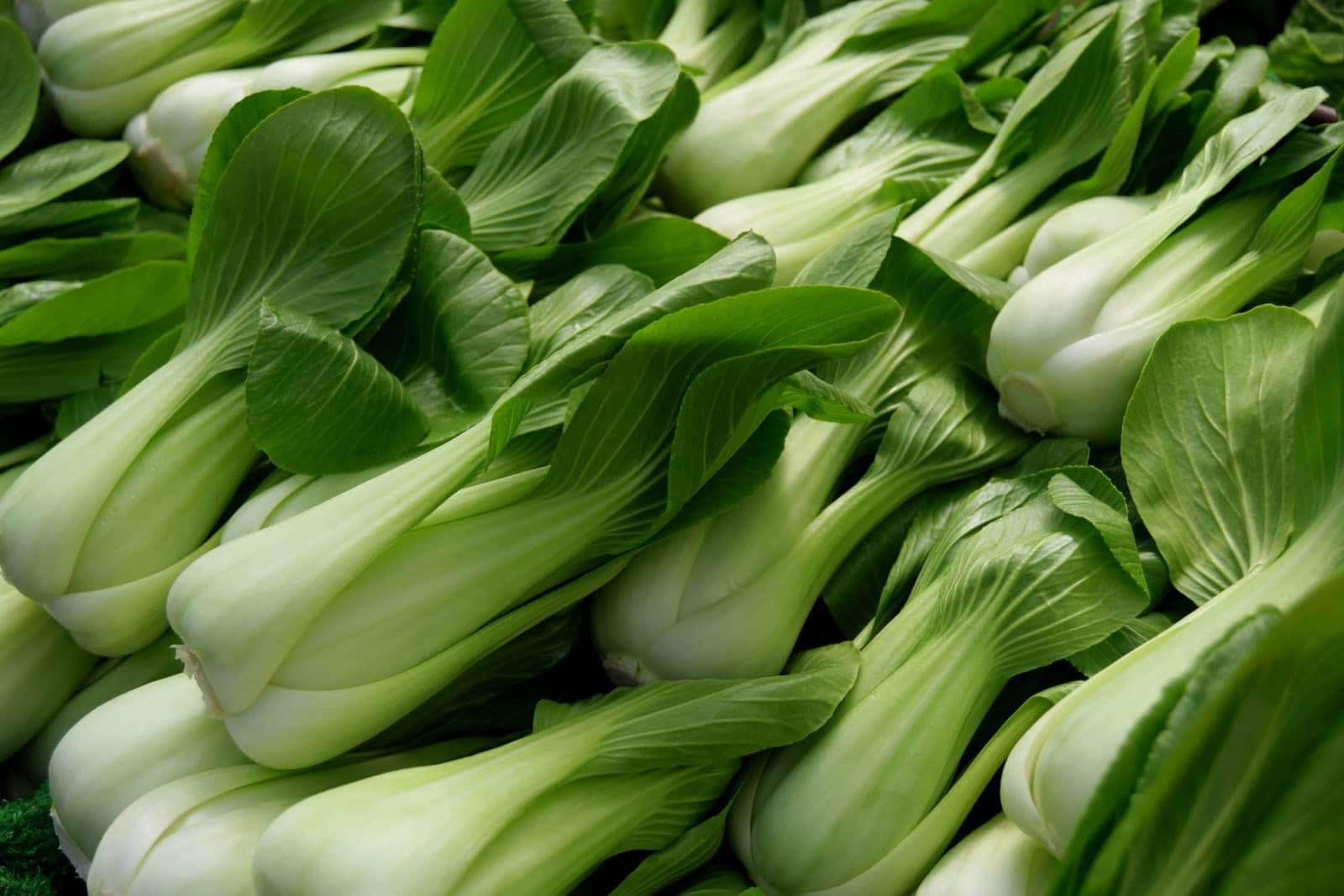
Pak choi is sometimes known as horse’s ear or white mustard cabbage. It is a member of the cabbage family, and the taste is nice and crisp. Try ‘Canton Dwarf’ or ‘Joi Choi’.Seeds can be sown ¾ inches deep in rows that are 12-15 inches apart, though further thinning will be required as the seeds grow. Be sure to water the seeds well. A lack of water will cause bolting and it will ruin the flavour.Moisture will also keep powdery mildew at bay. Flea beetles can also attack the plant by leaving small holes in the leaves and turning them brown. Fleece can keep this beetle away, while nitrogen-based fertilizer will help ensure the plant will outgrow any damage done by this pest.
Cabbage
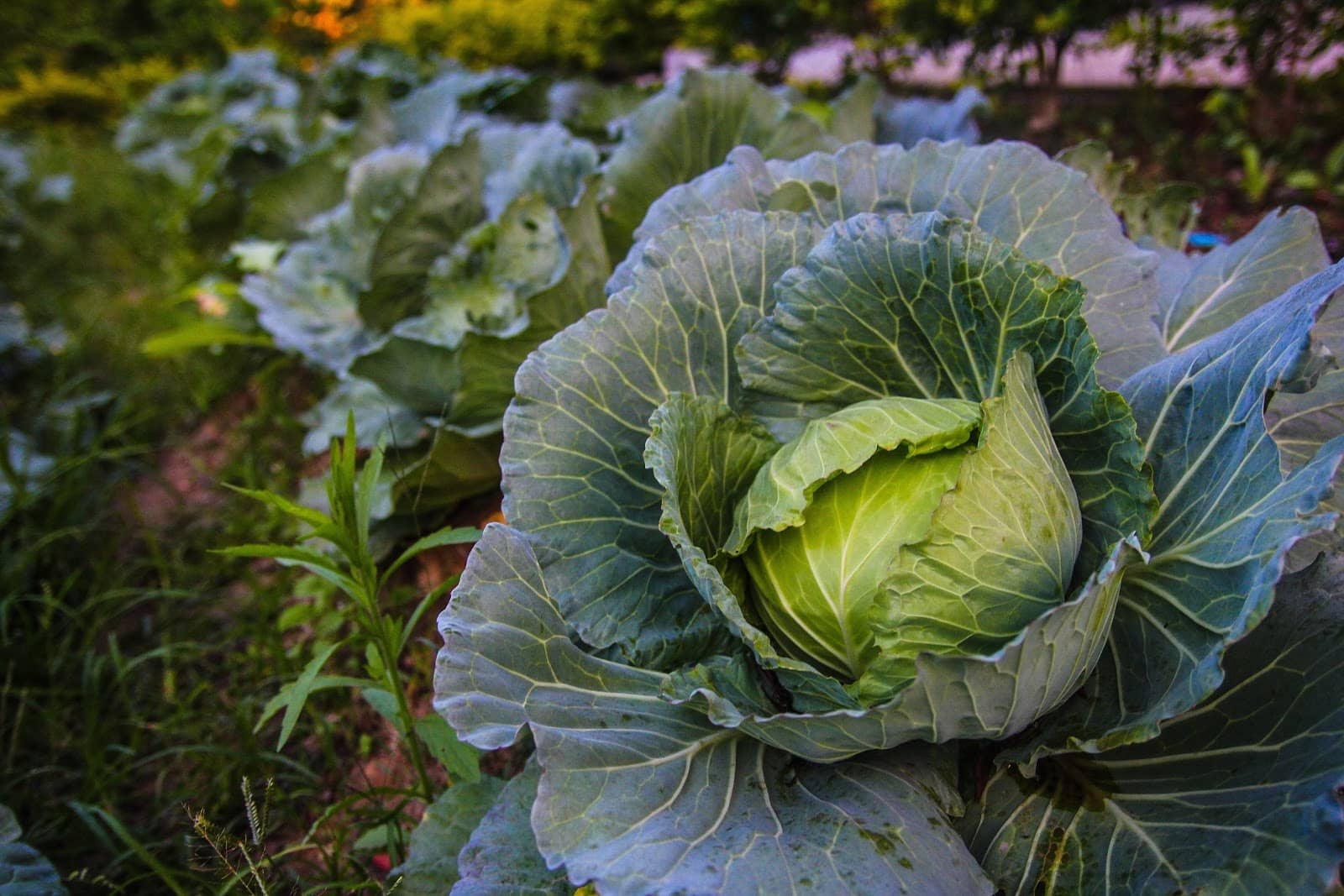
Cabbage has been a feature of the European diet for centuries, and it can be eaten stewed, steamed, braised, or sautéed, and it is packed with vitamins and fibre. It is closely related to cauliflower and Brussels sprouts.Plant cabbage seeds in a sunny spot with good soil. It is also a good idea to add compost or manure and remember not to sow the seeds in the same spot as the previous year. They grow quite large, so you can consider whether it is a good idea to grow it in your main vegetable patch.Insect-proof mesh will help protect the growing cabbages from caterpillars and cabbage root fly. The former will make holes in your leaves, while the latter pest will significantly stunt the growth of the plant. Traps will keep slugs under control while keeping the soil moist will help prevent clubroot.
Strawberries
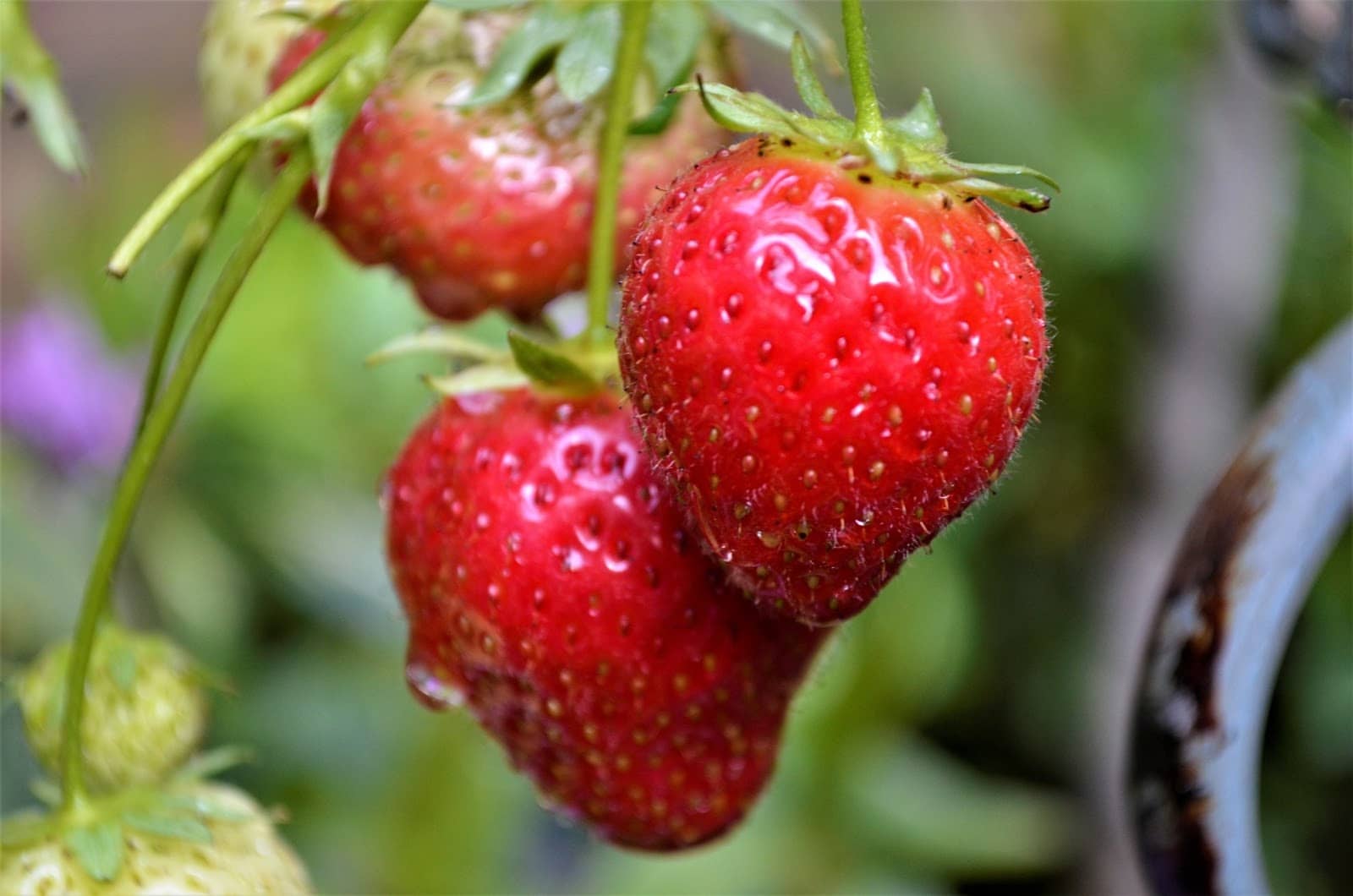
Botanically speaking, strawberries are not berries, but they are a nice treat during the summer months.Rich, fertile, well-drained soil in a sunny spot is ideal for growing strawberries, but it is important not to place the seeds too deeply or too close to the surface. These seeds need shelter, too, as wind inhibits their growth. The soil should be prepared well, so fork it thoroughly and add organic material and fertilizer. Make rows, and space the plants 18 inches apart. To encourage germination, water regularly.Use netting to keep birds away. Squirrels are unlikely to be a problem, but they can be kept out with wire meshing. Be careful not to dislodge these delicate plants when weeding.
Do you want to take your garden to the next level?
Planning a garden all year round and sourcing seeds from all over the world is hard work, especially if you want to keep your garden interesting year after year.
That’s why we created Gardeners Box, each month receive the hand-curated seeds we recommend sowing right now to brighten your garden, along with detailed instructions, and plant markers all starting from just £9.99. Click here to find out more.

