
Flowers & Plants Planting Calendar
Flower & Plant Seeds to Grow in May – 2023 Sowing Guide
May
A new month brings a fresh start and a chance to get out in the sun for some gardening!
In May, gardeners should focus on essential tasks such as lawn care, weeding, pruning, planting, sowing, staking, and watering to ensure a healthy and productive garden. These efforts help to maintain an attractive garden throughout the summer months while keeping it resilient to pests and diseases.
Spring is in full swing and summer is just around the corner, so this is a fantastic time to sow flowers and plant seeds in your garden. And do not worry if you have already planted some of these seeds already – repeated sowings will ensure colourful and amazing blooms until autumn. So, let’s dive straight in.
Dill
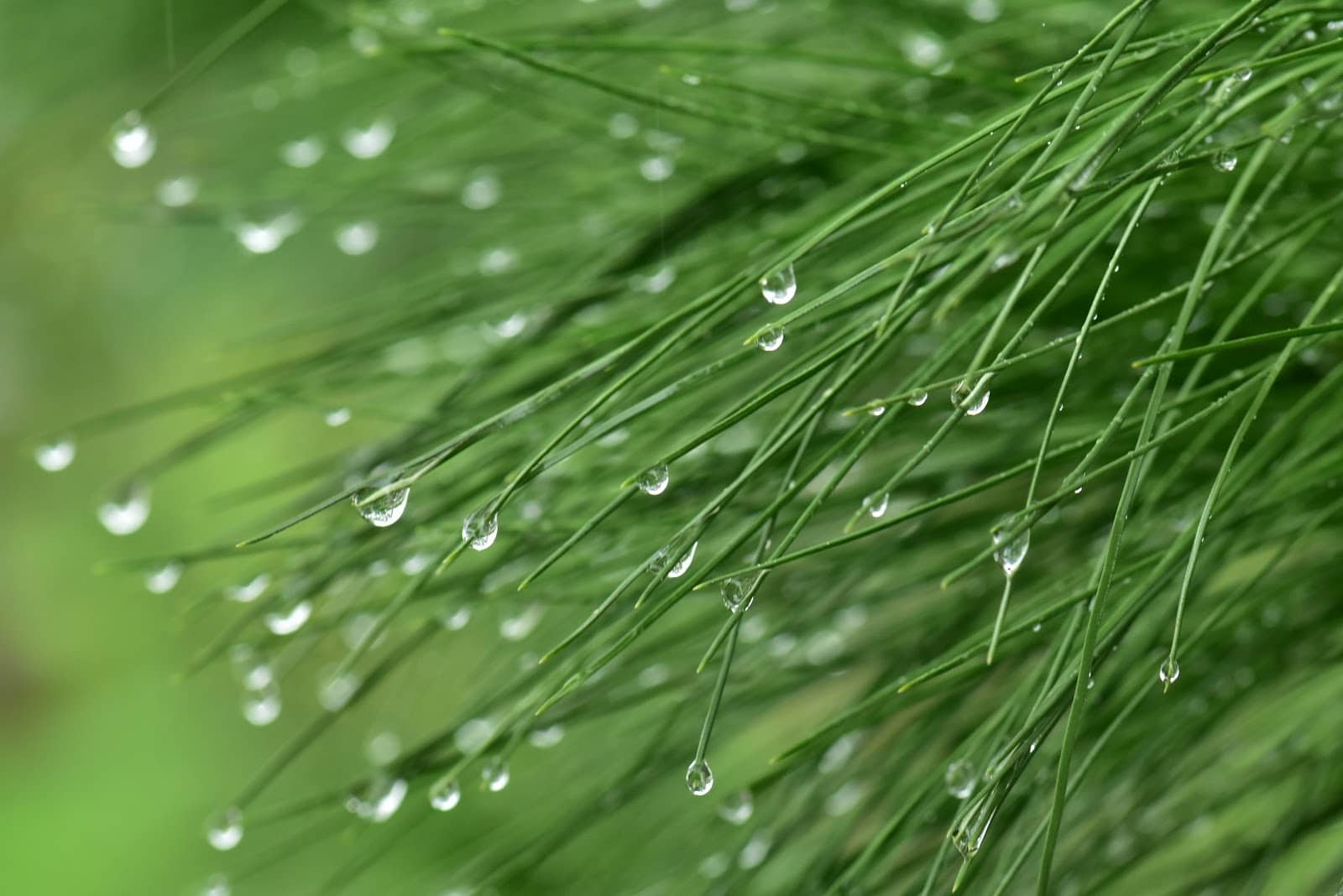
Dill is a beautiful looking plant and it comes with two great benefits: it attracts wildlife to your garden and its leaves are great for giving anise flavour to anything you are cooking.Dill is a herb that has been used for centuries to flavor food. It can be used as an aromatic garnish, in salads, and of course in soups. Dill can also be made into dill pickles which are perfect for adding some spice to any meal!Dill is very easy to grow so why not give it a try? You may find out you have a new favorite herb!It is difficult to transplant Dill, so sow the seeds directly into the ground, preferably in fertile soil, in a spot that attracts plenty of sunlight. The seeds should be placed 1 cm underground and covered lightly with soil. When they are large enough, keep them 15 cm apart. As they grow, remember to water sufficiently and to support the plant with sticks.Removed weeds from the area around the plant, and be mindful of slugs and snails, which can be kept away with beer traps or bio-controls.
Cornflowers

If you want Cornflowers to bloom this year, May is your last opportunity to plant these seeds.These blue flowers love to grow in well-drained soil under the sun. After removing weeds and debris from the soil, sow the seeds 12 mm deep, in rows spaced 30 cm apart. You have the option of further spacing the plants if they get crowded.
Sunflowers
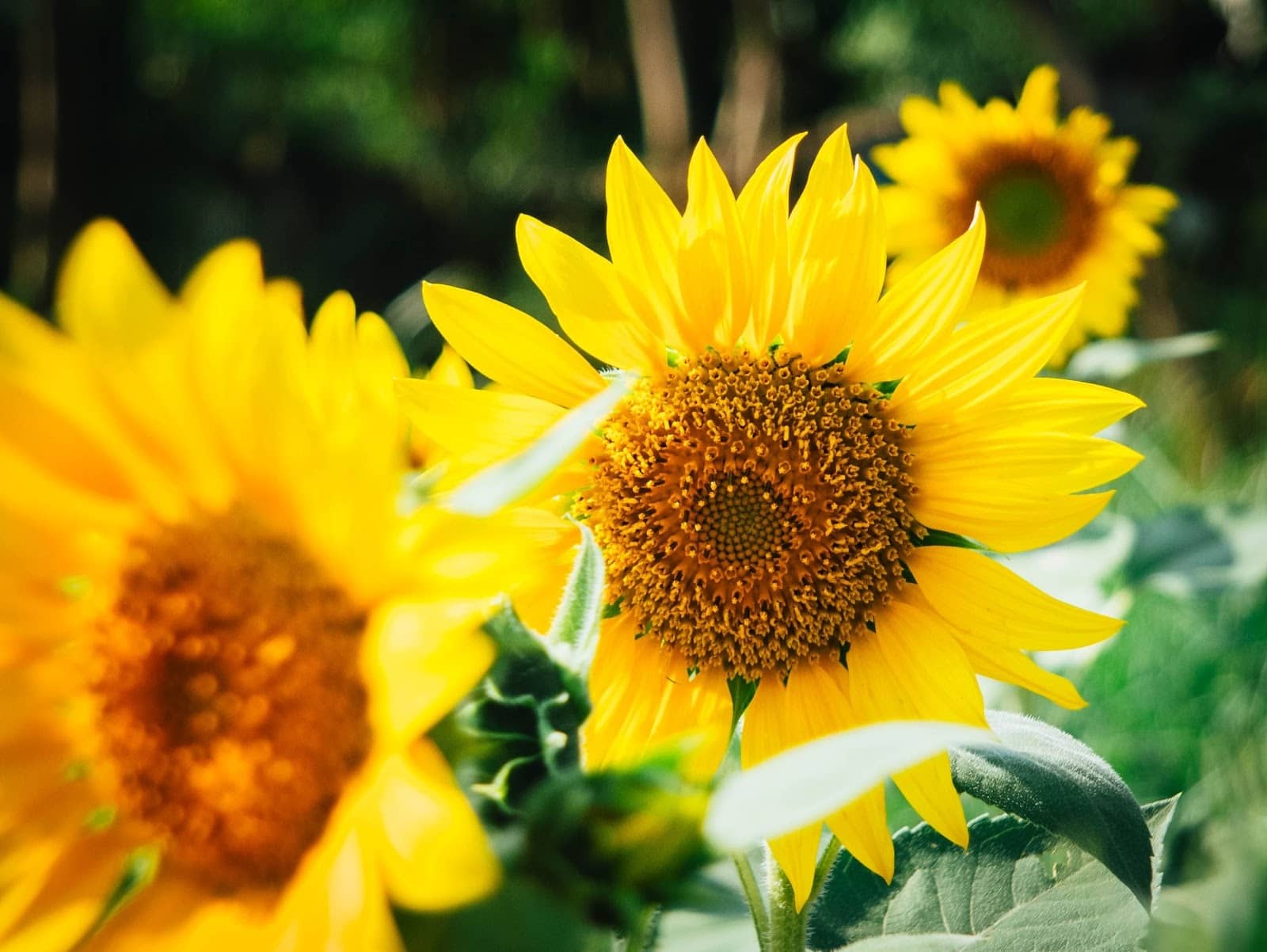
These bright, yellow flowers captivated van Gogh, and they are ideal for your garden.Sunflowers are easy to grow because they tolerate any kind of soil, as long as that soil is not waterlogged. Keep them away from potatoes, however, as they inhibit the growth of this vegetable. Sow the seeds 6 inches apart in a shallow trench, 1-2 inches deep. Cover and water until the seeds sprout, which should take 7-10 days. You will not need fertilizer. Thin plants to 2 feet apart after the first leaves emerge.Using fungicide will kill any fungal infections. The flowers also attract birds and bees, so cover the seeds with transparent netting to stop them being eaten.
Scabious
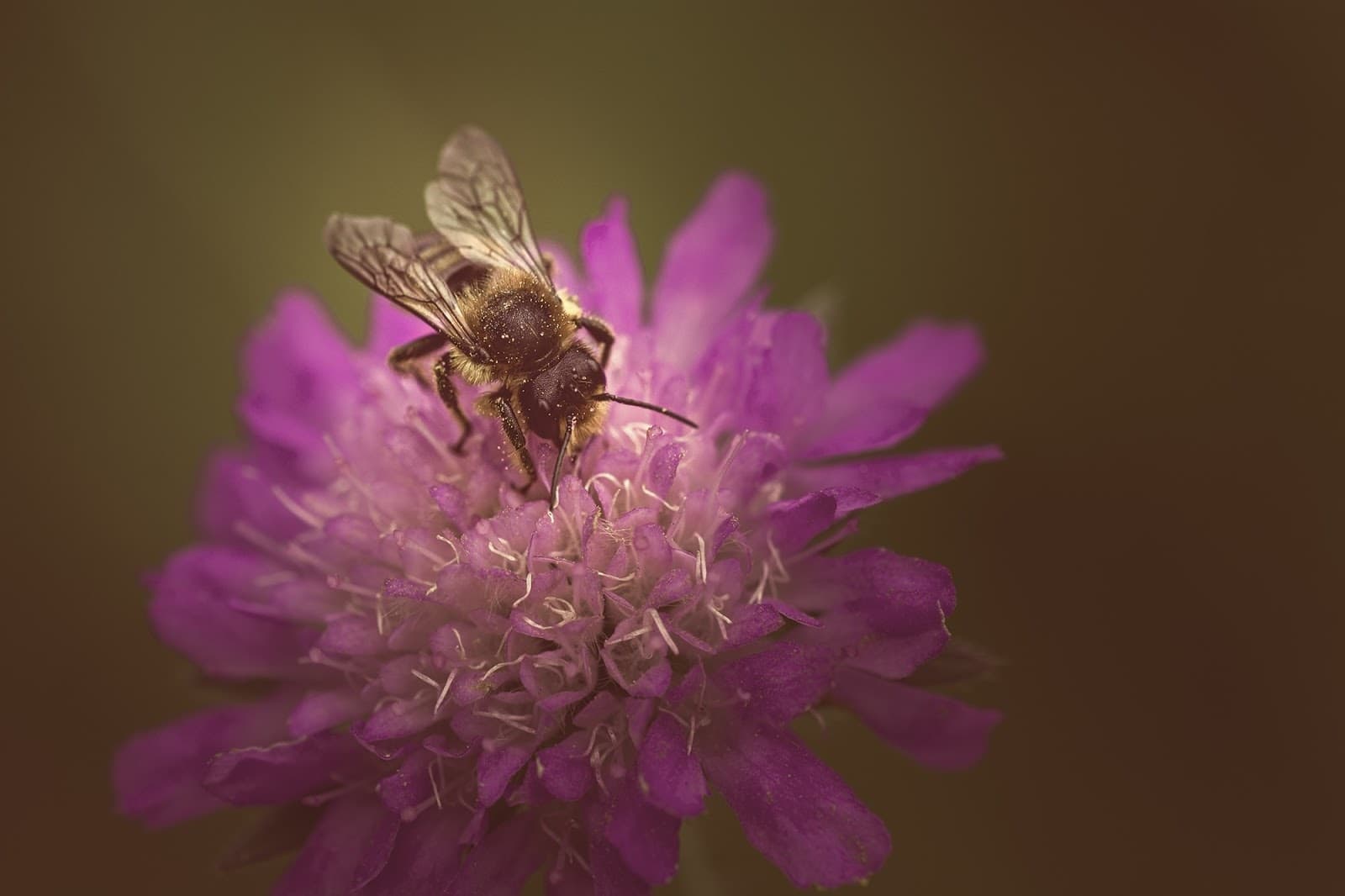
Coming in shades of blue, pink, and purple, this flower is great for attracting butterflies. Depending on the species, they can be annual or perennial. Some varieties that can brighten up your garden include ‘Black Knight’, ‘Burgundy Beau’, ‘Perfecta Alba’ and ‘Butterfly Blue’.Scabious seeds are best grown in well-drained, moist soil, in full sun or partial shade. Stake the flower if it starts growing too tall and remove dead flowers to extend the lifespan of your bloom.This flower is usually free from pests and diseases. If powdery mildew starts to take hold, use well-rotted organic material to mulch around the plant.
Zinnias
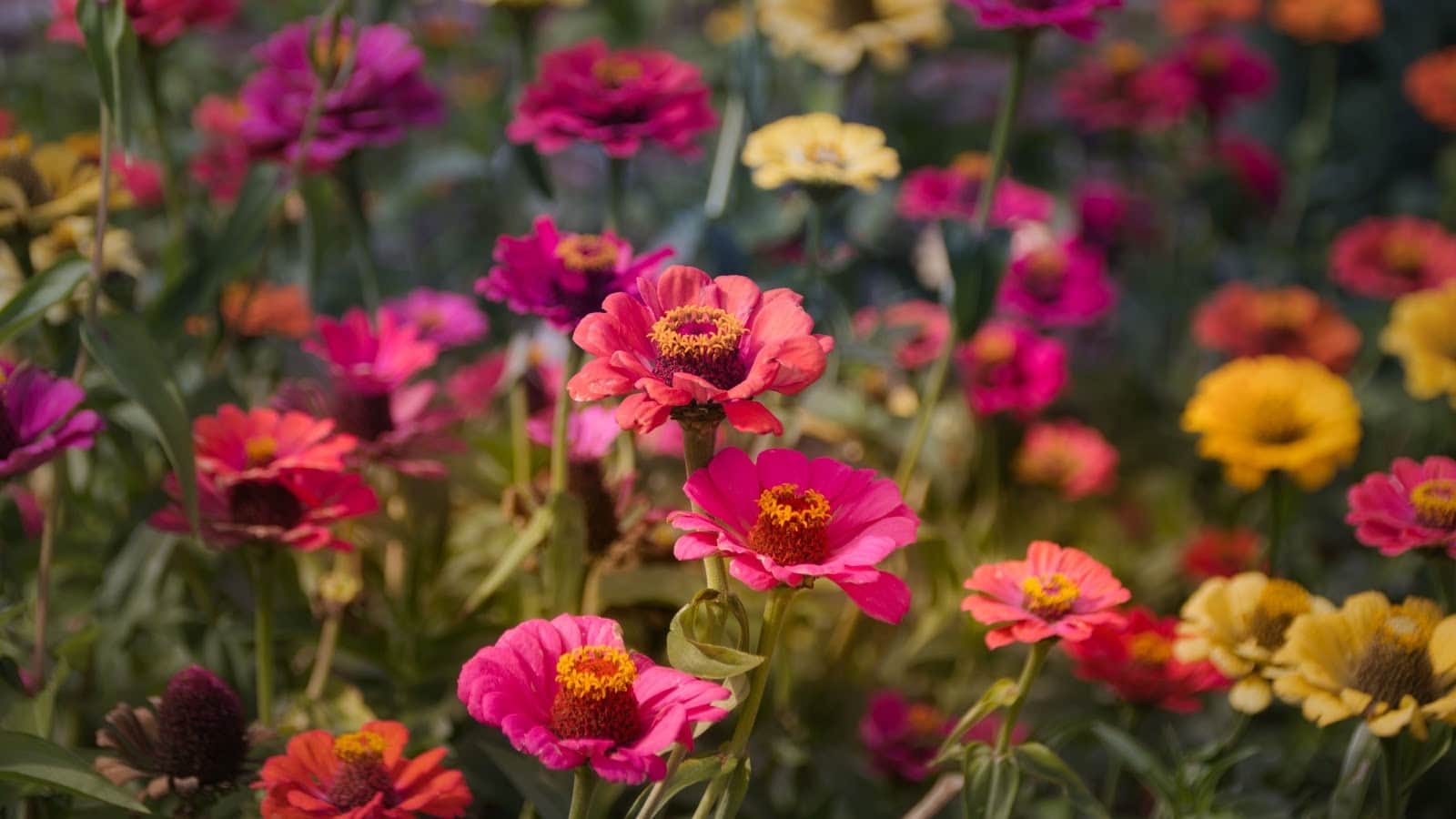
Named after a German botanist, these annual flowers come in a wide range of types and colours, and they are known for having a solitary long stem. Consider sowing ‘Liliput’, ‘Purple Prince’ or Zinnia ‘Green Envy’. They attract beneficial birds, insects, and butterflies to the garden, and they are quite easy to grow.Zinnias prefer lots of sun and rich, well-drained soil. Nevertheless, they will tolerate different soil types and they respond well to compost, especially after flowering, and they can reach maturity between 60-75 days, so if you plant on Mother’s Day, the flowers should appear by early July. If May is unusually cold, seeds can be prepared indoors, but Zinnias do not usually respond well to transplanting. When planting directly into the ground, cover lightly with soil and space the seeds 6-12 inches apart. Use liquid fertilizer to encourage the flower to grow more quickly.Be wary of harmful pests, like black spot, powdery mildew, and rust.
Nigella

Nigella is a reliable annual garden plant. Alternatively known as ‘love-in-a-mist’, ‘ragged lady’ or ‘devil in the bush’ on account of its flowers, it is a delightful addition to any garden. It can bloom in blue, lavender, pink, and white.Place 3 or 4 seeds together in well-drained soil, but not very deeply. For best results, Nigella should be sown under a lot of sunlight, though it can tolerate a bit of shade. Remember to keep the soil moist until the seeds germinate, which will most likely take 1-2 weeks. When leaves appear, thin seedlings so that they are 6-9 inches away from each other.
Godetia
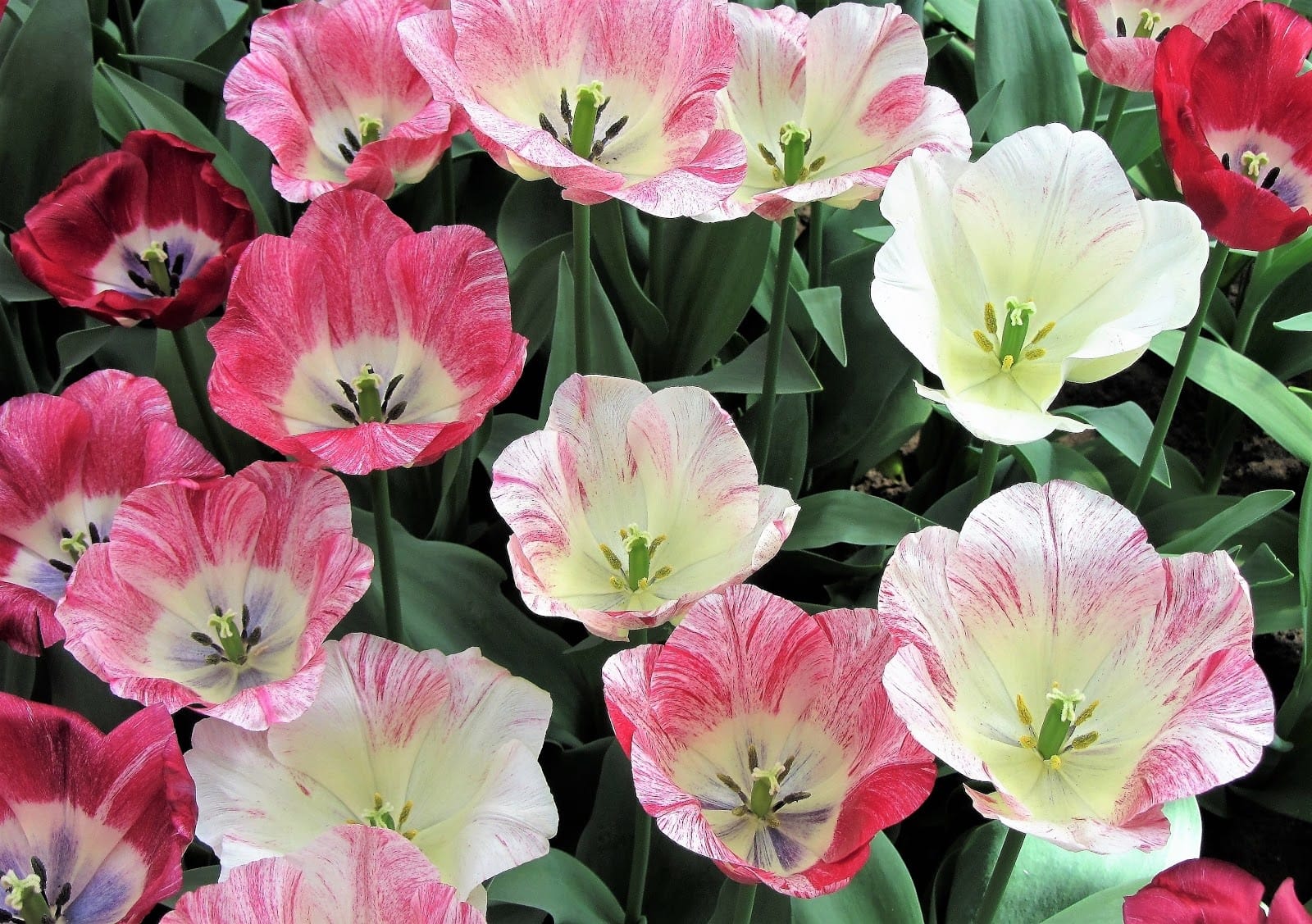
Godetia is an annual wildflower that sometimes goes by the more poetic name of ‘Farewell to Spring’, and it was named after a Swiss botanist. It blooms quickly in 1-2 months and comes in an array of colours, such as lavender, red, pink, purple, and white.Sow seeds lightly, under average or rich soil, spaced 16-20 inches apart. Godetia will thrive if it is not too crowded. Mix in compost and fertilizer when planting and keep the soil moist. Add fertilizer once a month but, other than that, this flower does not need a lot of attention because it grows easily. Nevertheless, keep weeds at bay and remember to support tall plants with stakes.
Nasturtiums
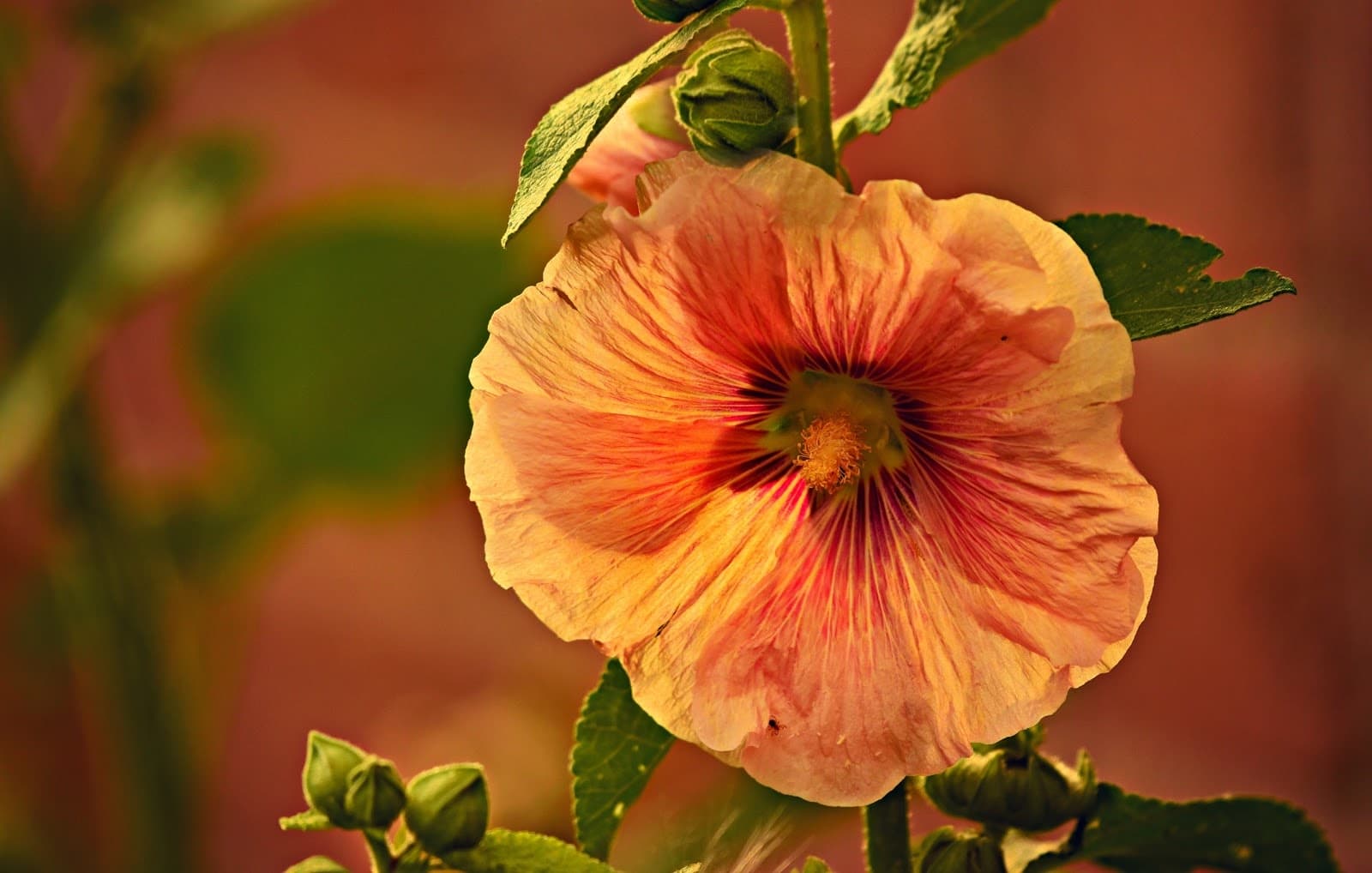
Beloved by J.R.R. Tolkien, victorious Roman soldiers and botanists through the ages, this flowering plant comes in many colours and emits a pretty scent. In herbal medicine, it has been used to treat respiratory infections, and the leaves and flowers of this plant are edible. They are said to symbolically represent the ideal of patriotism.Like most of the seeds in this list, place Nasturtiums in well-drained soil, under full sun or in partial shade. However, this plant prefers poorer rather than fertile soils. This is because fertile soils promote the growth of foliage at the expense of flowers. Sow the seeds 0.5 inches deep, 10-12 inches apart. In 7-10 days, plants should appear. Remember to water the seeds but not too much, and to cut off dead flowers in order to prolong blooming.Caterpillars and slugs are common pests, so keep them at bay with traps or bio-controls.
Candytuft
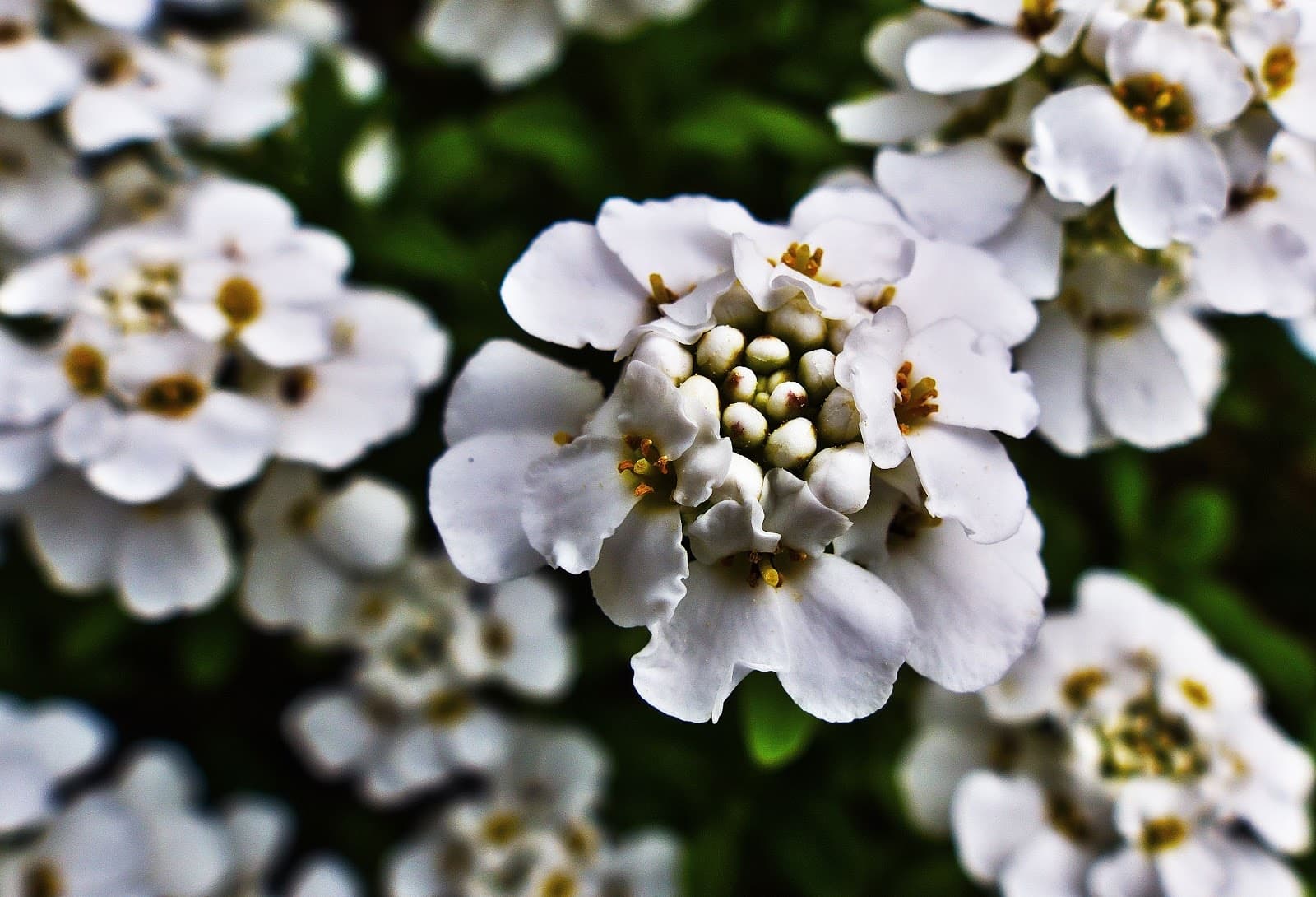
This flowering plant has annual and perennial varieties. Its name derives from an old name for the capital of Crete, while the plant also symbolically represents indifference. They can grow quite tall and they will definitely spruce up your garden, terrace edges, and walkwaysCandytuft is easy to grow because it can be grown even the rockiest of soils, but the ground needs to be well-drained, in full sun or partial shade. In addition, watering is only required from time-to-time as the plant is drought resistant. If you want to extend the duration of the blooming, feel free to cut the plant back after the initial bloom.
Morning Glories
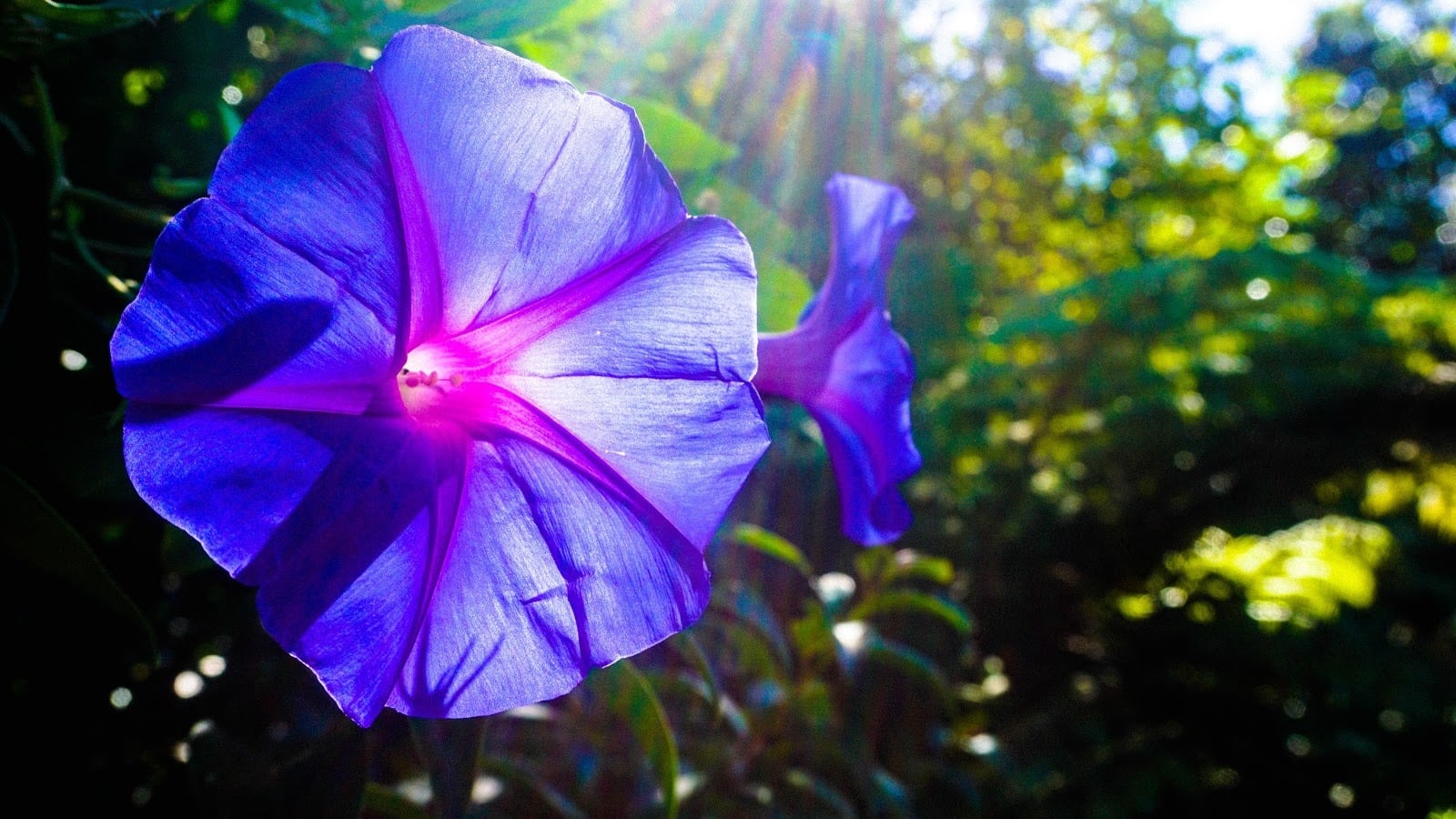
Morning glories are striking flowers – they are slender-stemmed, colourful climbers with heart-shaped leaves and flowers that curl into themselves in order to create seed pods. They attract butterflies and come in an array of colours, such as pink, purple, blue, white, and red.Before sowing these seeds, soak them for a day in a little bit of water. You will know they are ready to plant when a small white growth emerges. These sprouted seeds can be placed six inches apart and covered lightly by soil. After 7-10 days of good watering, seedlings will emerge, though it will take longer for flowers to appear, so you can expect that to occur between July and August.
Moonflower
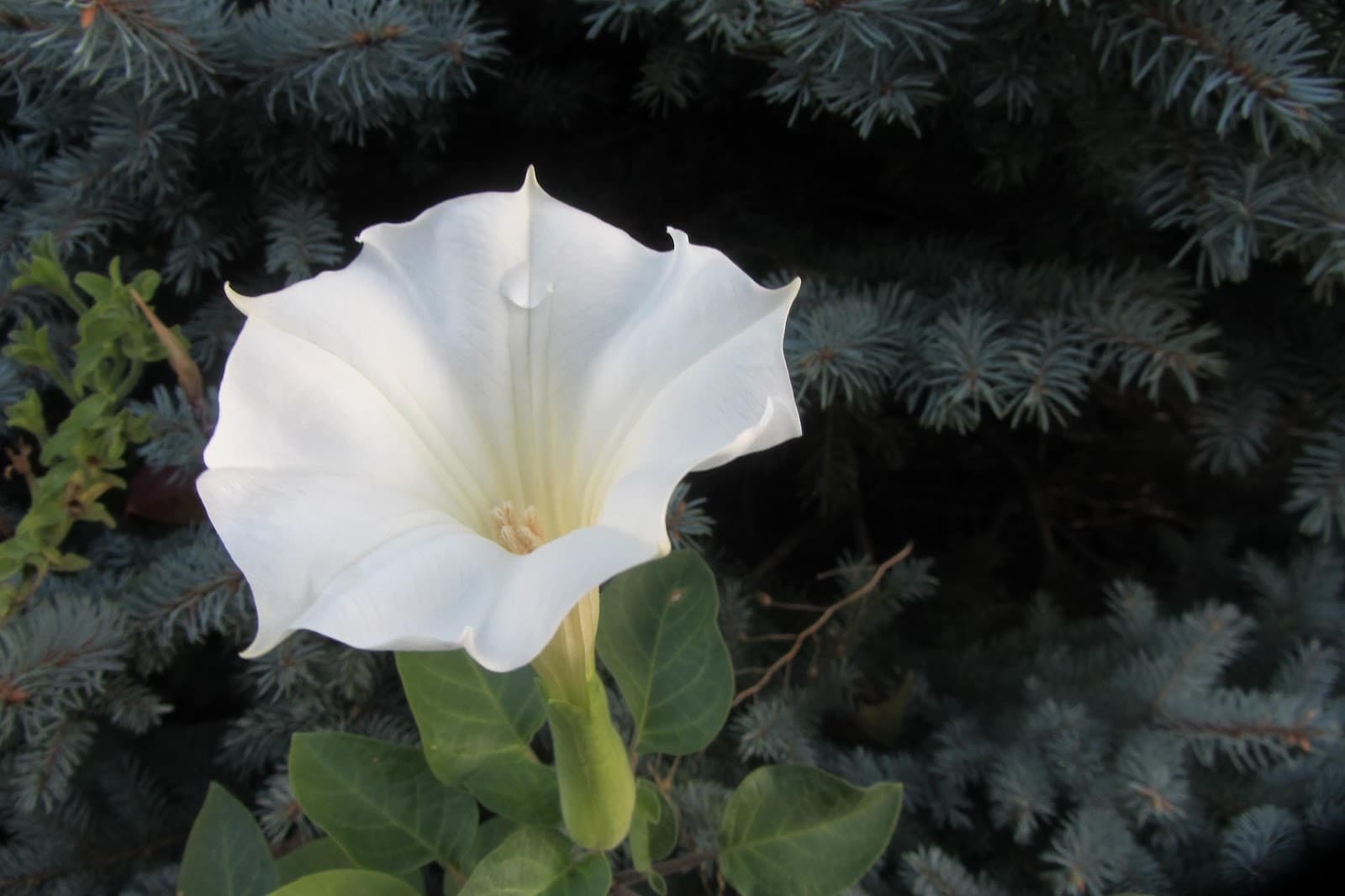
Moonflowers share much in common with Morning Glories, except they are white, and they emit a slight, beautiful fragrance. Plant them in exactly the same way but remember than when they are being soaked in water, nick the seed with a knife. This will make it easier for the white growth to emerge.
Marigolds
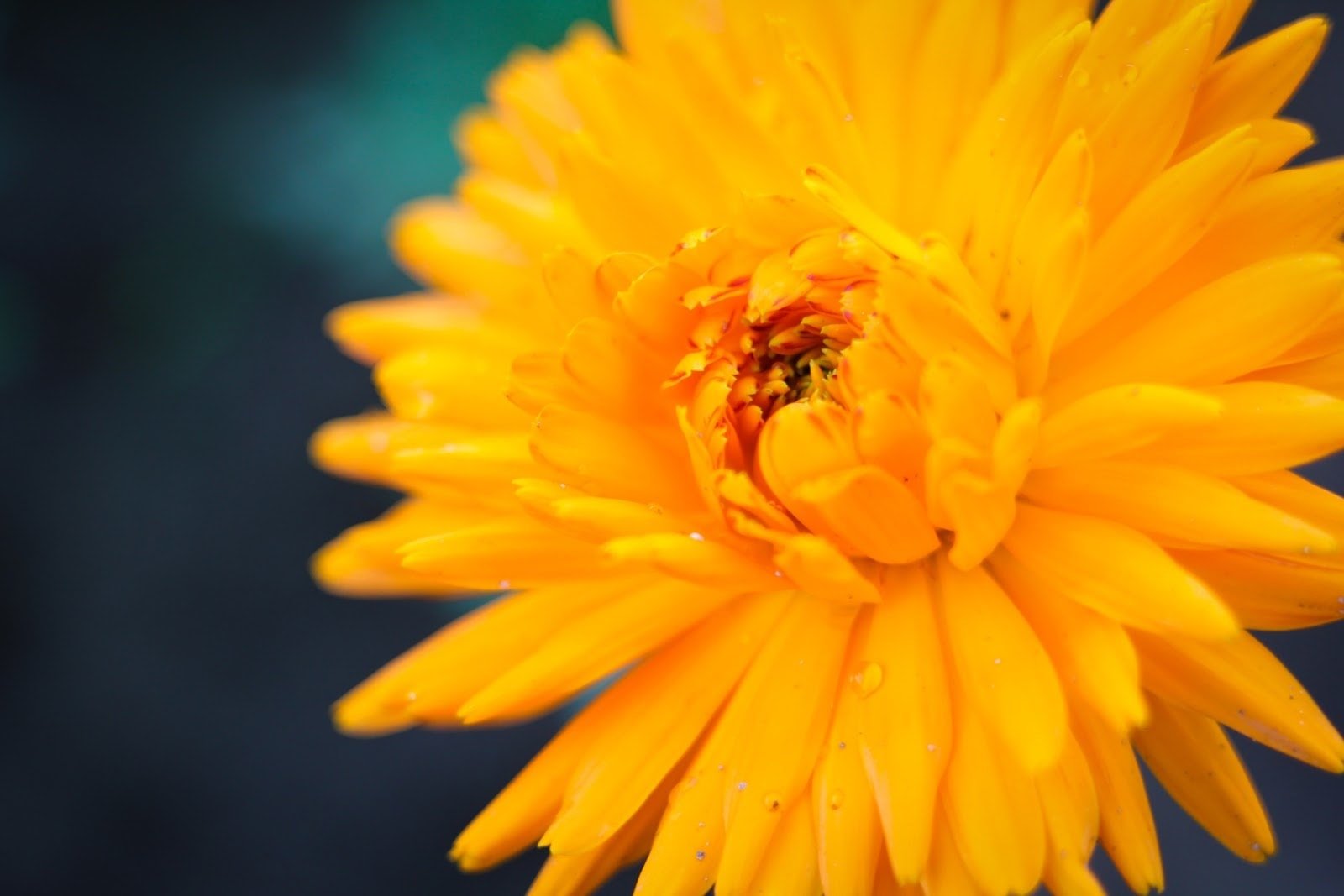
Hailing from Mexico, this hardy, durable annual is now found in all corners of the world because it is easy to grow, and they look stunning in any garden.This flower loves warmth and can tolerate a range of soils and weather conditions, Generally speaking, the use of fertilizer will not be necessary. It is important to water regularly and to keep frost at bay, though frost will be less of a threat at this time of the year. To repel insects, try planting around vegetable plants. Plant directly in the ground and cover with a thin layer of soil and keep 8-18 inches apart. Once established, they are low maintenance and they even repel insects.We hope that our guide will help you add more colour and verve to your garden. With a little patience, your green fingers will have beautiful flowers and plants growing in no time.Have fun!
Do you want to take your garden to the next level?
Planning a garden all year round and sourcing seeds from all over the world is hard work, especially if you want to keep your garden interesting year after year.
That’s why we created Gardeners Box, each month receive the hand-curated seeds we recommend sowing right now to brighten your garden, along with detailed instructions, and plant markers all starting from just £9.99. Click here to find out more.

