Vegetable & Fruits Planting Calendar
Vegetable & fruit seeds to sow in October – Growing guide
Oct
Get a start on the next harvest by sowing some appetizing fruits and vegetables now. The weather is getting colder – keep an eye out for frost! – so we have options for cold frames and green houses, though are things you can sow directly outside.
Let’s get started.
Sowing Indoors
These should grow nicely while being protected from the elements.
Cauliflower
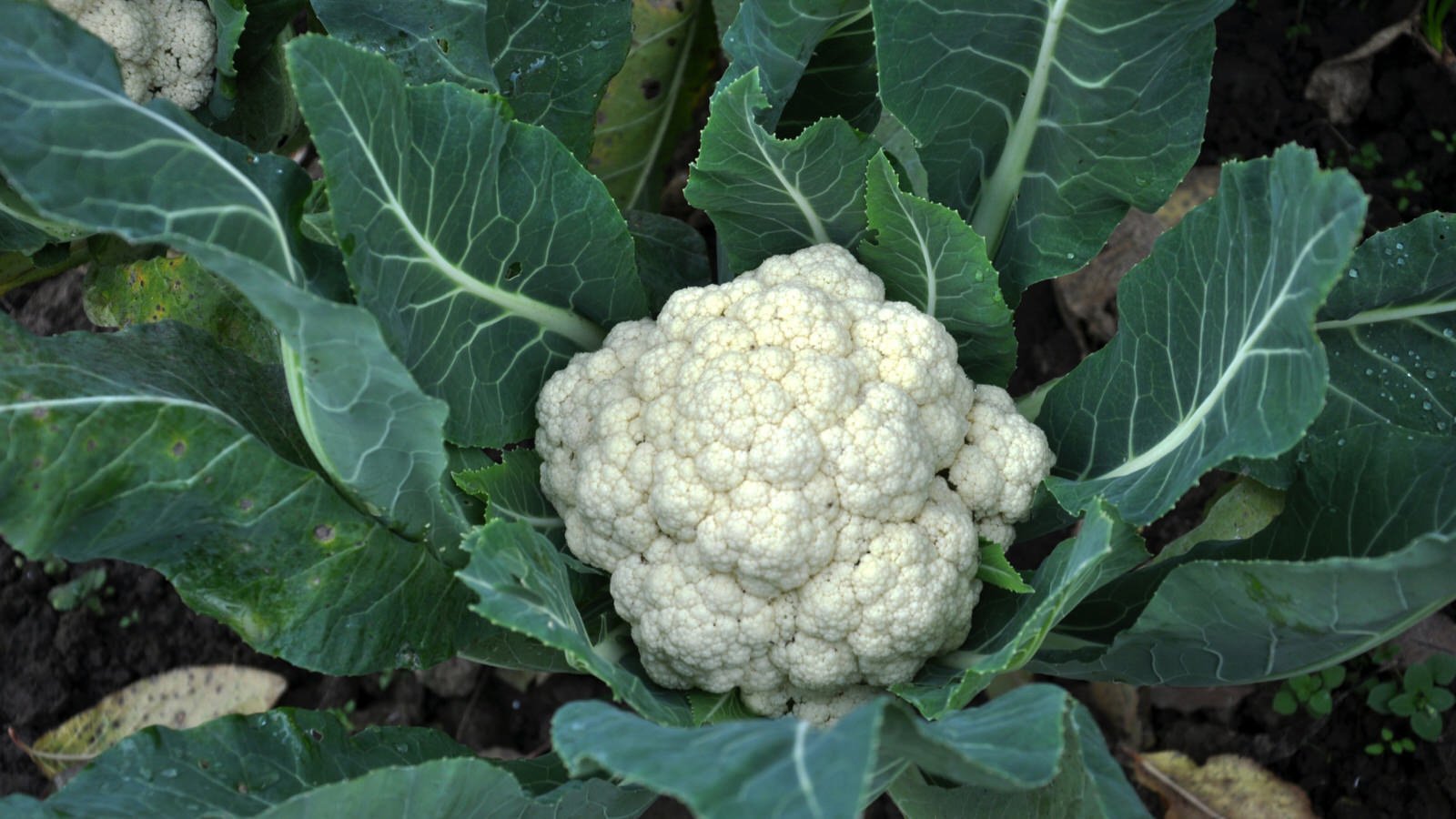
Described in great detail by Pliny, popularized in France by Louis IV, and introduced into India by the British, the cauliflower has made its mark on history. Little wonder – this superfood is delicious and healthy! Try ‘Snowball’, ‘Orkney’, or ‘Gypsy’.
Sow these seeds in soil that is moisture retentive and is rich in nutrients. A lack of moisture will produce plants with small heads. For the best growing conditions, sow the seeds in modular trays at a depth of 1.5 cm, in rows that are spaced 15 cm apart. Cover with a fine layer of compost. After the emergence of 5 or 6 leaves, the plant can be transplanted to its final growing position.
Dill
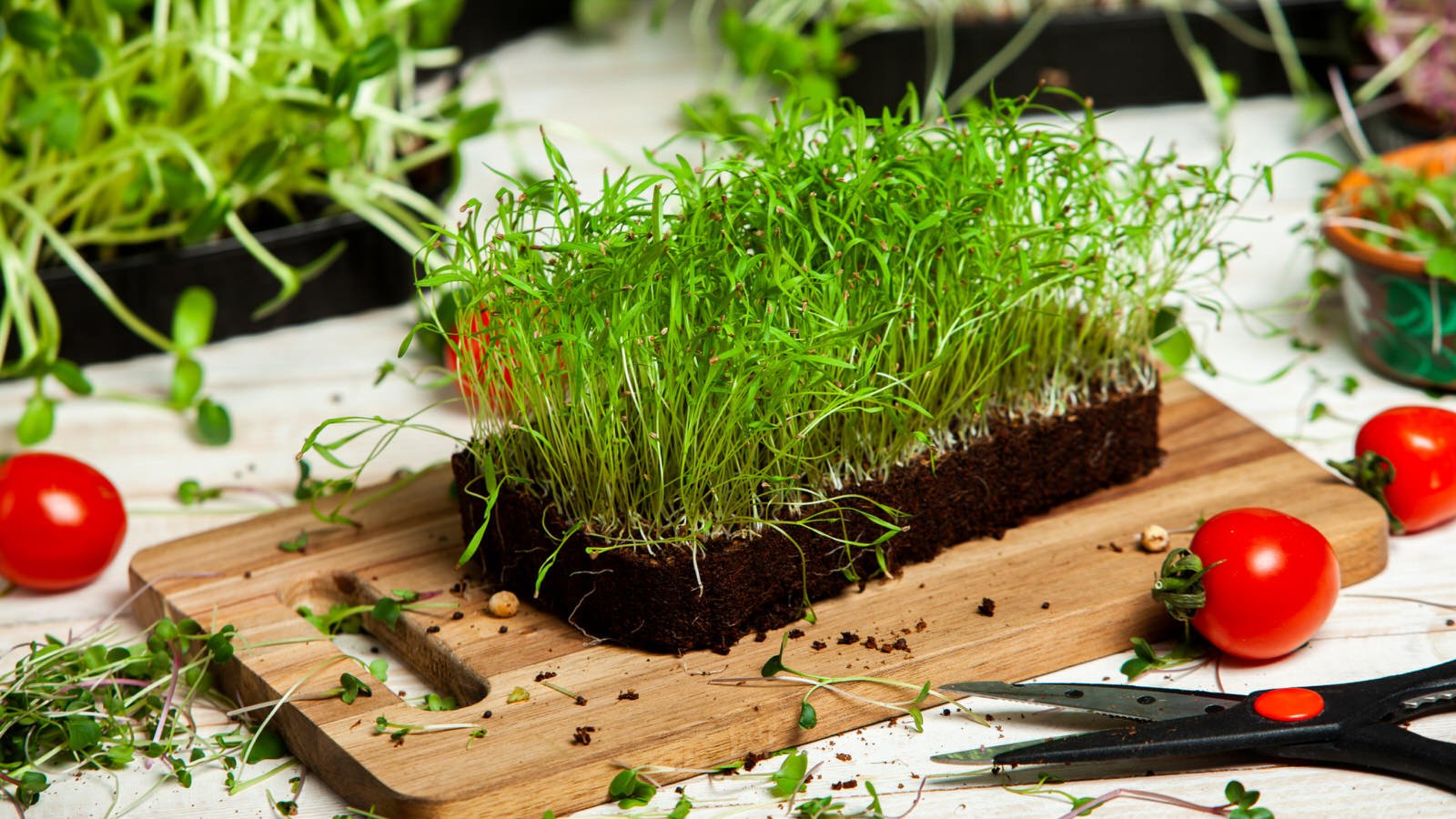
Dill is a wonderful herb. It was known to the ancient world and now it is used in dishes around the word, particularly in Europe and Asia. At the height of the space race, Russian cosmonauts ate of lot it on account of its purported anti-flatulence properties.
Dill seeds can be sown directly into large pots. Place them at a depth of 1 cm and cover lightly with soil. As they grow larger, thin them out. Be sure to water regularly and some liquid fertilizer can also help from time to time. In your greenhouse, you can consider supporting some of the plants with canes, should they need it.
Greenflies and aphids can attack the plant and set slug traps to keep this pest at bay.
Spring Onion
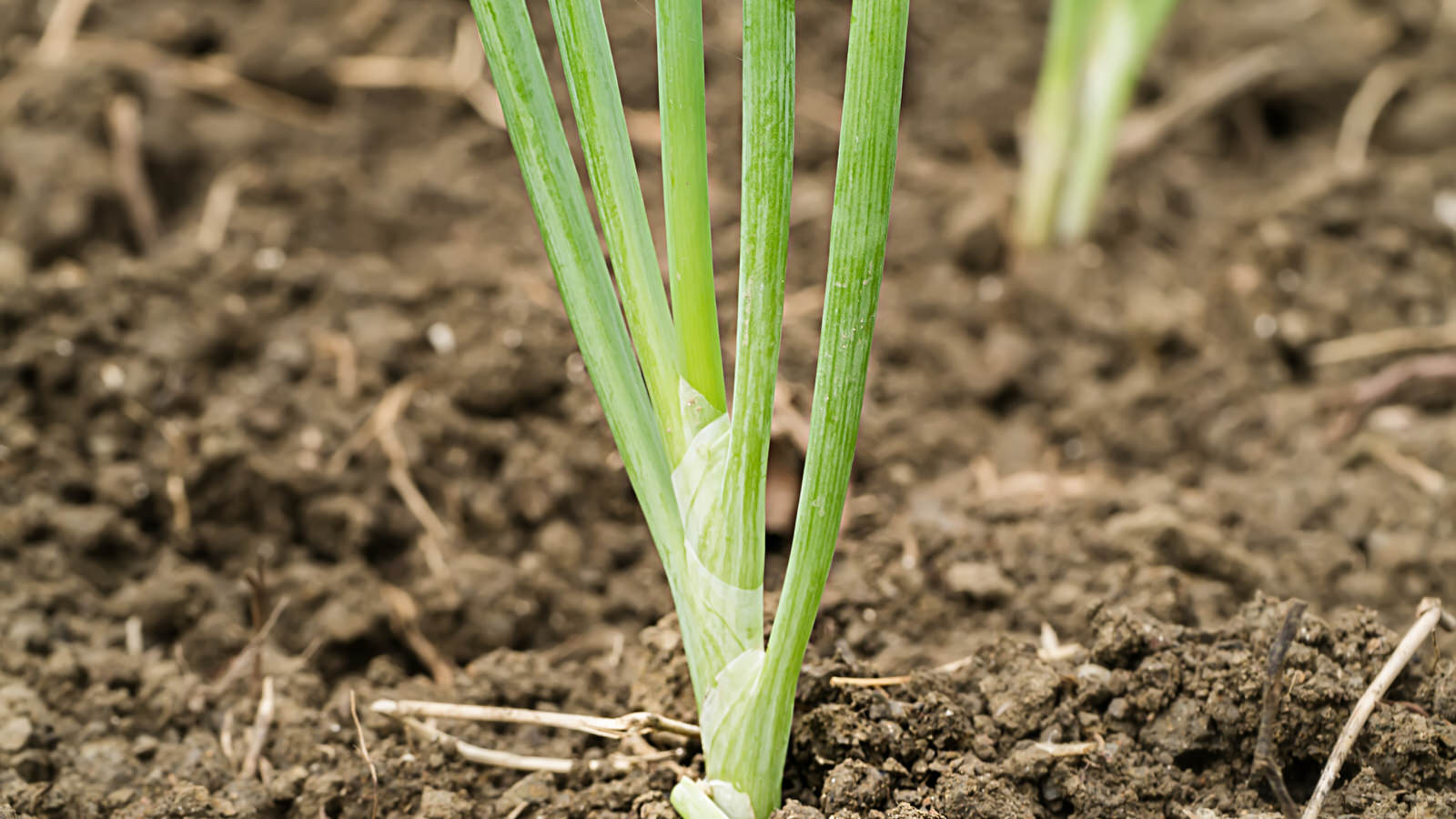
Also known as scallions, this vegetable has a sweeter taste than other onion varieties. They can be eaten cooked or raw, and they are packed with nutrients. Use a hardy winter variety.
In a seed tray or in a greenhouse, sow these seeds in rich, well-drained soil. They can be sown 1.5 cm deep, in rows that are spaced 6 in apart. Feel free to tailor these measurements according to the space you have. As the name suggests, these should be ready to eat in spring.
Peas
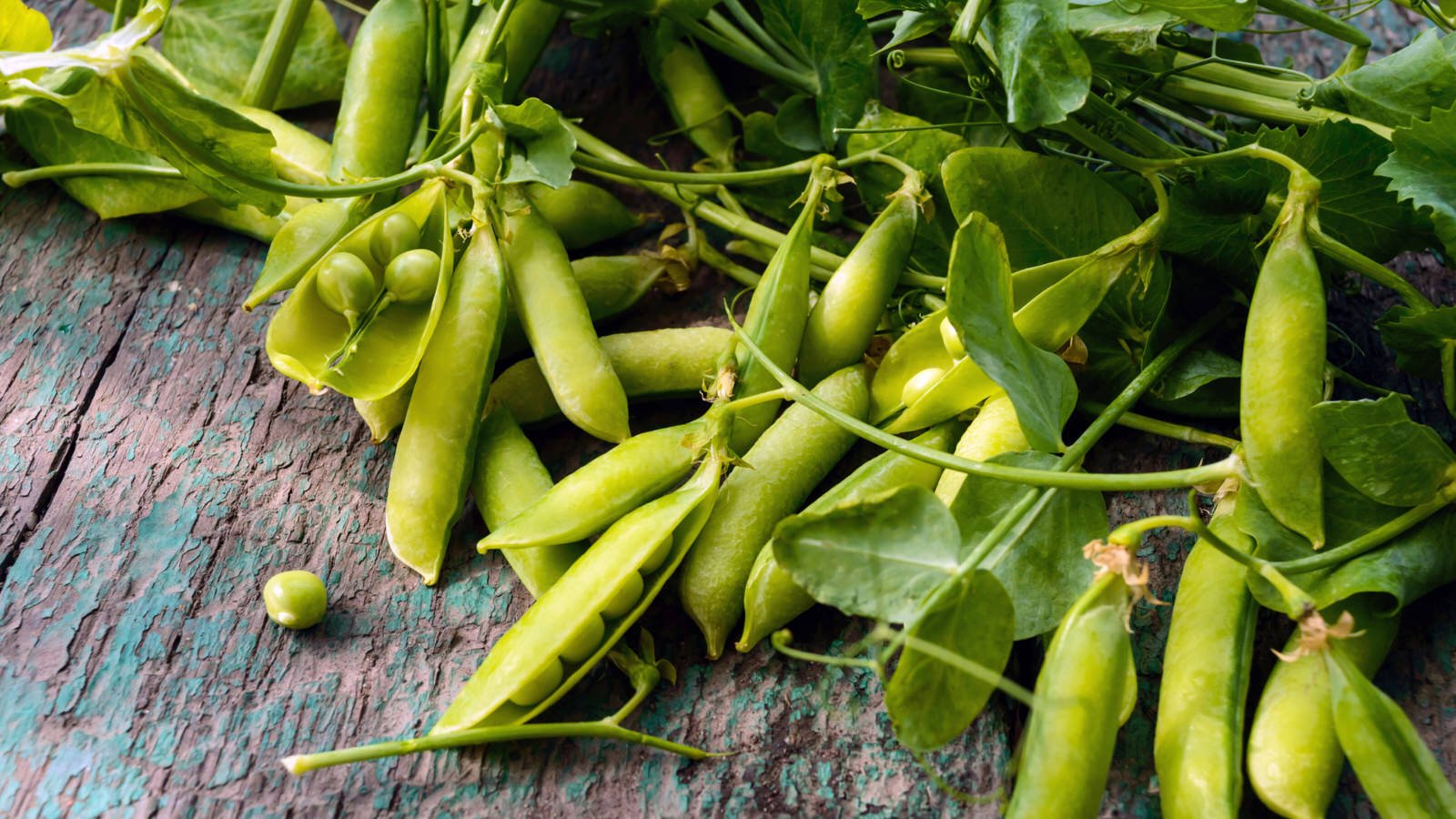
Peas are a great addition to many meals. Try growing the ‘Avola’ variety, or any other hardy types.
Sow your seeds in a sunny spot. The soil must be warm, also, so use fleece to obtain the desired temperatures. Ensure that the soil is full of nutrients and that it retains moisture, and don’t be afraid to use compost or well-rotted manure. The spacing depends on whether you are growing dwarf or tall varieties, so check the specifications of the variety that you want to grow. Support growing plants with bamboo canes, trellis, or netting. For this time of year, use a cold frame.
Mice are fond of peas, so be on the alert. You can use cloches to give your growing peas added protection from pigeons and other pests.
Blueberry Plants
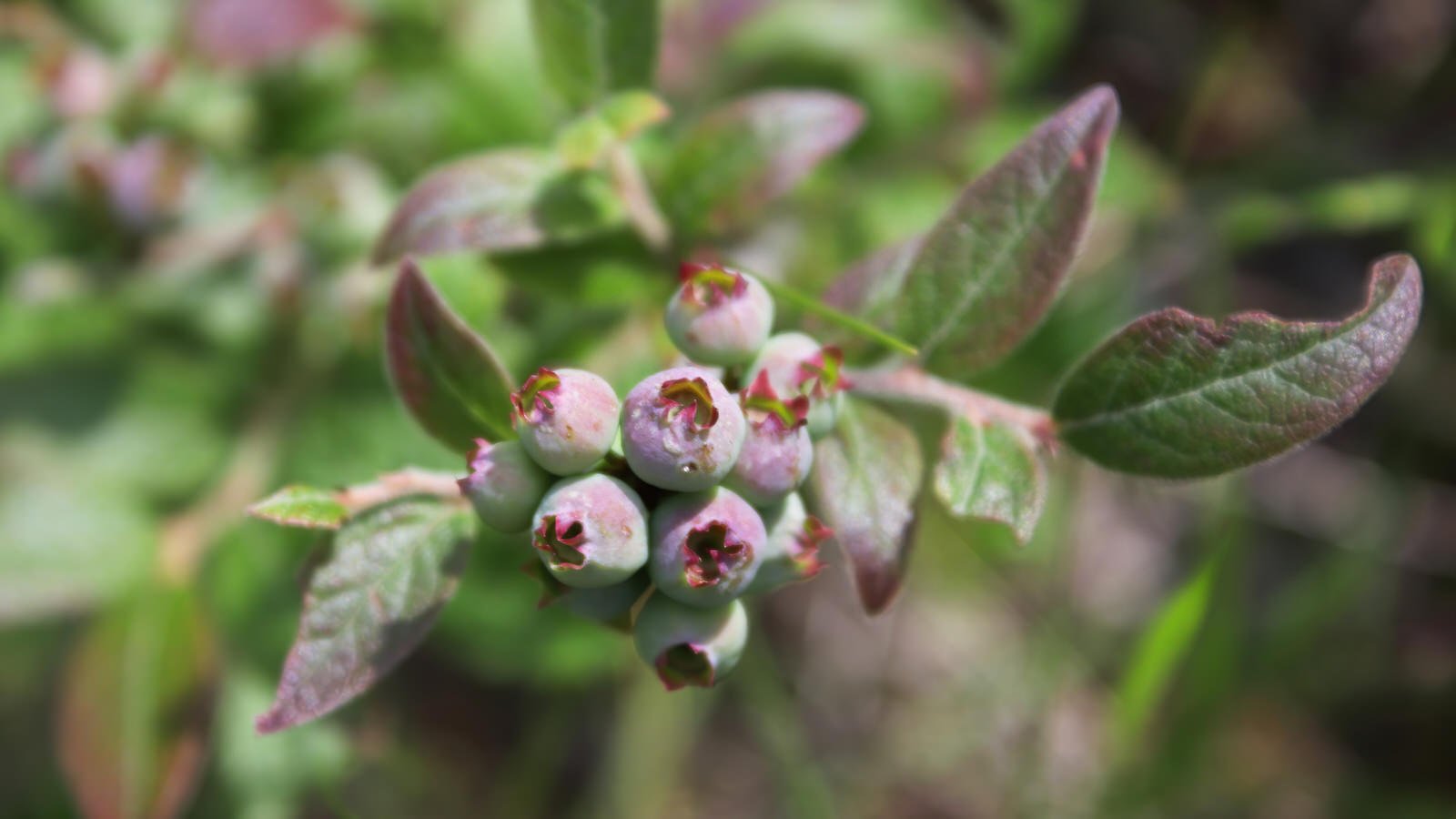
Blueberries can be enjoyed as drinks, in cereals, as a dessert, in puree, or in jams. The fruit has moderate levels of Vitamin C, Vitamin K, and fibre.
Sow these seeds in a container that is 30 cm wide. As it grows, you can move them to pots that are 45 cm in diameter. Use moist, well-drained soil. Blueberry plants prefer light soils, and they thrive in acidic soils. Alkaline conditions stunt their growth.
Birds are only a pest if they can get access to plant, which is unlikely if you are using a cold frame or a greenhouse. To avoid the onset of powdery mildew, place your bushes in a moist and cool location. Aphids are another threat; don’t be afraid to squash them with your fingers.
Sowing Outdoors
Try these in your garden.
Salad Mixes
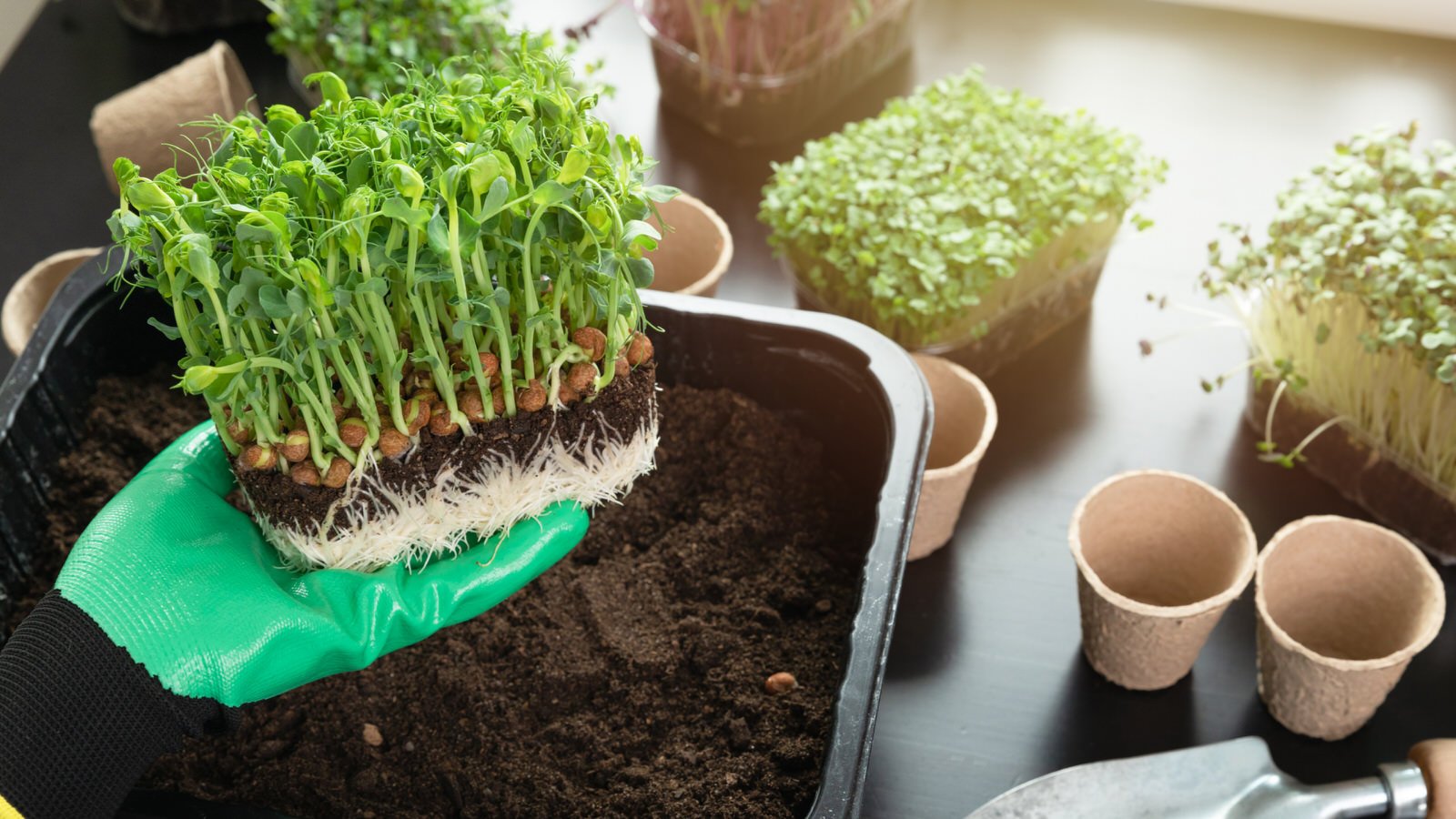
Salads are a popular choice throughout the ear – they take little prep and they are really healthy. Salad mixes are also easy crops to grow, and they can be harvested quickly in autumn. You can try chicory, endive, spinach, rocket, or mustard.
Sow the seeds in a site that attracts the sun, in soil that is well-drained. Sow thinly, with individual types of salad seed in their own rows. You can also lightly sprinkle seed mixture over the soil and cover with 1 cm of compost. As they grow, thin them out.
Slugs and snails are a common problem, so use traps or biocontrols to keep things under control. Crush aphid colonies or wash them off. Prevention is better than the cure, of course, so consider using insect-proof mesh. Finally, remove any part of the plant that is affected by grey mould.
Lettuce
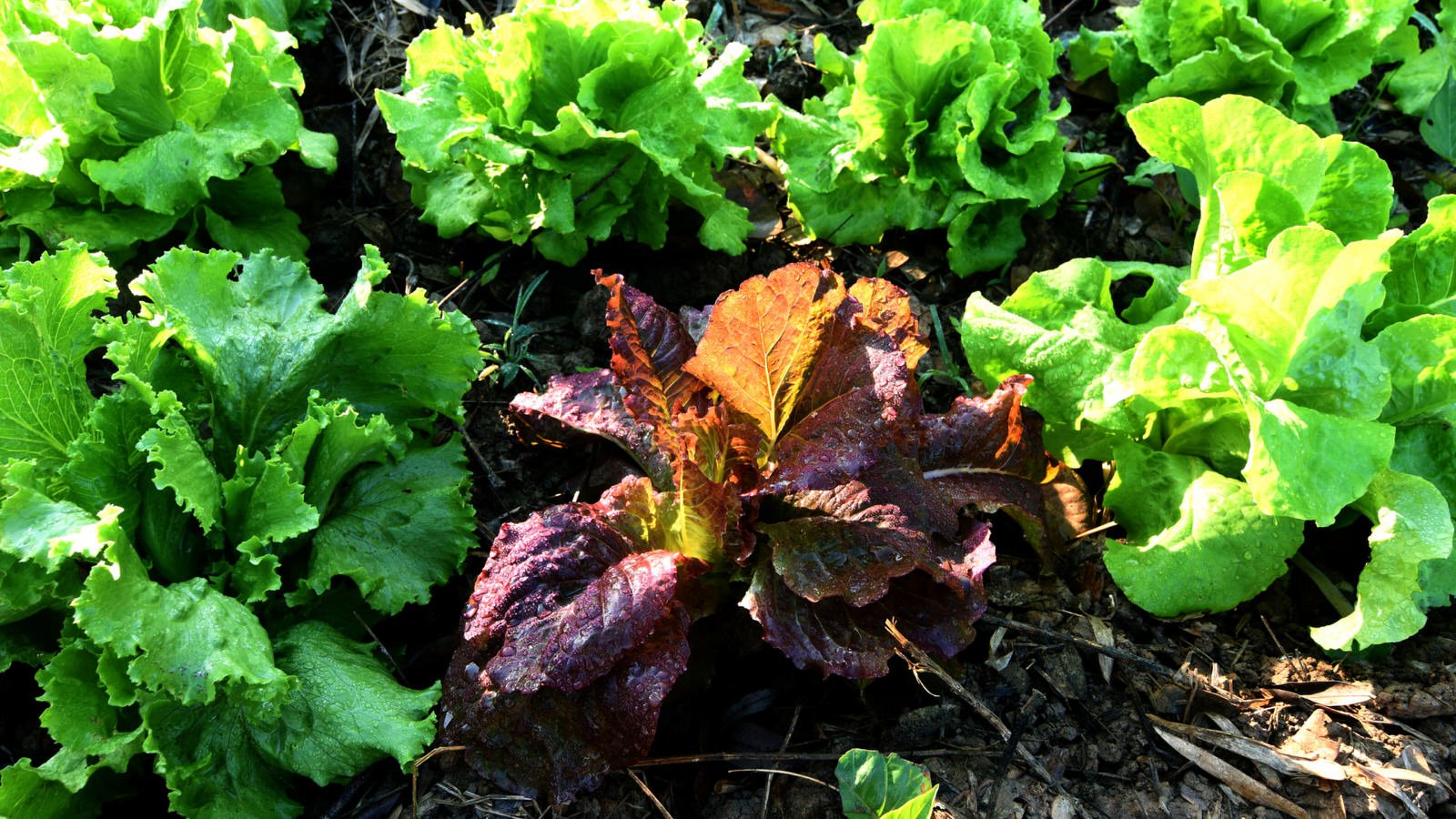
A hardy lettuce variety can be grown in October. Try ‘Winter Gem’, which can be easily grown outdoors because they are a cool-season crop.
First, prepare the soil by adding compost. You can also rake it to a fine tilth, removing any large stones in the process. Sow the seeds in a sunny and sheltered spot in order to protect them from extreme cold or frost. It is also a good idea to use cloche or fleece for added protection. The seeds should be spaced in rows that are 30 cm apart. You won’t need to cover them with a lot of soil, and watering after sowing will help the seeds settle even more. As they grow, space them out again. These spacing considerations will depend on the variety. While they are growing, it is also important to keep the site free of weeds. Otherwise, the weeds will compete for nutrients with your seeds. If the site was heavily used in the summer, you can also use fertilizer to enrich the soil.
Broad Beans

Broad beans and hardy but cover them with fleece in October. Try the ‘Aquadulce’ or ‘Claudia’ varieties.
Sow these seeds directly into well-drained soil. They can be sown 5-8 cm deep and 15-23 cm apart. Remove weeds as soon as they appear. Water every two weeks and stalk any cultivars that grow quite tall.
A blast of water from a hose will keep small aphid attacks under control, while you can also crush them with your fingers. As always, good ventilation will prevent fungal problems, and traps will catch any hungry mice that want to nibble on your growing beans.
Fruit Trees
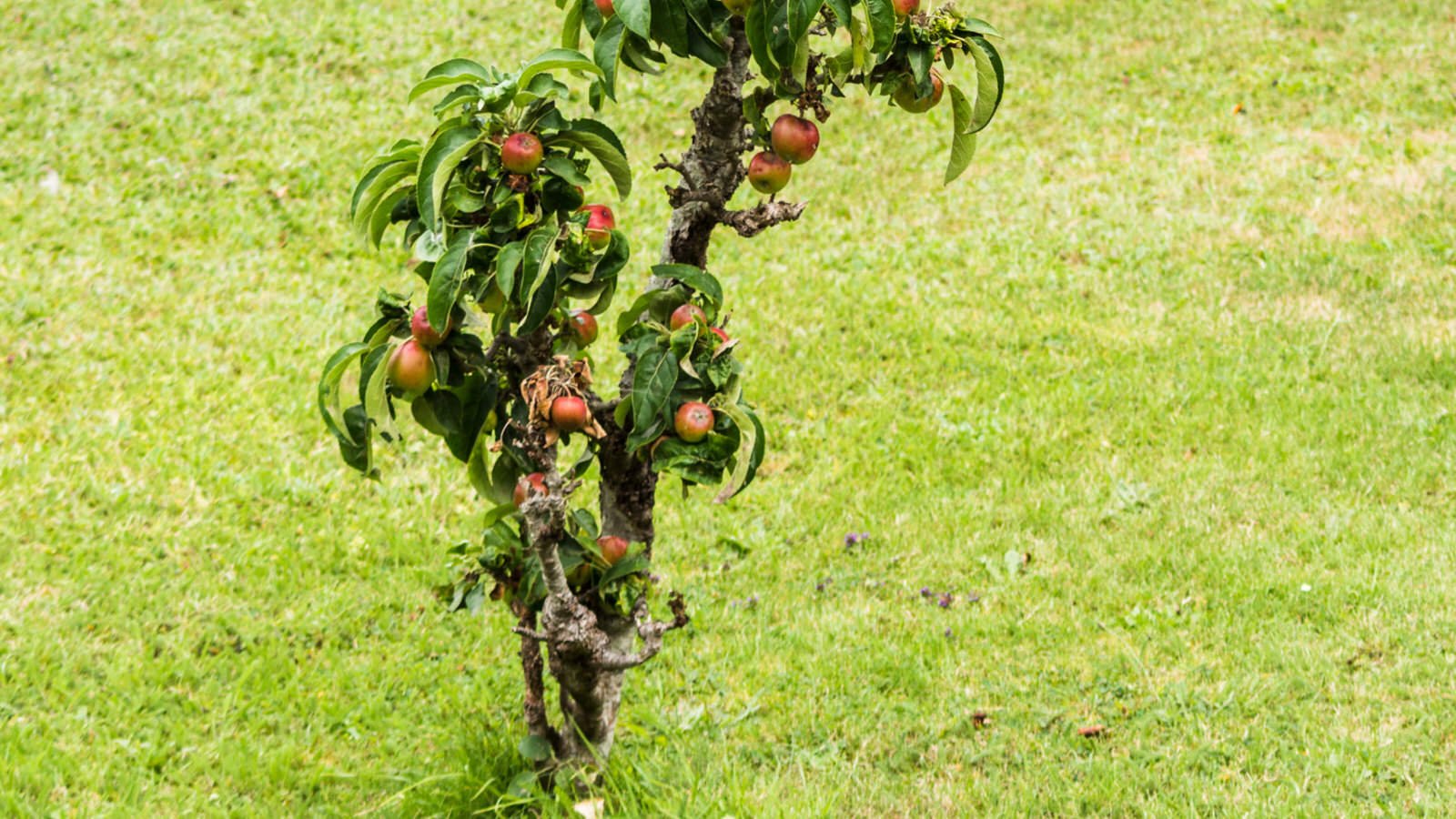
Most fruits originally grew in the wild, which means that you don’t need to plant your fruit trees in your garden’s prime location. Fruit is also generally low maintenance.
You can use bare root plants outdoors, and they have a better root system than pot varieties. This allows more water to be absorbed by the tree, which is ideal for growing and the eventual fruit yield. Make sure the hole is both deep enough and wide enough and loosen the soil at the bottom and around the sides of the hole as this will make it easier for the roots to penetrate. A stake to support the growing tree will also be necessary, especially in sheltered gardens. Keep the area around the hole free of weeds and use lots of mulch. Mulch widely around the tree for the best results. Deflower in the first year to improve subsequent yields.
Delicious Food
There’s really no reason for not sowing in October, so think of what food would look nice on your plate and get growing.
Want to get fresh herb and plant seeds delivered monthly?
Planning a garden all year round and sourcing seeds from all over the world is hard work, especially if you want to keep your garden interesting year after year.
That’s why we created Gardeners Box, each month, receive the hand-curated seeds we recommend sowing right now to brighten your garden, along with detailed instructions, and plant markers all starting from just £9.99. Click here to find out more.