How to grow
Herb garden ideas: Create an indoor or outdoor herb garden oasis
Aug
Growing your own herbs, either from seeds or already developed plants, is an absolute must for any garden. Not only do they serve a multitude of purposes – such as flavouring in cooking, creating herbal teas, concocting cocktails, or formulating natural remedies – but they also boast wonderful foliage and flowers.
Herb gardens are a versatile addition to any home, regardless of whether you have an outdoor garden or reside in an apartment. These green spaces can be tailored to fit your living conditions.
Best of all, cultivating your own herbs is a far healthier and more economical approach than purchasing pre-cut herb packets from the grocery store. You have the freedom to harvest them as and when needed, ensuring they are always at their freshest. Plus, you’ll get to experience a broader spectrum of tastes, and it’s a great hobby too!
Our favourite perennial herbs to grow
Perennial herbs are plants that can survive for more than two years. They differ from annual herbs, which require replanting every year, as perennial herbs will keep growing and flourishing for several seasons.
Perennial herbs are a breeze to cultivate and will enrich your garden and cooking.
They require minimal maintenance and can flourish in flower beds and borders, or even in pots on a terrace or balcony.
Several perennial herb varieties, including rosemary, sage, thyme, and oregano originate from the Mediterranean region, where they flourish in sunlight and poor soil. As such, they require an abundance of sunshine and light, along with well-aerated soil. If your garden consists of heavy clay, it will be necessary to incorporate ample organic material and horticultural grit to make it more friable. Most herbs from the Mediterranean return annually, with a good number remaining evergreen.
Mint
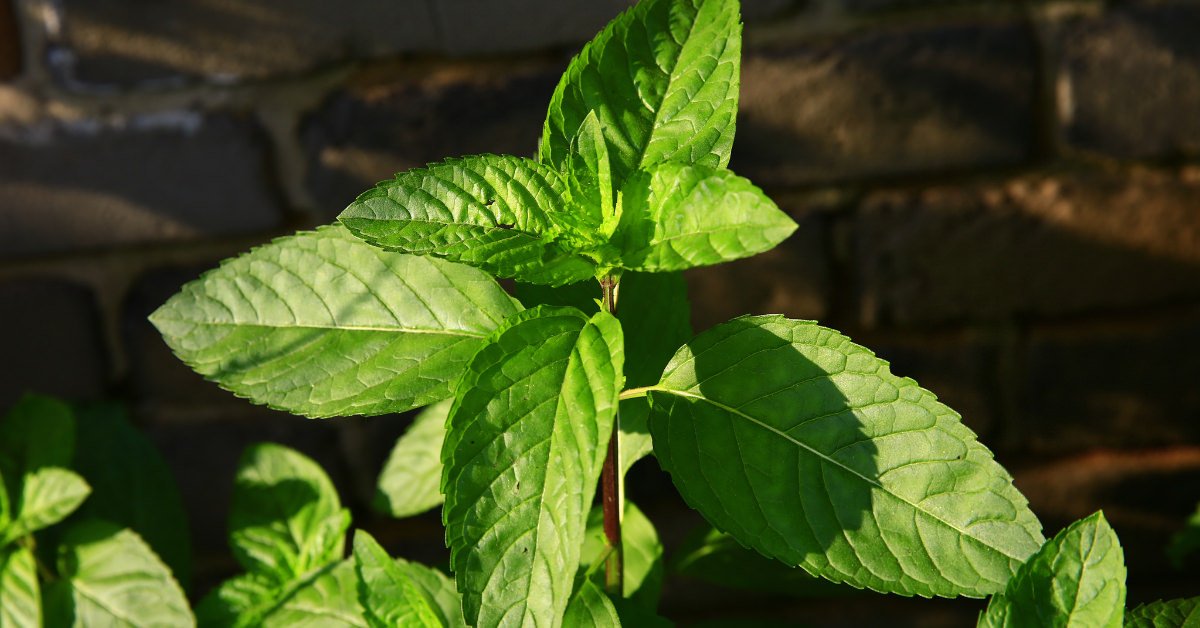
Mint can be used in salads, sauces, pesto, and sweet treats. Sprinkle it atop butter-laden new potatoes or peas, infuse it into ice creams, smoothies, and mixed drinks, or brew it into a refreshing tea. Use your mint leaves as needed or freeze them for future use.
To get the most flavorful mint, it is recommended to grow it in full sun, but it can still do well in partial shade. It is best to pick the leaves before the plant flowers or after it has been pruned in the summer.
Mint rust, characterized by small rusty spots that typically appear on the underside of the leaves, can be addressed by pruning heavily and removing any fallen leaves from the soil. This will encourage clean new growth. If mildew becomes a problem, relocating the plant to a sunny and well-ventilated area can help. Another issue to watch out for is the mint leaf beetle.
Thyme
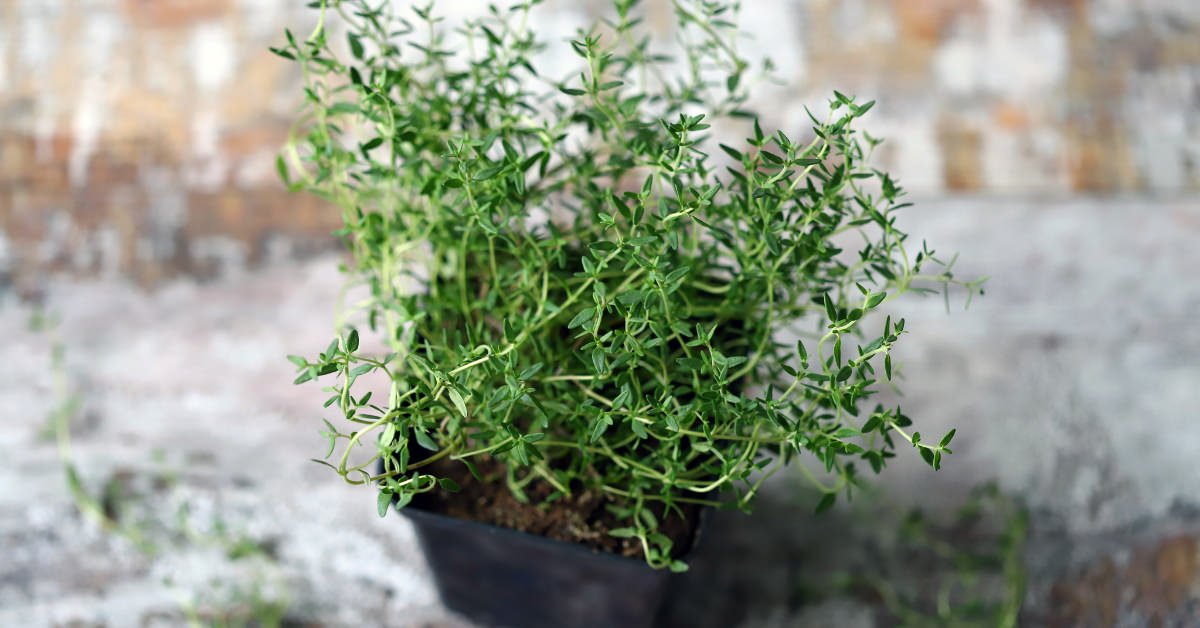
Thyme is an evergreen herb that can be enjoyed throughout the year. It is highly versatile and can be used to create delightful oils and butters. When planting thyme, it is important to choose well-drained soil and a sunny location. Thyme does not thrive in wet winter conditions or when exposed to excess water. Therefore, it is crucial to ensure that the soil has proper drainage. If growing thyme in containers, it is recommended to use soil-based compost combined with horticultural grit for optimal results.
Rosemary
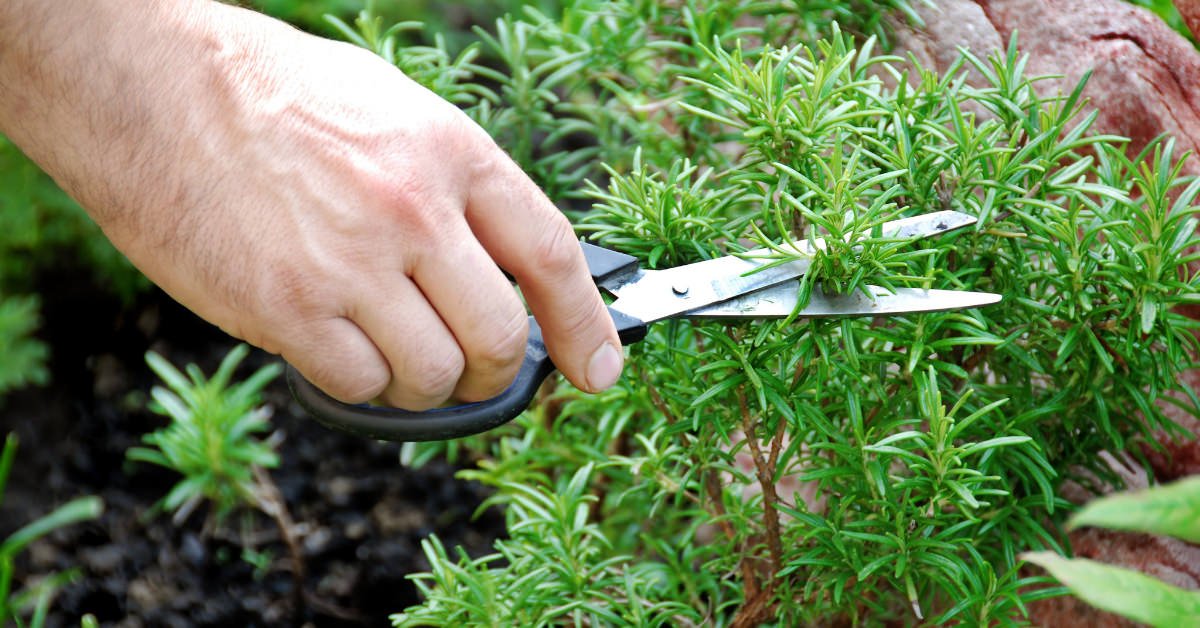
Rosemary is a versatile herb used in a wide range of culinary dishes, including stews, soups, casseroles, and salads. This aromatic herb pairs brilliantly with poultry, game birds, lamb, pork, steaks, and oily fish. It’s also an excellent complement to grains, mushrooms, onions, peas, potatoes, and spinach.
To grow rosemary, choose a warm and sunny location with well-drained soil. It can also thrive in a container if you use soil-based compost and repot it every autumn. In order to maintain its productivity and prevent it from becoming too dense, it is advisable to prune the plant after it has finished flowering.
Chives
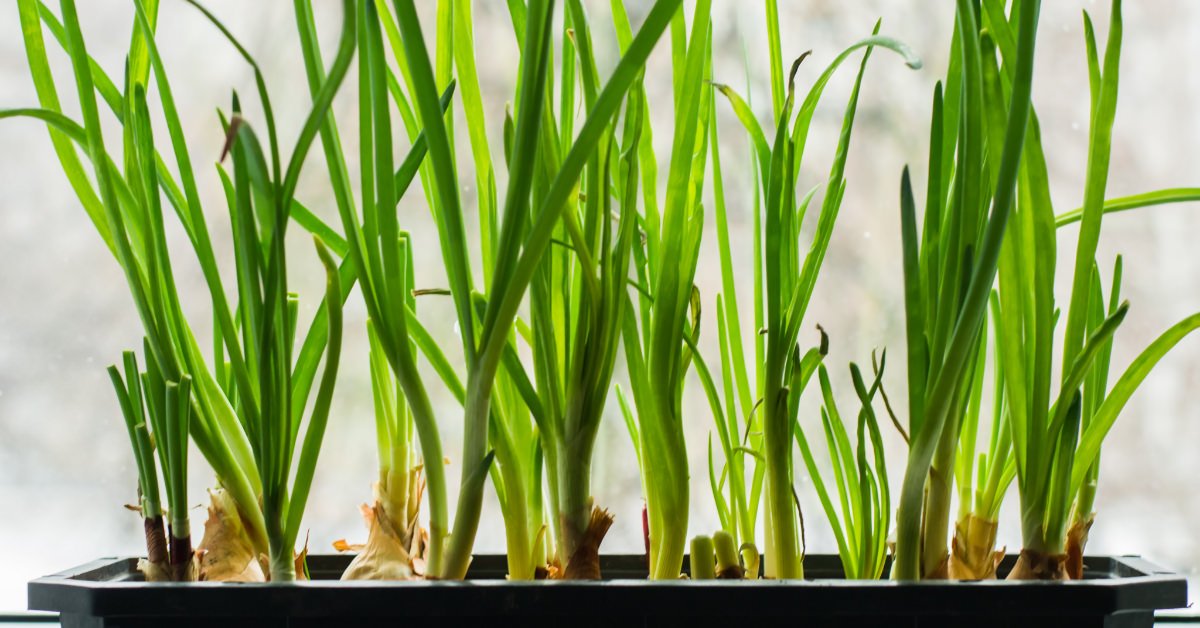
During the growing season, harvest fresh leaves regularly and sprinkle the attractive flowers over salads for a delightful mild onion taste. To preserve the chopped leaves, you can either mix them with butter or freeze them in ice cube trays without adding water. When planting, choose a sunny spot with well-drained and fertile soil, and remember to provide ample watering throughout the growing season.
Chives thrive when planted in containers. It is recommended to use soil-based compost and repot them every spring, once the new growth emerges.
Sage
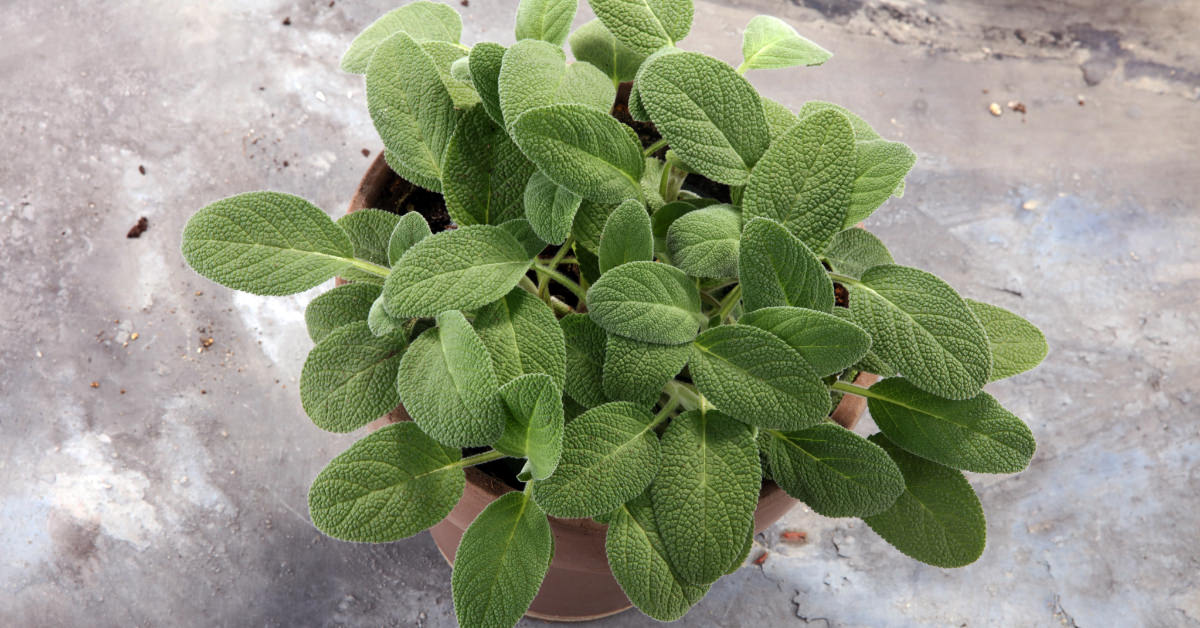
There’s nothing that evokes the essence of autumn more distinctly than the aroma and flavour of cooking with fresh sage leaves in your kitchen. Sage frequently makes an appearance in numerous festive recipes and is typically used to season chicken or sausages, enrich butter, or to enhance the taste of root vegetables such as parsnips or sweet potatoes.
In fact, the occasion you’ve most likely experienced the flavour of sage without realising it would be in a Christmas stuffing. Similar to most herbs, sage is incredibly fragrant, so much so that its scent often greets you even before you commence cooking with it.
Sage leaves can be utilized throughout the year. Furthermore, the flowers of sage are edible and can be sprinkled over salads or fruit puddings. Preserving sage leaves in oil and butter is another option. It is recommended to plant sage in well-drained soil, in a warm and sunny location. Alternatively, sage can also thrive when grown in a container using soil-based compost.
Oregano / marjoram
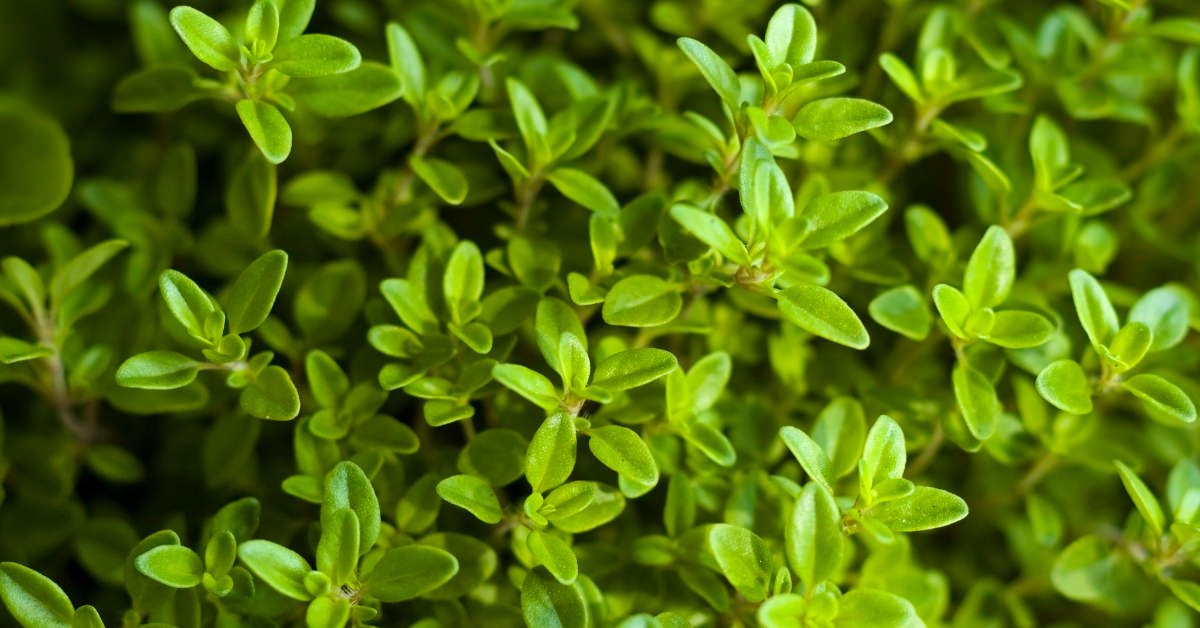
You can harvest the leaves of oregano throughout most of the year. Oregano has its origins in the Mediterranean, so it thrives when planted in well-drained soil and exposed to plenty of sunlight. If you prefer to grow it in a container, make sure to use a soil-based compost that has been mixed with a small amount of horticultural grit. You can preserve oregano by incorporating it into butters, oils, or by drying sprigs of it.
How to receive fresh herb and plant seeds to grow each month?
Planning a garden all year round and sourcing seeds from all over the world is hard work, especially if you want to keep your garden interesting year after year.
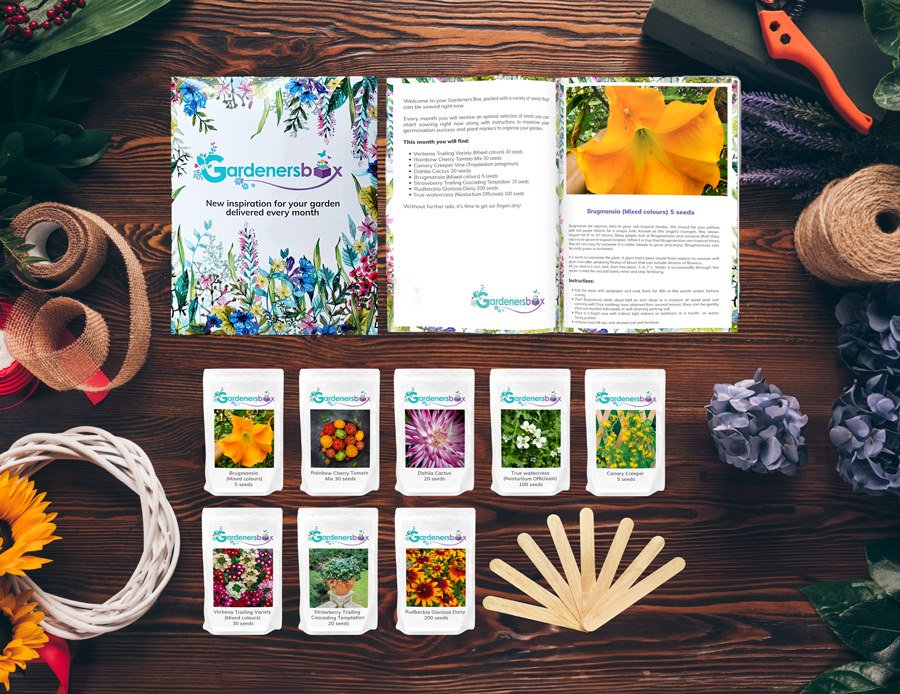
That’s why we created Gardeners Box, each month, receive the hand-curated seeds we recommend sowing right now to brighten your garden, along with detailed instructions, and plant markers all starting from just £9.99. Click here to find out more.

Our favourite annual and biennial herbs to grow
Annual herbs are plants that complete their life cycle in a single year. They germinate from seeds, grow, flower, produce seeds, and then die within one growing season. Examples of annual herbs include basil, coriander, and dill. These herbs are typically quick to establish and offer a bountiful harvest during their short lifespan.
Biennial herbs, on the other hand, have a two-year life cycle. During the first year, they grow vegetatively, developing leaves and roots. In the second year, they flower, produce seeds, and then die. Parsley and caraway are examples of biennial herbs. It is worth noting that some biennial herbs may be treated as annuals by gardeners, as they are often grown for their leaves rather than waiting for them to flower and produce seeds.
Both annual and biennial herbs can be grown in various environments, including containers, in the ground, or even indoors. They provide flavour and aroma to culinary dishes and can be easily grown from seed or propagated from established plants.
Dill, Anethum graveolens
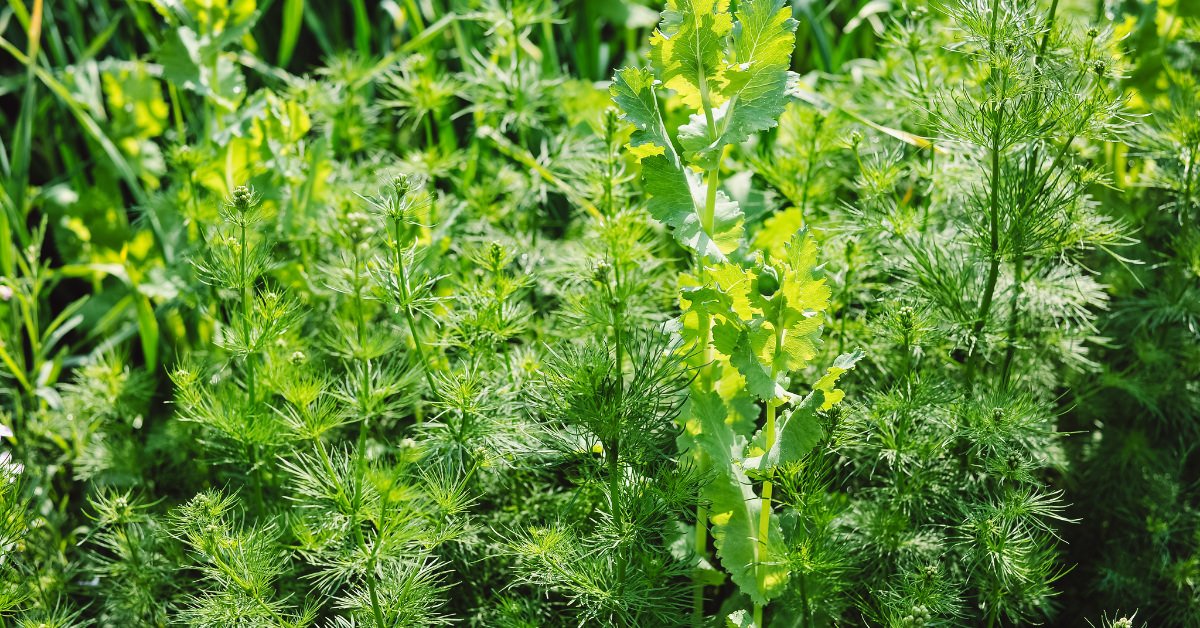
Belonging to the parsley family, this herb possesses delicate leaves and a subtle taste similar to its well-known relative. However, it is not as commonly used as a garnish. Instead, it is renowned for being a prominent flavour in northern and eastern European cuisine. It adds a distinct taste to dishes such as potato salad, borscht, gravadlax, and, of course, dill pickles.
Dill, being quite tall, isn’t suitable for a kitchen windowsill, thus it’s better grown outdoors with adequate support. You can sow its seeds directly outside during the late spring, or begin cultivation in greenhouse pots from the end of winter. However, avoid planting it close to fennel as cross-pollination may occur, leading to a disappointing taste in the second year. Dill flourishes in partially shady conditions with light, well-drained soil. Ensure the plants are sufficiently hydrated to prevent them from bolting.
Basil, Ocimum basilicum
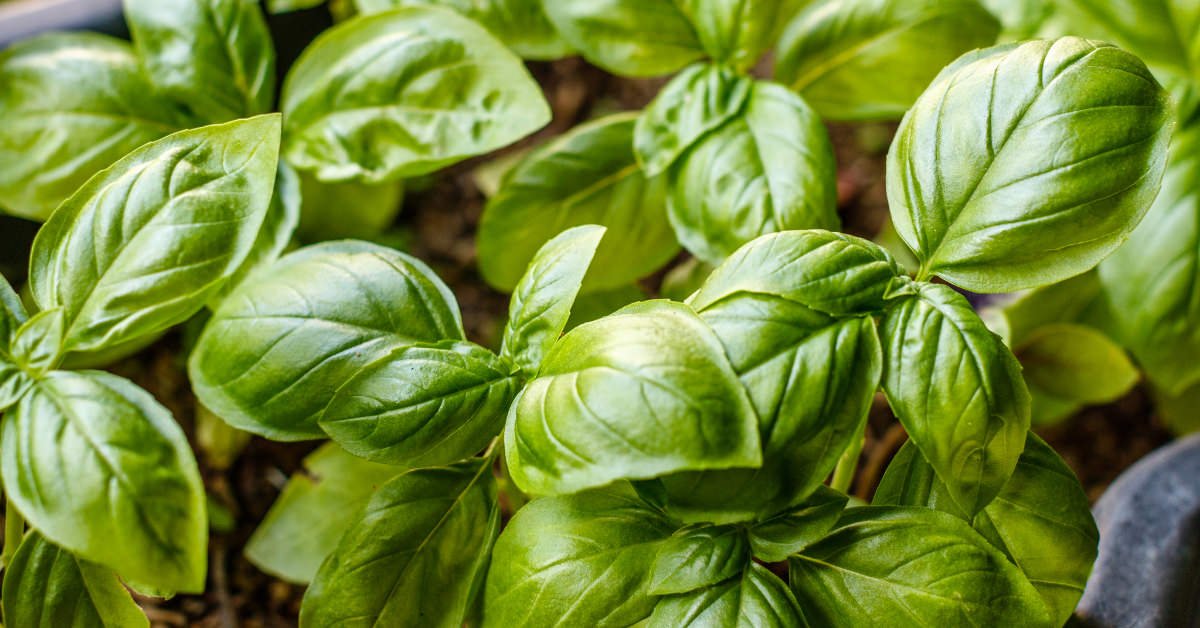
There are three different types of basil that you can try: ‘Sweet Genovese’, a common green basil; ‘Purple Ruffles’, which has flavours of aniseed and cinnamon and grows well in semi-shade; and ‘Cinnamon’, which has a warm and spicy flavour that complements fruit salads and stir-fries. These basil varieties can be added to summer salads, pasta dishes, and homemade pestos.
From January to April, you can sow basil indoors or outdoors in a propagator or a heated greenhouse. It is recommended to use 9cm pots or multi-cell trays due to basil’s long tap root. Once May arrives, you can also sow basil directly outside. For optimal growth, basil thrives in warm and sunny conditions, as well as rich and well-drained soil. To ensure the soil dries quickly, it is best to water the plants before noon. Additionally, pinching out the tips of the plants will promote bushier growth and prevent flowers from developing.
Coriander, Coriandrum sativum
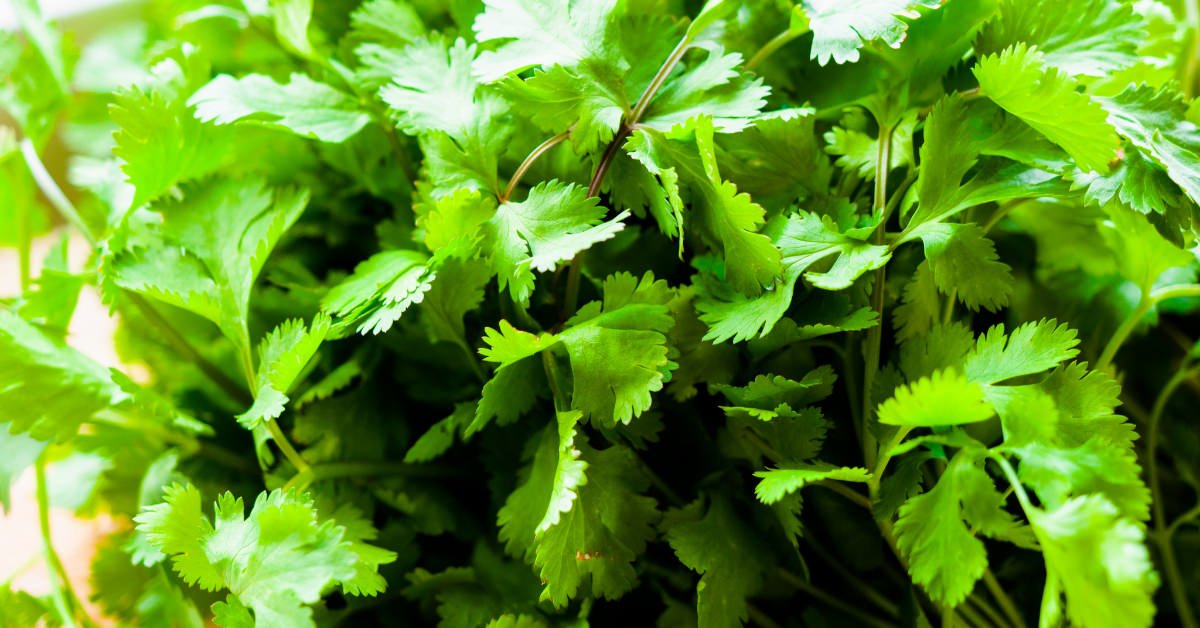
The flavour of coriander seeds and leaves is delicately citrusy. The leaves, also referred to as cilantro, are commonly used to add a finishing touch and enhance the taste of various dishes, such as Thai and Indian curries, as well as salsas and salads. They are also an essential ingredient in many Latin American dishes, like salsa and ceviche. On the other hand, the seeds are predominantly used as a spice to impart flavour to curries and soups.
Some recommended varieties to consider are ‘Calypso’, known for its resistance to bolting, ‘Confetti’, with finely-divided leaves, and the Eastern European variety called ‘Chechnya’.
Harvesting of the leaves can typically be done six to eight weeks after sowing.
If you want to speed up the germination process of coriander seeds, you can try gently crushing them before sowing. Similar to basil, coriander has a lengthy tap root, so it is recommended to either sow directly in late spring or use multi-cell trays to prevent root damage. Since coriander tends to bolt quickly, it is advisable to sow new seeds every three or four weeks if you intend to use a substantial amount of it.
Flat leaf parsley, Petroselinum crispum var. Neopolitanum
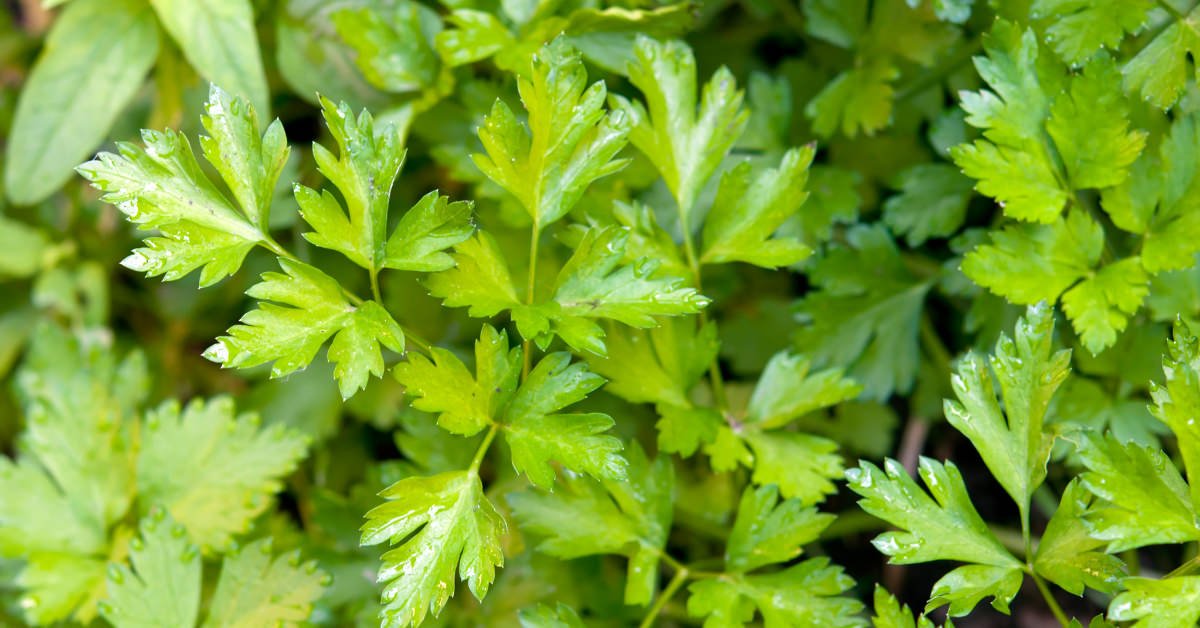
Parsley, a compact plant that’s straightforward to cultivate from seeds, yields healthy, zesty leaves from summer right into the autumn season. It serves as a pleasing border for vegetable plots and thrives in pot cultivation. You can select between the curly or plain leaf varieties, incorporating them into salads, condiments, and butters, or using them as garnish across a variety of cooked meals.
The flavour of flat leaf parsley surpasses the curled varieties, which are often employed as a simple garnish. It can be sown directly outdoors in the late spring, or indoors using a heated propagator from the latter part of winter. This type of parsley flourishes in damp, nutrient-rich soil and prefers a spot with partial shade. Therefore, it’s beneficial to incorporate organic material into the soil prior to sowing.
Chervil, Anthriscus cerefolium
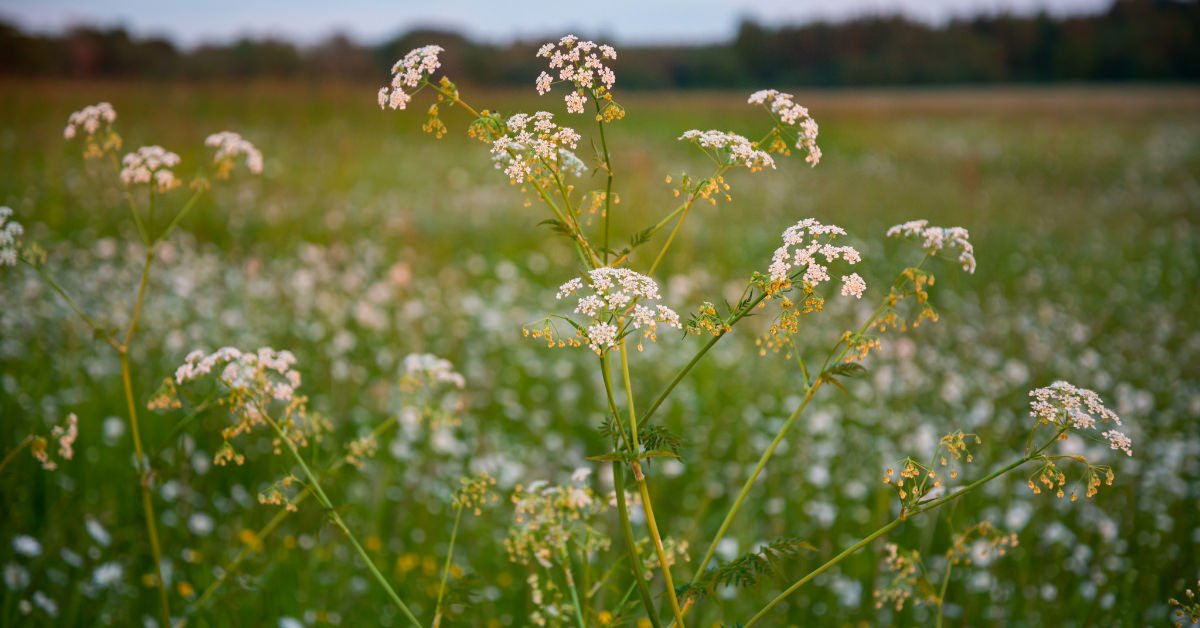
Chervil is most famous for its subtle flavour and delicate composition, which gives it a slight hint of anise or licorice. It is often likened to the flavours of fennel, tarragon, and parsley, but with a milder impact on the taste buds compared to these other herbs.
To prevent chervil from flowering too quickly, it is recommended to cultivate it in partially shaded areas. This herb flourishes in well-drained soil that is kept consistently moist. It can be grown in containers or multi-cell trays in a cold greenhouse starting from late winter. Alternatively, it can be sown directly outdoors from early spring. It is advisable to remove any flowers that appear in order to promote the growth of foliage. If sown during the summer, chervil can provide fresh leaves throughout the winter season. However, it is important to protect the plants by covering them with a cloche in autumn.
Summer savory, Satureja hortensis
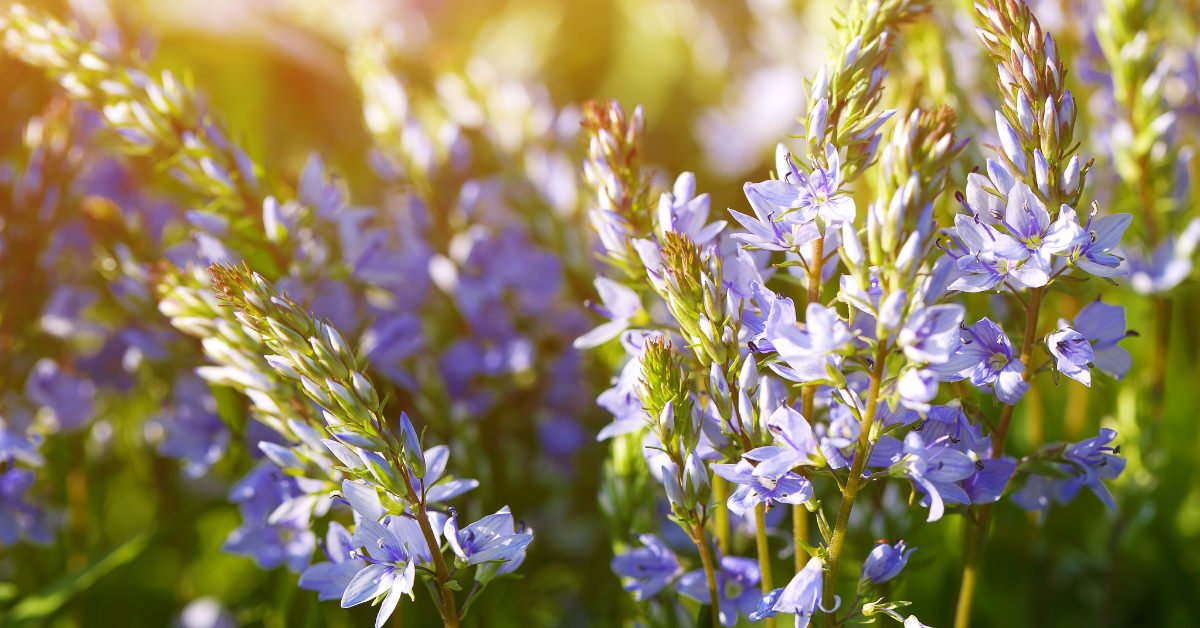
Summer savory marries well with other herbs in concoctions such as bouquet garni and fines herbes. Savory also pairs wonderfully with egg-based dishes, broad beans, peas or lentils, and can be used as a rub for chicken prior to roasting.
Savory is a low-maintenance and straightforward herb to cultivate, requiring minimal intervention. Despite its somewhat obscure reputation, its tiny, piquant leaves are quite versatile in cooking. Given that it’s typically not available in mainstream grocery stores, the optimal way to appreciate its flavours is by nurturing your own.
Commence the sowing of summer savory seeds indoors in pots from the onset of spring as these tiny seeds require light to sprout. Avoid covering the seeds. Once the threat of frost has subsided, relocate the plants outdoors, ensuring a sunny and protected location with light, well-drained soil.
You can begin to collect the leaves about eight weeks post-sowing. Regular picking will maintain the plant’s form and prevent it from getting too elongated. The taste is quite potent, so it’s advisable to use the leaves in moderation, especially if you’re new to them.
How to grow herbs indoors
Herbs can be grown indoors all year round, making it ideal for spicing up your cooking.
A bright spot by the window is all it takes to cultivate your dream kitchen garden. Many of your favourite herbs such as parsley, basil and thyme will flourish indoors given the right attention. Maintain your harvest season throughout the chilly winter and enhance your favourite soups, vegetables, roasts and more with an unlimited abundance of freshly plucked leaves.
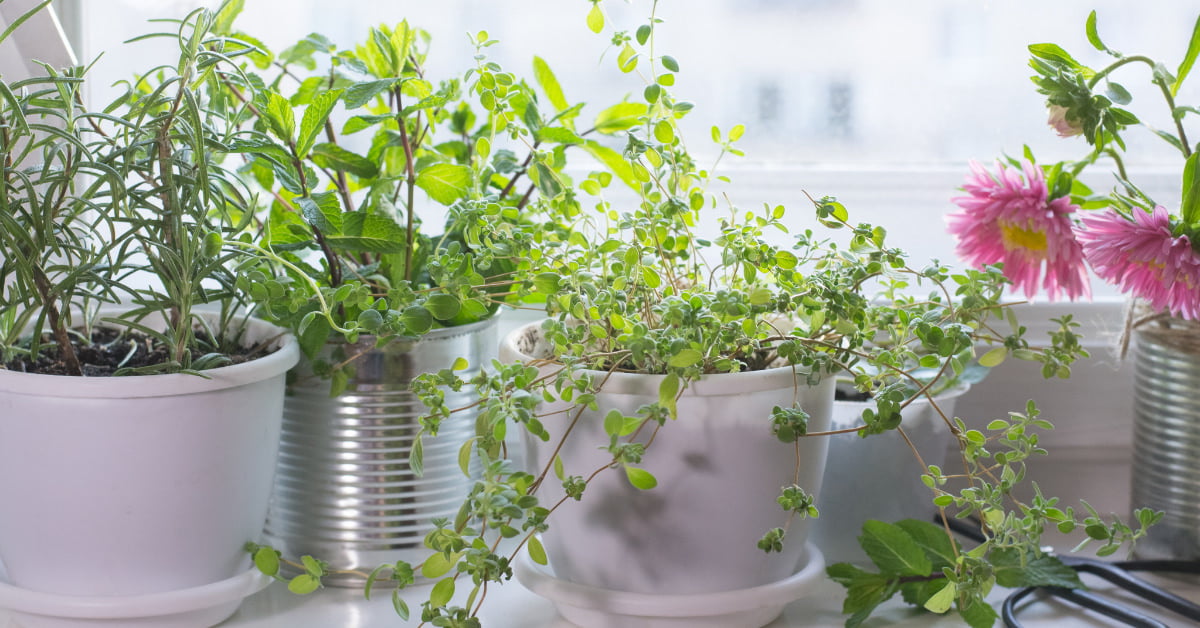
Indoor herb cultivation thrives best with species possessing shallow roots, which are perfectly suited for six-inch deep pots that can comfortably sit on a windowsill. These herbs should also be adaptable to varying light conditions, predominantly indirect light. Well-utilised woody herbs in our cuisine, such as sage, thyme, and oregano, are known to flourish in such containers.
The first step in creating an indoor herb garden is selecting the right herbs. Choose herbs that you frequently use in your culinary adventures. Some of the best options include rosemary, basil, parsley, chives, mint, oregano, thyme, coriander, lemongrass, sage, and bay laurel. These herbs are not only commonly used in various recipes but also are known to thrive well indoors.
Next, consider the space available in your kitchen. If worktop space is scarce, hanging pots can be a smart solution. These can be hung in front of your kitchen window or on a nearby wall. This not only saves counter space but also ensures that the herbs receive ample sunlight.
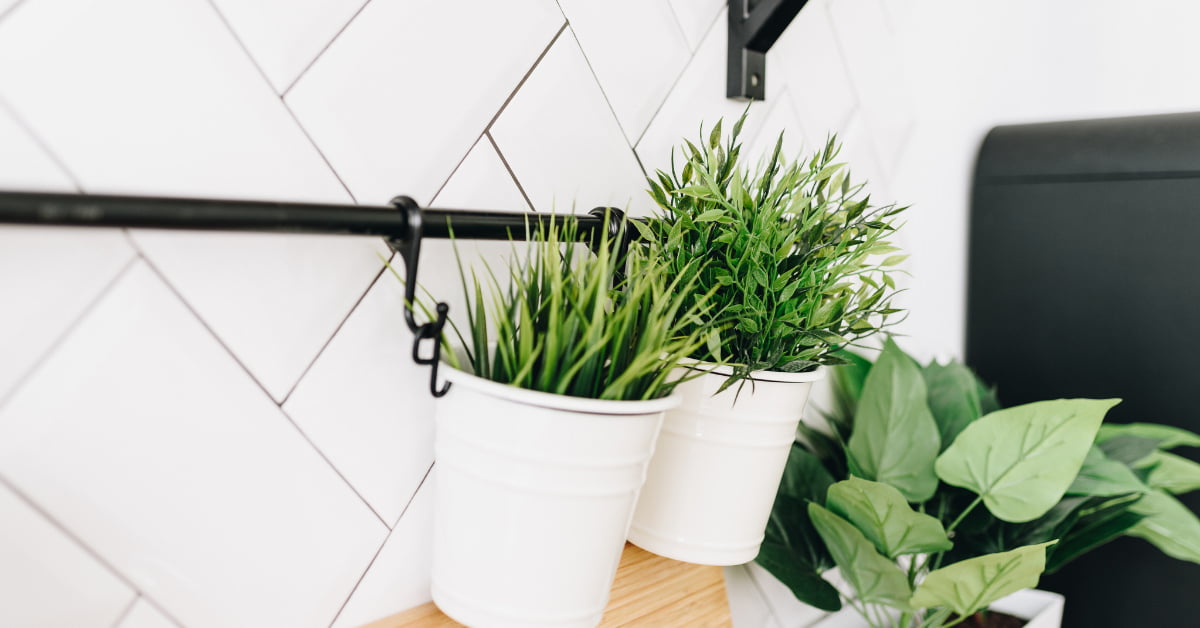
Another clever way to grow herbs indoors is by repurposing the vessels you already own. Mason jars, tea tins, cups, and saucers can all be converted into unique plant pots. This approach not only recycles items that would otherwise clutter your kitchen cabinets but also adds an element of creativity and personalisation to your indoor garden.
Window boxes are another excellent option for growing herbs indoors. Who says a window box has to be on the outside? These can be installed inside your window or simply placed on the windowsill. This method ensures your herbs get plenty of sunlight and also brings a charming aesthetic to your kitchen.
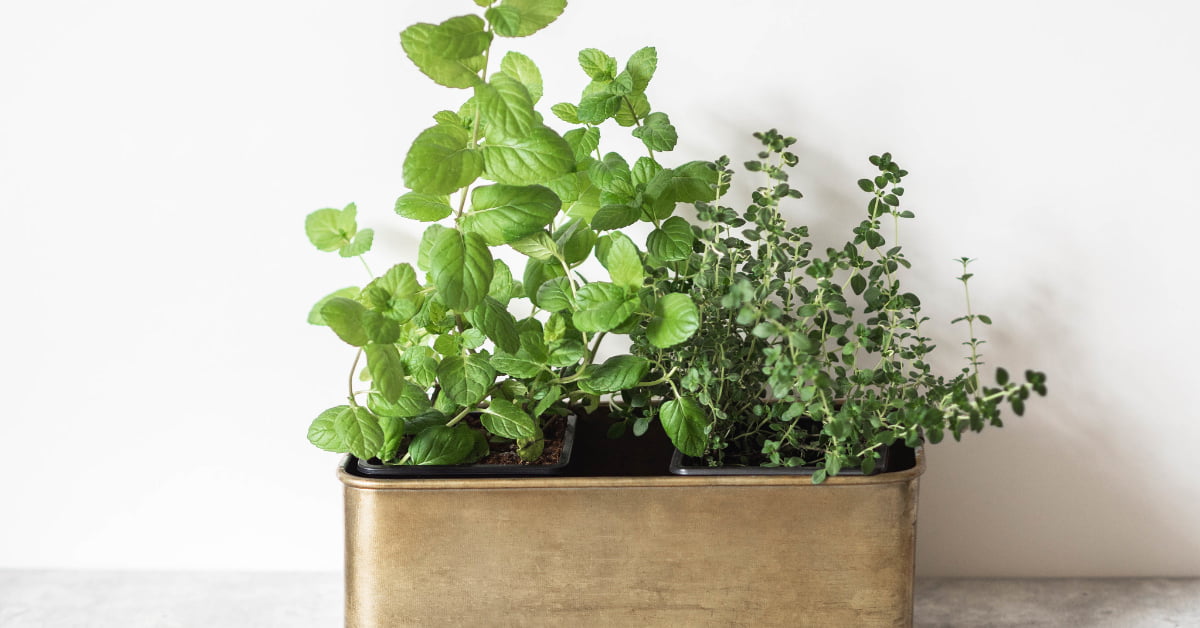
Lastly, consider using a terrarium to grow your herbs. This enclosed environment is ideal for maintaining humidity levels and can be an elegant addition to your indoor decor.
Remember, the key to a thriving indoor herb garden is ensuring that your herbs receive plenty of sunlight and are watered regularly but not over-watered.
How to grow a herb garden outdoors
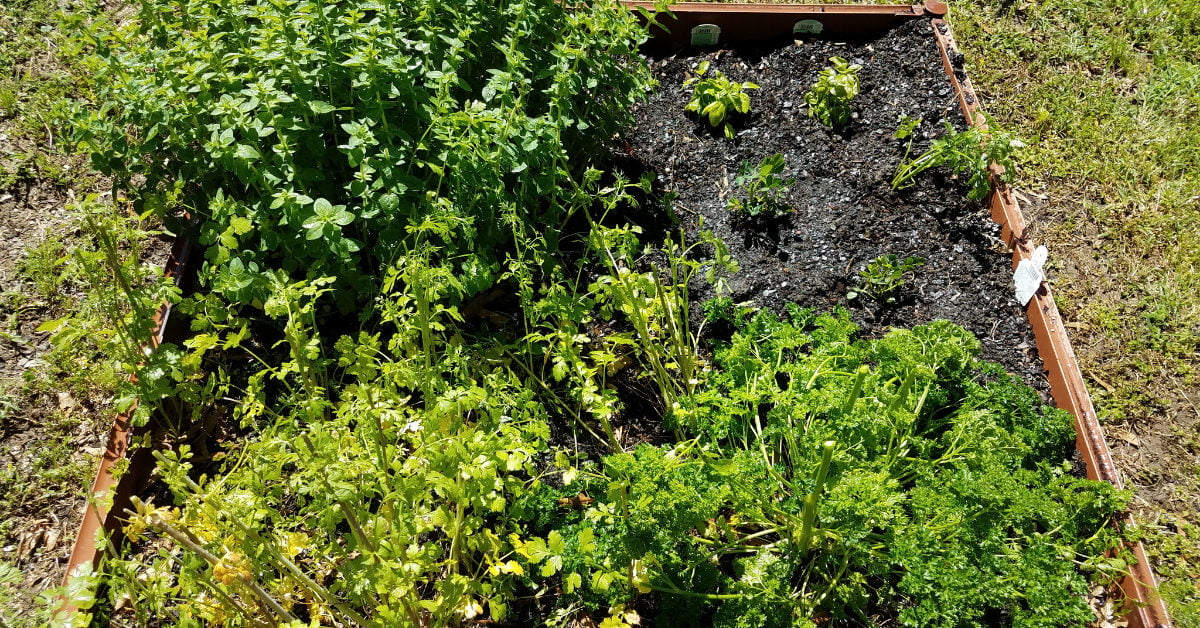
The majority of frequently used cooking herbs can be comfortably nurtured in standard herb or vegetable patches, elevated beds, plant pots, or mixed borders. The following are included;
- Year-round plants include: basil, coriander, and dill
- Two-year plants: caraway, chervil, and parsley
- Long-lasting plants: borage, chives, fennel, marjoram, mint, sage, tarragon, and thyme.
It’s widely believed that the best location for your herbs is as close to your kitchen as possible, ensuring they’re conveniently at hand when you’re in the middle of culinary endeavours.
However, the crucial point to keep in mind is that a majority of herbs flourish optimally in a sheltered location with plenty of sunshine.
How to plan your herb garden
A crucial aspect to consider when planning your herb garden is its accessibility for harvesting – you need to be able to easily pluck the herbs you require. Should your plot be expansive, incorporate stepping stones to allow access to the central herbs. Herb gardens of circular or oval design permit a stroll around or through them, while a triangular plot can be advantageous in a compact garden corner. Partition your herb garden into distinct zones for herbs with similar growth needs – a wheel or checkerboard pattern can be achieved using bricks, bark chips or gravel as separators.
Constructing a raised bed for your herbs enables you to tailor the soil composition, making it conducive for the specific herbs you wish to cultivate. This also introduces an additional layer to your garden, and facilitates easy harvesting.
As a general guideline, taller herbs like bronze fennel are best positioned near the centre of a bed. Experiment with contrasting leaf forms and hues – herbs with dark foliage are striking next to those with golden leaves. Low-growing curly parsley and chives serve as excellent border plants.
How to plant your herbs
The majority of culinary herbs require well-drained earth to flourish. If you’re working with dense clay, you’ll need to improve the soil condition. Incorporate some mature compost into the soil if you’re cultivating annual herbs, and introduce horticultural grit for Mediterranean herb cultivation areas. If you’re using a raised bed for your herbs, it should be packed with topsoil and horticultural grit sourced from the garden centre.
Should you choose to cultivate in pots, place some pot shards at the base and use high-quality, peat-free, all-purpose compost, supplemented with horticultural grit or perlite for enhanced drainage.
Before planting, position the plants to ensure they’re in the right place. Investigate each herb’s ultimate height and spread to ensure it has sufficient room to expand. Maintain the root ball at the same level when planting, and thoroughly water afterwards.
Want to get fresh herb and plant seeds delivered monthly?
Planning a garden all year round and sourcing seeds from all over the world is hard work, especially if you want to keep your garden interesting year after year.
That’s why we created Gardeners Box, each month, receive the hand-curated seeds we recommend sowing right now to brighten your garden, along with detailed instructions, and plant markers all starting from just £9.99. Click here to find out more.