Vegetable & Fruits Planting Calendar
Vegetable & fruit seeds to sow in July – Planting Guide
Jul
July is a great time to sow some fruits or vegetables. Since it is so hot, the warmth of the sun will do most of the hard work, and you can grow quick crops. Even if you have just a small piece of land to work with, there are space-saving seeds that you can plant.
Let’s get started!
What to plant indoors
Try these seeds in a greenhouse or inside the house.
Gherkin
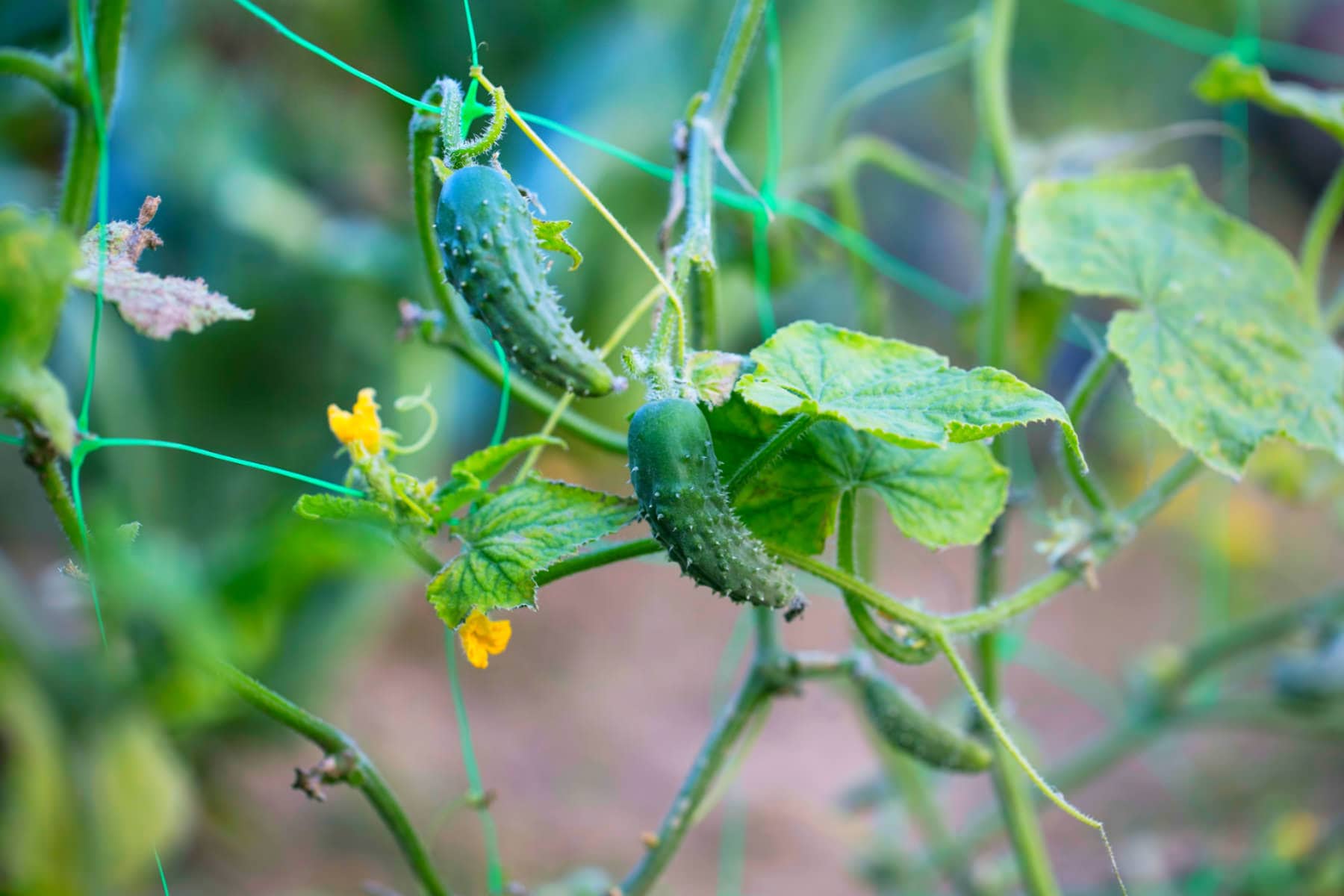
Cucumbers have featured in our cuisine since Roman and medieval times. It is a fruit, though people often mistake it for a vegetable. It also comes packed with nutrients, and it can be consumed sliced, pickled or as a gherkin, which is a small cucumber.
Gherkins can be grown in 30 cm pots, and those pots should be placed next to a large window or in place that attracts a lot of light. Seeds should be placed 2 cm under the soil, with a small amount of compost. It is important to keep them moist as they grow. They can be hardened off under cloches or a frame, and they can be transplanted to the garden when they are bigger. Don’t forget to remove the male seeds – if they pollinate with the female ones, the taste of the gherkin, if grown indoors, will be quite bitter. ‘King of the Ridge’, ‘Perfection’, ‘Venlo’, and ‘Crystal Apple’ are excellent varieties to grow.
Ensure good ventilation – this will keep powdery mildew at bay.
What to plant outdoors
Sow these seeds directly outside.
Lettuce

Lettuce is a staple of many salads, and it is a wonderful option for any summer dish. Growing from seed allows you the opportunity to grow the type of lettuce that best suits your taste buds, and you can grow ‘Wild Rocket’, ‘Spicy Mix’, or ‘Salad Bowl’. Sowing to picking takes just 6 weeks.
Lettuce seeds can tolerate very poor soil but using organic material to keep the moisture level in the soil high will ensure that the lettuce does not develop a bitter taste. For best results, it is also a good idea to remove any weeds or debris from the soil. Make a drill that 1 cm deep. Make sure to keep the shape of this drill intact, and sprinkle seeds along it. Cover lightly with soil or compost, and water gently. When leaves are 4 cm, they can be picked and eaten.
You can sow every couple of weeks to ensure regular cropping, and they can be grown in any small gap between flower beds, or in pots and containers. Use slug traps to keep slugs under control, while covering the growing lettuce with fleece or cloches to keep beetles away.
Carrots
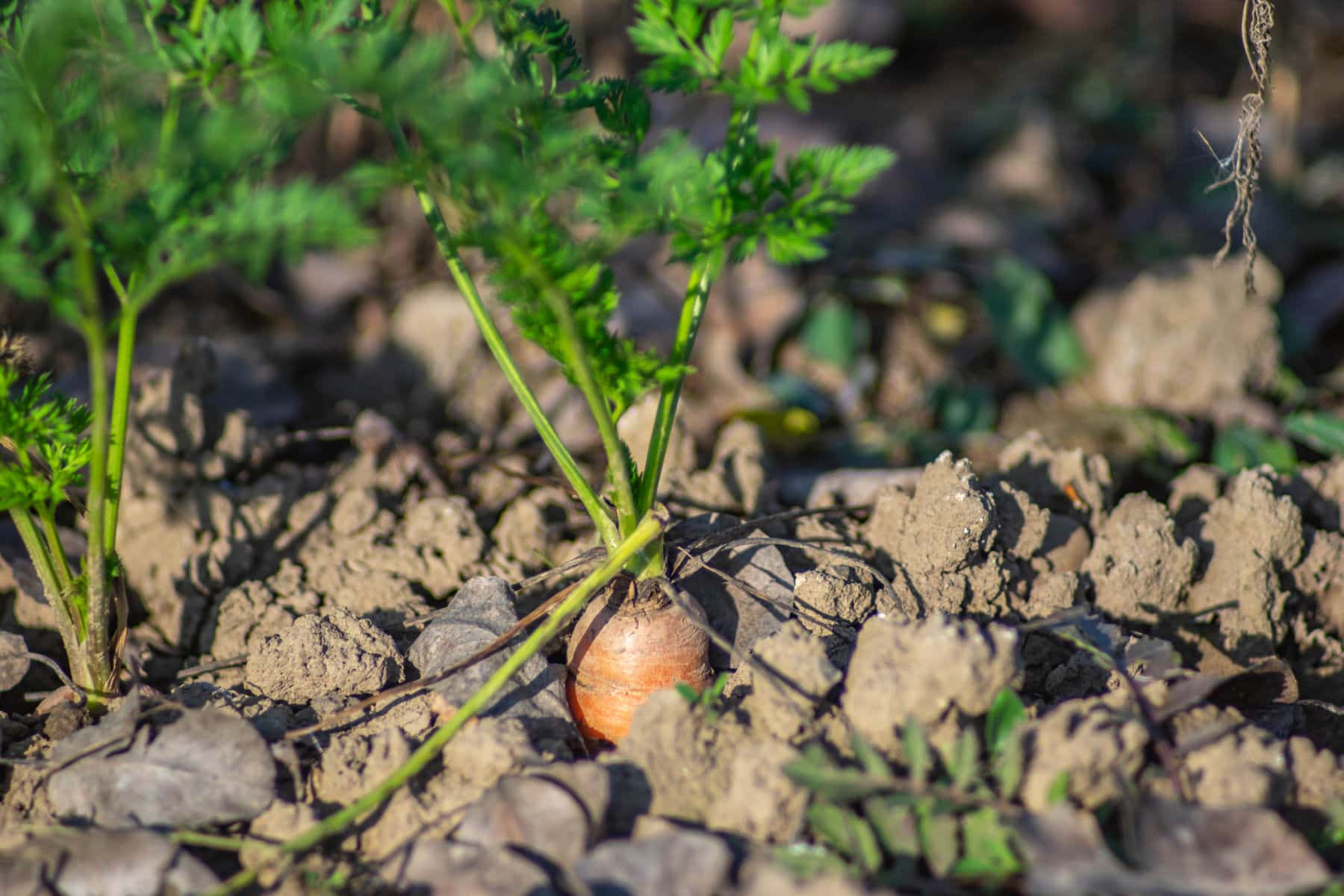
Carrots have been eaten for the last 5,000 years, and they are packed with vitamin A. Typically orange, they can also come in white, yellow, red, and purple. July is generally the last time you can sow if you want an autumn crop.
Seeds should be placed in very sunny spot, where the soil is fertile and well-drained. Clear the soil of any debris that might prevent the carrots from growing adequately. Sow them 3-4 cm deep in rows that are 15-30 cm apart. Carrots typically do not need much water, but if July happens to be particularly warm, some extra watering is advisable.
Carrot root fly is one pets, and there are some tricks you use to keep it under control, such as covering the growing carrots with fleece and using fly barriers. Growing carrots with chives, for example, is another good idea because the strong smell will drive the flies away. You can also use something like a sticky trap.
Dwarf French Beans
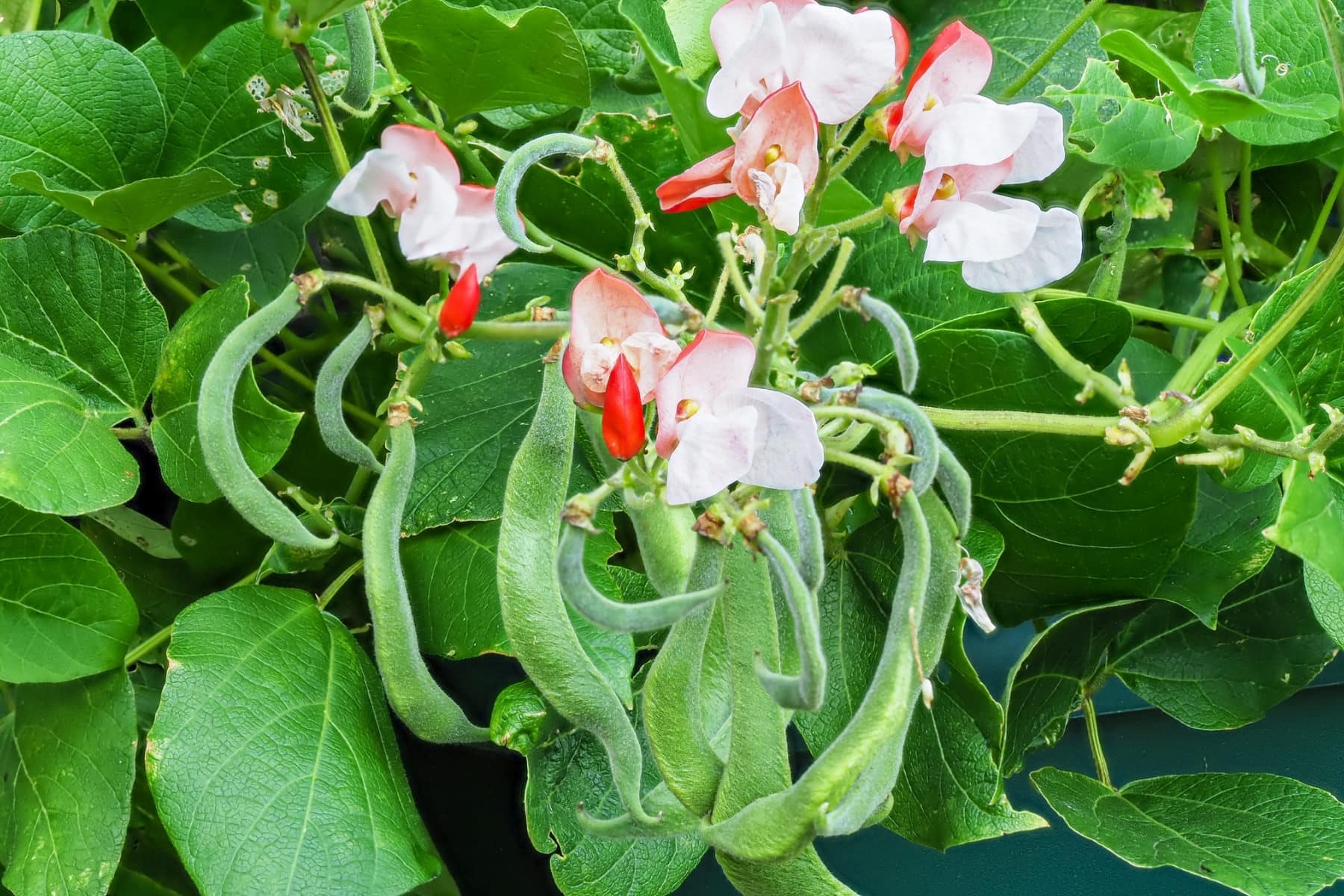
July is the last time you can sow these beans if you want to eat them next season.
Sow seeds 10 cm apart in rows that are spaced 38-45 cm apart. The seeds should be 5 cm under fine soil, under full sun or partial shade, and they should be watered well. Use supports to train the growing plants, and these supports can be 23 cm apart. Seeds can be sown at the base of each support. Use fertilizer to help the growing process, and in 3 months, the beans can reach their maximum height of 1.8 m, and their maximum spread of 60 cm.
Turnips
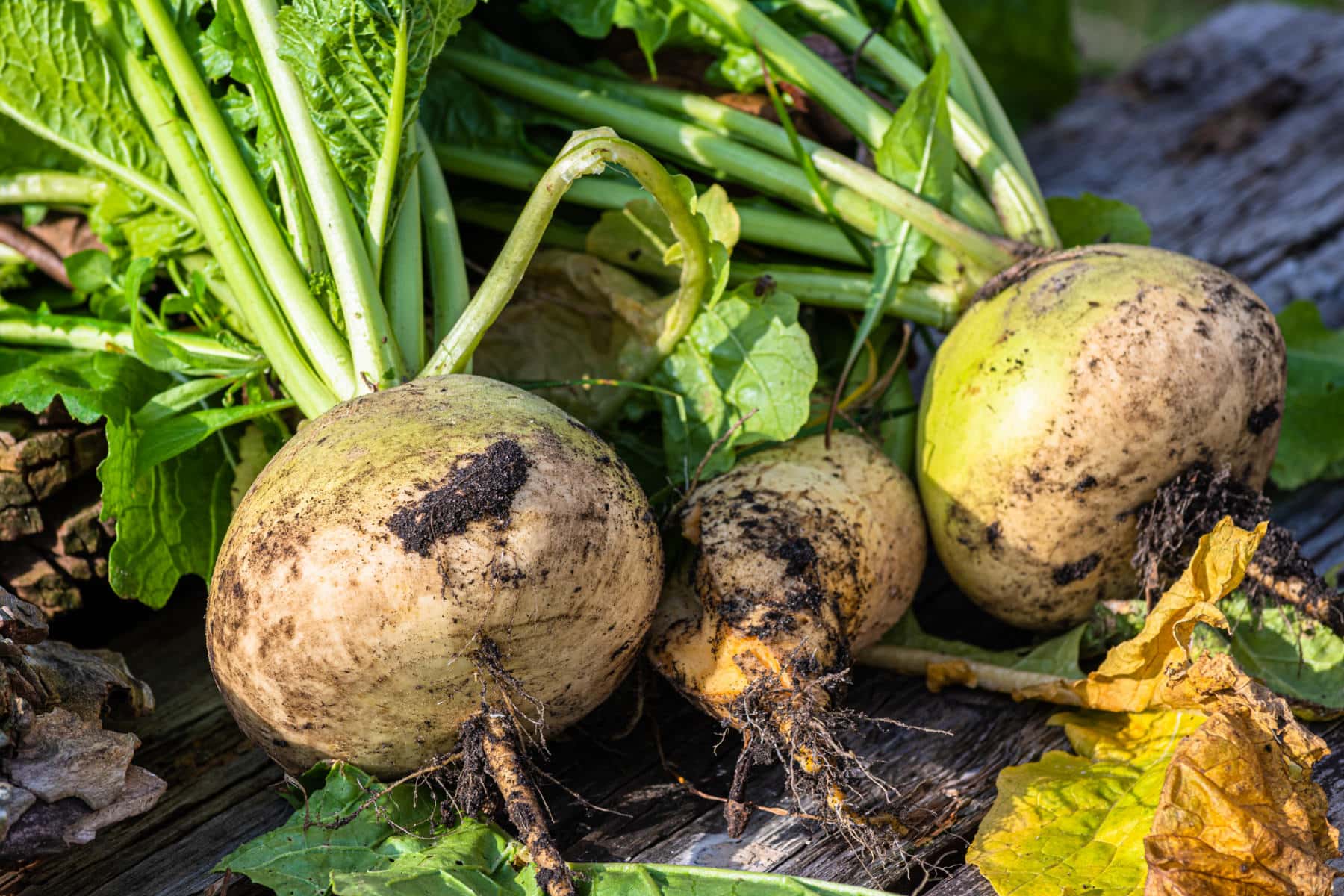
The turnip is a root vegetable, and it is a hardy biennial plant in the mustard family.
Seed should be sown thinly, with rows spaced between 23 and 30 cm apart. Once the seeds are bigger, give them more room to grow. Water generously since July is typically a warm month. Finally, turnips can be harvested when they are golf ball sized, and the leaves can be eaten as greens. These leaves are known as ‘turnip tops’.
Insect-proof mesh will keep the cabbage root fly and flea beetles away. As always, keeping the seeds nice and moist will keep powdery mildew at bay.
Radishes
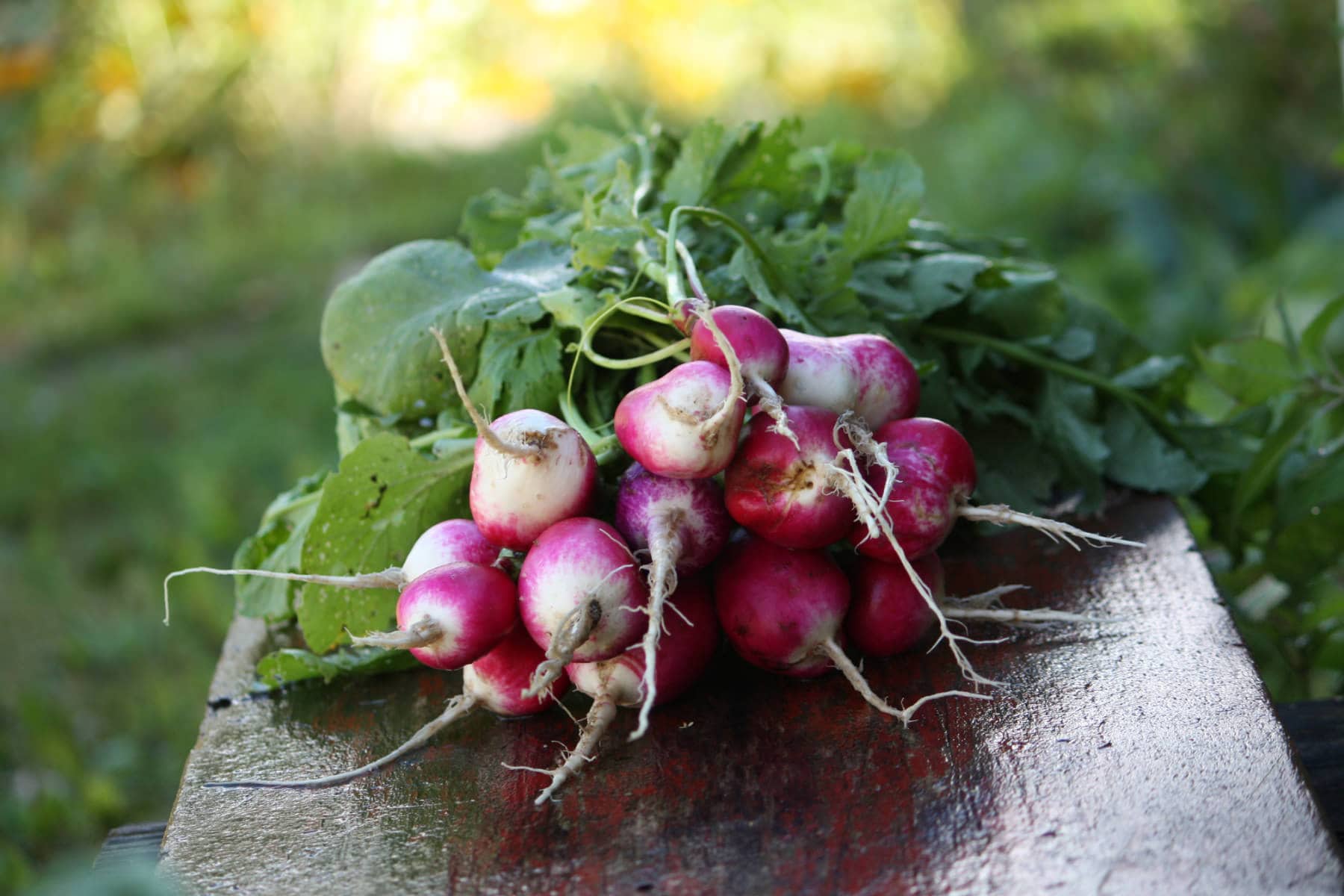
Radishes are edible root vegetables. They have been around since Roman times, and now they are eaten all over the world. They have great cultural significance in Mexico, where is forms part of Christmas celebrations, and Asia, where they can be used as toys or to celebrate the New Year.
Radishes are a great quick vegetables, and it is not uncommon for people to grow them in rich, well-drained soil that has been boosted with compost, and in the gaps between other plants that take longer to grow, like peas. Radish seeds can be sprinkled gently on the ground. It is a good idea to then rake the seeds – this will help spread them and to cover them lightly. Water gently, though a wet day in July will do the job for you.
Aphids may attack the plant, so water or pick them off.
Corn Salad
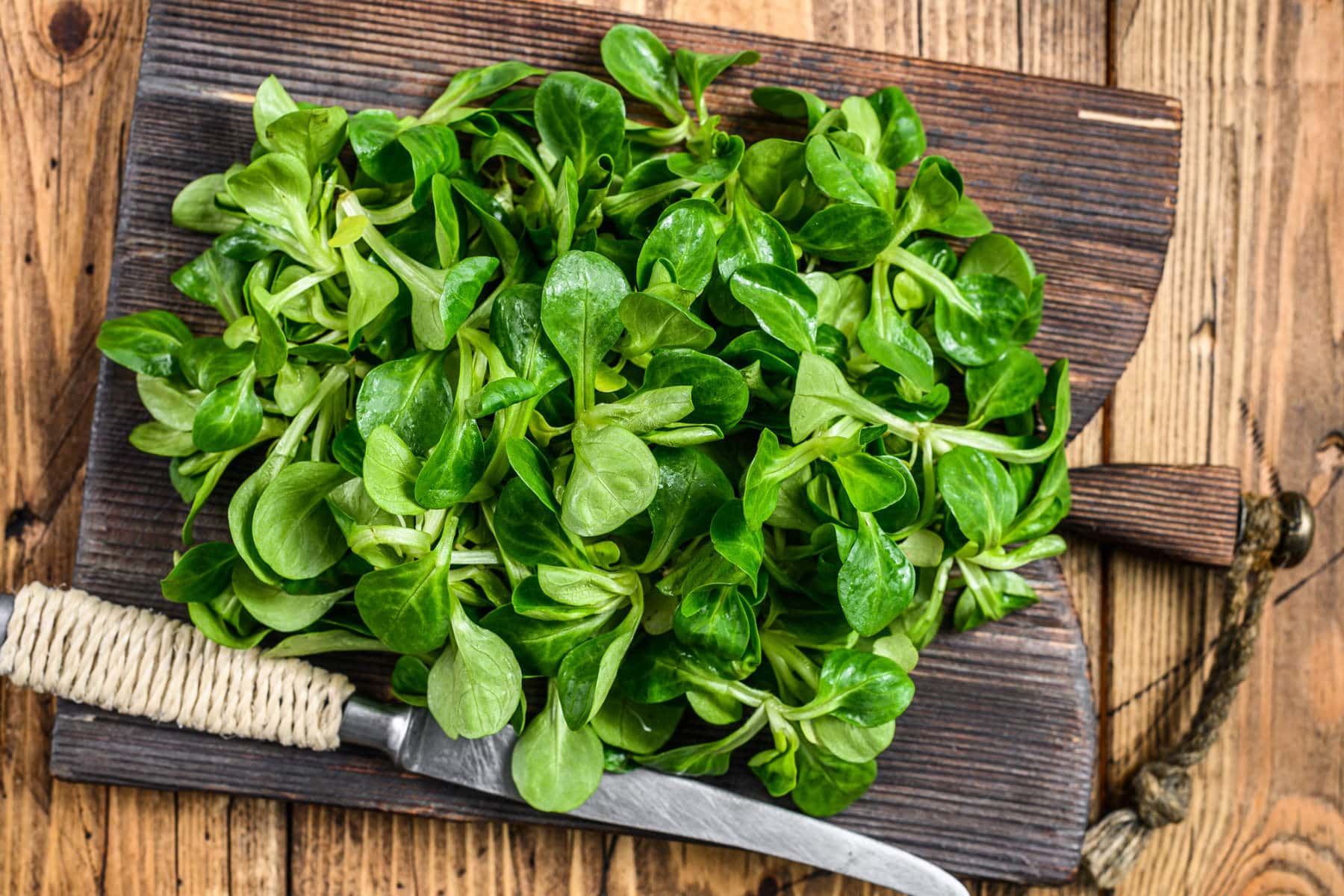
Corn salad comes in a wide variety of names, and it is typically served with boiled eggs and bacon. It is also very nutritious; it has three times more vitamin C than lettuce.
It can be grown in all types, in full or partial shade. The seeds can be grown 15 cm apart, in rows that are also 15 cm apart. You won’t need fertilizer, but weeds should be removed if they appear. Corn salad is quite low maintenance, and it can be harvested in 8-10 weeks.
Slugs and snails can be controlled by traps, though you can also consider attracting their natural predators to your garden. Aphids can be picked or watered off.
Radicchio
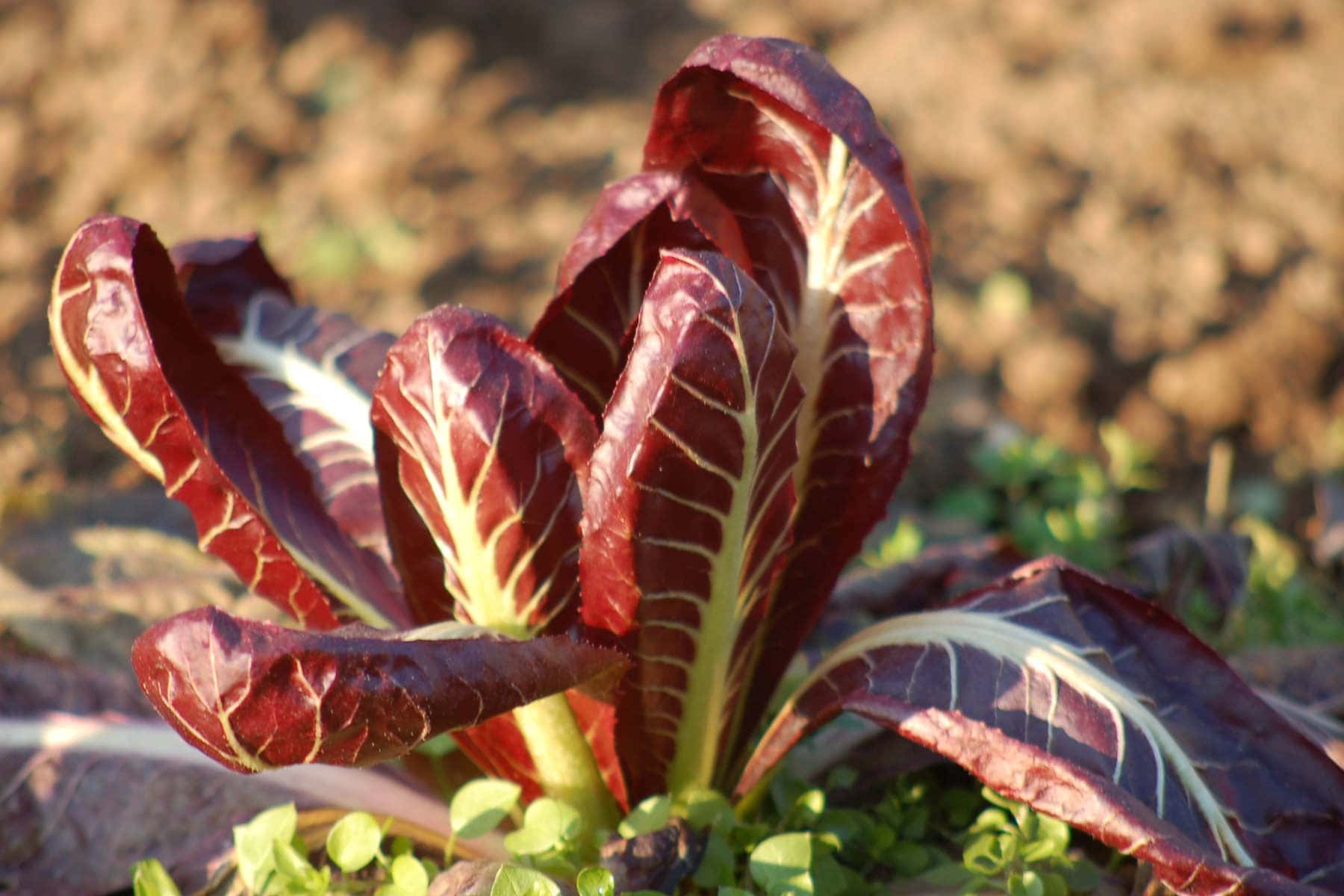
Radicchio is very popular in Italian cuisine. It has a bitter and spicy taste but grilling or roasting it will make the taste softer. Pliny the Elder, a Roman polymath, suggested using it to cure insomnia. Its ability to help you sleep is unproven, but it is delicious.
Remove debris and weeds from the soil and sow these seeds directly in a sunny location. In rows that are 30 cm apart, place the seeds 1 cm deep. Firm lightly and water them just a little bit. As they grow, the seedlings can be thinned even more, and seedlings usually emerge 1-2 weeks after sowing. Leaves can be harvested at any time, and the head can be harvested around 2 months after planting. The older it is, the more bitter the taste.
Aphids and slugs can be taken care off in the usual manner. If leaves have been affected by leafminers, then the infected part of the plant should be removed. Good ventilation will reduce the risk of powdery mildew and bacterial leaf spot.
Want to get fresh herb and plant seeds delivered monthly?
Planning a garden all year round and sourcing seeds from all over the world is hard work, especially if you want to keep your garden interesting year after year.
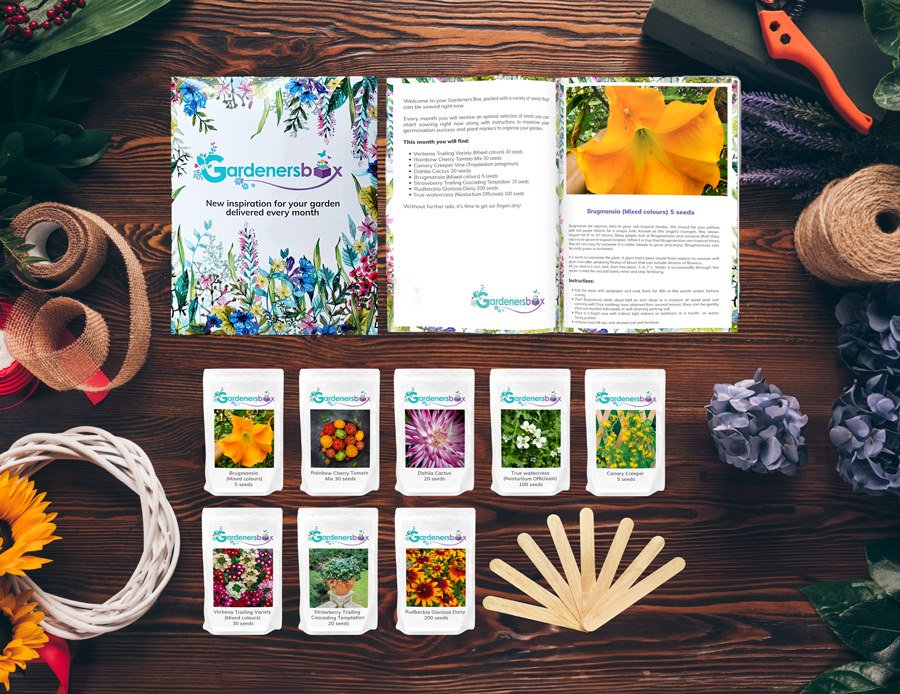
That’s why we created Gardeners Box, each month, receive the hand-curated seeds we recommend sowing right now to brighten your garden, along with detailed instructions, and plant markers all starting from just £9.99. Click here to find out more.