Vegetable & Fruits Planting Calendar
Vegetable & fruit seeds to sow in February – Planting Guide

Feb
We’re in February, which means the year is progressing, and we still have work to do in the garden. Even in this second month, there are so many fruits and vegetables we can grow.
Ok, let’s get to it.
Seeds you can sow indoors
These will work great inside your home or in a greenhouse.
Potatoes
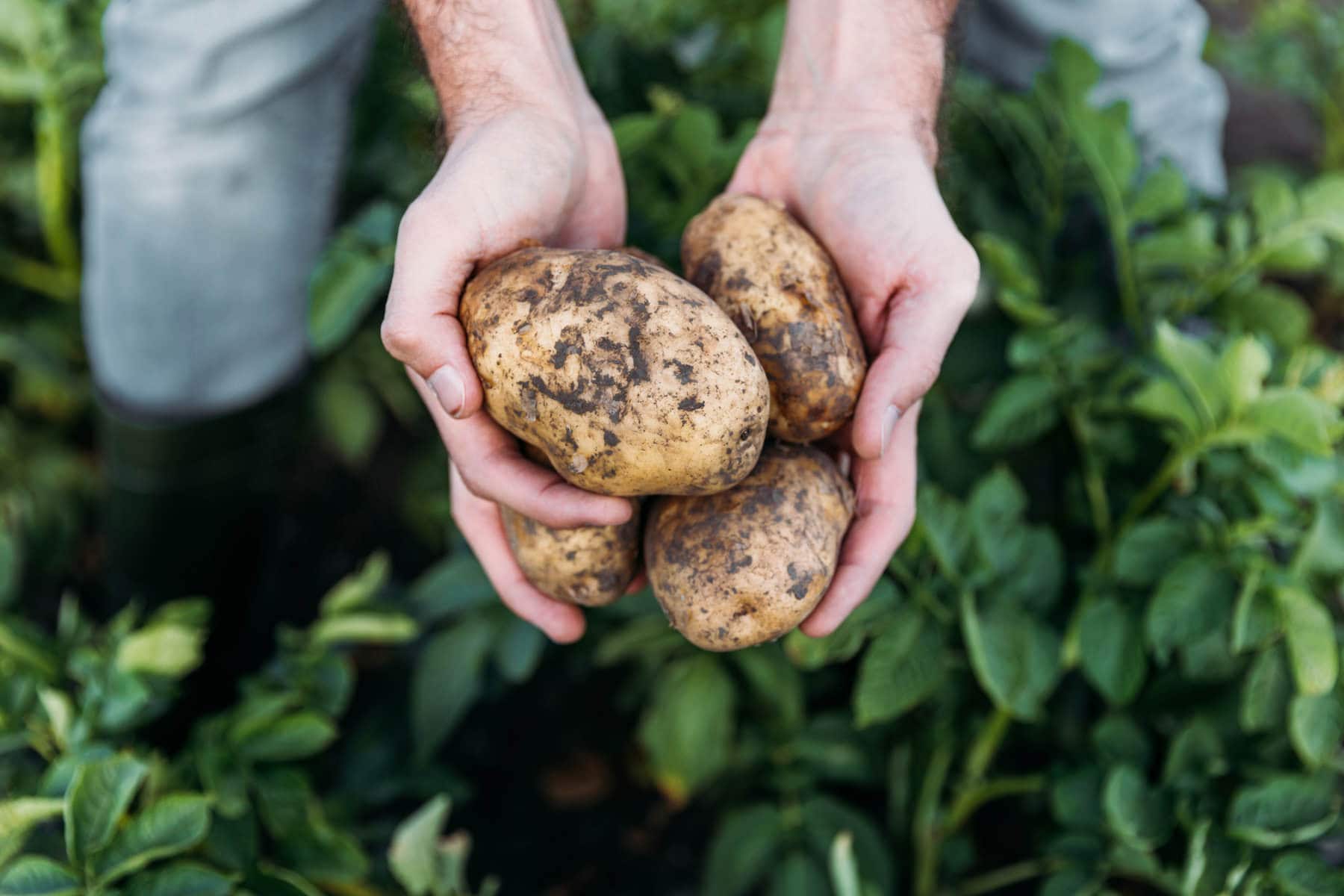
Originally from the Americas, potatoes are now a staple food in many cuisines around the world, and even J. R. R. Tolkien celebrated them in his Lord of the Rings trilogy. They can be eaten in many different ways, so their widespread appeal is not surprising.
You can grow potatoes in containers, pots, sacks, and in lots of places. They are not fussy, but the container should have holes that allow water to drain away and resist the temptation to sow too many seeds in a small space as this will result in undersized spuds. In a grow bag, for example, three seeds would be maximum. Also, make sure you are growing a variety that is suited to being grown in a container. Finally, be sure to water often and use balanced organic fertilizer. By following these steps, you can later plant these potatoes out in the spring months.
Potato blight, potato scab, potato rot, and potato blackleg are issues that can attack your growing potatoes.
Sweet Peppers
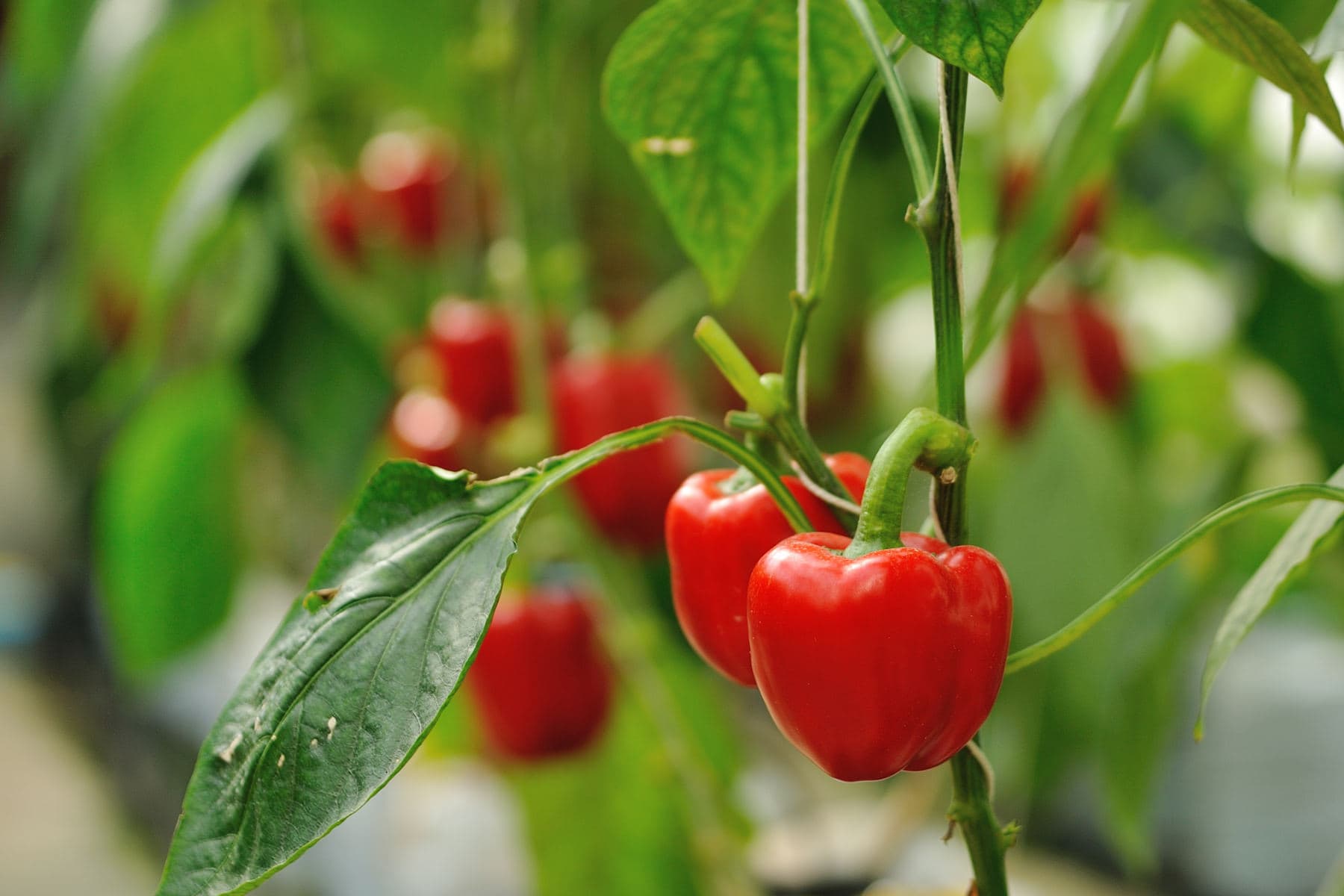
This fruit comes in different colours, though many people use it as the vegetable component of a dish. At any rate, they can be eaten raw or cooked, and enjoyed in stir fries. Sweet peppers are similar to bell peppers, but they are, well, sweeter. It was introduced into Europe by Christopher Columbus. Try the ‘Gypsy’ and ‘Gourmet’ varieties.
In pots or seed trays, sow these seeds. Ensure that temperatures stay at 18-21 degrees Celsius, and this can be done by using a heated propagator or by placing plastic bags over the pots. After two leaves have formed, move the plants to 7.5-9 cm pots. As they get bigger, stake the plants if they are producing heavy fruits. Pinch out to encourage bushiness and if you want a lot of smaller fruits.
Red spider mites and aphids can attack, so take the appropriate steps to solve this problem. Water often to avoid end rot.
Leeks
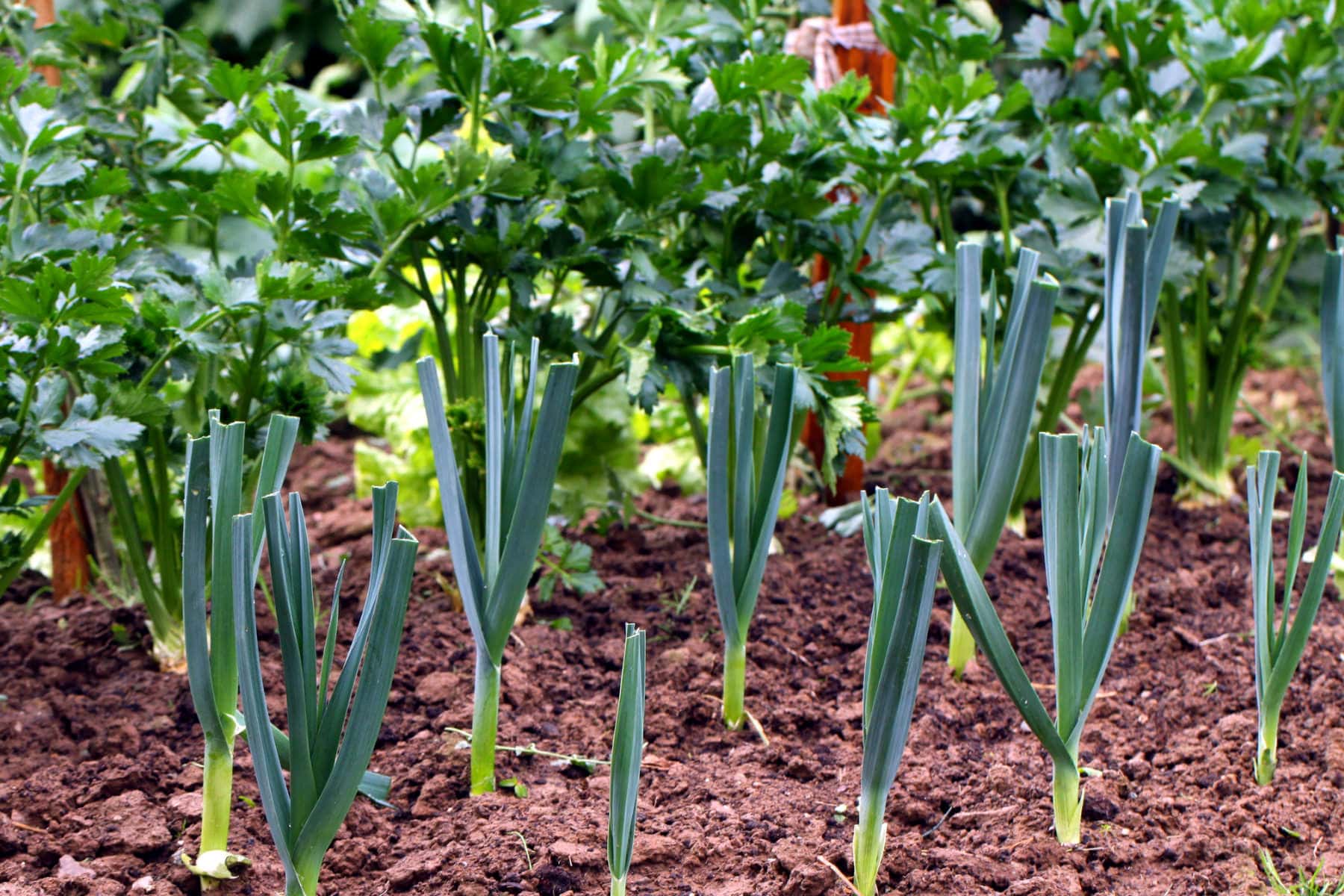
Emperor Nero was such fan of leeks, it earned him a nickname. It has popped up in ancient Egypt, too, and it has cultural significance for the Welsh and the Turks. Buddhists, on the other hand, avoid leeks because they believe it does not help them remain calm and contemplative.
The month of February means that leeks can be first sown in seed trays under cover. Keep moist and cover thinly with compost. As they get bigger, move to bigger pots and cover with more compost. Then, you can transfer the leeks into the ground when they are 20 cm tall but remember to break up the soil and remove stones and debris before transplanting. Holes should be 20 cm deep at most and be sure to maintain a distance of 15 cm between leeks and 30 cm between rows. Water regularly.
Caterpillars can attack your plant, but if caught early, the damage can be greatly minimized. If the damage is extensive, then the plant should be removed entirely and disposed of properly.
Seeds you can sow outdoors
Try these seeds in your garden.
Apricot trees

Apricot trees were first cultivated in China before Alexander the Great introduced them into the Mediterranean. Historically, apricot trees were difficult to grow in the UK, but now, new varieties have been developed for the British climate. Try the ‘Tomcot’, ‘Goldcot’, and ‘Flavorcot’ varieties.
First, you must prepare the soil well, and when you are planting, you should add a lot of organic material. Choose a sheltered, warm site, and make sure that the soil is rich and well-drained. A slight slope will also favour growth. In the first growing season, water as much as possible, and don’t forget to stake the tree. A fleece blanket is handy when it comes to protecting the flowers from frost.
Powdery mildew is one issue that can affect these trees, but good ventilation will keep this particular problem at bay.
Artichoke tubers
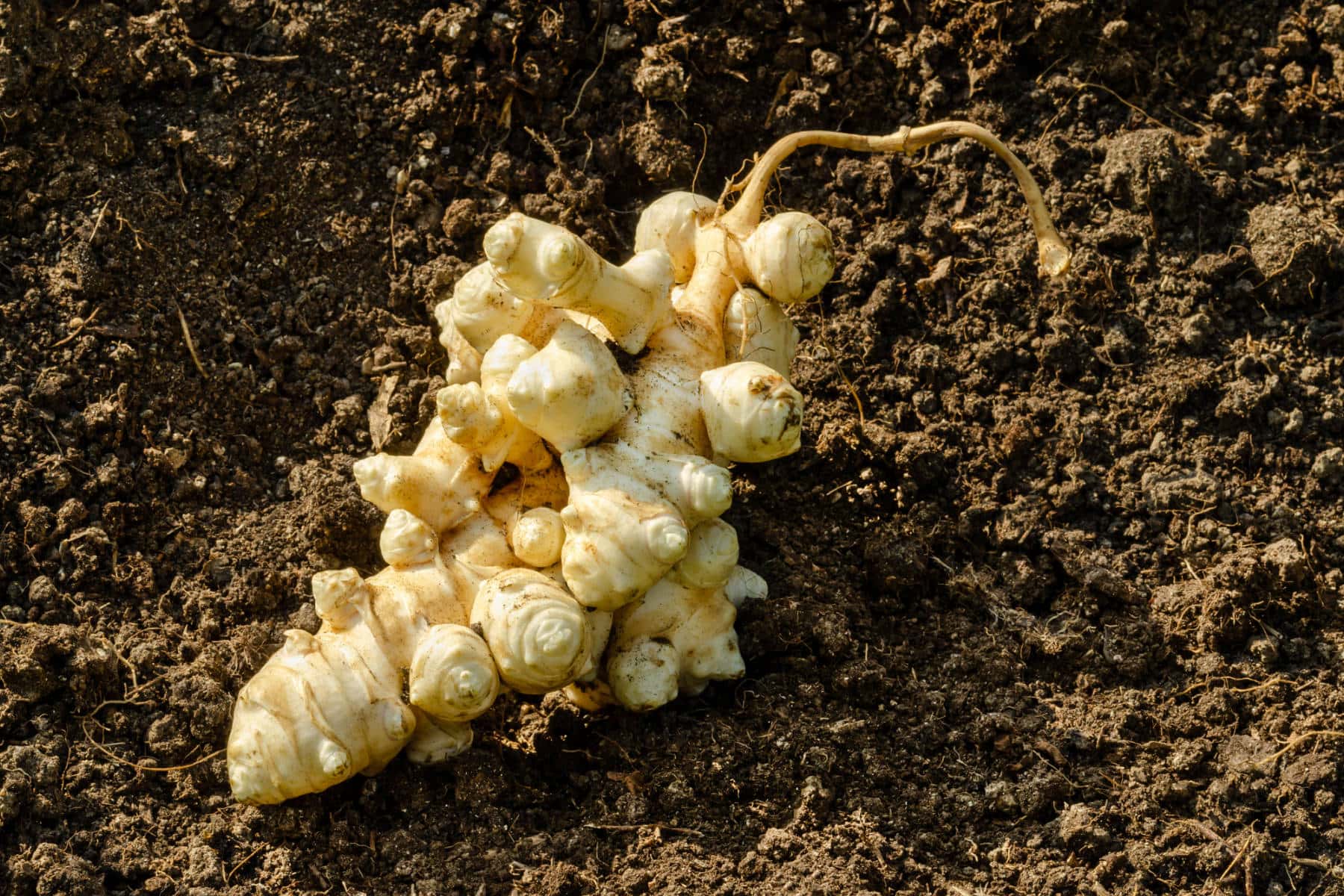
You can try growing the Jerusalem artichoke if you want tubers. Believe it or not, but it’s related to the sunflower, which is perhaps betrayed by the fact it has pretty yellow leaves. Underground, its tubers are edible, either raw or cooked.
Plant the tubers in well-prepared soil, at a depth of 10-15 cm. They need some space, so keep the distance between tubers to around 30 cm. If you have the space, rows of tubers can be spaced 1.5 m apart. As the stems grow, stabilize the plant by moving soil around them. In general, you only to water this vegetable when it is exceptionally dry, which February rarely is in the UK.
Use biocontrols or beer traps to keep slugs and snails away.
Carrots
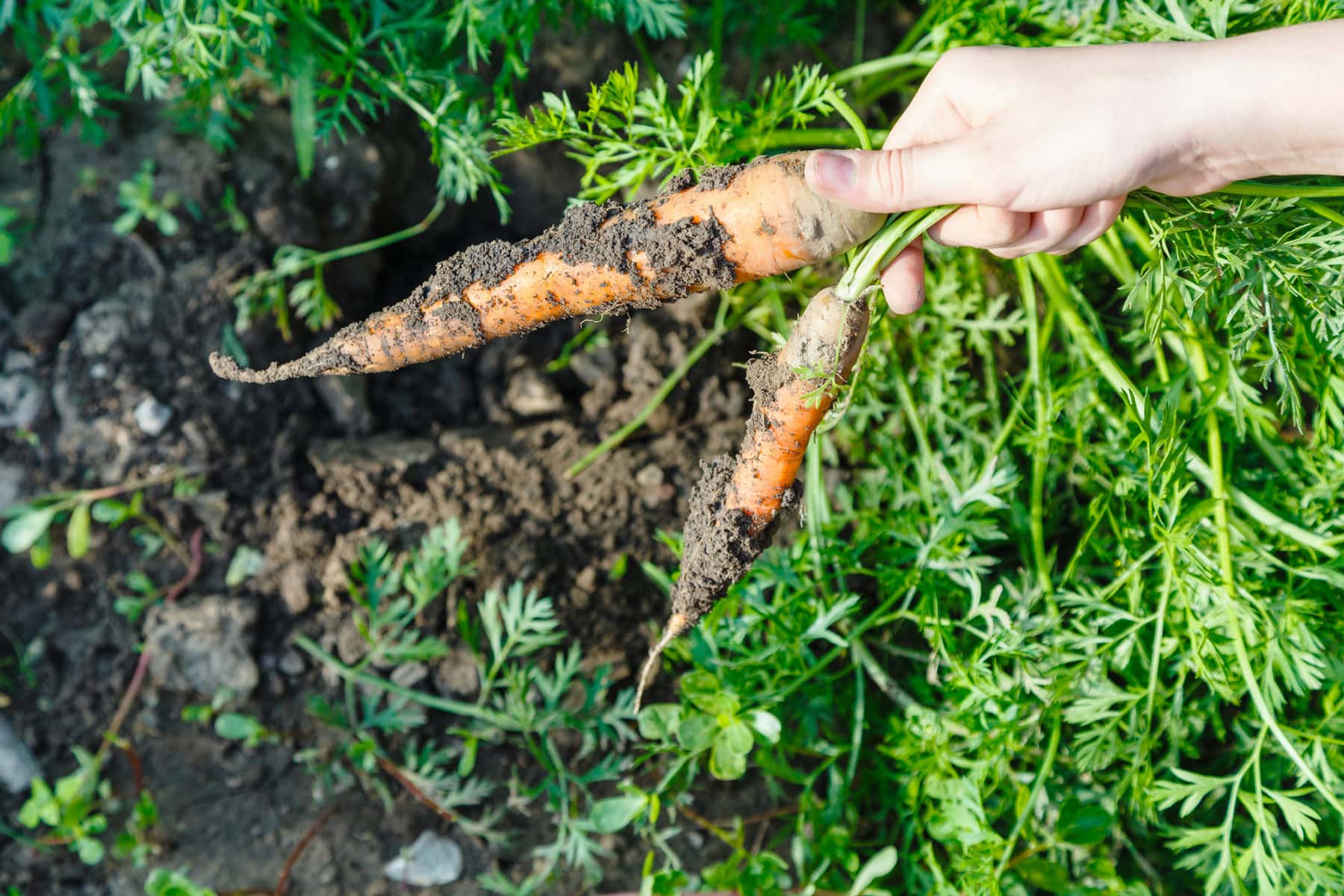
Carrots can come in a variety of colours, not just orange. It is very healthy – it comes packed with vitamin K – and even the stems and leaves can be eaten. At this time of year, you should grow carrots under cloches, though carrots do prefer cooler soils, and you can try an early variety, like ‘Nantes 2’.
First, prepare the soil by removing stones, weeds and other debris. Simply sprinkle seeds in a row and cover lightly with soil. The depth of these seeds should be 1 cm, while rows can be 15-30 cm apart. Keep the soil moist as dry soil can break the carrot and give each seed enough room to develop.
Carrot fly can be an issue but sowing thinly can help prevent it. Aphids should be crushed with your fingers or blasted off with water.
Blackberries
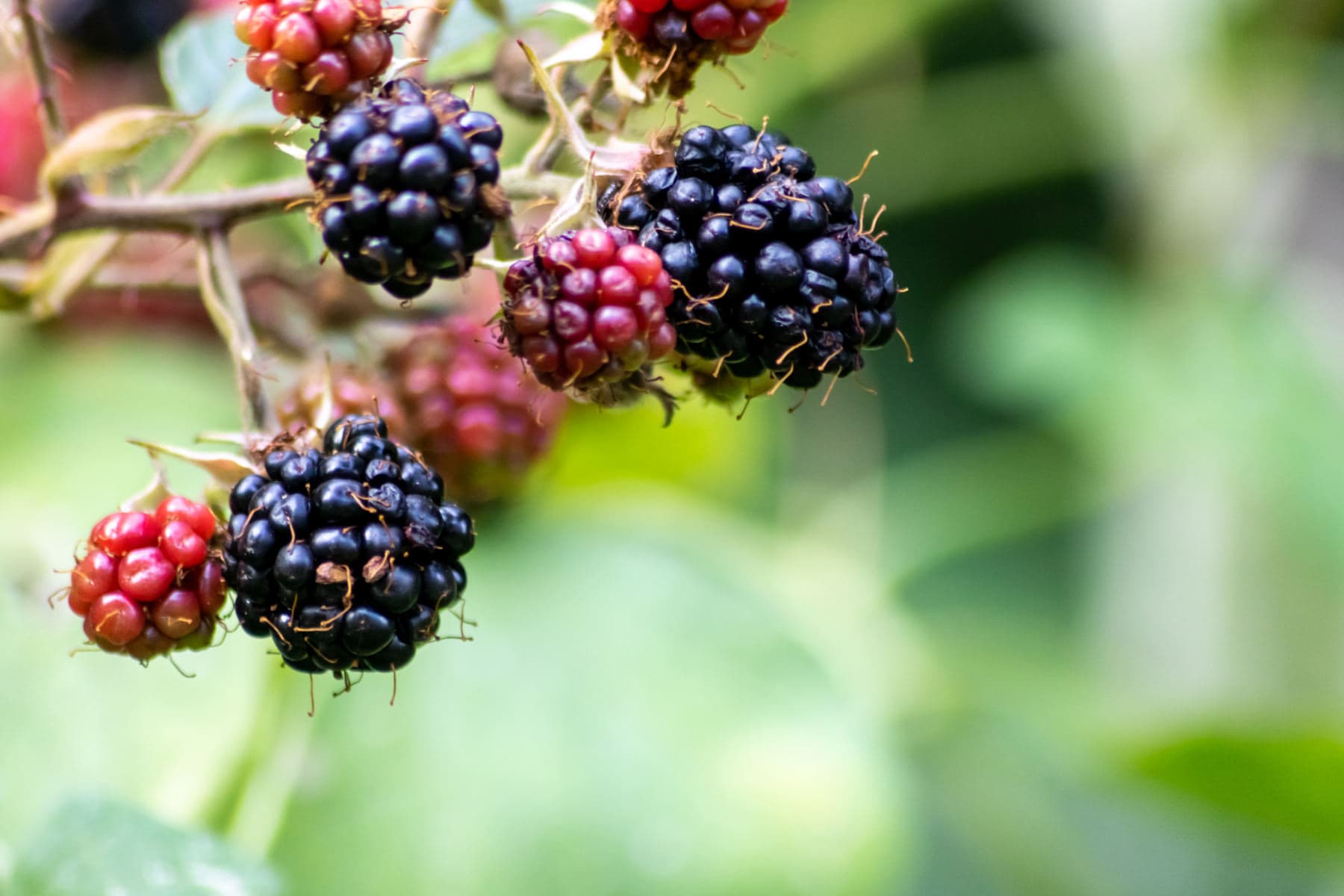
Blackberries have been with us for thousands of years, and they come packed with nutrients, which means they can be enjoyed as drinks, in desserts, as jams, and in many other different ways. This fruit has appeared in many myths and cultural stories.
Blackberries can be grown anywhere, but you can aid growth by choosing a spot that attracts the most daylight, and by mixing in plenty of organic material into well-drained acidic soil. They will need water, and some weeding will also be required. Space the plants 50 cm apart. In big gardens, this can distance be 1 m. Don’t be afraid to support the growing plants with sticks.
Aphids can be an issue, so crush colonies with your fingers or wash them off with a garden hose.
Great food at your fingertips
So, the year is still young, but there is so many possibilities for your garden and indoors, with so many fruits and vegetables on offer. Whatever you go for, it will be a rewarding feeling when you finally get to it.
Enjoy it!
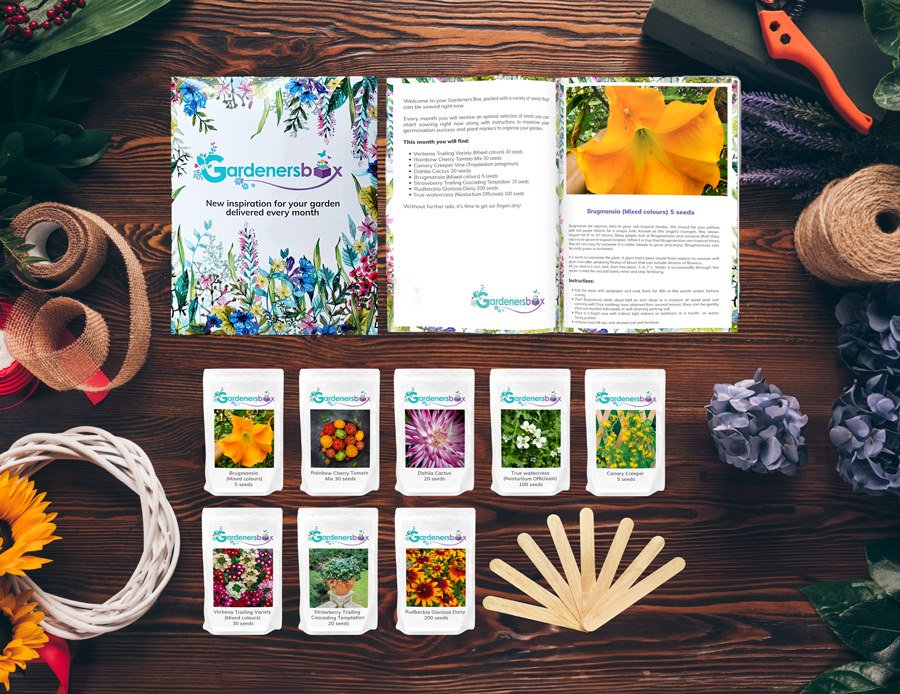
Want to get fresh herb and plant seeds delivered monthly?
Planning a garden all year round and sourcing seeds from all over the world is hard work, especially if you want to keep your garden interesting year after year.
That’s why we created Gardeners Box, each month, receive the hand-curated seeds we recommend sowing right now to brighten your garden, along with detailed instructions, and plant markers all starting from just £9.99. Click here to find out more.