
Vegetable & Fruits Planting Calendar
Vegetable & Fruit Seeds to Sow in December – Planting Guide
Oct
By Anna, founder of Gardeners Box
December already has enough lists. I’m reluctant to give you another enormous one, especially when it involves standing in the rain.
Still, a little green on the windowsill is welcome when the garden looks mostly brown. And on a mild afternoon, half an hour outside can be a very good reason to escape the wrapping paper.
If you’re looking for vegetable and fruit seeds to sow in December in the UK, start with a small indoor crop. Outdoor options are mostly planting jobs, using suitable sets or dormant bare-root plants when the ground allows. There’s no need to fill every empty pot.
Grow pea shoots for the December kitchen
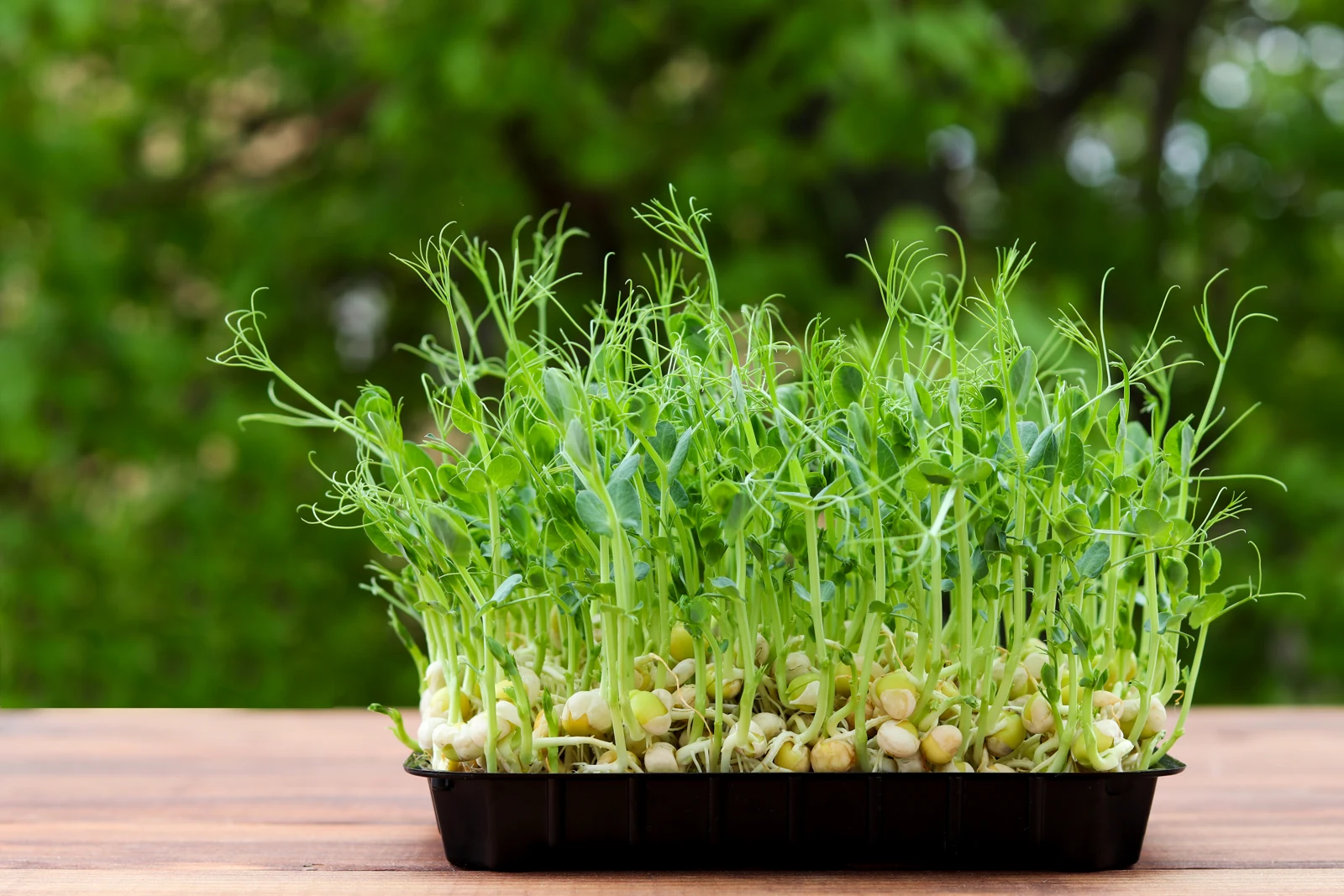
Pea shoots taste sweet and fresh, with tender stems and little curling tendrils. They’re good tucked into a sandwich or scattered over lunch. A small tray gives you something to pick without committing a whole windowsill to a crop that needs months to mature.
Buy seeds labelled for edible pea shoots, with Pisum sativum on the packet. Use untreated seed intended for food growing and a clean tray with drainage holes. Follow any specific preparation instructions on the packet.
- Fill the tray with peat-free multi-purpose compost, moisten it and let excess water drain. Sow about 2.5cm deep and 2.5cm apart, unless your packet recommends otherwise.
- Keep it indoors in bright light and check the compost daily. Water when needed so it stays moist, without leaving the tray sitting in water. Avoid cold draughts and direct radiator heat.
- Harvest when the shoots are around 10–15cm tall and still tender. That often takes three to four weeks; a dim December window can take longer. Cut with clean scissors, leaving about 2.5cm of stem and some leaves if you want to try for a second picking. Wash the shoots before eating.
Watch the plants rather than promising yourself a particular harvest date. Long, pale stems mean they need better light. If shoots become tough, start a fresh tray rather than waiting for them to improve.
You may get a second flush after cutting, but it’s a bonus. Sow another small batch once you know how quickly you’re using the first. There’s no need to have six trays ready for a garnish.
A December planting window for shallots
If a mild spell gives you workable soil, autumn-planting shallot sets are worth considering. Check the supplier’s planting window before buying: plenty of shallots are intended for spring planting, so the label matters here.
Choose a sunny position with soil that drains freely. Space and plant the sets according to the pack, with their tips just showing if that is the supplier’s guidance. Firm them gently so birds are less likely to pull them out, then check the row after planting.
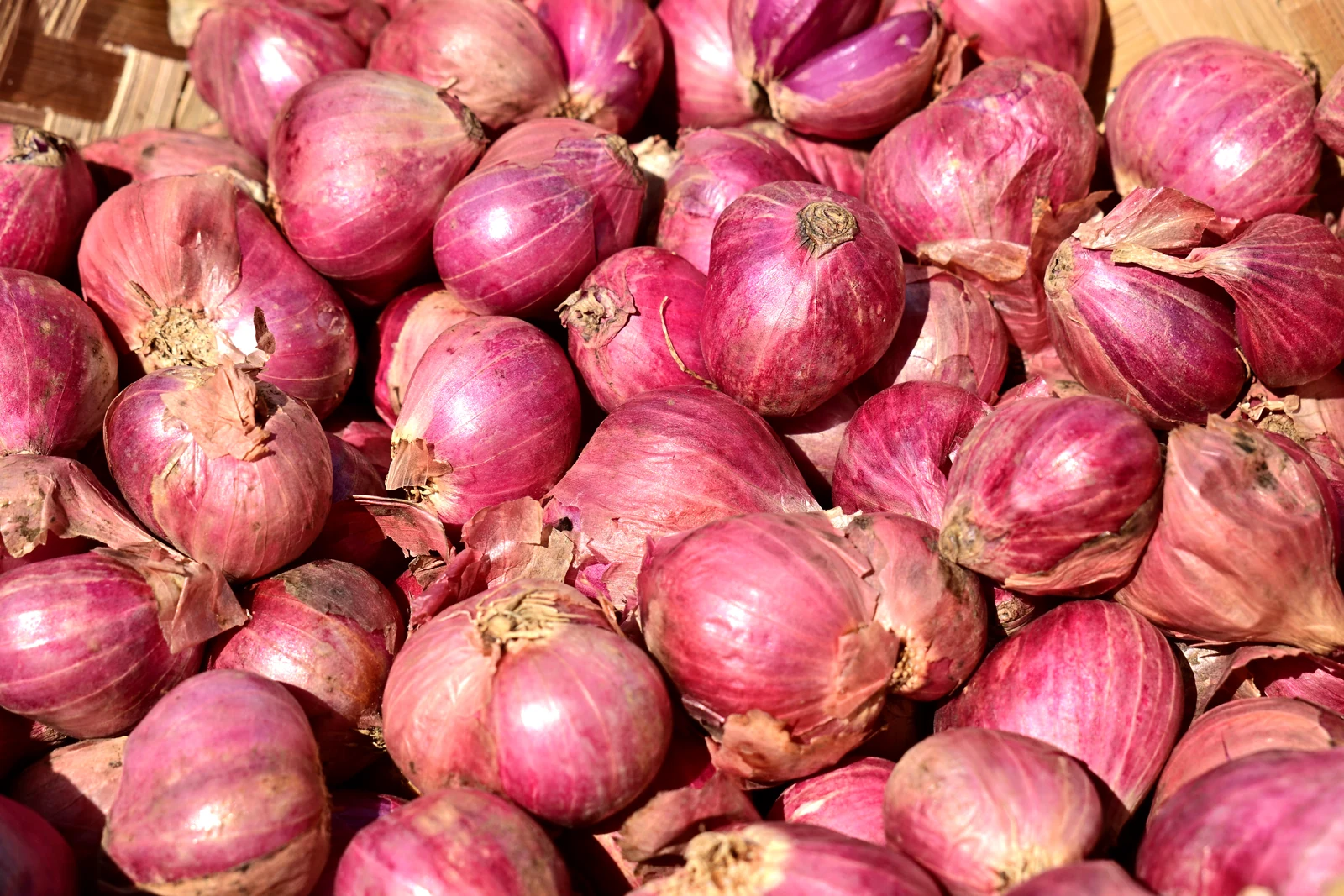
They’re a crop for the coming growing season. The bulbs in the photograph show the eventual harvest, rather than something you can plant this month and pull up for Christmas dinner.
If the ground is frozen or waterlogged, leave it alone and follow the supplier’s storage advice until conditions improve. A raised bed may drain better than the rest of the plot, but have a look before assuming it’s ready. If soil sticks to your boots in great lumps, this job can wait.
A bare-root tree is a slower sort of present
Dormant bare-root fruit trees can be planted through winter when the ground is neither frozen nor waterlogged. An apple tree could be a lovely long-term addition, but it needs a little thought before you get the spade out.
Check the rootstock and eventual size, the light available and whether the variety needs a pollination partner. A small garden needs a tree sold to suit that space. The word “patio” on a picture isn’t a substitute for reading the growing details.
If a tree arrives during bad weather, unwrap and inspect it, keep the roots moist and follow the nursery’s instructions for temporary storage. Don’t leave bare roots drying beside the back door while you wait for a free weekend.
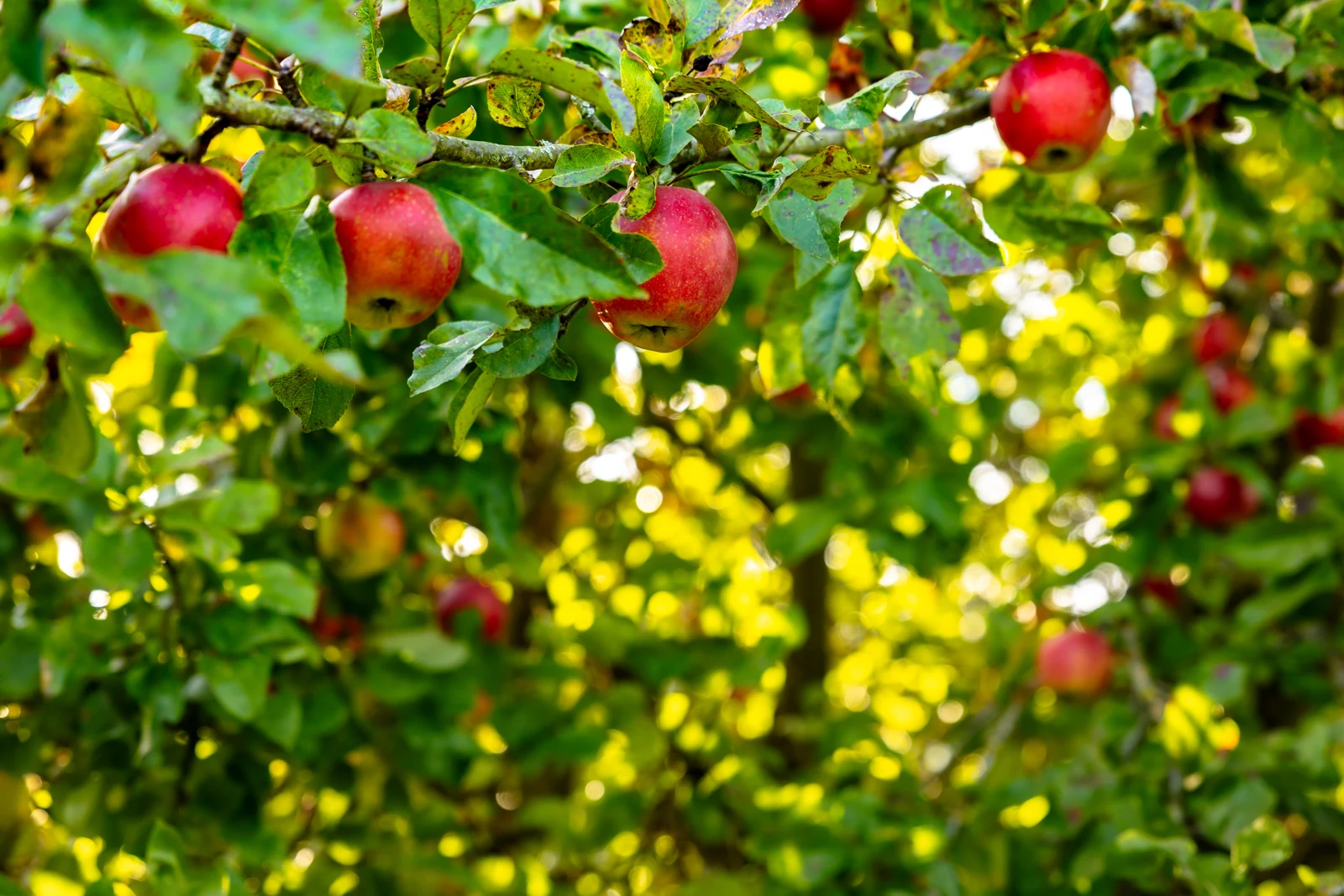
The photo shows the future reward. A newly planted tree will be bare, and a worthwhile harvest takes time. It still makes a pleasing thing to look forward to.
Give a new fruit tree a proper start
For an apple tree, choose its permanent position before planting. Check the nursery’s guidance for the rootstock, planting depth, stake and tie. Spread the roots into a hole wide enough for them without bending them into a knot, keeping the graft union above the soil as instructed.
Water after planting and check moisture during dry spells, even through winter. Keep competing growth away from the base and leave a gap around the trunk if you mulch. Recheck ties after windy weather so they support the tree without rubbing or cutting into it.
Buying the right-sized tree for the space is the decision that lasts longest. If the rootstock or pollination information is missing, ask the nursery before ordering.
Make room before opening another packet
A tray of seedlings needs somewhere to live after the first exciting little shoots appear. Before you sow anything else, clear a bright space and check how many pots you can fit there without crowding them.
Wash spare pots and trays, sort out the labels and put opened seed packets somewhere cool and dry. Check the sowing instructions on anything you’re planning to use next. You’ll enjoy the first proper sowing day much more if it doesn’t begin with a hunt for a clean pot.
If you already have seedlings under protection, check their compost and give them air on mild days. Keep foliage clear of decaying leaves and inspect the undersides of pots for slugs. Quiet growth through winter is fine; they don’t all need to look busier because you’ve got a free afternoon.
What can wait until the light improves?
Winter warmth can start growth, but seedlings still need enough light and space afterwards. Unless you have a suitable setup and a crop-specific reason for sowing now, save the main outdoor vegetable sowing for its recommended season. You won’t gain much from plants that spend weeks getting weaker on a dim sill.
The windowsill crop is enough for now. Clean the next tray while you wait, and check your stored seed before buying more. A packet with its label still attached is a small December triumph.
Choose a project you’ll want to come back to
Pick the job that fits your week: edible shoots to snip, suitable shallot sets on a mild day, or a properly planned fruit tree. Frozen or waterlogged ground means outdoor planting waits. Check actual conditions before carrying anything outside.
What’s growing at yours this December? A pot on the windowsill absolutely counts. Tell me in the comments.
For specialist winter flower sowing and planting, see our December flower and plant guide.

Example box shown. Seed selections change each month.
A growing project to look forward to each month
Fancy keeping a little growing going through the year? Gardeners Box delivers eight seasonally chosen seed varieties each month, with a printed growing booklet and wooden plant markers to help you get started. A lovely thing to open for yourself, or a gardener you know.
Explore Gardeners Box subscriptions