
By Anna, founder of Gardeners Box
November gardening has a clothing problem. By the time you’ve found the other glove and put enough layers on, the light’s going.
So I’d keep this month’s flower-growing plans small: a few seeds under cover, bulbs in a pot by the door, perhaps some established plants for colour while you wait. You can finish a useful job without turning Saturday into an endurance event.
If you’re looking for flower and plant seeds to sow in November in the UK, start with your growing space. Seed sowing, bulb planting and buying flowering plants are different jobs. Here’s what each can realistically give you.
What can you sow, and what should you plant?
Sweet peas are the seed-sowing option here, provided you can look after seedlings through winter in a cool, bright, protected space. Tulips go in as bulbs for spring flowers. Established winter-flowering violas give you colour sooner, during mild spells. All three are pictured below so you can see what you’re working towards.
An unheated greenhouse or cold frame is not frost-free. Check the overnight forecast, your shelter and the plants’ needs. Outdoors, frozen or waterlogged soil means planting can wait. Your postcode gives you a rough season; the soil gets the final say.
Sweet peas for the scent of summer
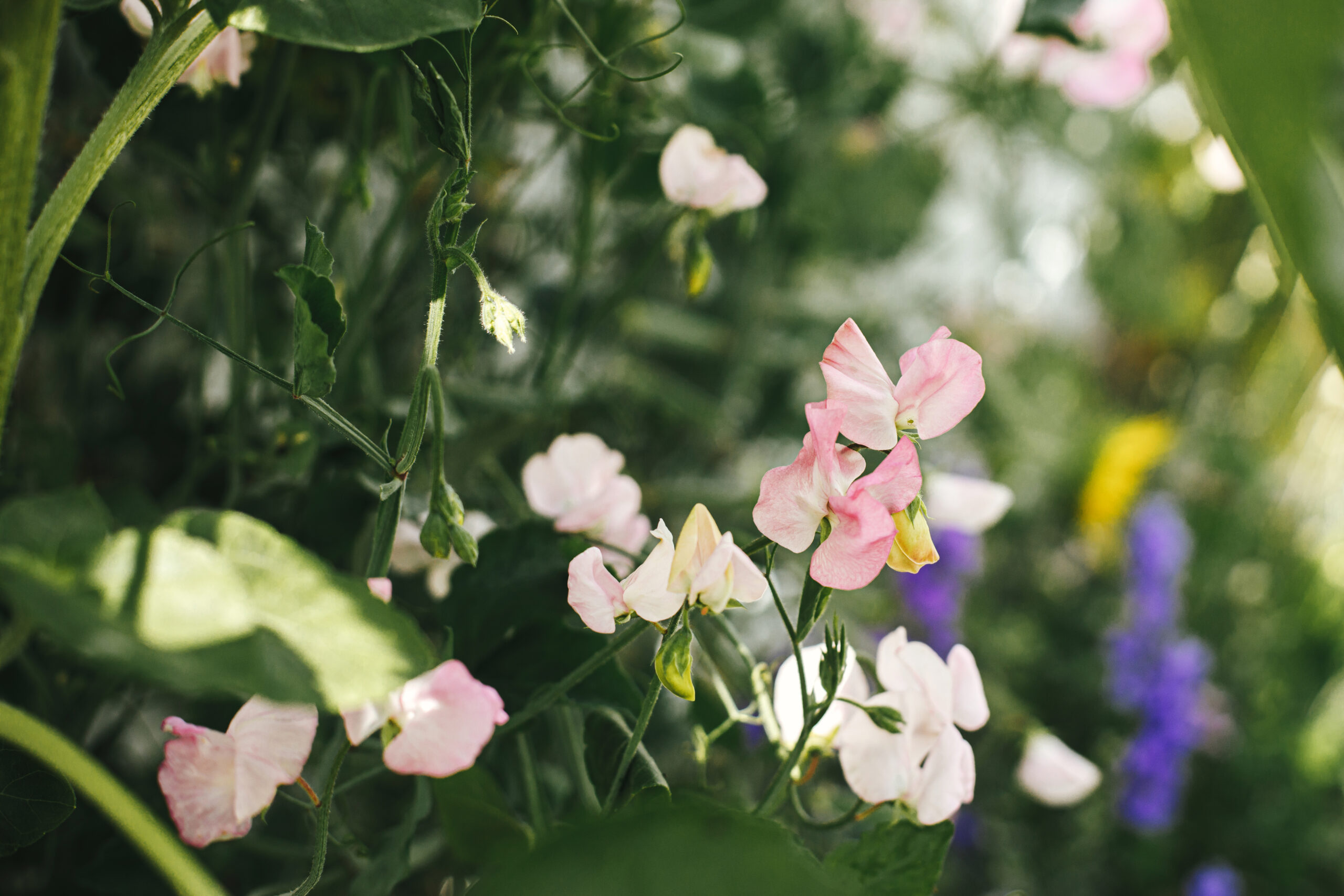
Sweet peas make a persuasive case for doing a little work now. You’re sowing the possibility of scented flowers to cut for the kitchen next summer.
An autumn sowing suits gardeners who can give the seedlings a cool, bright place through winter, usually a cold frame or unheated greenhouse. Sow into deep pots, cover the seeds with about 1cm of compost and keep them moist while they germinate. Once they’re up, move them into that cool, bright space so they grow steadily rather than stretching towards a kitchen window.
No protection, or a very exposed northern garden? A late-winter or spring sowing is a sensible choice. You can keep this month’s task list short and still have flowers to look forward to.
Sweet peas are ornamental plants. The seeds and pods aren’t edible.
Once the seedlings emerge, remove any germination cover and give them good light. Check moisture before watering and ventilate the growing space in suitable mild weather. A warm, dim kitchen can produce long, weak growth, which is a lot to ask a young plant to recover from.
Start a small batch that fits your winter space. Leave room between pots for air and for your hand to reach the compost. Keep labels with the plants, including the sowing date, and inspect for slugs and damage rather than assuming everything under cover is safe.
For the full autumn-versus-spring comparison, pot choice and growing-on advice, read our sweet peas from seed guide.
Plant tulip bulbs for spring colour
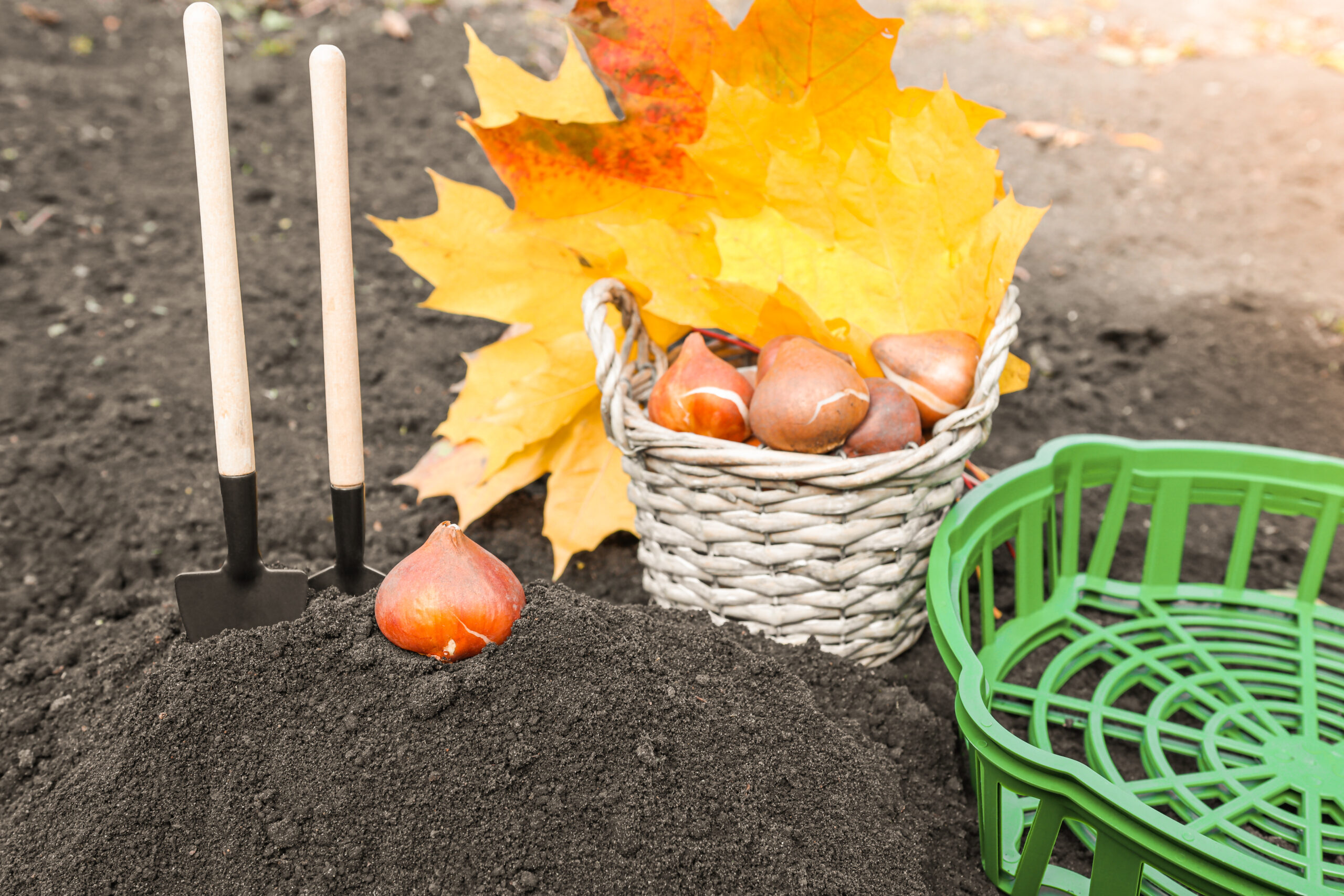
November is a useful time to plant tulip bulbs. Check each one feels firm and discard anything soft or rotting. These are bulbs, rather than seeds, and the display comes in spring.
Choose a sunny position with soil or compost that drains freely. Plant at roughly two to three times the bulb’s height, or follow the depth on the packet. In a pot, leave enough compost below the bulbs for roots and make sure water can escape through the base.
A container near the door means you’ll actually see the flowers, even on days when you only go outside to put the bins out. Put the pot on feet if needed and empty any saucer that catches winter rain. A decorative pot without drainage needs an inner pot you can lift out and drain properly.
If the border is waterlogged or frozen, use a suitable container or wait for workable conditions. Don’t force a planting hole into soil you can barely get a spade through.
A little colour by the door

For colour this winter, buy established winter-flowering violas. November seed won’t turn into a flowering doorstep display by next week. Plant the young plants into free-draining compost and pinch off faded flowers when you pass. They’ll pause in hard weather and pick up again when conditions improve.
Put the pot where you’ll see it from the house. Those little faces are much more cheering by the back door than hidden at the end of a border you won’t visit until spring.
Check the compost after planting, then water according to how it feels. Winter rain may do most of the work outside, but a pot under the porch can stay surprisingly dry. Remove decaying leaves from around the plants and check drainage after heavy rain.
Give the seedlings you already have a decent winter
Before opening another packet, look at what is already growing. Clear fallen leaves from around small plants, check for pests and give protected seedlings air on mild days. Close the cold frame or greenhouse again before temperatures fall.
Moist compost is useful. A tray standing in water is not. Lift a pot or feel the surface before reaching for the watering can, especially after several grey days when growth has slowed.
If you have no suitable winter space, make this a planting-and-planning month. Note the seed packets you want to use in late winter or spring and check their sowing windows. Keeping a few existing plants healthy is plenty to be getting on with.
Pick one November project
A small batch of sweet peas, one pot of tulip bulbs or a doorstep planter is a perfectly respectable weekend. What have you got room for this month? Tell me in the comments.
For edible growing, including the windowsill project, see Vegetable & Fruit Seeds to Sow in November.

Example box shown. Seed selections change each month.
Let’s get next month growing
If choosing what to sow takes longer than sowing it, let Gardeners Box help. Each month you’ll receive eight seasonally chosen seed varieties for UK gardeners, a printed growing booklet and wooden plant markers. Pick a project, follow the steps and see what comes up.
Choose your Gardeners Box