
By Anna, founder of Gardeners Box
There’s something pleasing about growing a little food while the garden is looking decidedly off duty. A peppery tray on the windowsill, a few cloves in a pot, a row getting ready for next year. Nothing enormous required.
This November vegetable and fruit planting guide is for UK gardeners working with short days, chilly nights and soil that may be far too wet to touch. There are seeds you can sow, planting jobs you can do and existing herbs worth looking after. They don’t all need doing this weekend.
Match the crop to your growing space
A bright indoor windowsill suits a small tray of radish microgreens. A mild, sheltered plot with free-draining soil may suit autumn-sowing broad beans. Garlic goes in as cloves, rather than seeds, while the ground is workable. Rosemary, thyme, sage and basil below are about caring for plants you already have.
For fruit, don’t expect a useful seed-to-harvest project to start outdoors this month. If you’re considering dormant bare-root planting, check the plant’s site and pollination needs first. Our December vegetable and fruit guide takes that project step by step.
Radish microgreens for something you can snip
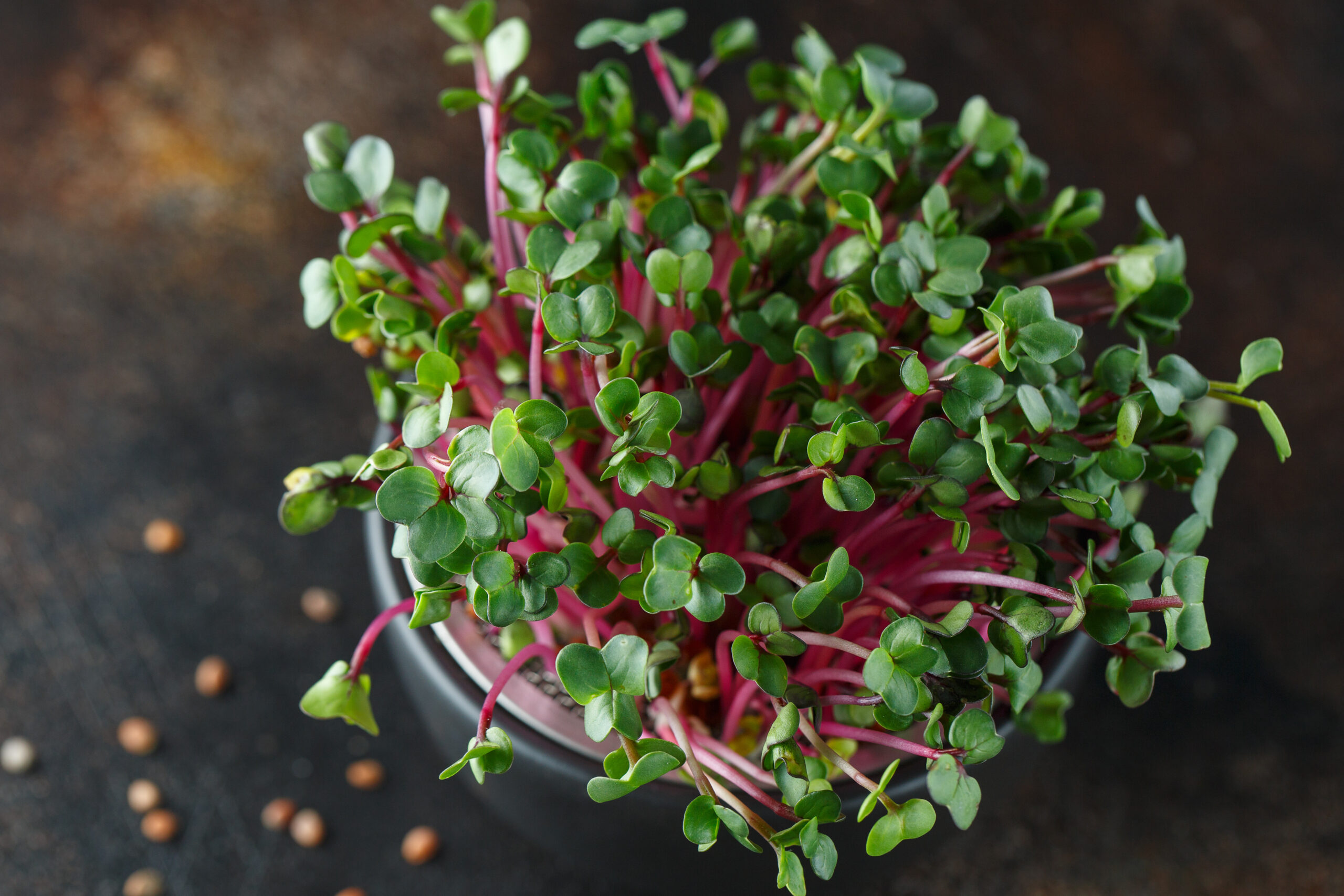
This is where I’d start if you want to see something happen. Radish microgreens have colourful stems and a peppery kick, lovely scattered over a sandwich just before you eat it. You’re growing them for their young leaves, so there’s no need to wait for a root crop.
Use seed sold for edible microgreens or sprouting. Ordinary garden seed may have been treated, so check the packet rather than raiding any old envelope in the shed.
- Wash a shallow tray with drainage holes and fill it with a little fresh seed compost. Sit it on a saucer and dampen the compost.
- Scatter the seeds evenly, close together but without piling them on top of one another. Follow the packet for covering and germination instructions.
- Keep them on a bright windowsill, generally around 18–22°C. A radiator blasting hot air underneath is less helpful than it sounds.
- Check the moisture daily. The surface should feel damp, without standing water in the tray. Once up, the seedlings need as much daylight as you can give them.
- Snip above the compost with clean scissors when the young leaves are ready, following the packet’s harvest guidance. Wash before eating.
Growth slows on a gloomy winter windowsill, so treat harvest dates as a guide. Sow a modest tray first. You can start another once you know how quickly that particular spot grows things.
These are leafy microgreens grown in light and cut above the compost. They’re a different project from growing whole sprouts in a jar.
Broad beans for next year’s first proper picking
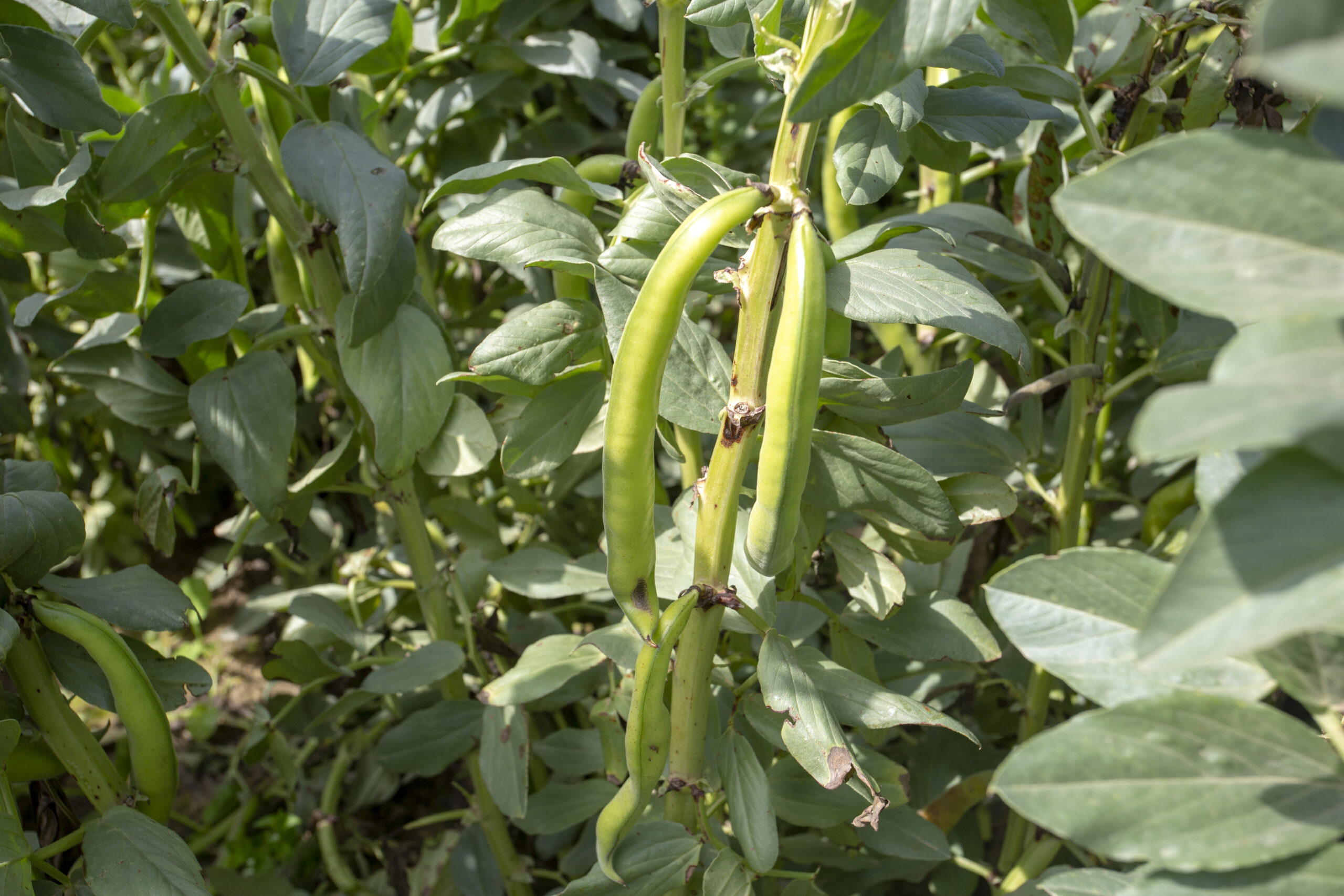
Broad beans are a satisfying bit of forward planning: large seeds, sturdy plants and pods to pick when the growing season gets going again. In a mild, sheltered garden with free-draining soil, November can work for an autumn-sowing type. Check that wording on the packet.
As a starting guide, sow about 5cm deep and 20cm apart, adjusting to your packet’s instructions. Label the row before you forget precisely where it is. Mice may investigate the seeds, so check for disturbance and protect sowings with a securely fitted barrier if needed.
If your plot spends winter wet, cold and windy, I’d wait until late winter or spring. You can also start a small batch in deep pots under cool, bright protection and plant them out when conditions allow. A row of rotten seeds is a very boring reward for being organised.
Plant garlic cloves while the soil is workable
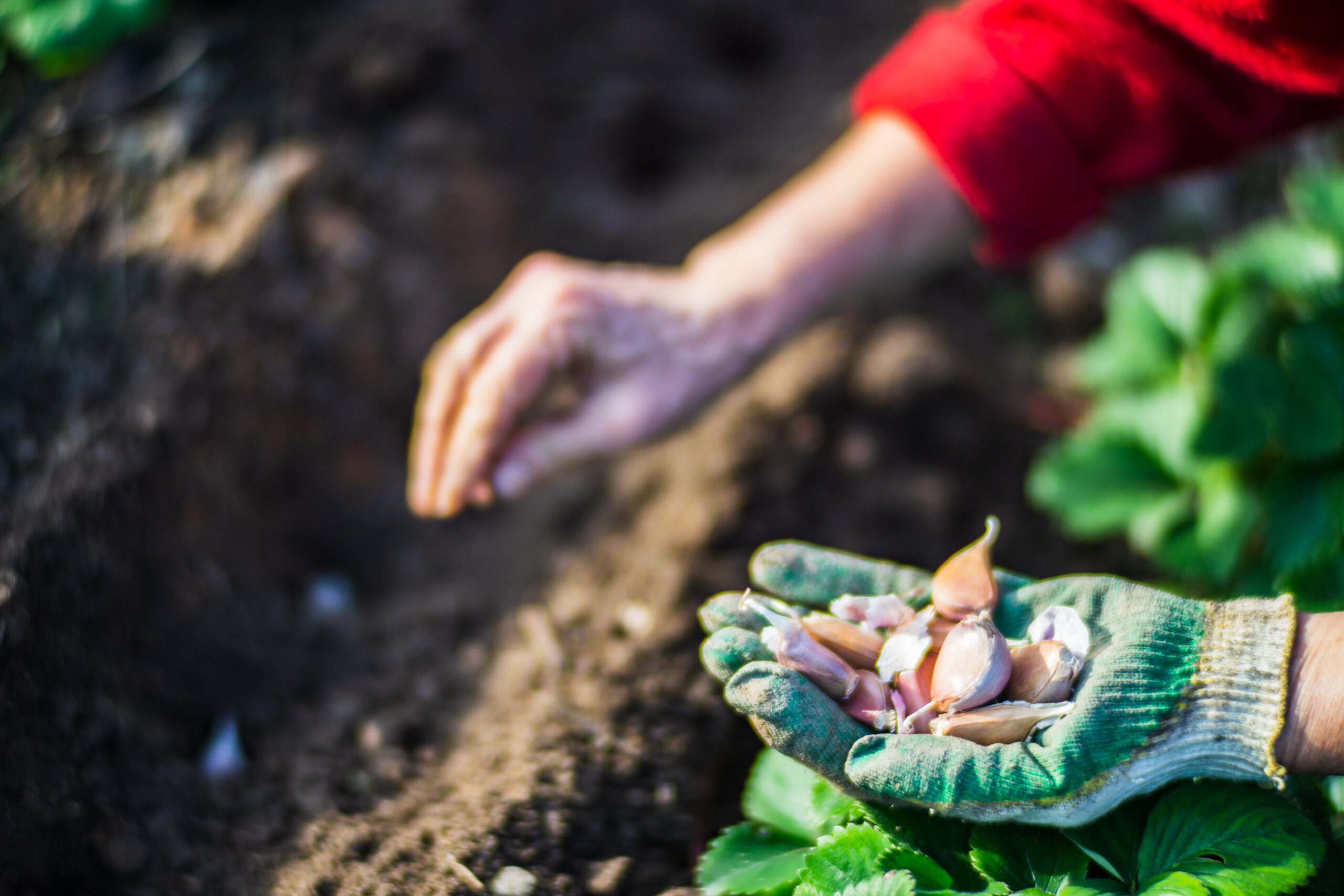
Garlic starts from individual cloves, rather than a packet of seed. Choose healthy planting stock sold for growing, split the bulb just before planting and keep the papery skins on the cloves. Plant pointed end up in a sunny spot with soil that drains well, roughly 10–15cm apart, following the supplier’s depth guidance.
If your ground is waterlogged, start cloves in modules under cool protection instead. For a container crop, choose a pot at least 25cm deep with drainage holes and keep it outside in good light. Empty any saucer that collects rainwater.
Label the planting and check it after heavy rain. Growth may be slow over winter; keep the compost from sitting sodden rather than trying to hurry the plants along with extra feed. The crop is for the coming growing season, so there’s time.
Give existing herbs a better winter
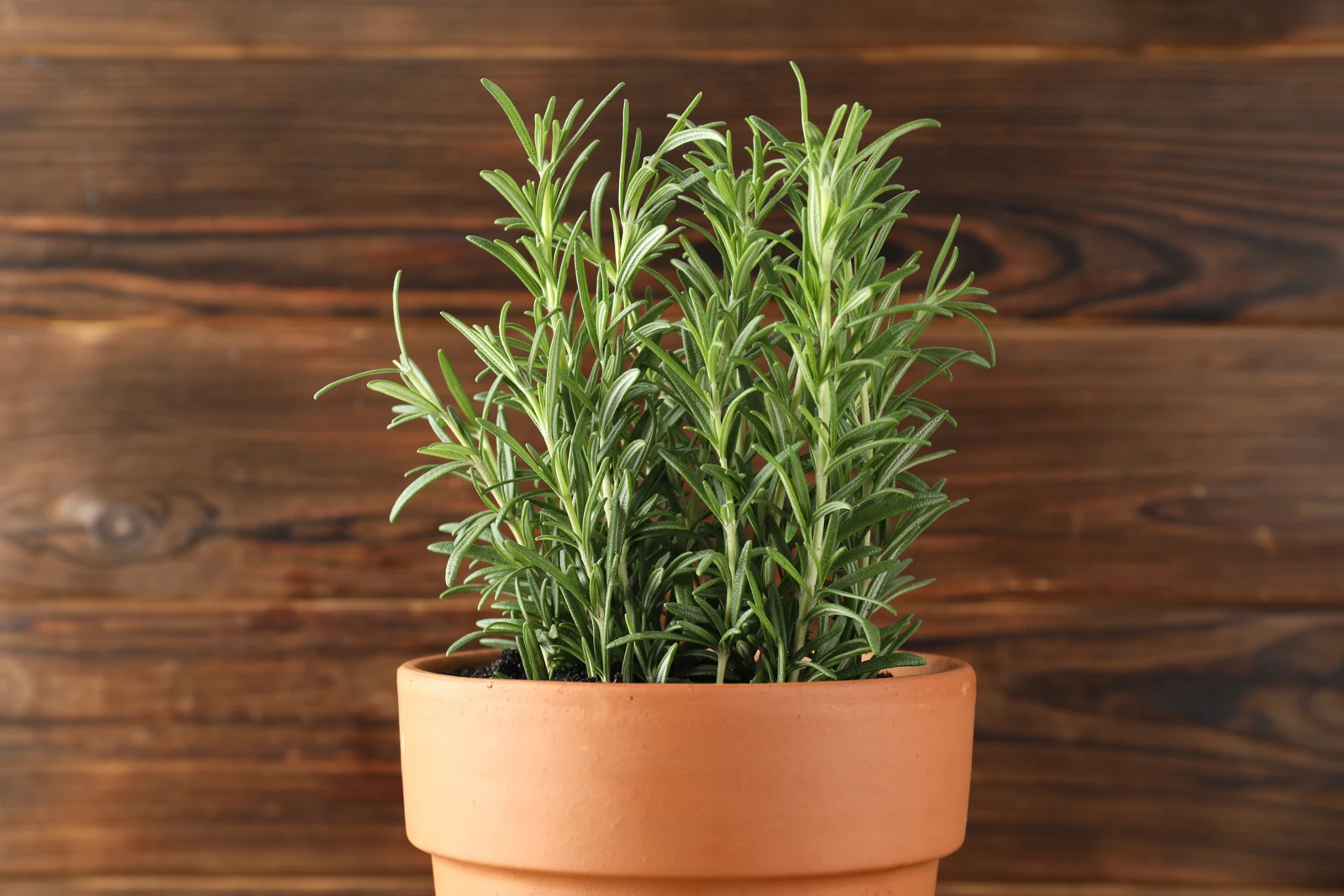
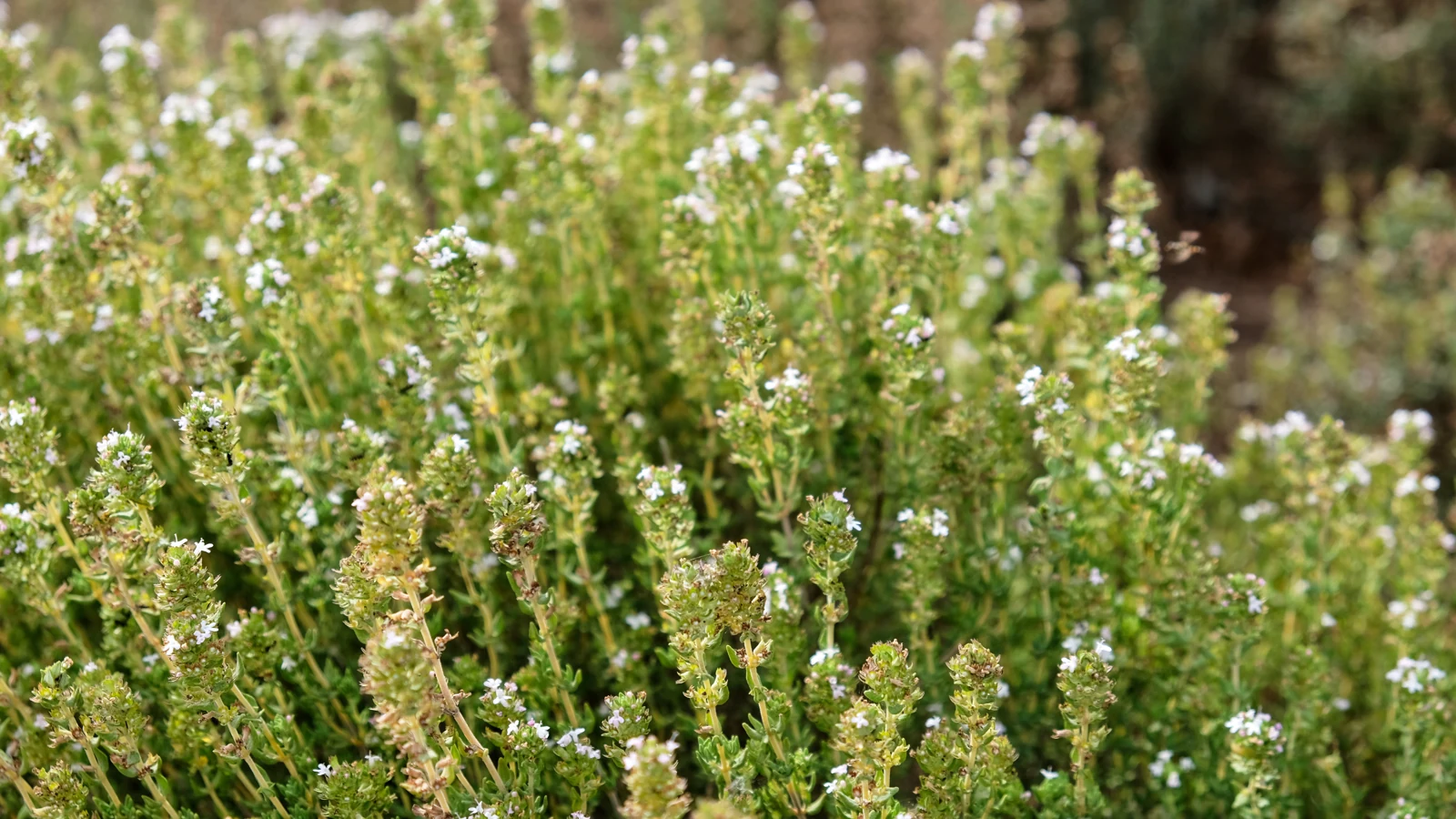
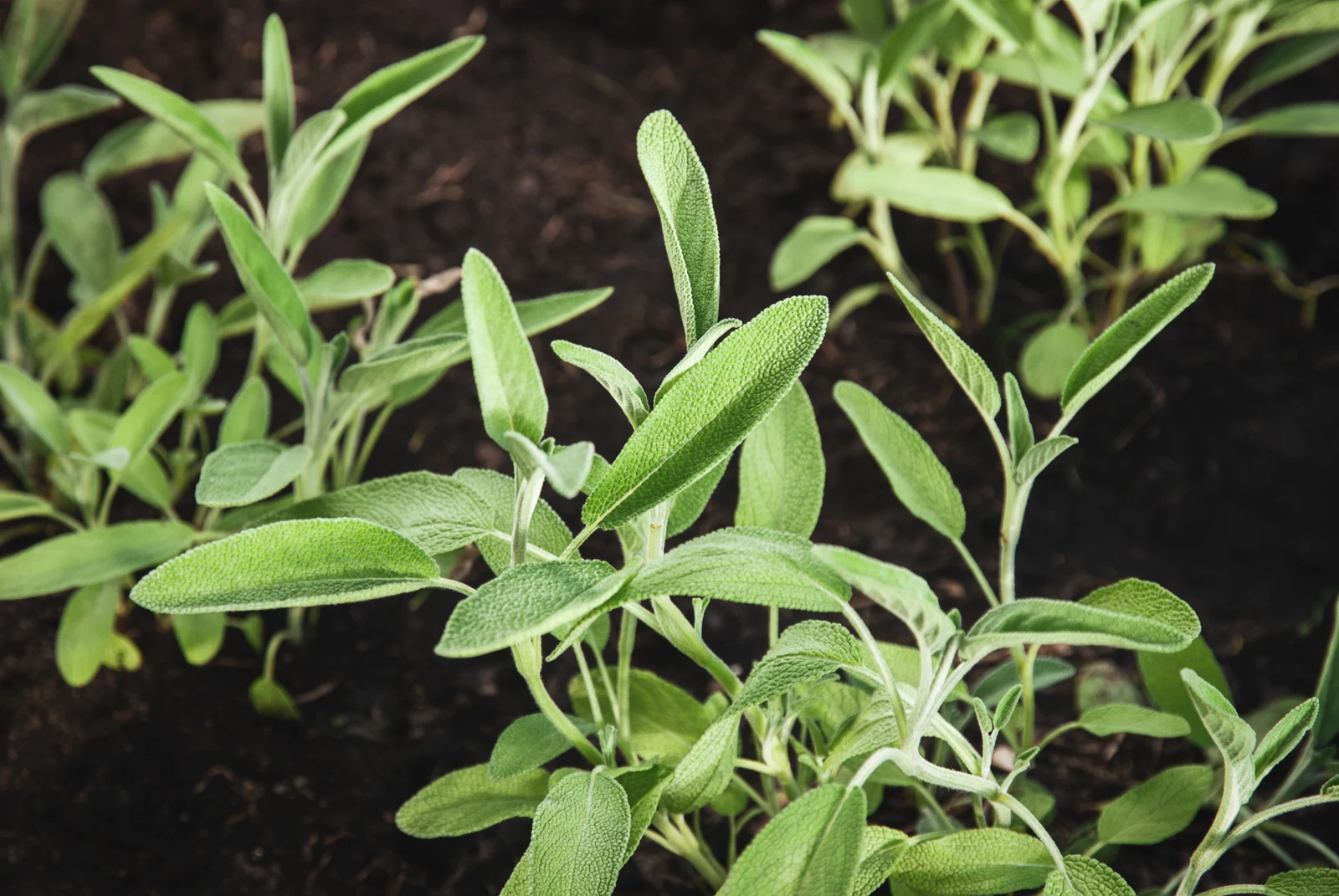
With rosemary, thyme and sage already growing, I’d spend November sorting drainage rather than starting a fresh seed tray. Lift pots onto feet, clear leaves away from drainage holes and move them into good light with some shelter from persistent rain.
Pick a few leaves or small sprigs as needed, leaving plenty on the plant. Growth is slowing, so this isn’t the moment for a dramatic haircut.
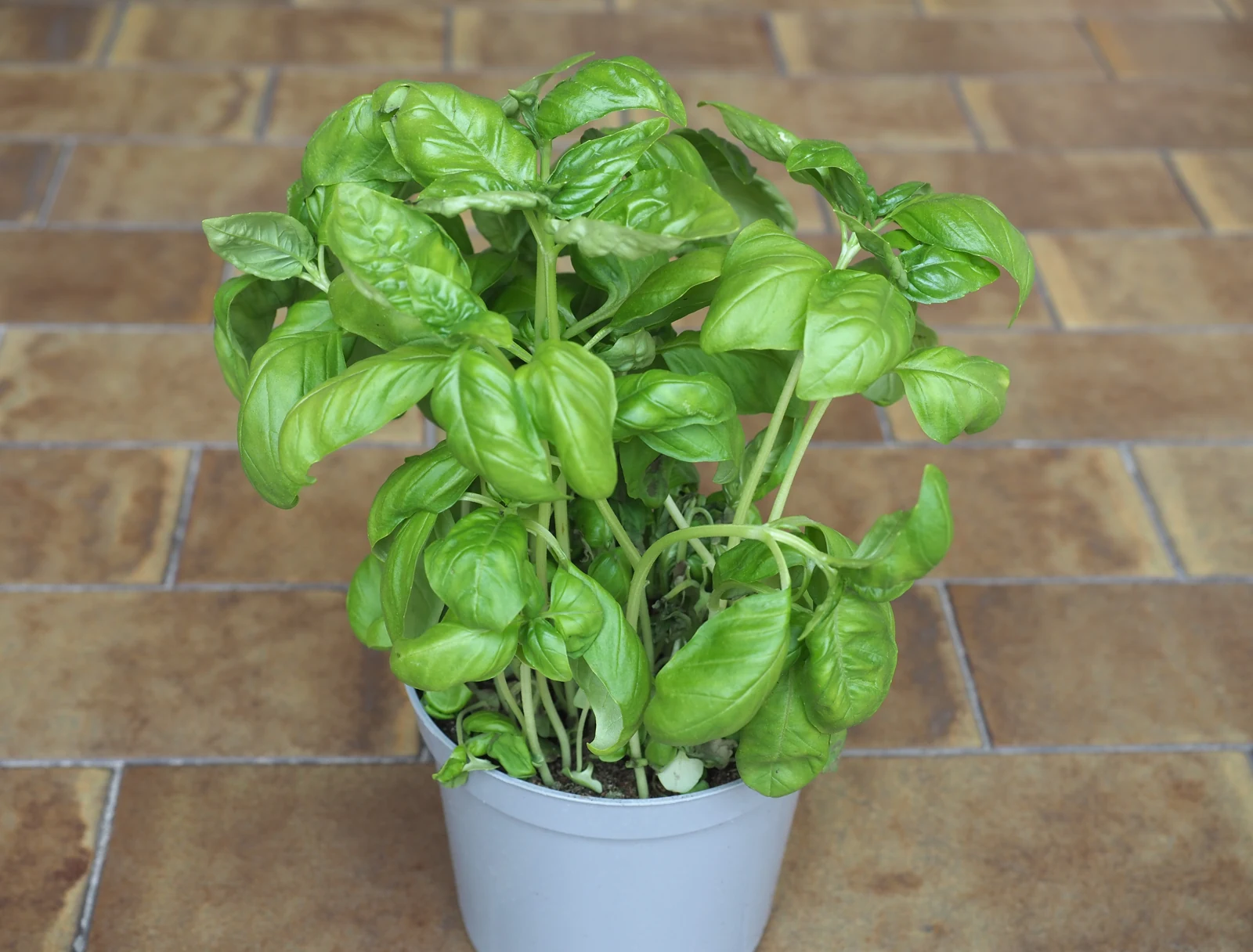
Basil needs a warmer arrangement. If you’re trying to keep a plant going indoors, give it a warm, bright position away from cold glass and draughts. Water according to the compost, rather than automatically every morning. Winter light makes it harder to keep a generous leafy plant going, so don’t feel obliged to nurse a struggling pot until March.
If the ground is sodden, leave it alone
Walking and working on very wet soil can make a mess of its structure. If it sticks to your boots in great clumps, choose an indoor job or clean a few pots ready for a better day. A calendar cannot drain a bed for you.
Check stored seed is somewhere cool and dry, keep the labels with the packets and decide how much space you can give each crop. A small sowing you can care for is more useful than a crowded tray you spend winter trying to rescue.
What’s your November food-growing project: a windowsill tray, a pot or a patch? Tell me in the comments. If you’re after flowers and bulbs too, read our November flower and plant sowing guide.

Example box shown. Seed selections change each month.
Let’s get next month growing
If choosing what to sow takes longer than sowing it, let Gardeners Box help. Each month you’ll receive eight seasonally chosen seed varieties for UK gardeners, a printed growing booklet and wooden plant markers. Pick a project, follow the steps and see what comes up.
Choose your Gardeners Box