
Flowers & Plants Planting Calendar
Flower & plant seeds to sow in August – Sowing Guide

Aug
August is a delightful time for gardening enthusiasts in the UK, as it offers a perfect balance between warm weather and occasional rainfall. This makes it an ideal month to sow various flower and plant seeds that will bring color and life to your garden. Whether you have a spacious backyard or a small balcony, this guide will help you choose the right seeds to sow in August and create a vibrant and blooming space.
Planting in August also helps you think ahead and get ready for vibrant autumn blooms. You can even start thinking of what can be sown now and enjoyed on your plate in the colder months as a couple of these flowers and plants can be used in different dishes. August is also a fine month for sowing directly into any gaps in beds or borders. Let’s get started.
Great things for your garden
Try these seeds out in your garden.
Calendulas

These flowers have long been used for medicinal, cosmetic and culinary purposes, but they are also a popular choice in British gardens because they are hardy and so colourful.Calendulas are easy to grow and require little maintenance. In fact, too much care can impair the healthy growth of the plant. Place the seeds in poor or average soil and water occasionally. The roots will adapt to the space that is available. For the best growing conditions, place the seeds in a lightly shaded spot.This flower will draw aphids away from other plants in your garden, which makes it an original and effective way of controlling this pest outside your home. Deadhead regularly to significantly extend its blooming period.
Cornflowers
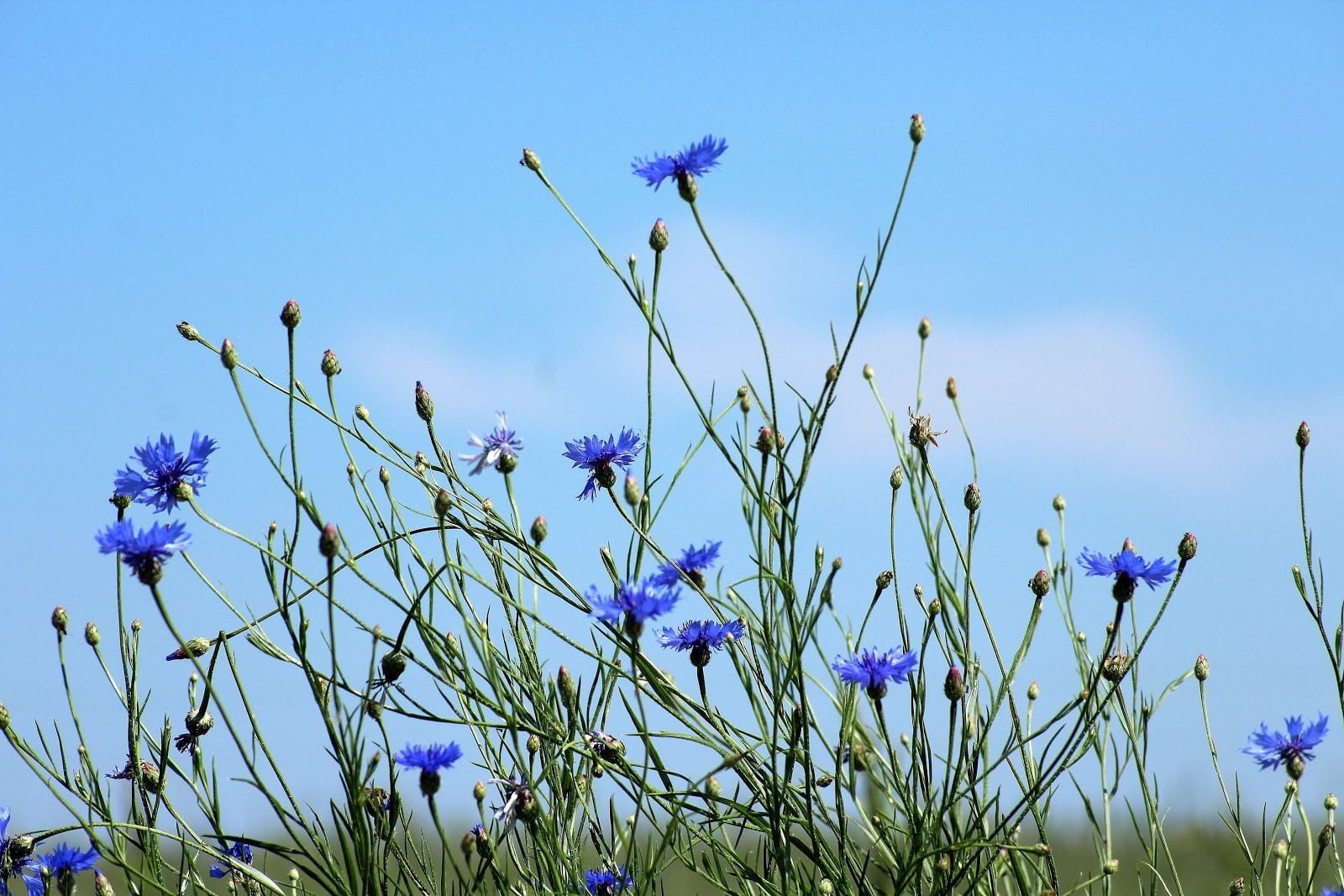
Sowing these seeds in August means they will flower early next year. These annuals also have a romantic folkloric meaning. In the past, young men in love used to wear the flower, and if the colour faded quickly, it meant their love was not returned. It also has a wide range of other meanings, and it was the subject of one Vincent van Gogh painting.These blue flowers love to grow in well-drained soil under the sun. After removing weeds and debris from the soil, sow the seeds 12 mm deep, in rows spaced 30 cm apart. If the plants get crowded, simply space the plants out at intervals that allow for unimpeded growth.
Forget-me-nots
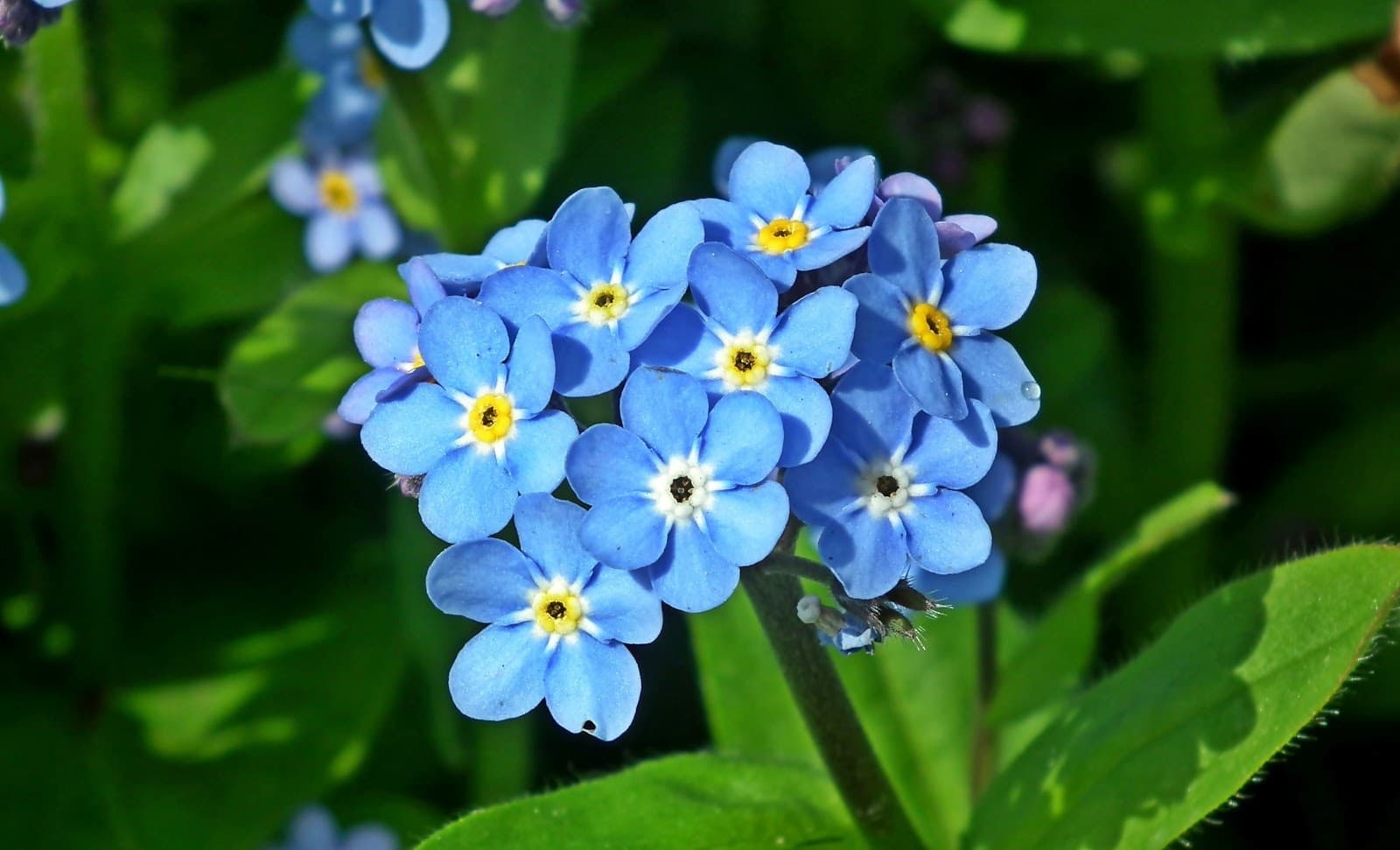
September is the last month for growing this flower, so planting in August means you are in plenty of time to plant this biennial self-seeder. Owing to its name, it is symbolically used to commemorate the fallen in different wars.In moist, well-drained soil, forget-me-nots grow well, especially if the seeds are placed in a sunny or shady spot and are mixed with compost. They pair well with other plants that like the shade, and they are easy to maintain, though they need to be watered well.These flowers are known to be delicate, so be careful when weeding.
California Poppies

This hardy flower is the state flower of California, and it comes in yellow, red, pink, and white. It also has some culinary uses.You will need a bamboo cane for this, so press it into moist soil to make a drill. This should be done in a sunny site, and rows can be 15 cm apart. Scatter seeds lightly across the drill before covering with 0.5 cm of soil. Water well until the seeds are established.Aphids can attack the plant but spraying the infected plant with water will solve the problem. Natural predators like ladybugs can also help.
Viola

Viola can be annual, perennial or even a shrub. In culture, the flower is used to commemorate World War I soldiers, while in the UK it is a traditional birth flower. In North America, it is the symbolic flower of a number of states. It comes in a wide range of species, from ‘Johnny-Jump-Up’ to ‘Horned Violets’ and ‘Garden Pansy’.Plant viola seeds in a sunny spot in light soil, and they can be spaced around 10 cm apart. Violas are adverse to extreme heat, so if August temperatures are soaring, erect some shade. The soil can be enriched by mulch, organic material or slow-release fertilizer, while violas should be watered copiously, but remember to allow the soil to dry between watering. Pinch off leggy parts or withered flowers in order to extend the blooming period.Aphids can be washed off with a hose. In the case of mildew and leaf rot, good ventilation will keep this annoying problem under control.
Pansies

Beloved of insects and Shakespeare, these colourful flowers will enhance any garden. In the August heat, ‘Imperial’ pansies should grow best, though other varieties will also tolerate summer temperatures.Try to sow these seeds in rich, well-drained soil that is high in organic material, under the sun or partial shade. You can start indoors, even in the summer months, or directly outdoors. The seeds can take a while to germinate; it is best to cover them well with the soil and to cover the pot with black plastic – they need darkness to grow. Once in the garden, water frequently and space the pansies around 7 inches apart.Use slug traps to discourage slugs from attacking the flower, while proper ventilation will stave off mildew.
Coleus

Coleus is so colourful, and it makes a wonderful ornamental plant. Its colour varies depending on the species. You can try ‘Saturn’, ‘Olympic Torch’, ‘Chocolate Mint’, and ‘Trusty Rusty’. It is also a low maintenance annual, so it is perfect for beginners.This plant thrives in a border, so choose a sheltered spot with moist, well-drained soil. You can also add compost and slow-release fertilizer. As the weather gets colder, you can take the leaves and place them in water to root.Keep an eye out for aphids, bugs, and whiteflies. Stem and root rot can occur if the soil is too wet.
Catmint
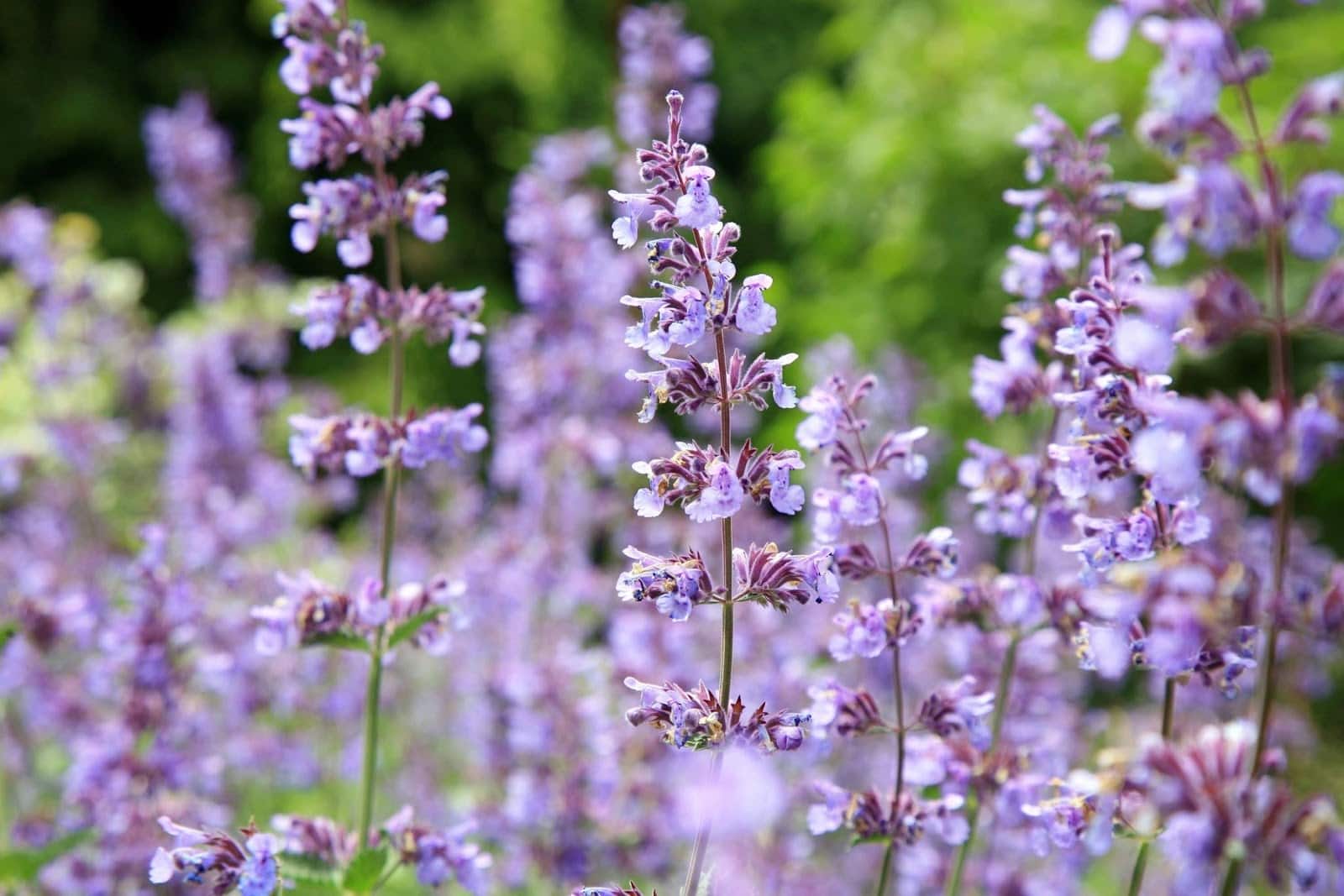
This reliable perennial is often confused with catnip, but it has a separate genus. It pairs well with other colourful plants and flowers. In addition, it tolerates heat, drought, and poor soil quite well. Try ‘Siberian’, ‘Japanese’, and ‘Yellow’ varieties of catmint.Feel free to use compost and manure/fertilizer and remember to space the seeds 12-24 inches apart. It will take around a month for this plant to become established, so water well. Once established, water once a week. If the soil becomes too wet, root rot will occur. It grows quite quickly, so you can cut it back after the first bloom.
Wild Carrot
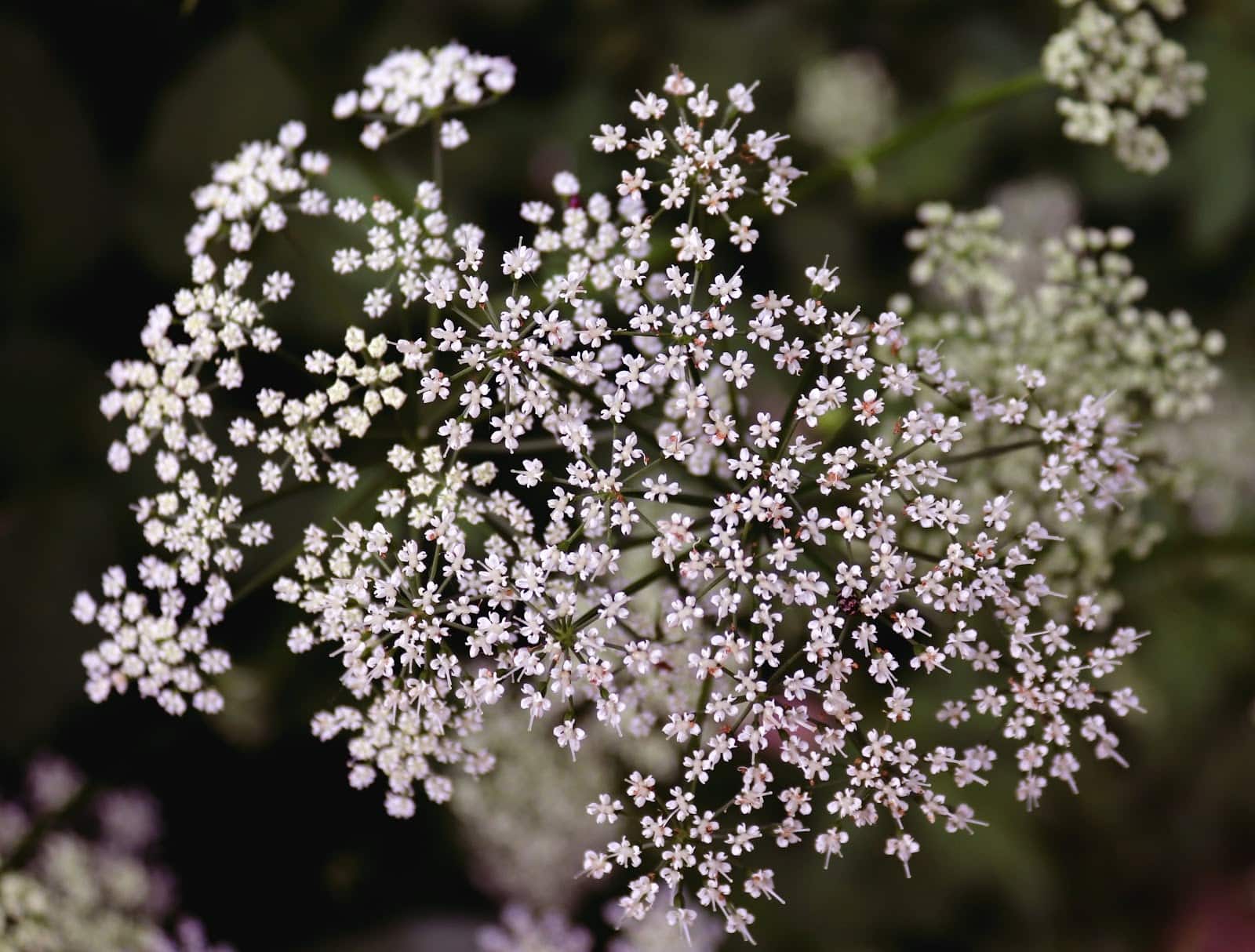
Wild carrot is a biennial that is colloquially known as Queen Anne’s lace because it has gorgeously light, frothy petals and a single red flower. According to legend, Queen Anne pricked her finger and her blood forever stained the central flower. The root is only palatable if eaten very young, while the petals are also edible. August is one of the best times of the year to see it flowering.Wild carrot seeds can be sown thinly and covered lightly with soil. It can grow in a limey, well-drained and even infertile soil. In your garden, it can be a good idea to grow them around edges and borders as the disturbed soil will maximize their growth potential. It can grow 1 m high and wide.Try growing ‘Dara’ or ‘Black Knight’ in your garden.
Penstemon
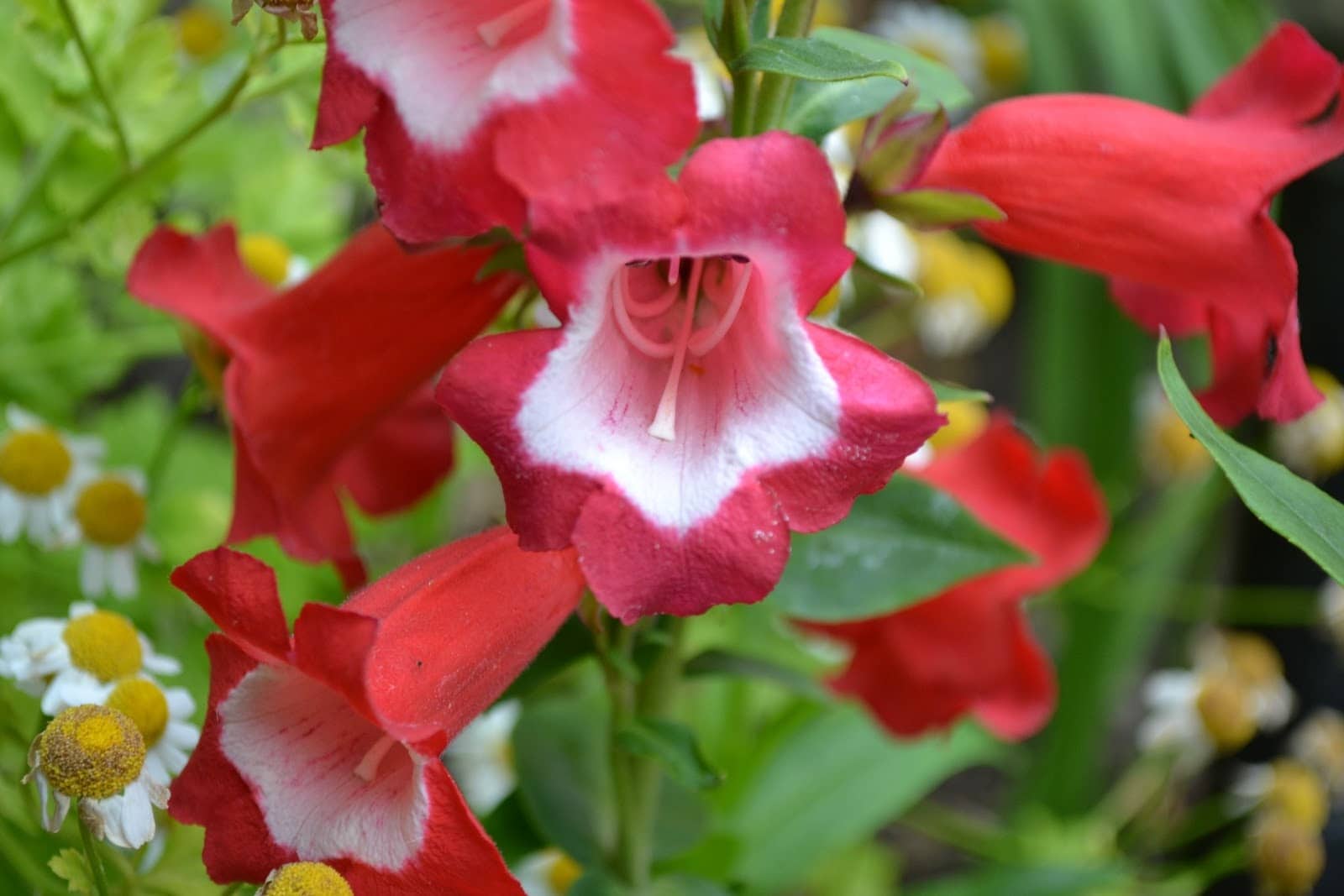
Penstemons are an easy perennial to grow, and they give a gorgeous purple colour to your garden, particularly in border areas. They also attract bees, which is great for promoting biodiversity around your house.Enrich the soil with organic material and a balanced, general fertilizer. Alpine and shrubby variants of the plant can grow perfectly well in infertile soil, so adding the above will not be necessary. In general, allow a space of 45 cm between the growing plants, and be sure to place them in an area of partial shade. Watering will depend on the soil quality, so consistent watering will only be necessary for light, well-drained soil.Deadheading is a great idea if you want to prolong the blooming period of this particular flower. Pruning throughout the year will also ensure that the flower will not become too woody or leggy.
Do you want to take your garden to the next level?
Planning a garden all year round and sourcing seeds from all over the world is hard work, especially if you want to keep your garden interesting year after year.
That’s why we created Gardeners Box, each month receive the hand-curated seeds we recommend sowing right now to brighten your garden, along with detailed instructions, and plant markers all starting from just £9.99. Click here to find out more.

