
Inspiration
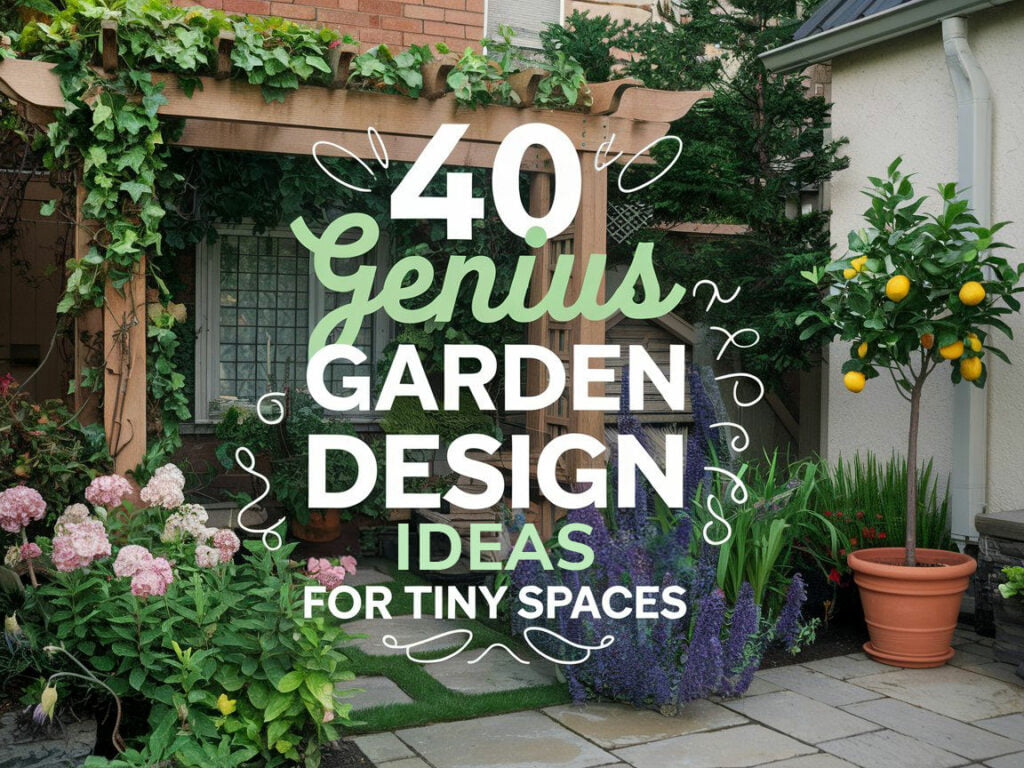
40 Small Garden Design Ideas: Genius Tips for Tiny Spaces
Sep
Key Highlights
- Don’t let small space stop you from gardening! Check out smart ideas for small garden design to make your tiny area a lively place.
- You can use living walls and hanging planters to make the most of vertical space. Clever zoning techniques can also help you make your garden look bigger.
- Find out how to pick the right plants, colors, and materials that will add style and a sense of space to your small garden.
- Look into creative storage and multifunctional furniture to use your outdoor space better.
- Get ready to enjoy your ideal garden, no matter how small it is!
Introduction
Having a small garden doesn’t mean you need to give up style or usefulness. With some planning and these garden ideas, you can change your tiny garden into a lovely and useful area. Whether you want a peaceful escape, a bright show of flowers, or a space for growing vegetables, we have 35 great small garden design ideas to help you make the most of your outdoor space.
- 1. Work with your garden’s shape
- 2. Plant Something New Every Month
- 3. Incorporate Mirrored Surfaces to Create Illusion of Space
- 4. Install a green wall
- 5. Utilize Vertical Vegetable Planting to Save Ground Space
- 6. Select Colourful Perennials for Year-Round Colour
- 7. Implement a Water Feature to Attract Wildlife
- 8. Create Zones with Different Themes or Functions
- 9. Use long-season planting
- 10. Use Containers for Versatile Planting Options
- 11. Opt for Dwarf Varieties of Trees and Shrubs
- 12. Create height in narrow borders
- 13. Install a Green Wall for Fresh Herbs or Flowers
- 14. Add a Small Greenhouse or Cold Frame
- 15. Integrate Outdoor Lighting for Evening Enjoyment
- 16. Design with Diagonal Lines for a Larger Feel
- 17. Grow a multi-season tree
- 18. Establish a Focal Point with a Statement Piece
- 19. Choose Plants with Varied Textures and Forms
- 20. Save on shed space
- 21. Implement a Pebble Path for Natural Movement
- 22. Grow scented plants
- 23. Sow salad successionally
- 24. Plant up a hanging planter
- 25. Divide your space
- 26. Make borders bigger
- 27. Get the landscaping-planting ratio right
- 28. Sow a square metre veg bed
- 29. Add structural planting
- 30. Choose compact veg varieties
- 31. Limit your planting palette
- 32. Spruce up the front gate
- 33. Ditch the lawn
- 34. Use rectangular paving stones
- 35. Combine seating and storage space
- 36. Use repetition
- 37. Get creative with shelves and hooks
- 38. Add corner seating
- 39. Make the most of pots
- 40. Add a pergola
- 41. Use light-coloured landscaping
- How Can I Make My Small Garden Look Bigger?
- Which Plants Are Best for a Small Garden in the UK?
- What Are the Benefits of Having a Water Feature in My Garden?
- Can I Grow Vegetables in a Small Garden Space?
Genius Small Garden Design Ideas for Maximizing Your Tiny Space
Designing a small garden can be both tricky and rewarding. The main thing is to use the space you have well. You need to think about each part carefully so you can make the most of it. With smart design choices, you can make your garden look bigger while keeping it beautiful and useful.
In this article, we will look at many small garden design ideas. These ideas fit various styles and likes. If you want to know how to get more planting space, add privacy, or create interesting focal points, these tips will help you build the garden you dream of, no matter how small it is.
1. Work with your garden’s shape
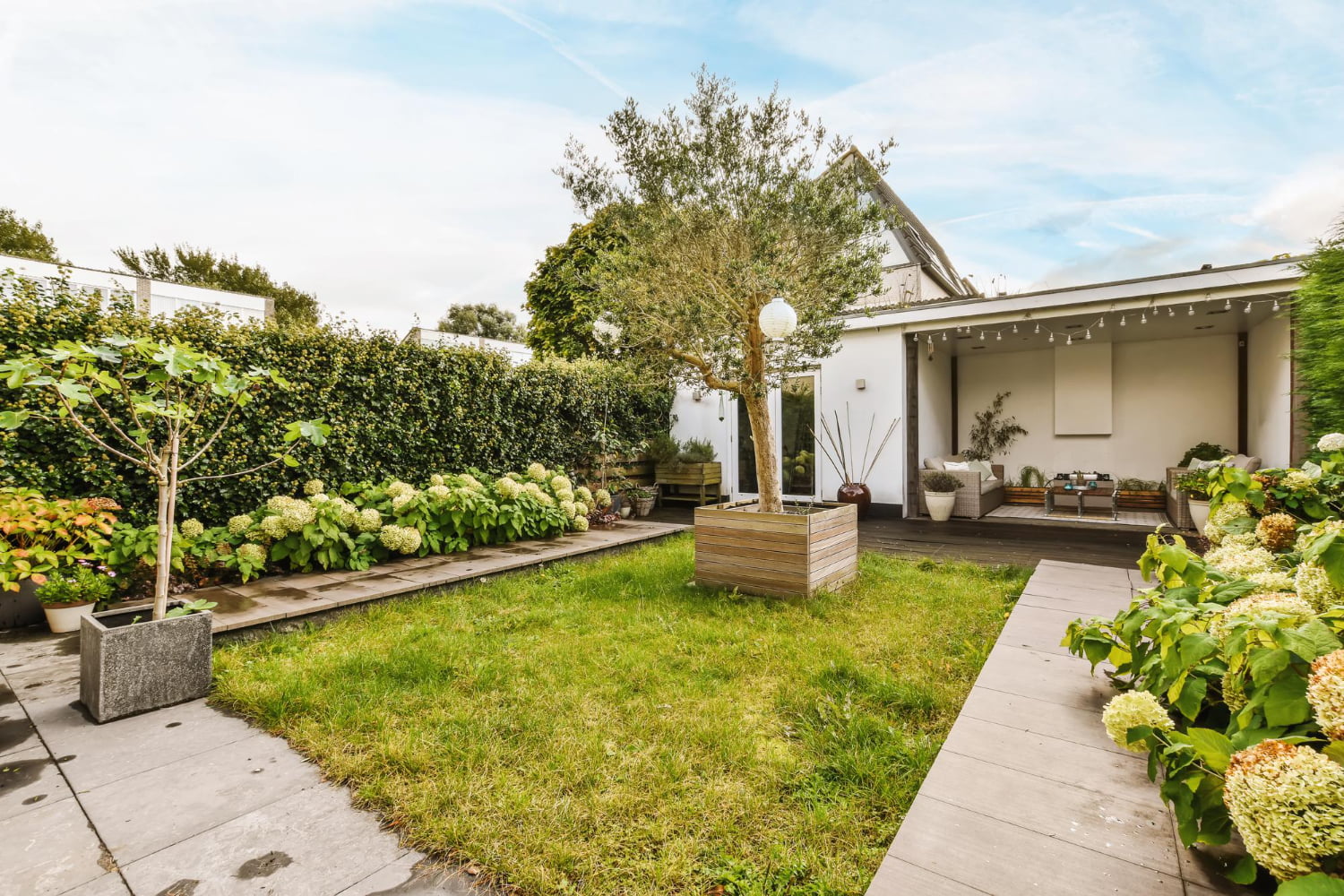
When you start your small garden design, the first thing to do is look at the shape of your garden space. Is it a long and narrow rectangle? Or is it a small square? Knowing its shape will help you make choices for your layout. This way, you can make the most of the space you have.
If your garden is long and narrow, think about breaking it up into different areas with hedges, trellises, or various paving materials. This creates a sense of depth and makes your garden more interesting as you walk through. On the other hand, square or round gardens can use curved paths or planting beds. This will make hard edges softer and add more charm.
By working with the natural shape of your garden and using design features that match its size, you can make it feel good and spacious, even if the area is small.
2. Plant Something New Every Month
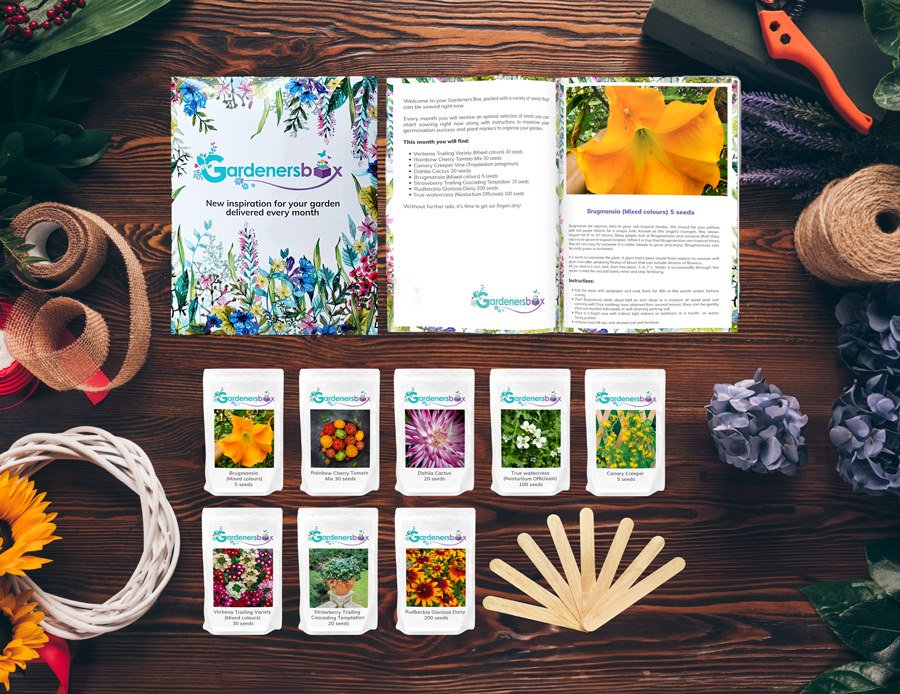
Need inspiration to keep your garden fresh?
Check out our Gardeners Box, a brilliant seed subscription service that takes the guesswork out of gardening and provides monthly inspiration to help your garden thrive during all four seasons of the year.
Every month, you will receive 8 carefully curated packets of seeds, easy-to-follow instructions, and plant markers delivered to your doorstep.
3. Incorporate Mirrored Surfaces to Create Illusion of Space
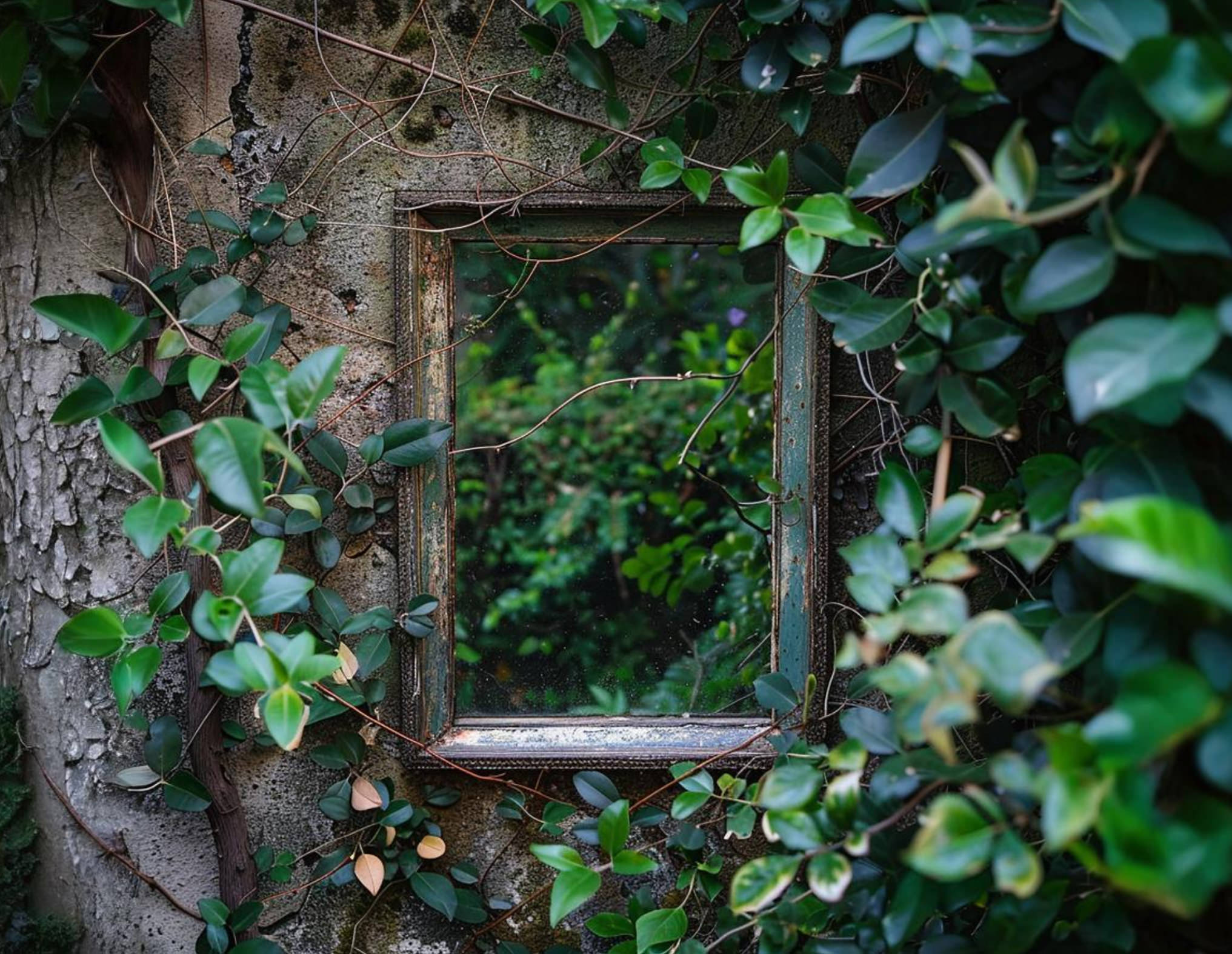
In a small garden, adding mirrors is a smart idea. Mirrors can bring in more natural light. They also make the garden look bigger. Using mirrors gives a modern feel to the space.
You can place weatherproof mirrors on walls or fences. This will reflect the plants and make the area seem deeper. Mirrored planters or ornaments can also help. They bounce light and serve as interesting highlights.
If you prefer a subtle option, choose outdoor furniture with mirrors. A small table or a decorative tray can work well. These shiny pieces add a touch of elegance to your garden. They also help create an illusion of space and enhance the overall look of your outdoor area.
4. Install a green wall
When your garden space is small, you need to make the most of every area, including walls. A green wall, also known as a vertical planter, is a great way to add plants and make an eye-catching center piece without losing ground space.
You can build green walls using many different materials, like modular panels or old pallets. You can choose what to plant based on how much care you want to give. Options include herbs, succulents, ferns, or even blooming vines.
Green walls do not just look nice and bring calm; they also help the environment. They can improve air quality and cut down on noise.
5. Utilize Vertical Vegetable Planting to Save Ground Space
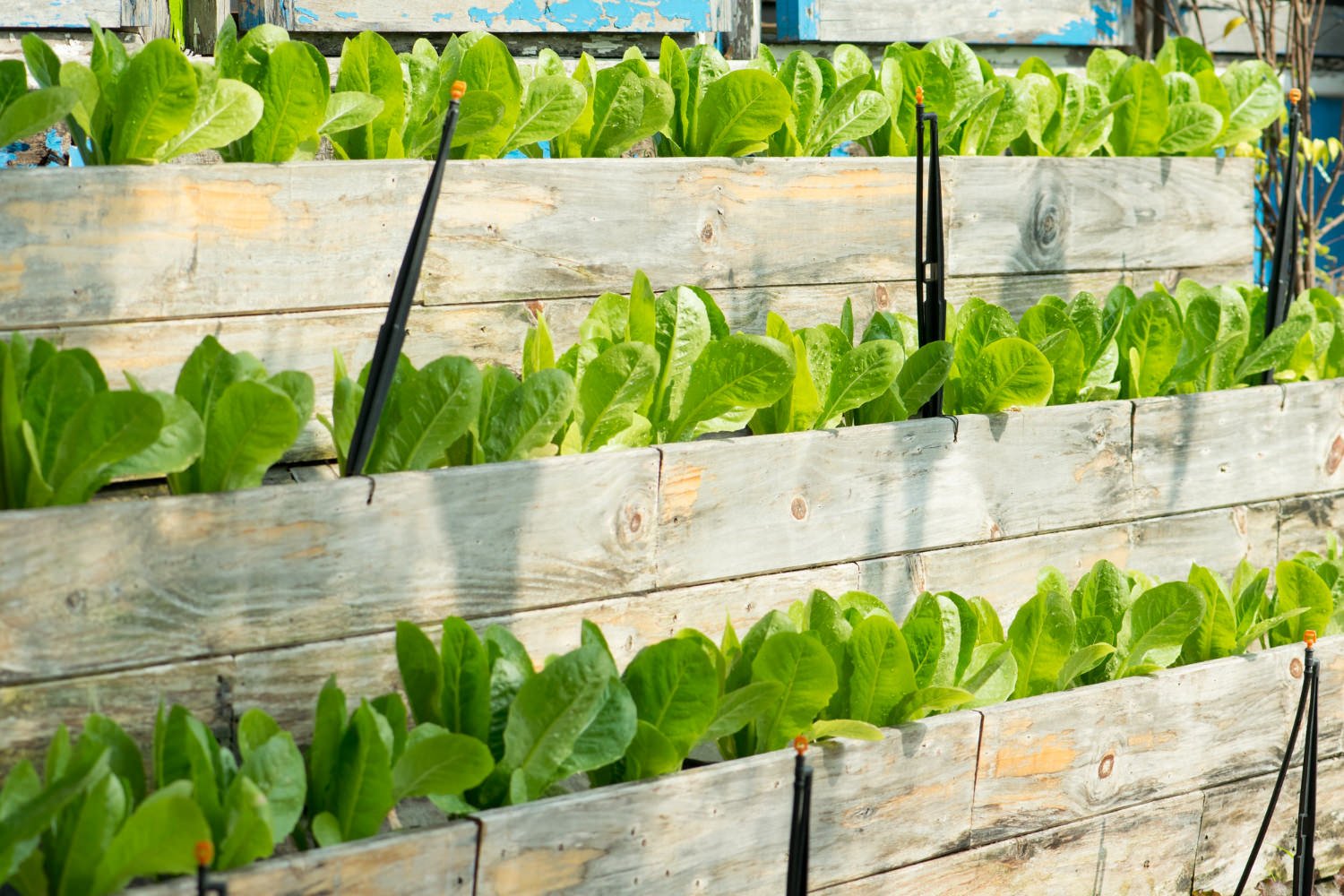
If you have a small garden space but want to grow fresh produce at home, a vertical vegetable garden is a great choice. You can train climbing vegetables to grow upward. This will help you make the most of your limited space and have a lot of plants.
You can use different methods for vertical planting in your small garden. Try trellises, obelisks, or even old ladders to support plants like cucumbers, beans, tomatoes, and squash. You can also use stacked planters or hanging baskets for leafy greens, strawberries, and herbs.
Using vertical planting helps you save space. It also helps the air circulate better, lowers the chance of soil diseases, and looks nice in your garden.
6. Select Colourful Perennials for Year-Round Colour
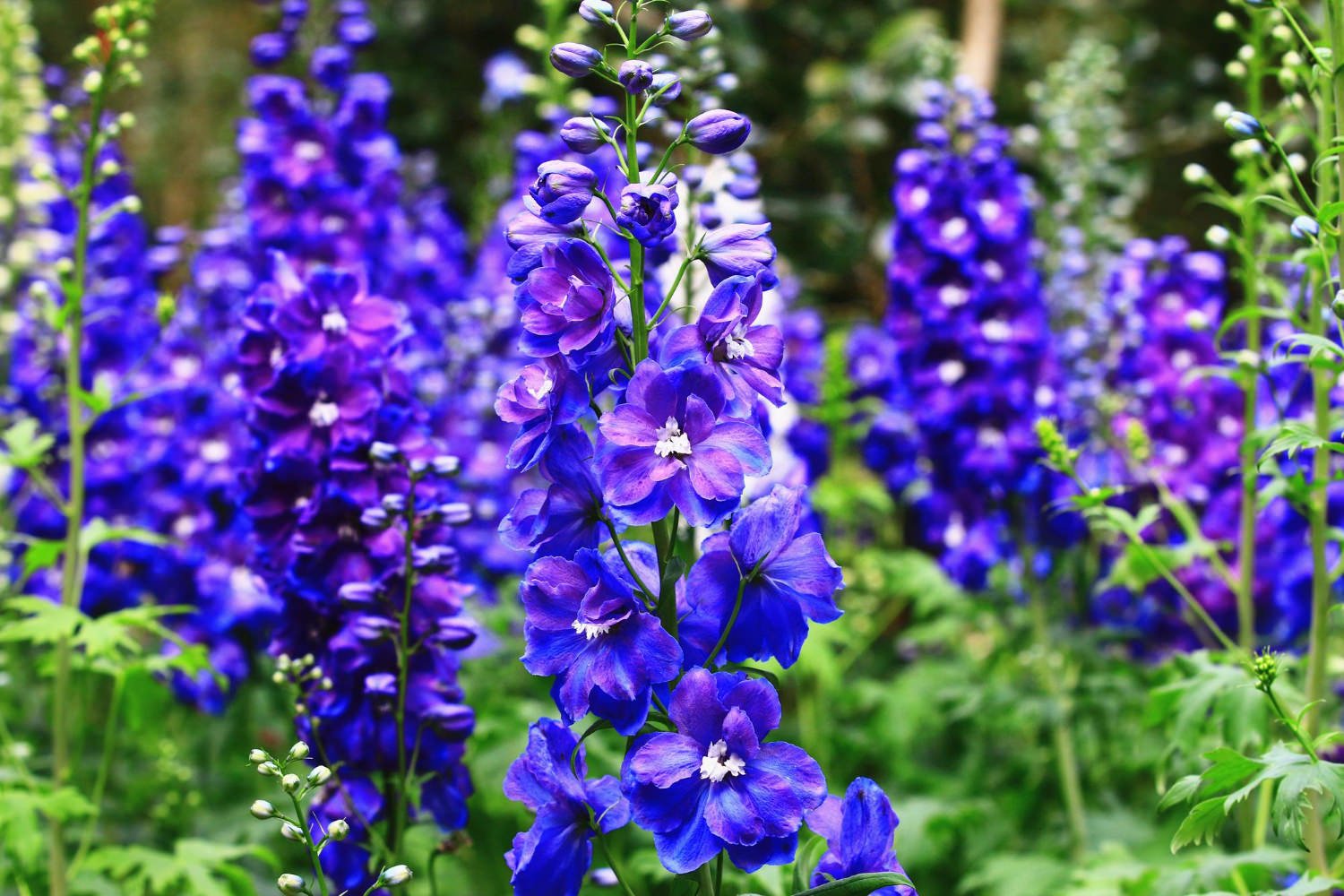
When you plan your small garden design, pick plants that look good all year. Perennials are great for small gardens because they come back each year. They add different colors and textures over time.
Try mixing perennials that bloom at different times. This will help keep your flower beds bright all year. For spring, you can use tulips, daffodils, and hyacinths. In summer, choose bold dahlias, salvias, and coneflowers. As autumn comes, enjoy the warm colors of asters, sedums, and ornamental grasses.
By picking a variety of perennials, you can make a small garden full of color and life. This will bring happiness and beauty to your outdoor area.
7. Implement a Water Feature to Attract Wildlife
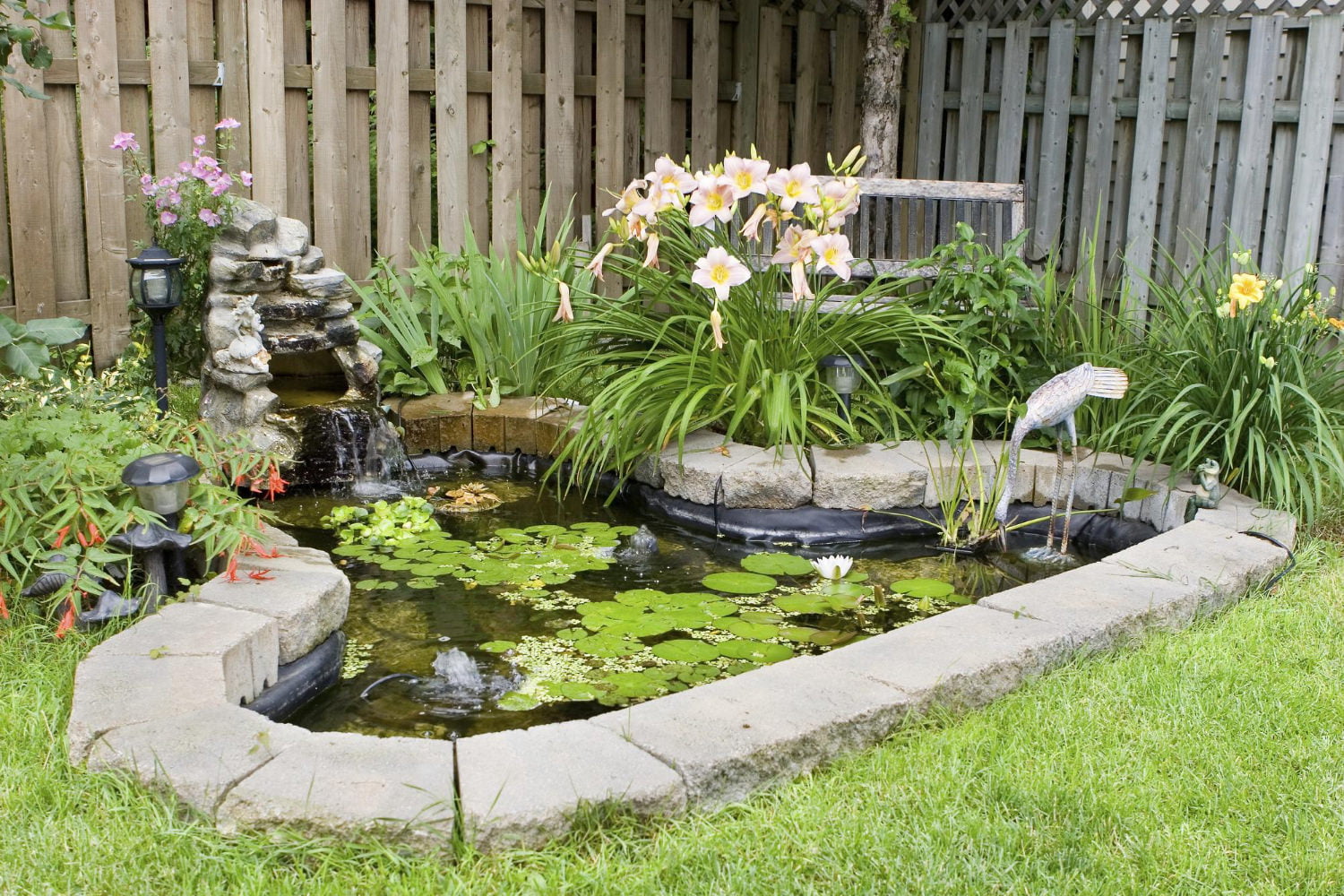
Among the many nice garden ideas for small gardens, adding a water feature is a great choice. It looks nice and helps local wildlife. Even a small water feature can become a stunning focal point that brings peace and the calming sounds of nature into your space.
You might think about a wall fountain, a birdbath, or a bubbling urn. These options add the relaxing touch of water without taking up much space. You can easily fit these features into planting beds or set them on a patio or deck.
The soft sound of water will create a calm feel and attract birds and other wildlife. This adds more life and movement to your small garden.
8. Create Zones with Different Themes or Functions
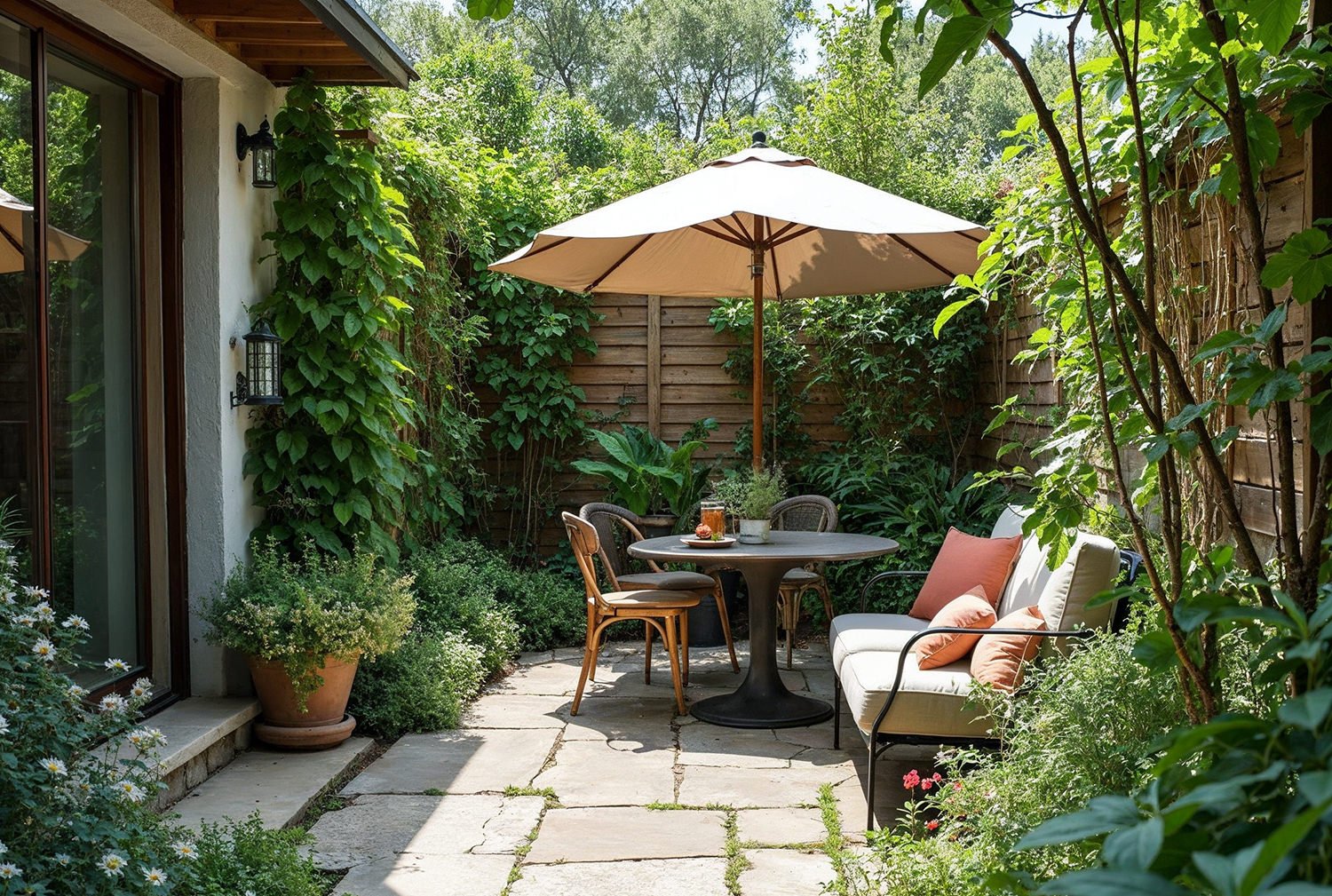
One good idea for a small garden is to split your tiny garden into different sections. Each section can have its own theme or use. This makes the space feel more organized and less crowded.
You could set up one section as a dining spot, adding a small table and chairs for outdoor meals. Another area could be for relaxing, with a comfy bench or hammock among nice-smelling plants. You can also add a play area for kids, a potting bench for those who love gardening, or a small herb garden for fresh cooking.
By carefully dividing your small garden into these areas, you can make it more useful and feel bigger. This way, you also meet your specific needs and interests.
9. Use long-season planting
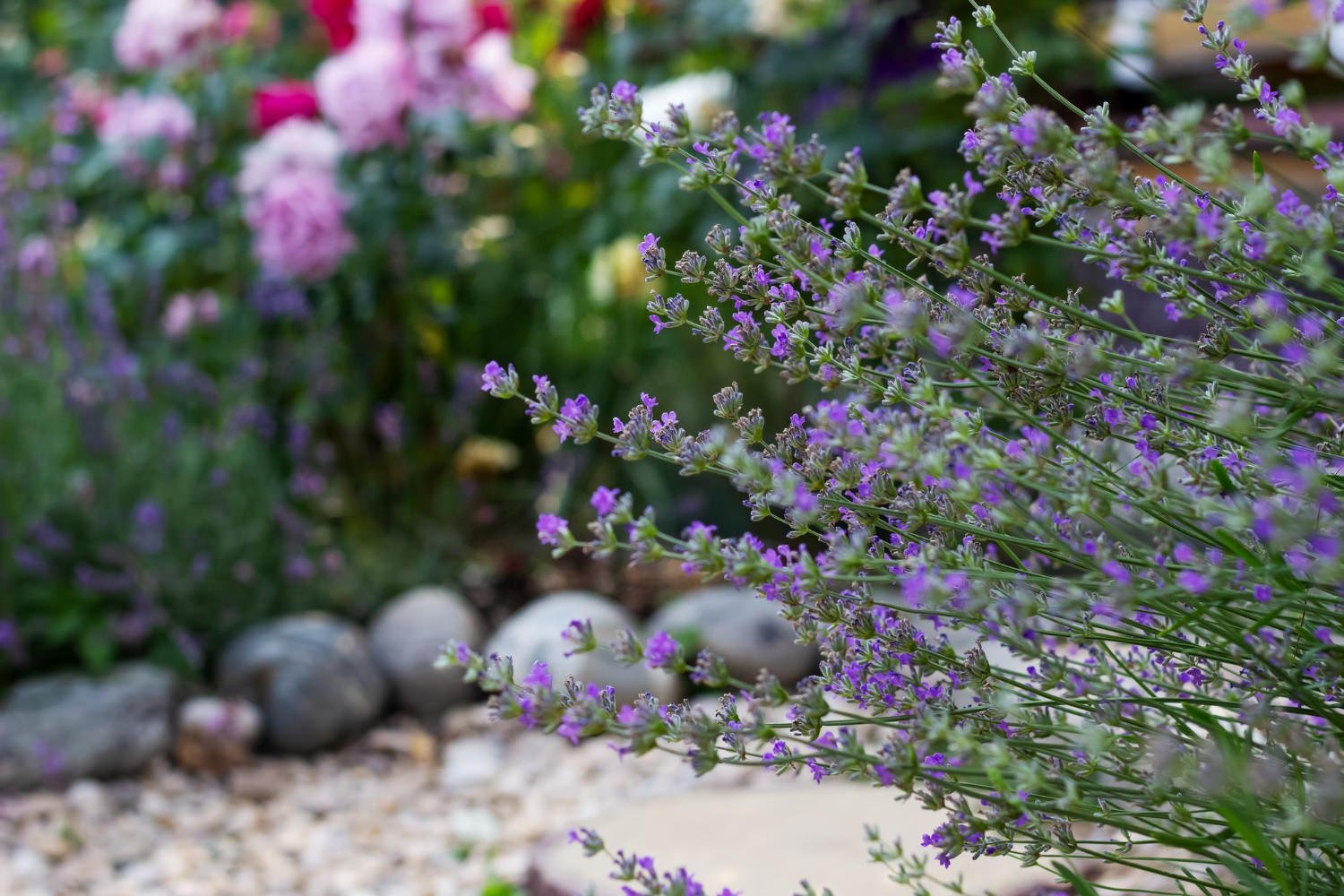
In a small garden, it’s important to pick plants that keep looking good for a long time. Using garden ideas like long-season planting can help you enjoy a lively and changing garden without needing to replant often.
Choose plants that bloom for a long time. Good options include repeat-flowering roses, hardy geraniums, and lavender. You can also select plants with nice leaves to create interest all year. Hostas, ferns, and ornamental grasses are great choices.
By choosing plants with long blooming periods or beautiful leaves, your small garden will stay interesting and enjoyable throughout the year. It will be a lovely place to relax and appreciate.
10. Use Containers for Versatile Planting Options
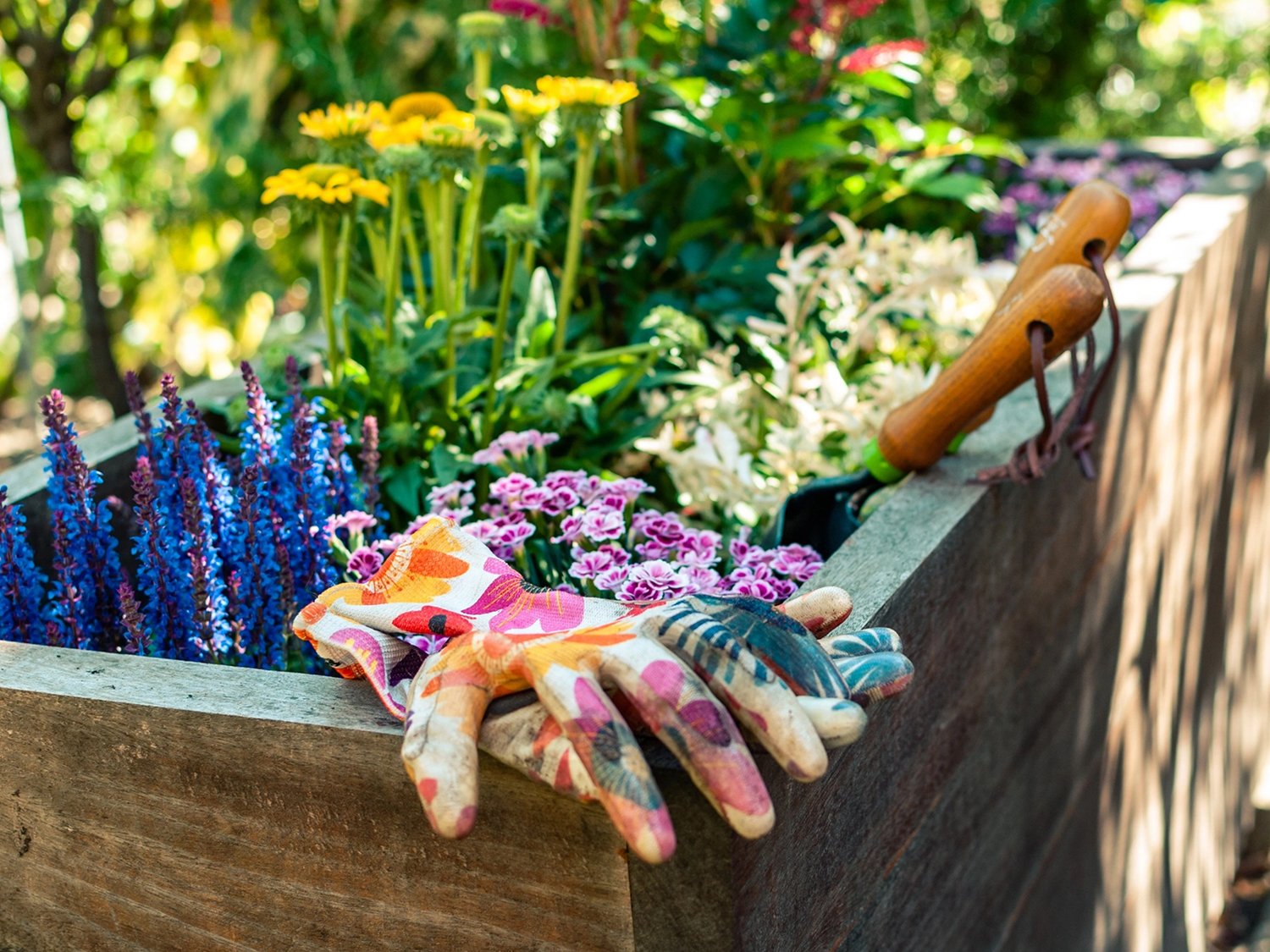
Containers can be very useful in small garden spaces. You can move them around to catch the sunlight. You can also change their layout to give your garden a fresh look. They add color to spots that might otherwise be dull. Additionally, they offer some extra garden storage underneath.
Try using different sizes and materials for your containers. You can pick from terracotta pots to galvanized tubs that match your garden’s style. Use them to grow flowers, herbs, small shrubs, or even dwarf fruit trees. You can group containers together for a big effect. Or, you can place them carefully to create zones or highlight paths.
Containers are great for your small garden, especially if you have limited space. They give you flexibility with your plants and add a little character to your garden design.
11. Opt for Dwarf Varieties of Trees and Shrubs
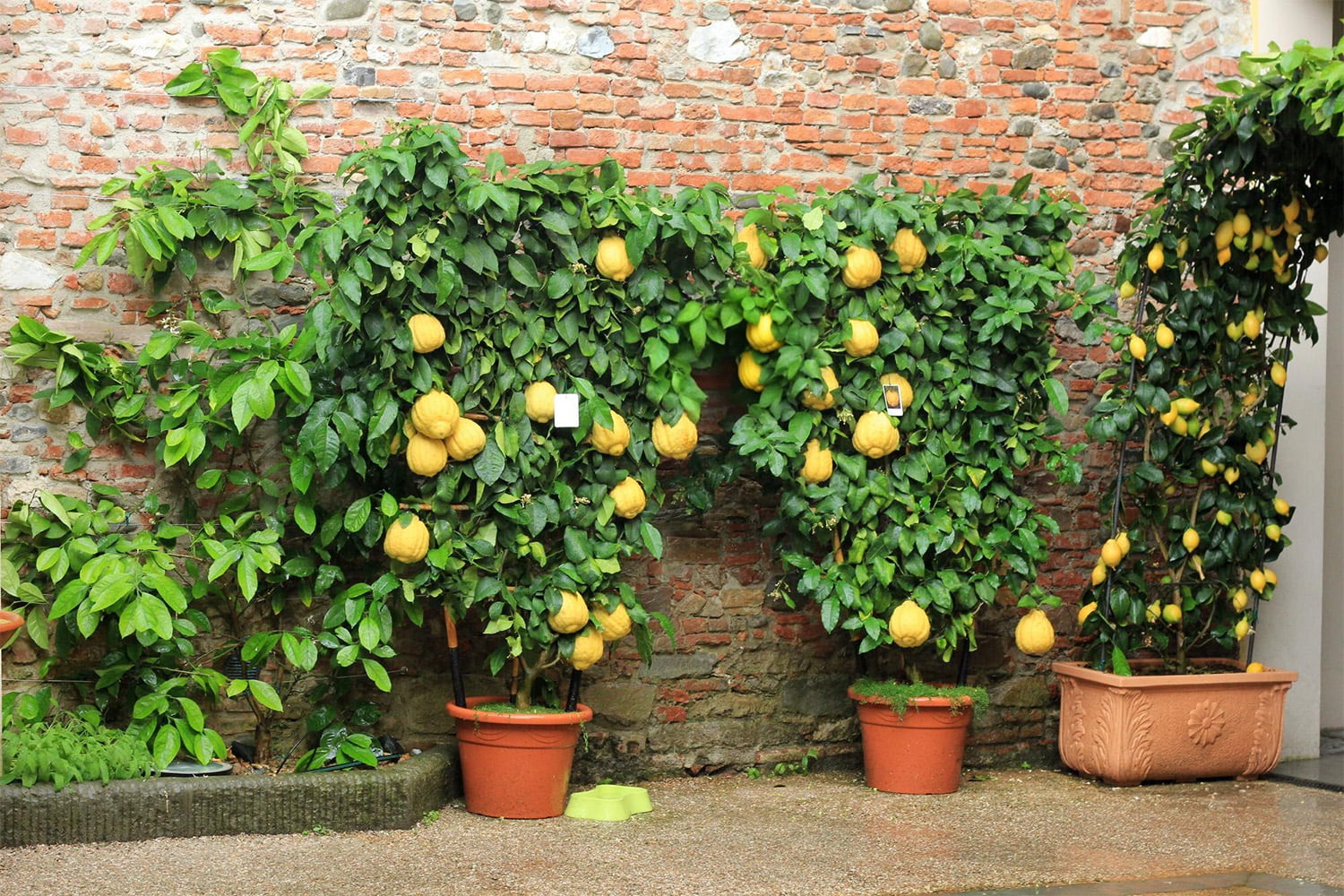
Large trees can be too much for smaller gardens. Instead, you can use dwarf tree varieties and small shrubs. This will add height and design without taking over the space. These smaller plants keep the beauty of larger ones but are easier to manage.
When picking dwarf trees and shrubs, think about how tall and wide they will grow. You want to make sure they fit in their space in the long run. Choose plants with cool leaves, bright flowers, or pretty bark to enjoy beauty throughout the year.
Dwarf conifers, Japanese maples, and flowering crabapples are great options. They add height and interest to smaller gardens without using too much space.
12. Create height in narrow borders
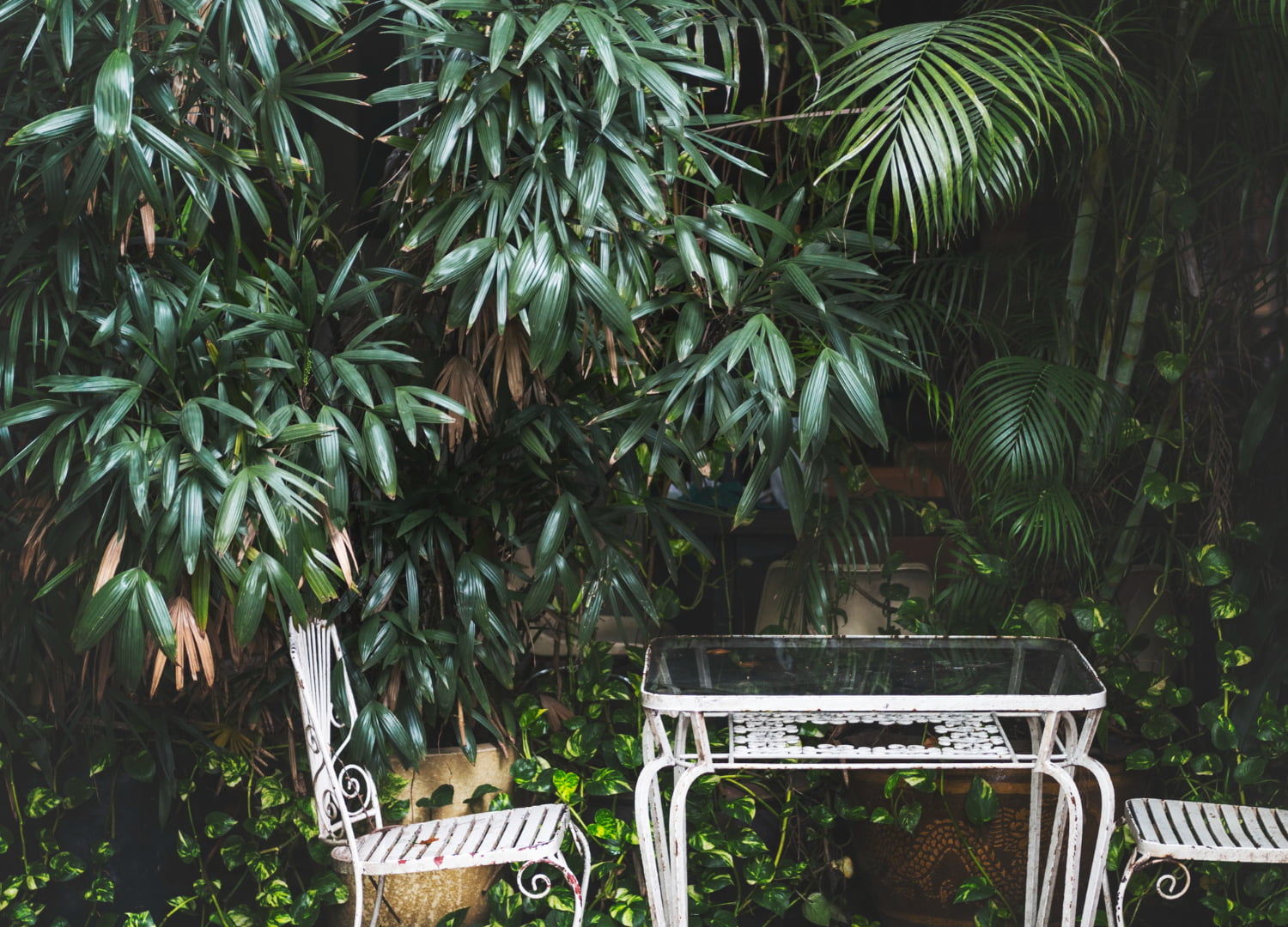
Designing a small garden, especially a narrow one, needs good planning to create an illusion of space. A great way to do this is by adding height around the edges. This can help the area look bigger than it is.
Place tall, slim plants at the back of your borders. Then, use shorter plants as you move forward. This setup gives a nice sense of depth and stops the garden from looking flat. You can also add vertical items like obelisks, trellises, or even old ladders. These add height and make the garden more interesting.
Using vertical space well can change narrow borders into beautiful parts of your garden. It helps improve the overall sense of spaciousness in your small garden design.
13. Install a Green Wall for Fresh Herbs or Flowers
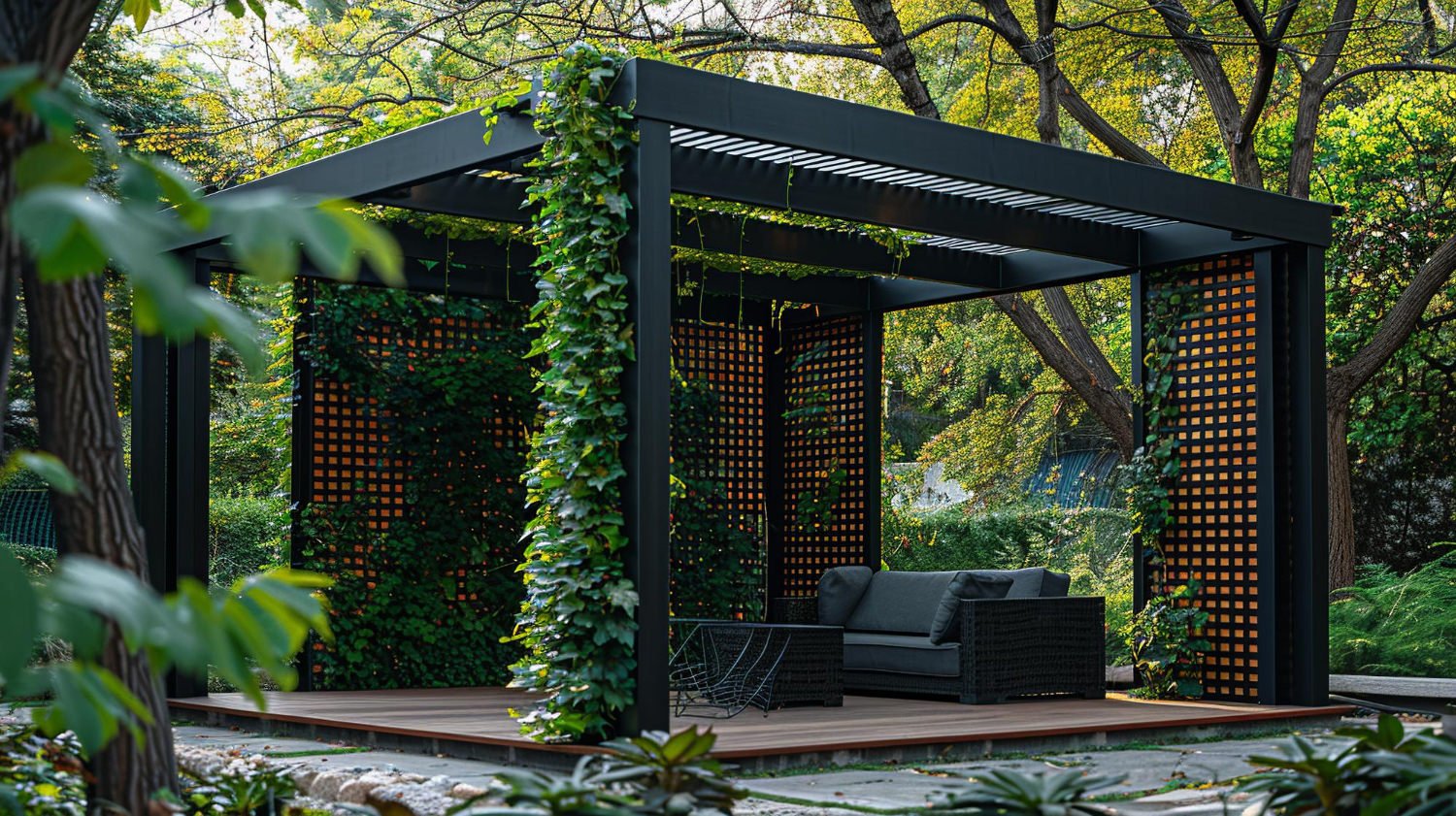
If you want to add some green and usefulness to your back garden, a green wall or vertical planter is a great choice. This new way of gardening lets you grow many plants up high, making the best use of even the smallest spaces.
For a useful and nice touch, think about setting up a green wall to grow fresh herbs. Picture having easy access to a lovely display of basil, rosemary, thyme, and mint. You could also make an eye-catching focal point with a green wall full of colorful flowers, changing a plain wall into a beautiful vertical garden.
Green walls not only make your small garden look better, but they also help improve air quality and provide a feeling of calm.
14. Add a Small Greenhouse or Cold Frame
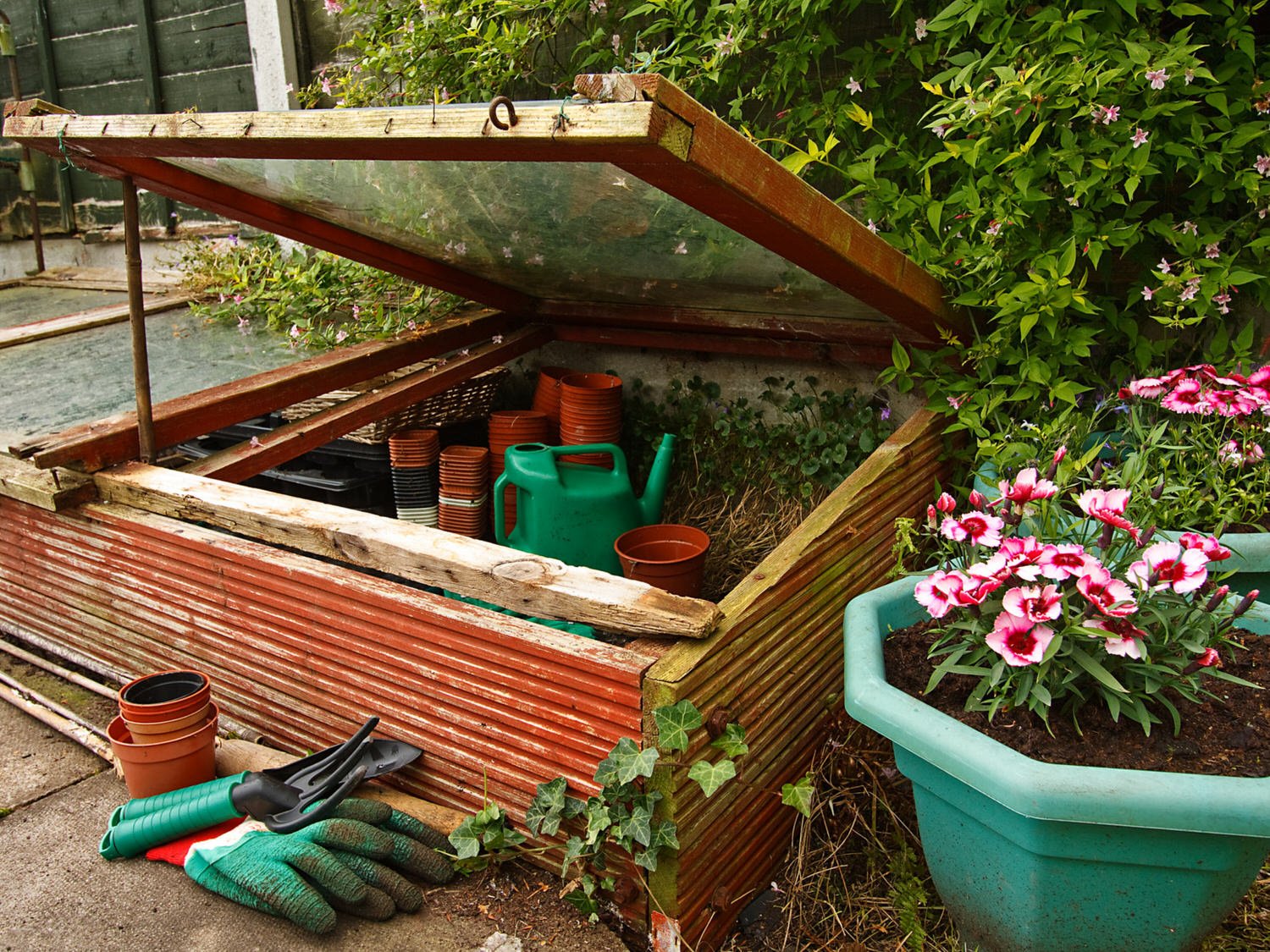
Even the smallest garden can gain a lot from adding a small greenhouse or cold frame. These structures create helpful garden space for starting seeds, keeping delicate plants safe during winter, or making the growing season longer.
Pick a small greenhouse with shelves you can adjust to make the most of your growing space. You can also choose a lean-to design that fits well against a wall or fence. Cold frames are shorter and perfect for getting seedlings used to the outdoors or keeping young plants safe from sudden frost.
With a small greenhouse or cold frame, you can have a longer gardening season. This means you can enjoy fresh fruits, vegetables, and colorful flowers no matter what your climate or space looks like.
15. Integrate Outdoor Lighting for Evening Enjoyment
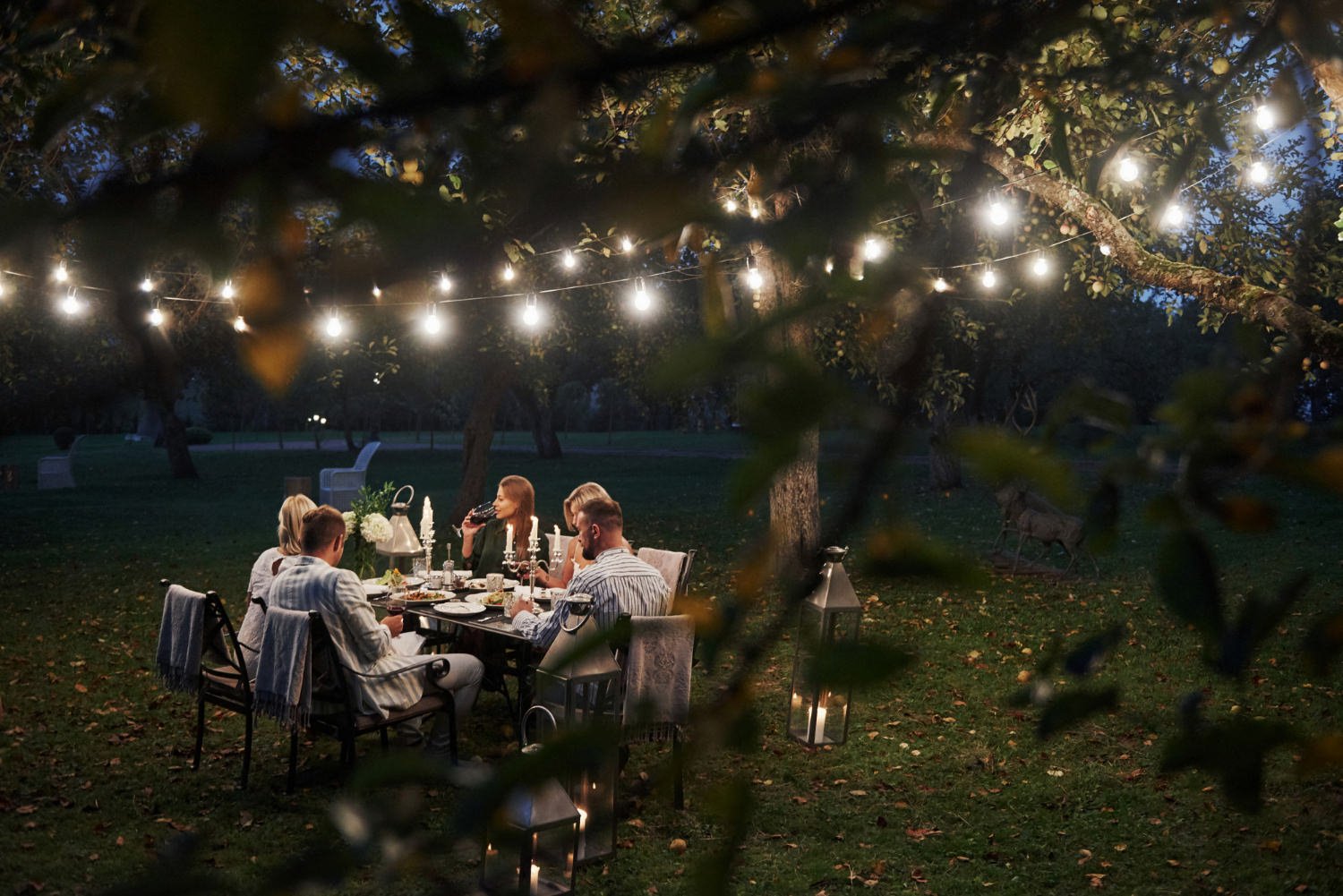
Don’t let the sunset end your fun outside. Adding outdoor lighting is one of the best small garden ideas. It helps you enjoy your space even when it gets dark, making it feel magical and welcoming.
When you pick garden lights, think about how they will work and how they will look. Path lights are great for safety and can light up walkways. Spotlights can shine on special things like trees, sculptures, or water features. String lights or lanterns hung above give a warm light and a fun vibe for gatherings.
By using different garden design ideas with lighting, you can set various moods and keep enjoying your small garden well into the night.
16. Design with Diagonal Lines for a Larger Feel
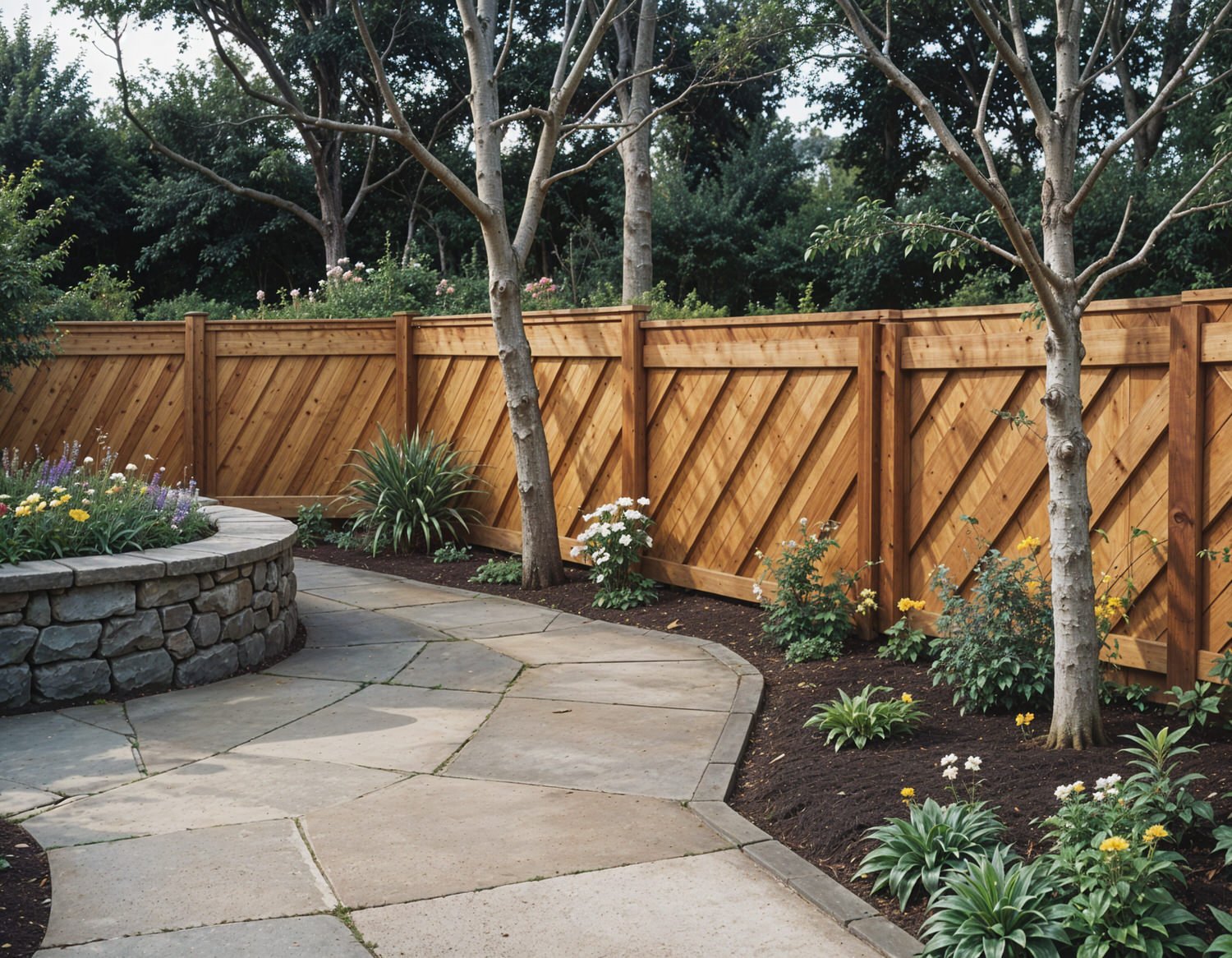
When you design a small garden, it is very important to create an illusion of space. One great way to do this is by using diagonal lines in your layout. This adds a sense of depth and helps the garden look bigger than it really is.
You can do this by placing paving stones or decking boards in a diagonal way. This makes paths that pull the gaze out and make the area seem larger. You can also position planting beds or hedges at an angle. This breaks up the straight lines of a small garden and makes the design more lively and nice to look at.
Using diagonal lines helps you change how people see the garden. It adds movement and makes the space feel larger, more exciting, and more welcoming.
17. Grow a multi-season tree
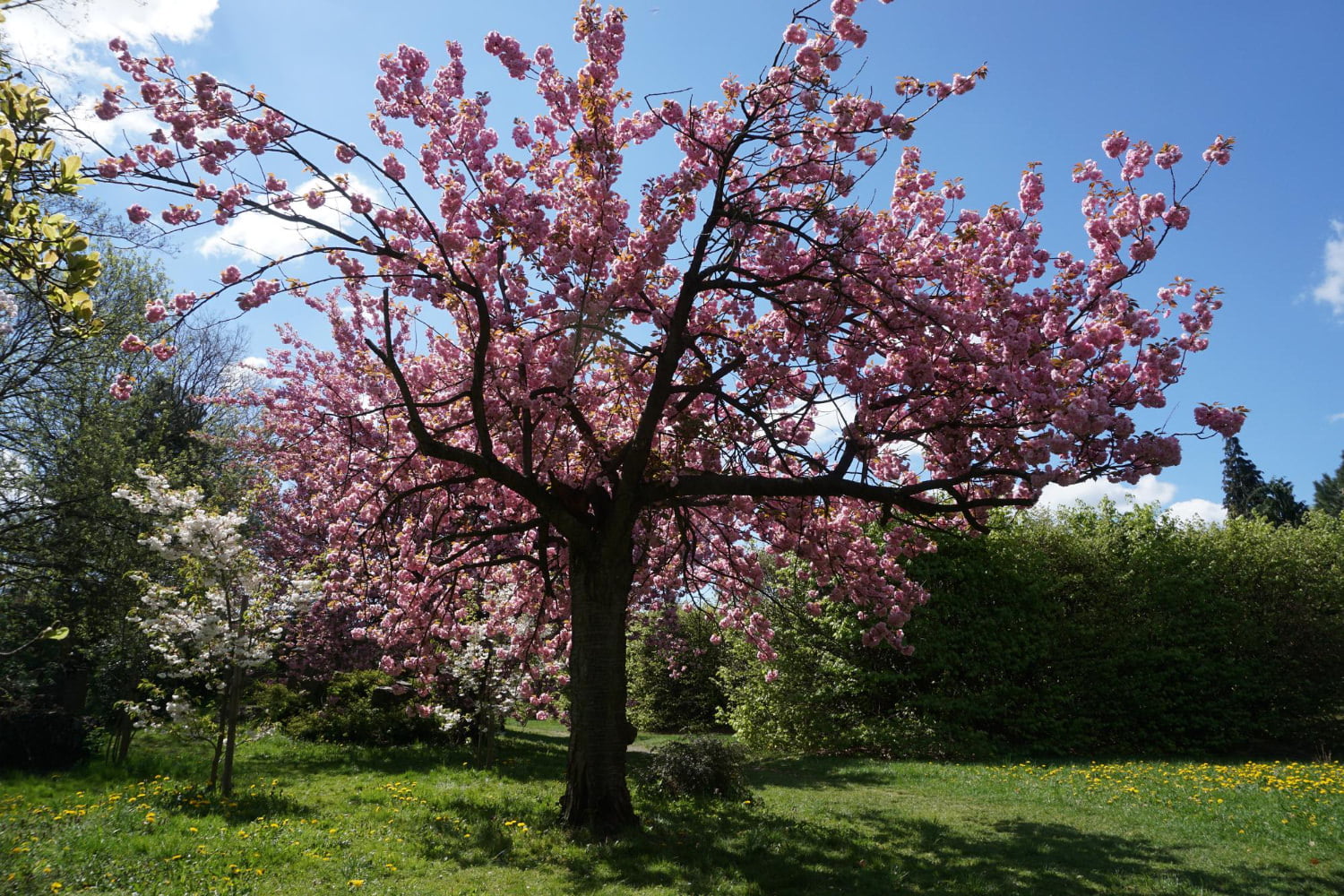
Just because you have a small garden doesn’t mean you can’t have beautiful trees. You can use good garden ideas, like planting a tree that looks nice in all seasons. This way, you can enjoy the garden all year without taking up too much space.
Look for smaller trees that bring something special with each season. For example, a flowering cherry tree has beautiful blooms in spring, lovely leaves in summer, and bright colors in autumn. You could also think about planting a crabapple tree. It has sweet-smelling flowers in spring, colorful fruit in summer and autumn, and nice bark in winter.
Choosing the right tree can add height and charm to your small garden throughout the year without crowding it.
18. Establish a Focal Point with a Statement Piece
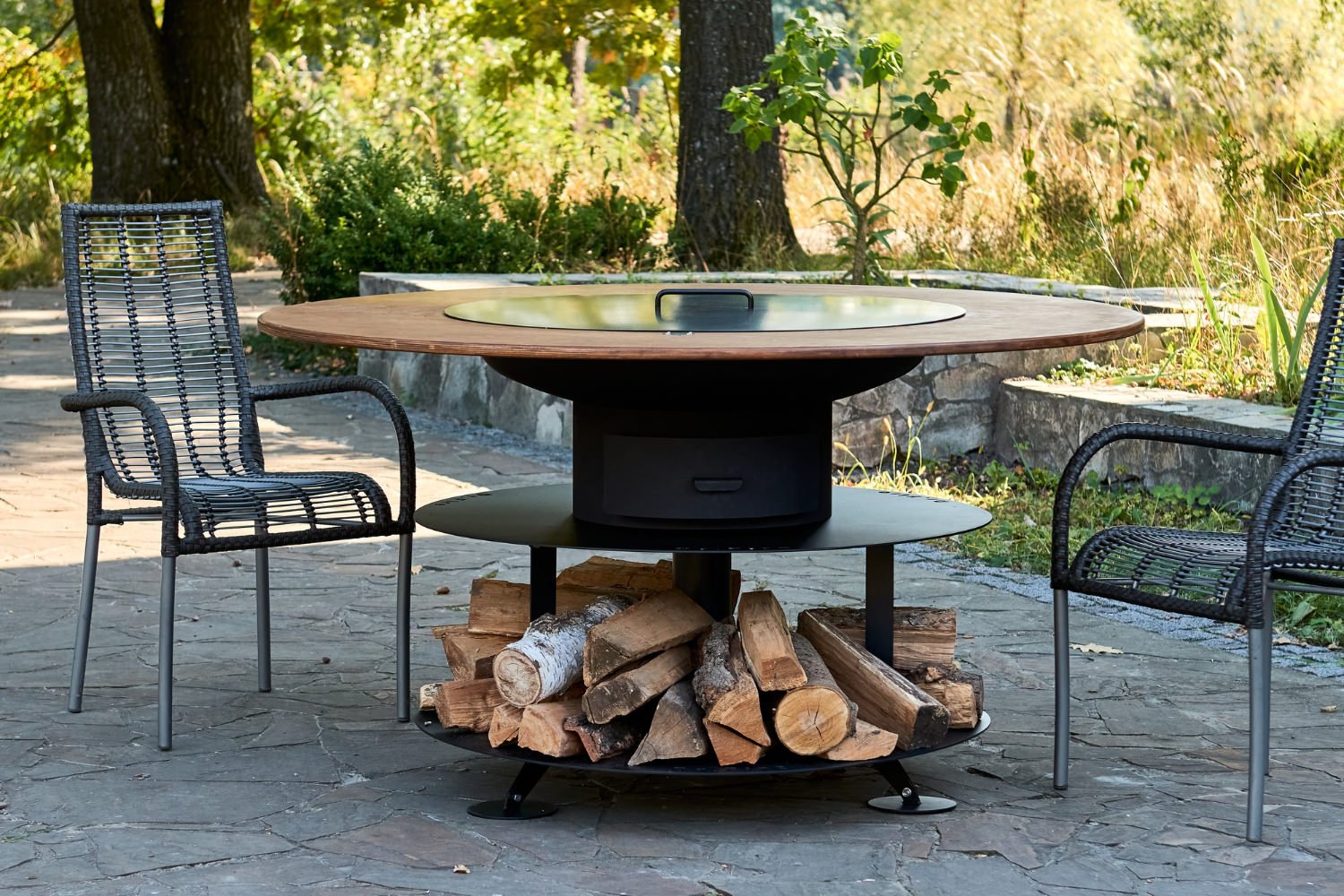
Creating a focal point is a key part of good garden design ideas, especially for smaller gardens. In a small space, a well-chosen focal point will catch the eye and give the garden some purpose. This helps the area look neat, instead of messy or crowded.
Think about adding a standout item like a sculpture, a water feature, a fire pit, or a bright and interesting plant. Place this focal point carefully in the garden so that it is easy to enjoy from different views.
Having a clear focal point helps tie together the design and gives a feeling of balance and peace in your small garden. People will naturally notice this central piece, making the whole area feel larger and more planned.
19. Choose Plants with Varied Textures and Forms
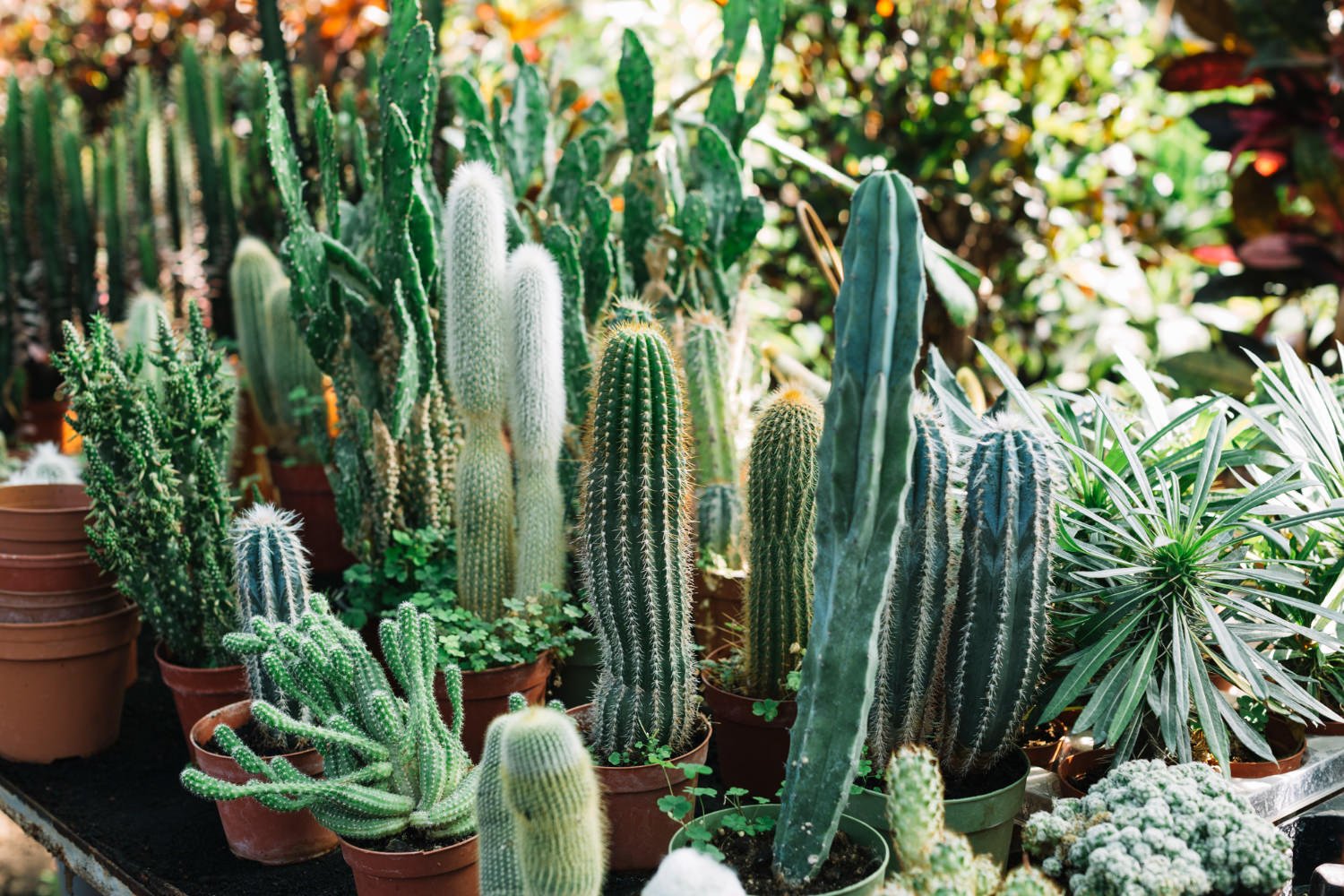
One great garden idea for small gardens is to use plants with different textures and shapes. This helps your garden look deeper and more interesting. It stops the space from looking flat or plain.
When you plan your small garden design, try to mix leaf textures. Use plants with fine leaves, like ferns or grasses, and pair them with ones that have thick, textured leaves, like hostas or bergenias. You can also add plants with different shapes, such as spiky yuccas, rounded boxwoods, or hanging vines.
Adding different textures and shapes makes your small garden design more lively and exciting. This way, it becomes a fun and eye-catching place.
20. Save on shed space
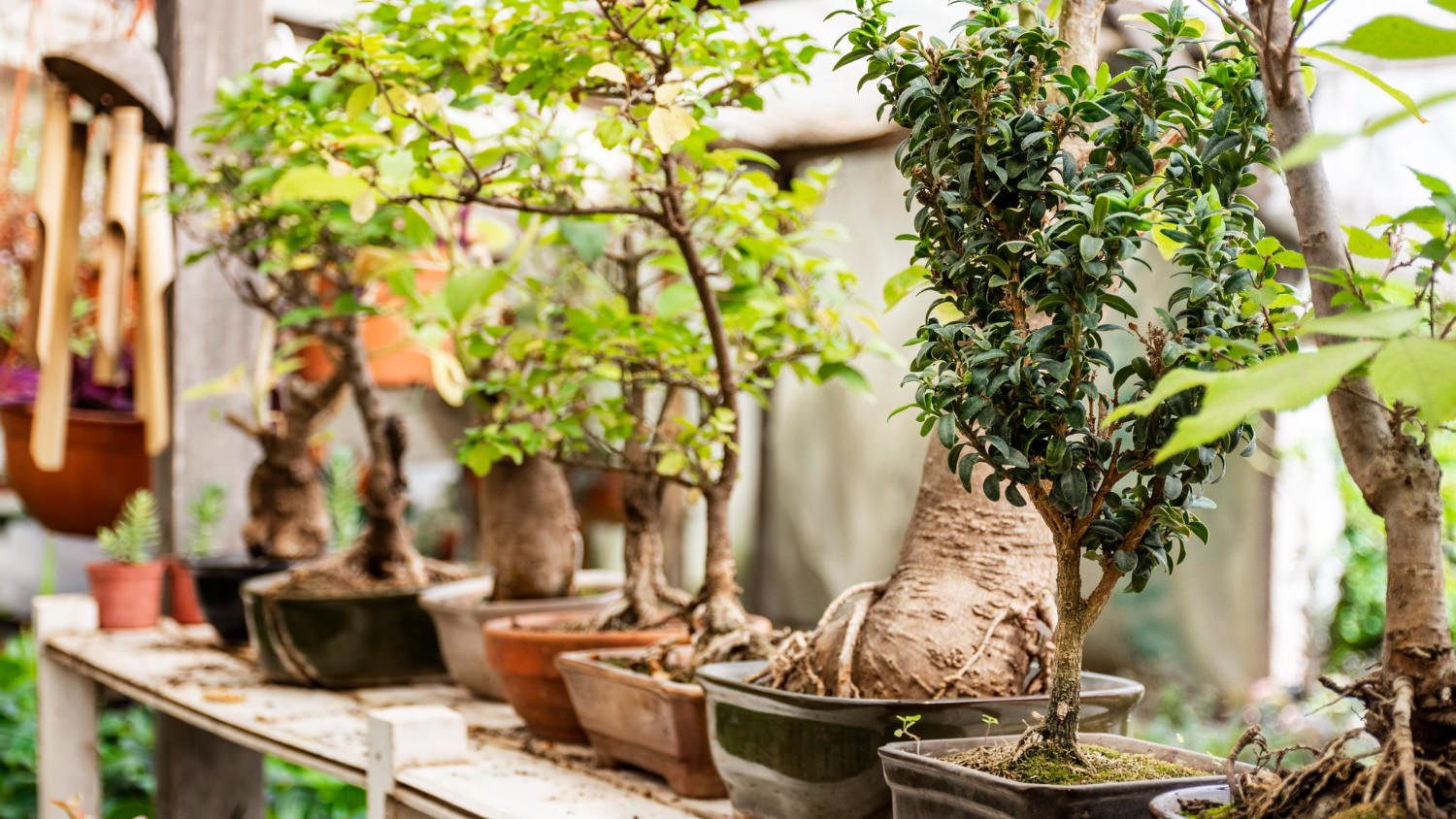
Finding the right garden storage in a small space can be tough. However, there are lots of tiny garden ideas to help you use every inch wisely. If you have a shed, try using vertical space. You can add shelves, hooks, and organizers.
Think about using wall-mounted racks for your tools. Hanging baskets work well for smaller items. Overhead storage is great too. This way, you can keep your tools and supplies easy to reach. By using vertical space smartly, you will create more floor space for bigger equipment. It will also help make your area more organized and useful.
Even in a small garden, good storage solutions can change everything. They keep your tools nearby and your garden neat.
21. Implement a Pebble Path for Natural Movement
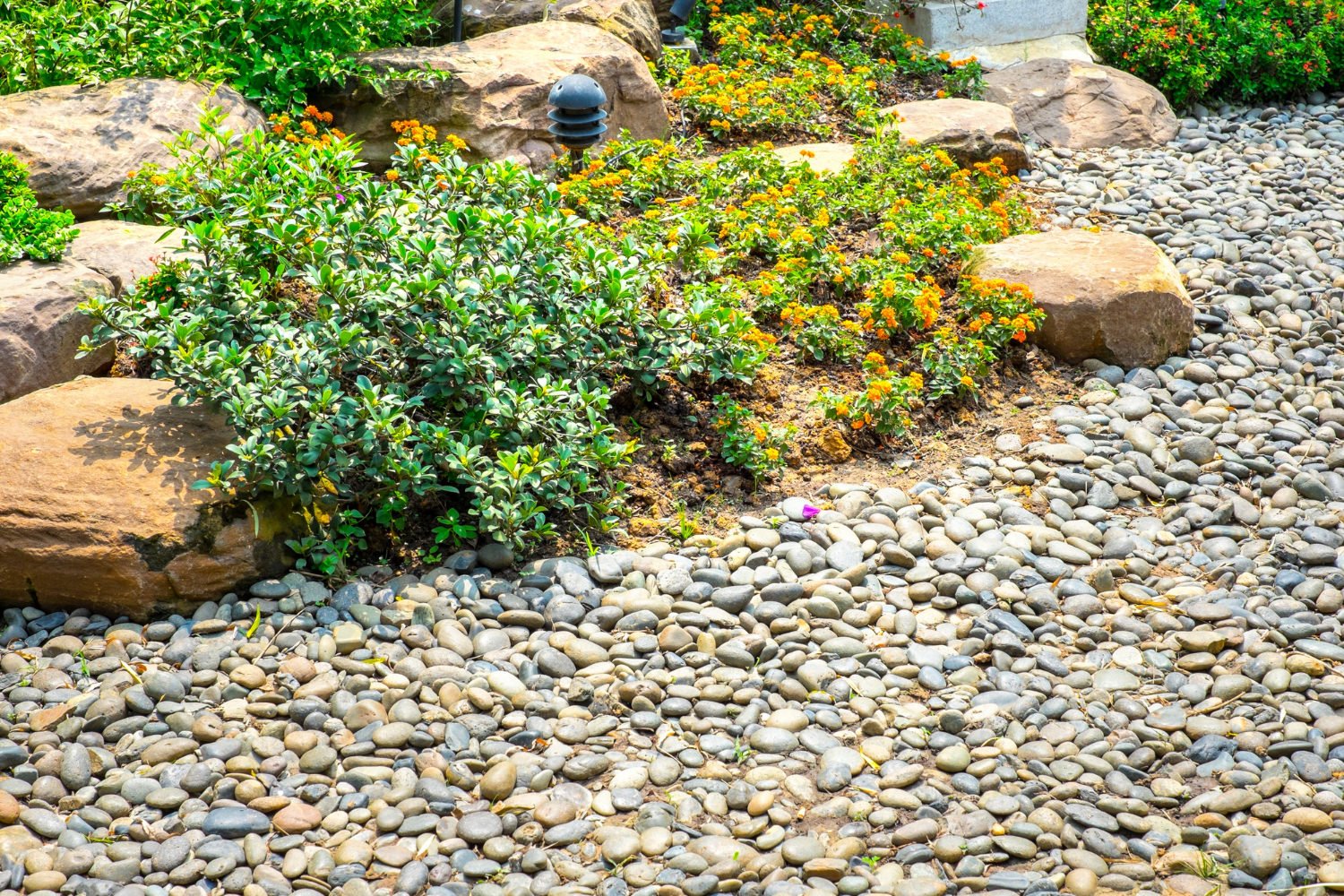
In a small garden space, creating flow and movement is key to making it feel bigger. A pebble path is a simple way to guide the eye and inspire exploration. It also adds a nice, natural look.
You might want to use different materials to clearly show where the path is, compared to the nearby plants or lawn. For instance, a winding pebble path through low ground cover or next to bright flowers makes the area look interesting and invites people to walk around.
Pebble paths are cheap and easy to set up, which is great for those who enjoy working on small garden projects. They also drain well and do not need much care. This makes sure your garden is easy to enjoy all year round.
22. Grow scented plants
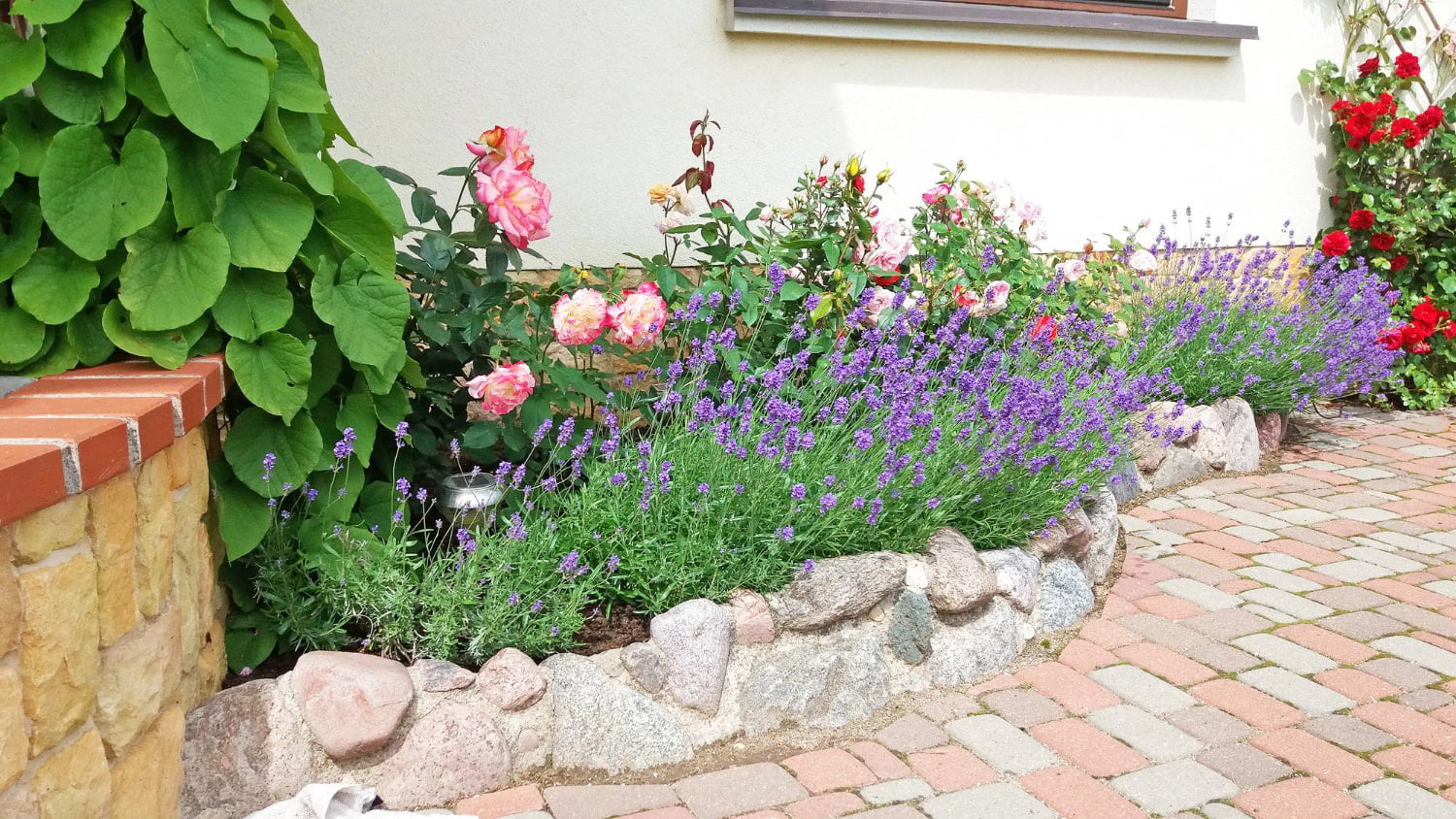
Don’t underestimate how important scent is in making your small garden special. By adding fragrant plants in smart ways, you can change your tiny garden into a beautiful space that feels bigger than it really is.
Place these fragrant plants close to seating areas, along pathways, or under windows to enjoy their lovely smells. Pick a mix of plants that bloom at different times so that you have sweet scents all year round. Some good choices are lavender, roses, jasmine, honeysuckle, and sweet peas.
When you use fragrant plants, you make your small garden more enjoyable. They also help attract pollinators, which is good for the environment and helps your outdoor space thrive.
23. Sow salad successionally
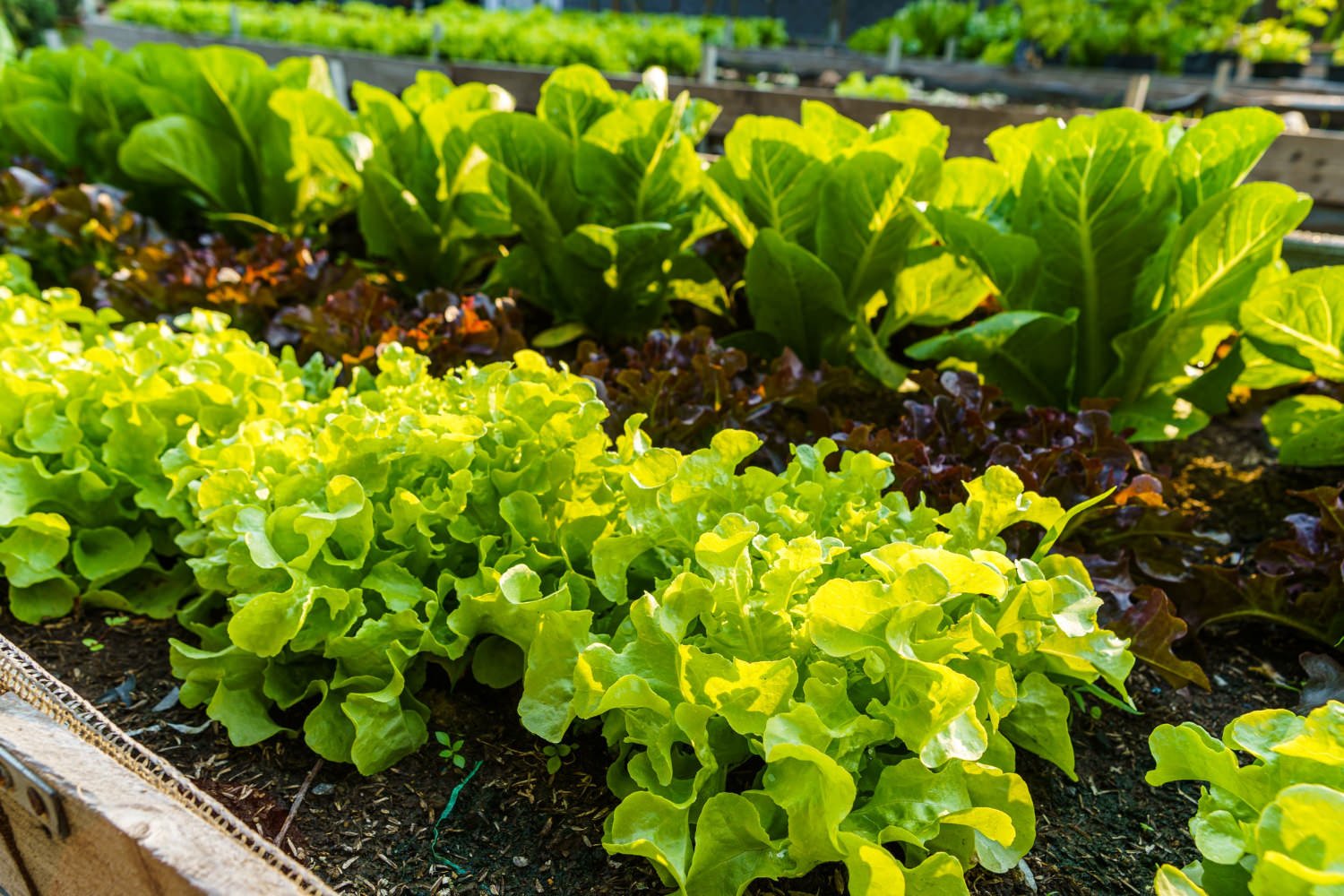
Maximizing yield in a small vegetable garden often means using smart garden ideas, like successional sowing. This method allows you to plant quick-growing crops, such as salad greens, at different times. This ensures that you can harvest fresh crops during the entire growing season.
Instead of planting all your salad seeds together, split the area into smaller sections. Then, plant a new batch every two to three weeks. As you harvest one batch, another will be ready. This gives you a steady supply of fresh lettuce, spinach, arugula, and other leafy greens.
Successional sowing not only helps you grow more in a small space but also cuts down on waste. It ensures you always have fresh, homegrown vegetables ready throughout the season.
24. Plant up a hanging planter
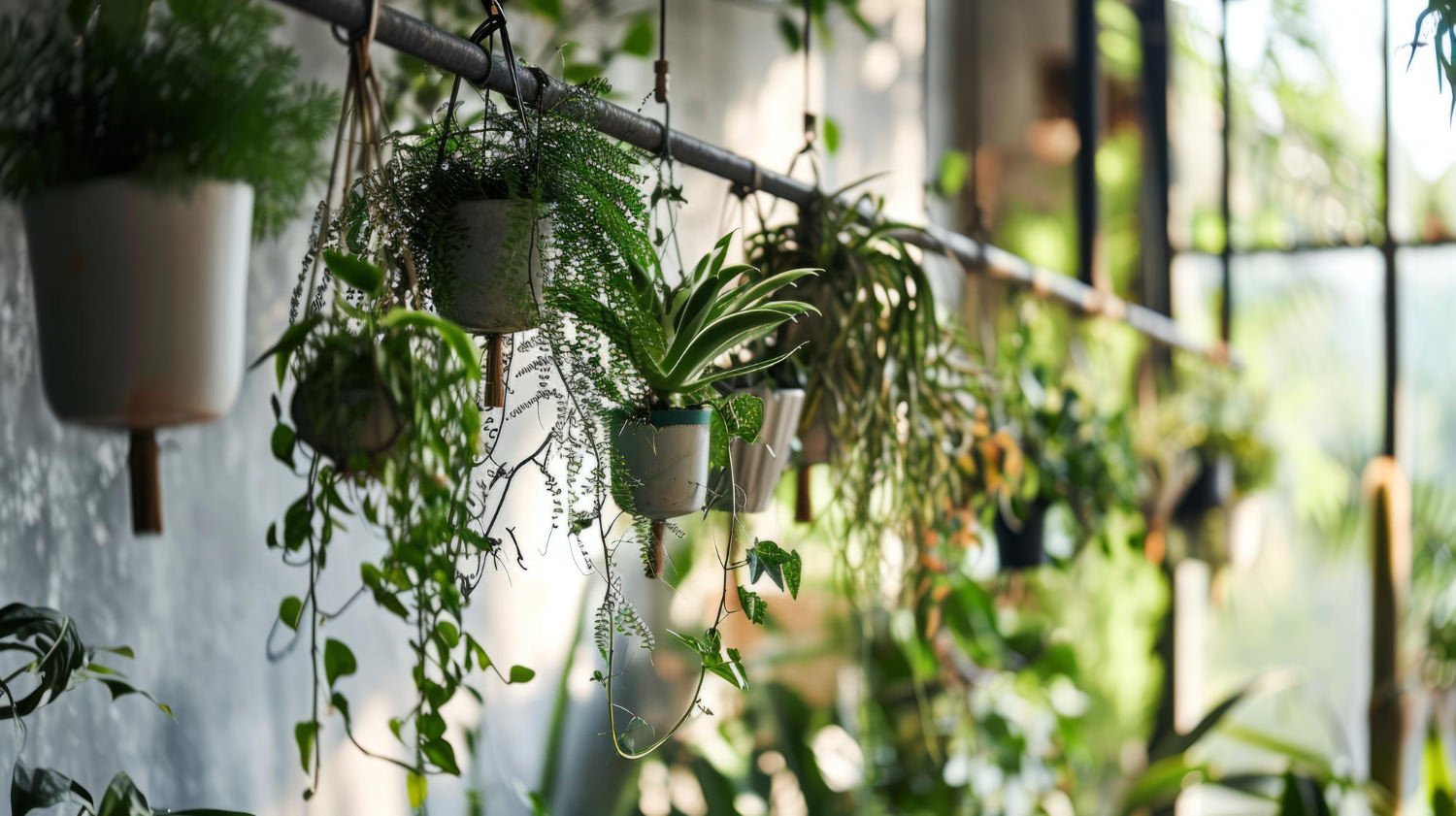
In a small garden space, using vertical areas is important for more planting options. Hanging planters are a great type of vertical planter. They can change empty wall space into bright spots of color and texture.
You can pick from different hanging planter styles. These range from classic wire baskets to modern ceramic pots. Choose what suits your garden’s look best. You can fill them with trailing flowers like petunias, fuchsias, or lobelia for a beautiful cascading look. You can also use hanging planters to grow herbs, strawberries, or small leafy greens.
Hanging planters make your small garden more exciting. They add visual interest and depth. Plus, they help you save important ground space for other plants or garden features.
25. Divide your space
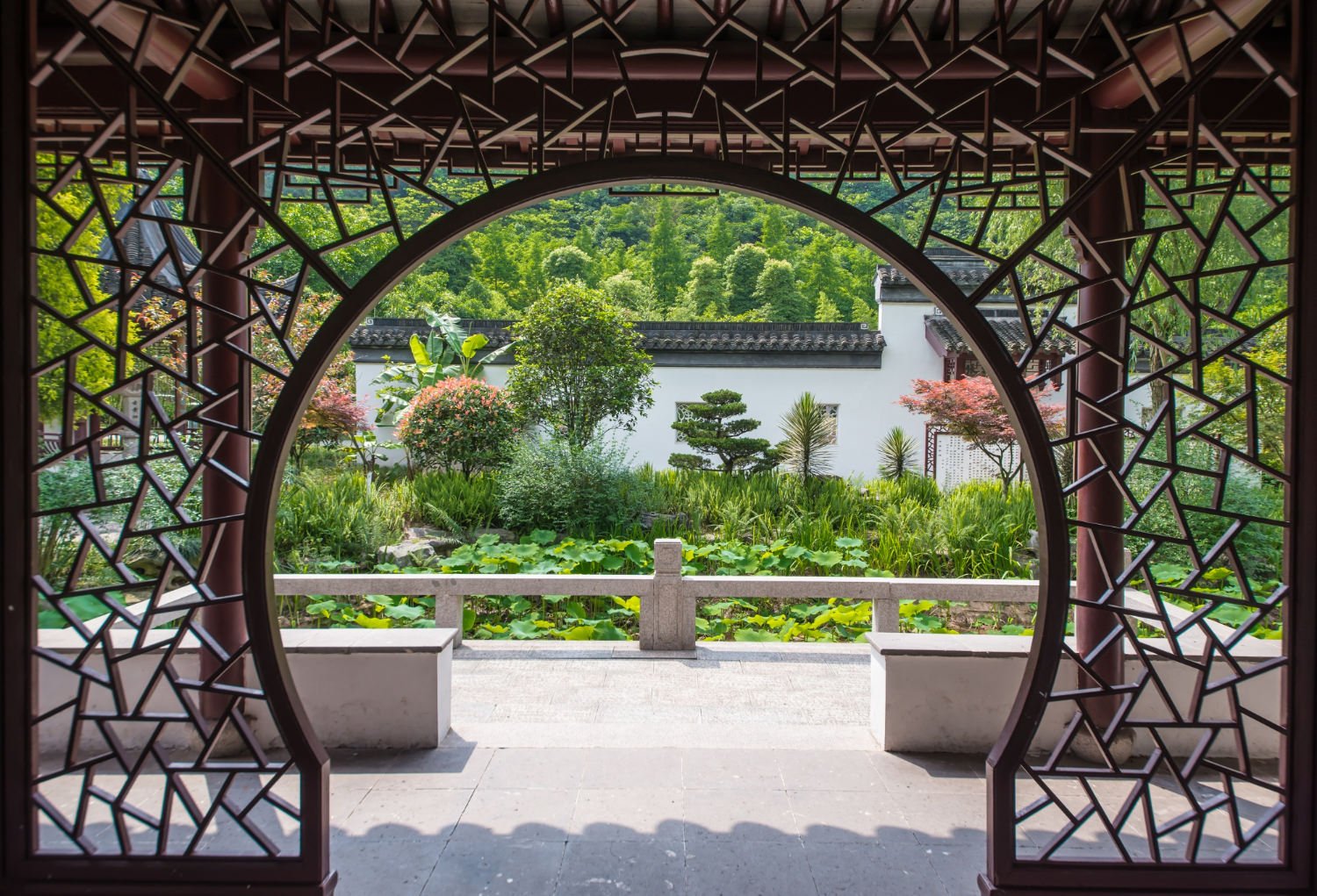
Even the smallest garden can gain from smart zoning. When you split your space into different areas, it looks bigger and more exciting. This is one of the best small garden ideas because it adds some mystery and makes you want to explore.
Use things like trellises, hedges, or well-placed planters to create smaller “rooms” in your garden. This helps to break up the view and adds a sense of surprise as you go from one section to another. You can use different types of paving, planting styles, or color themes to mark each zone clearly.
Keep in mind that making sections in your garden doesn’t mean you have to build walls. Simply showing separate areas through careful planting and design can really change the feel of your space.
26. Make borders bigger

It might seem strange, but making your borders bigger can actually make a small garden feel bigger. When you cut down on the amount of lawn or paving and make the planting areas larger, it gives a better view of depth and richness.
Wider borders let you plant more different types of plants. This makes your garden space feel more private and cozy. Plus, larger planting areas give you more chances to create interest with different heights, textures, and colors.
Think about taking away some of the lawn or making your patio smaller to allow for wider borders. This will not only make your small garden look better but also help create a healthier home for wildlife.
27. Get the landscaping-planting ratio right
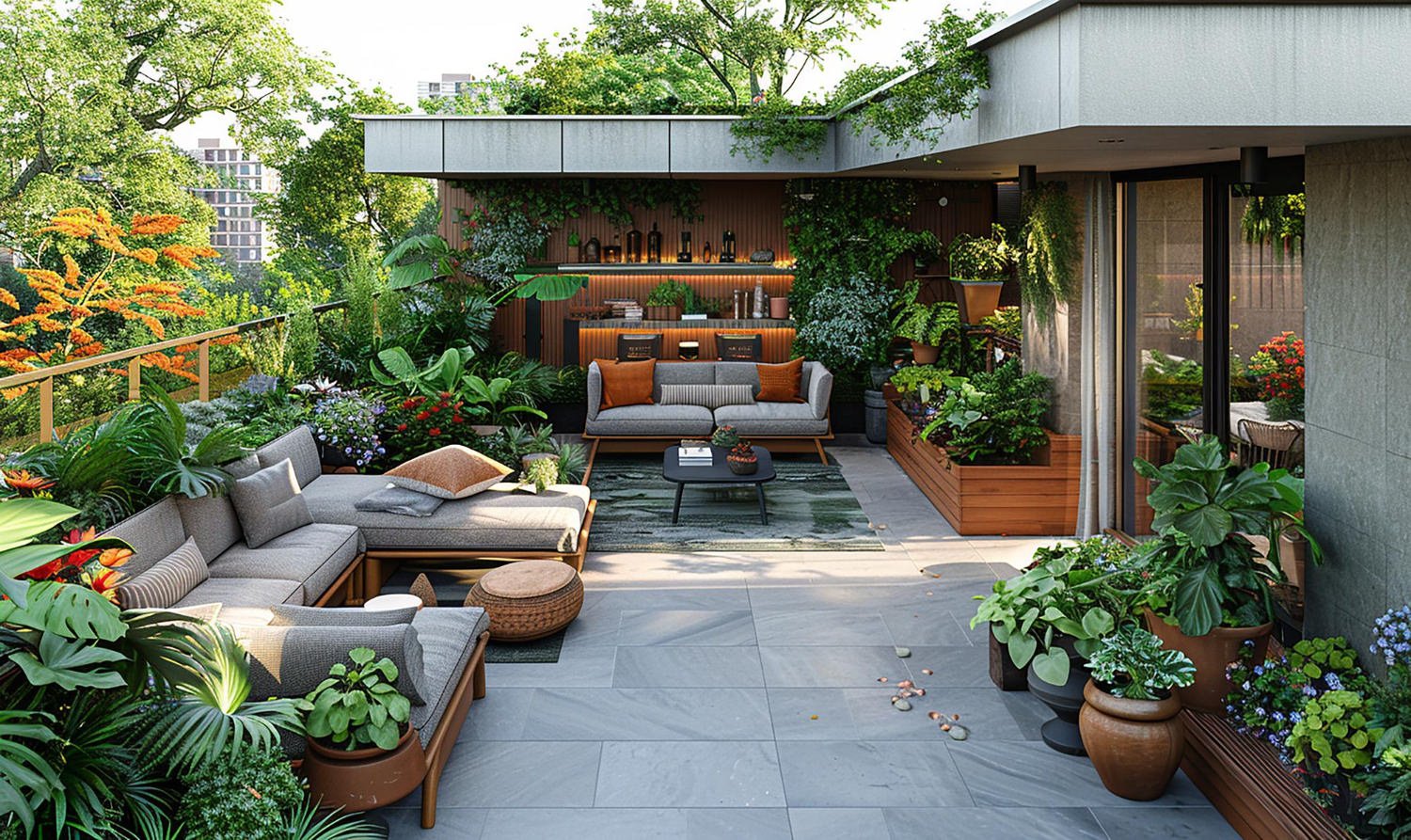
Achieving a good mix of hardscaping and plants is important for a successful small garden. If you have too much paving or decking, the space may feel cold and unwelcoming. On the other hand, too many plants can make the area look messy and crowded.
A helpful tip is to go for a 50/50 ratio between hard and soft landscaping. This setting creates a nice and welcoming space that seems open and organized. This idea applies to all garden ideas, no matter the size.
When you plan your small garden, think carefully about where to put patios, paths, and planting beds. Doing this can help you create a balanced and warm outdoor space.
28. Sow a square metre veg bed
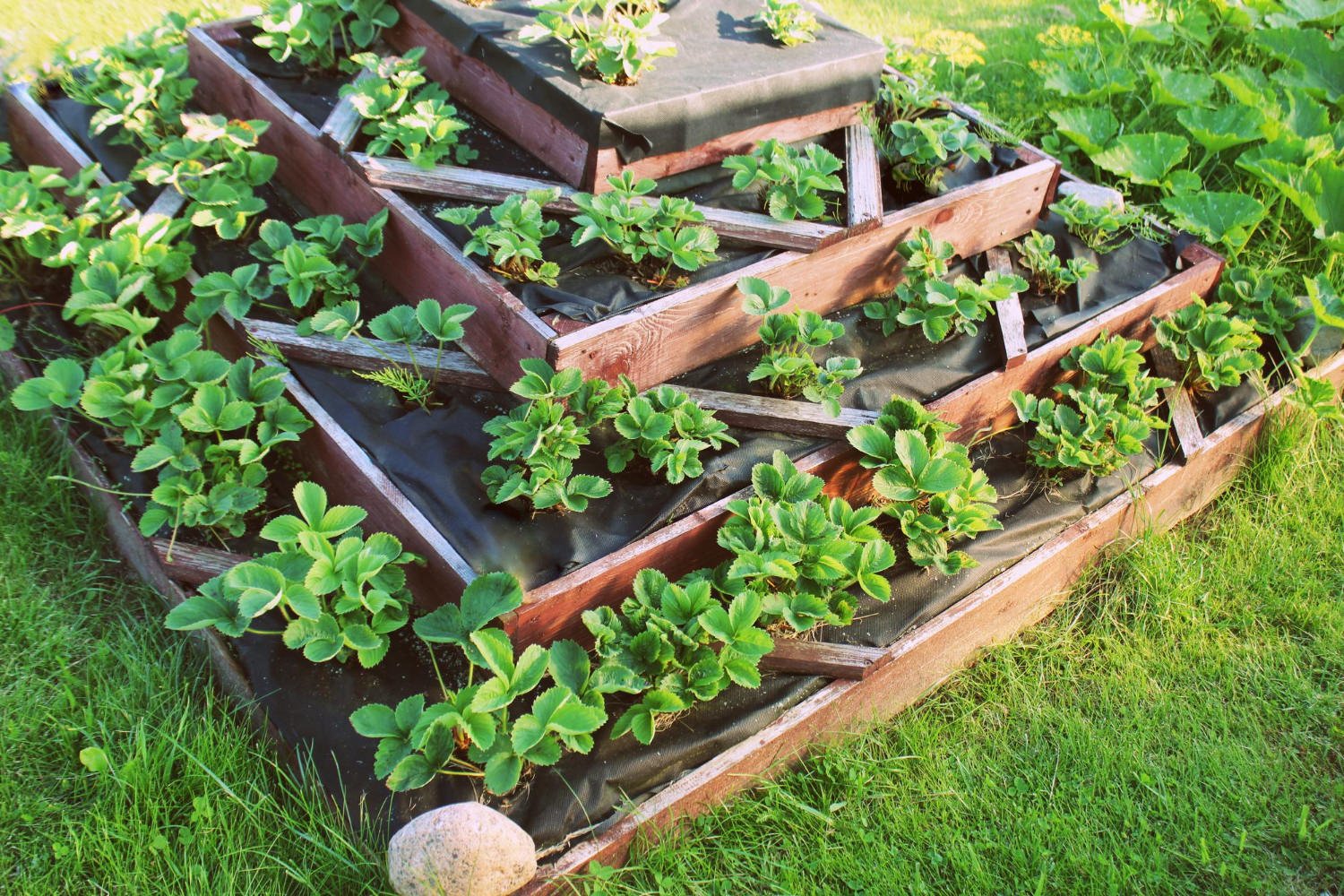
Even if you have a tiny garden, you can still grow your own food. A square meter vegetable bed is a smart way to use space in a small vegetable garden.
It’s easy to do: split a square meter into smaller squares. Each square can grow a different vegetable. Pick small plants that can grow close together, like lettuce, herbs, radishes, carrots, and spinach.
By planting them closely and using smart planting methods, you can get a lot of food from this small space. A square meter vegetable bed is a great way to enjoy gardening and get fresh, homegrown produce, no matter how small your garden is.
29. Add structural planting
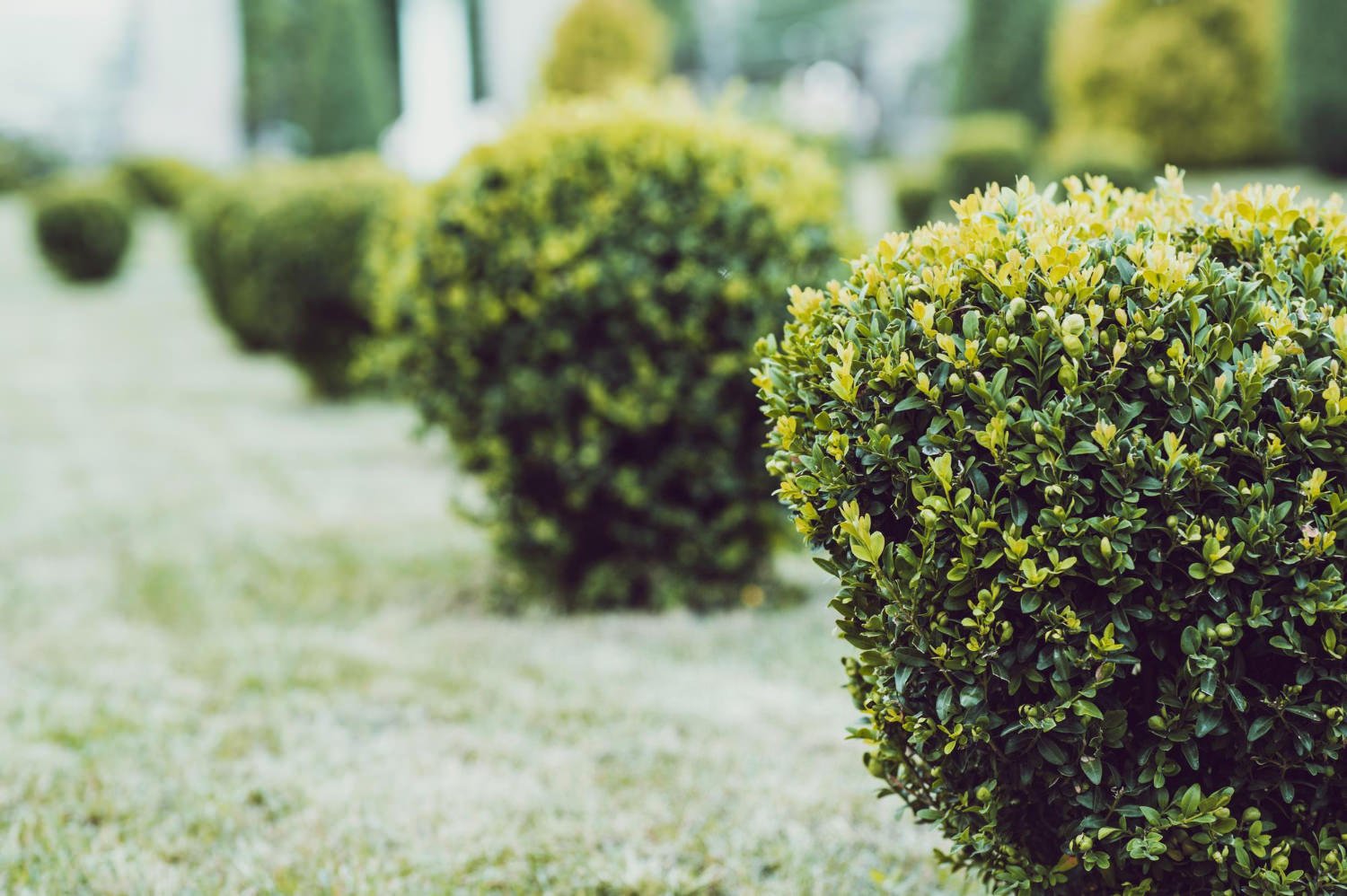
Incorporating structural planting is an important part of good garden design ideas, especially for a small garden space. Structural plants have strong shapes that help build a solid design. They make the garden feel stable and lasting.
Some great choices for year-round structure are evergreen shrubs like boxwoods, hollies, and yews. Their clear shapes give order to the garden. They also make a nice background for softer or colorful plants. You can use structural plants to create interesting focal points, define spaces, or block out views you don’t like.
By adding structural planting in a smart way, you bring a sense of purpose and stability to your small garden design. This helps make a balanced and attractive outdoor space.
30. Choose compact veg varieties
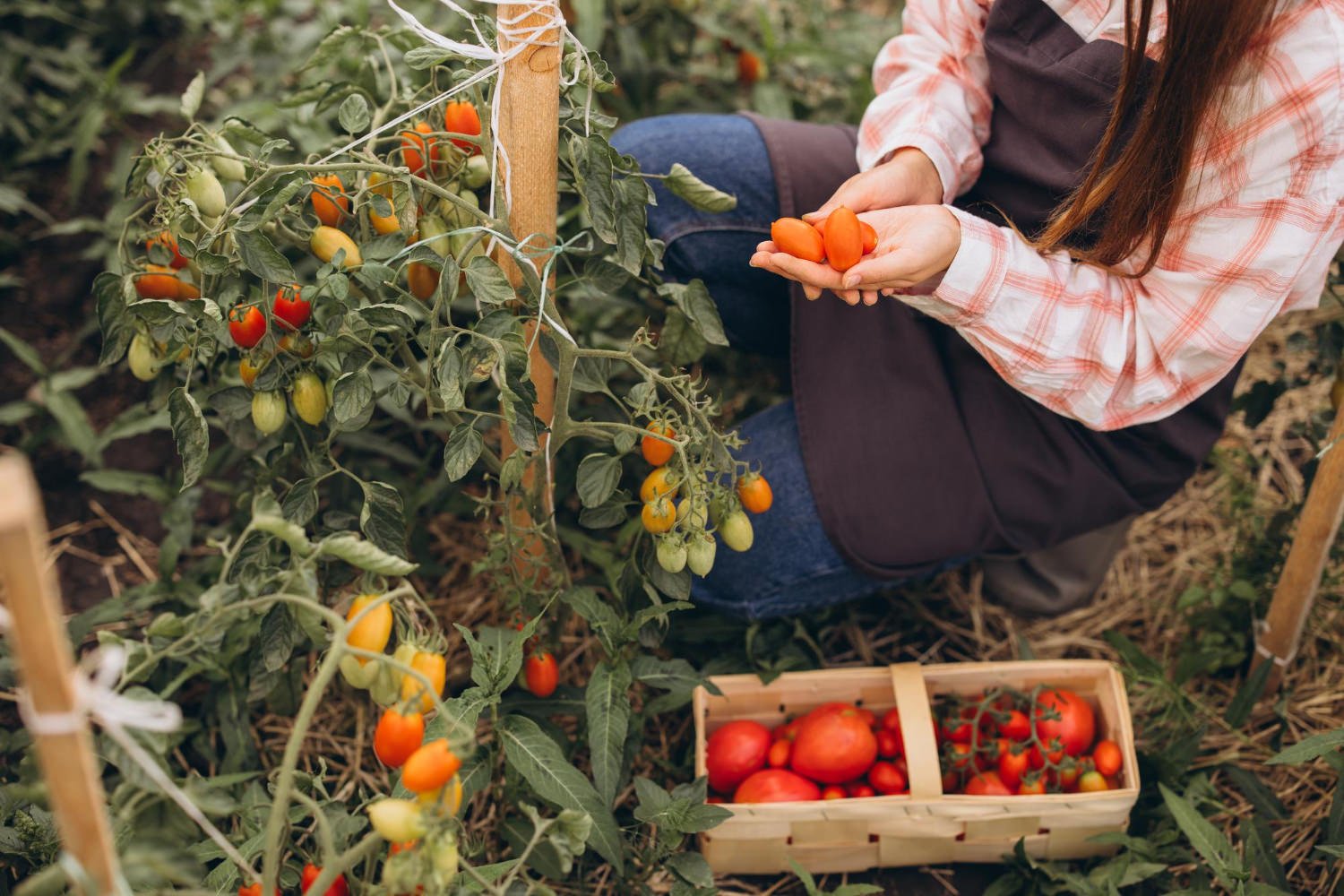
When you plan your small vegetable garden, it’s important to think about ideas for small gardens. Choose smaller vegetable types that fit well in little spots. These smaller plants grow a lot in a small area, which is perfect for containers, raised beds, or small spaces.
Look for dwarf or bush types of tomatoes, cucumbers, squash, and beans. These small versions taste just as good and have the same healthy benefits as larger ones. Plus, they will not take over your small garden space.
By picking compact vegetable types, you can have a great harvest. This way, you will enjoy more fresh, homegrown food from your small garden.
31. Limit your planting palette
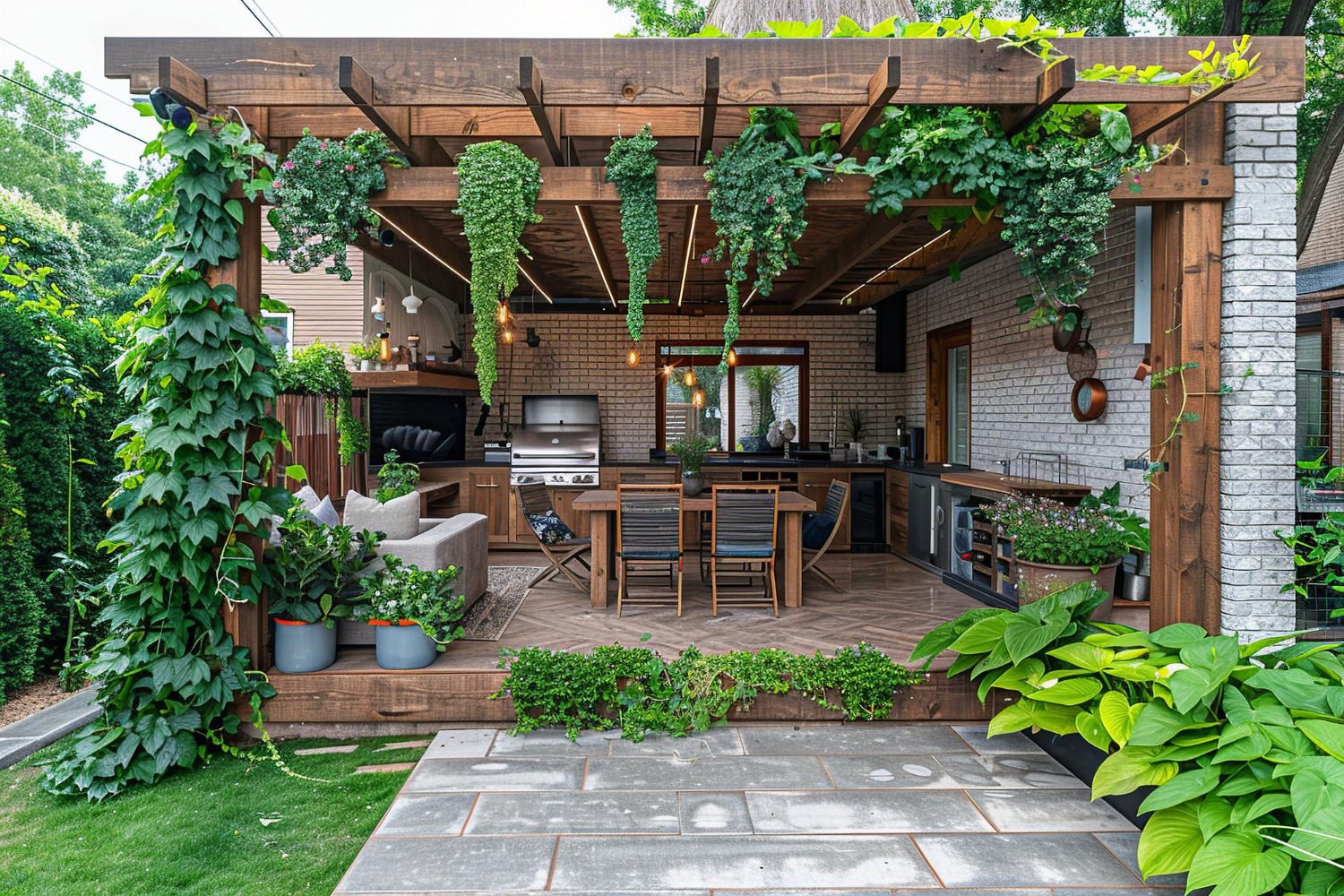
While it may be easy to add many plants to your small garden design, keeping your choices simple can actually make your garden look better. By picking a few plants that match well and using them throughout the garden space, you will create a sense of unity and balance.
Choose some key plants that grow well in your climate and soil. Use these plants as the base of your design. Place them in different spots in the garden, change their position, and mix them with other plants or flowers that look good together. This adds some variety while keeping things neat.
This method helps your garden feel harmonious and not too busy. It also makes caring for your plants easier because you can focus on keeping a smaller number of types healthy.
32. Spruce up the front gate
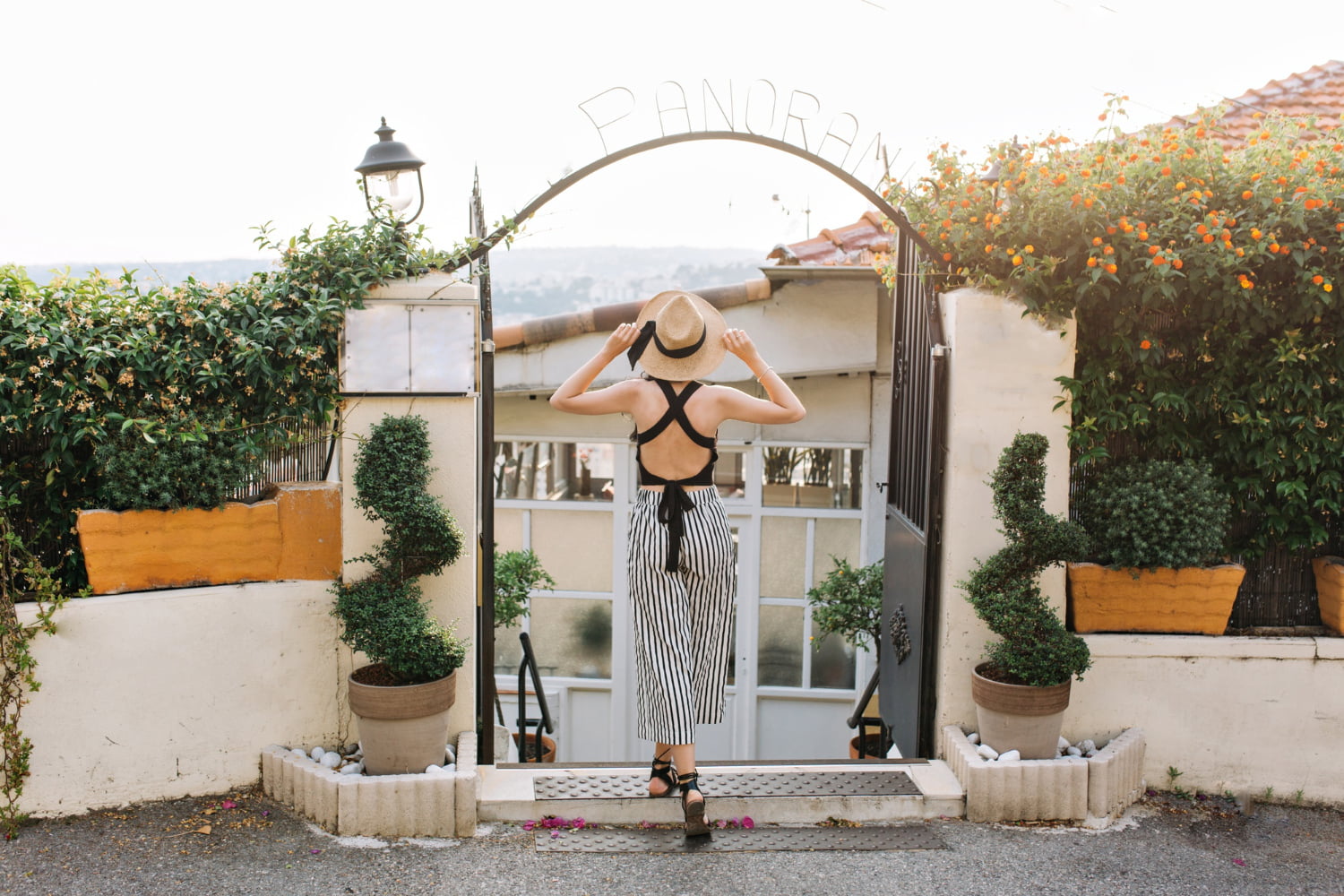
First impressions are important, and the entrance to your tiny garden is no different. Simple garden ideas like updating your front gate can really boost the attractiveness of your home. It also helps make a warm and inviting start to your outdoor space.
Begin by painting the gate in a fresh color that works well with your home’s look. You could choose a bright color for a bold style or a soft shade that fits nicely with the surroundings. Adding new handles or hinges can also make it look better.
If you have room, think about putting potted plants on either side of the gate or making a small flower bed. This will add some color and a nice touch of greenery. By focusing on this area that many people forget, you can create a welcoming entrance that sets the mood for your whole garden.
33. Ditch the lawn
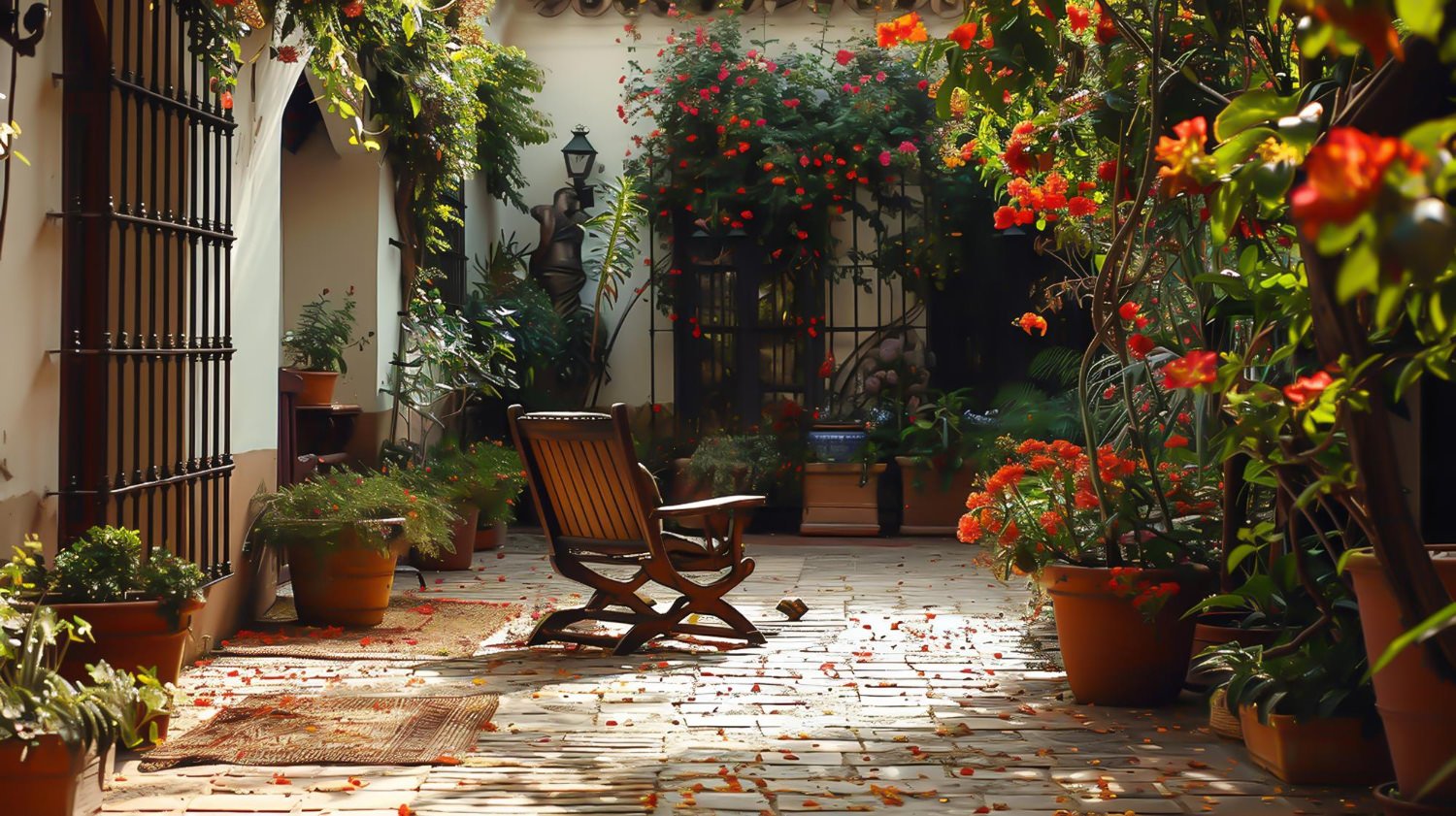
In a small garden space, having a lawn can feel like a lot of work. Lawns need constant mowing, watering, and fertilizing. They also do not give you as many ways to be creative with planting when compared to other garden design ideas.
Think about changing your lawn to different ground covers, like gravel, paving stones, or short plants. This change will cut down on how much time you spend on maintenance and let you use the space for a variety of plants. It will also help rainwater soak into the ground, which is good for nearby plants and helps reduce runoff.
Getting rid of the lawn opens up new options for your small garden design. You can make a space that is more sustainable, easier to take care of, and more pleasing to look at.
34. Use rectangular paving stones

When picking paving materials for your tiny garden, think about using rectangular paving stones. They can give the feeling of more length and space. This simple trick can really change how big your garden looks.
Place the rectangular stones in a horizontal line to make a narrow space look longer. You can also arrange them in a herringbone or basketweave design for something more eye-catching.
By using rectangular paving stones smartly, you can change how your small garden feels. This way, you make your outdoor area look more spacious and inviting.
35. Combine seating and storage space
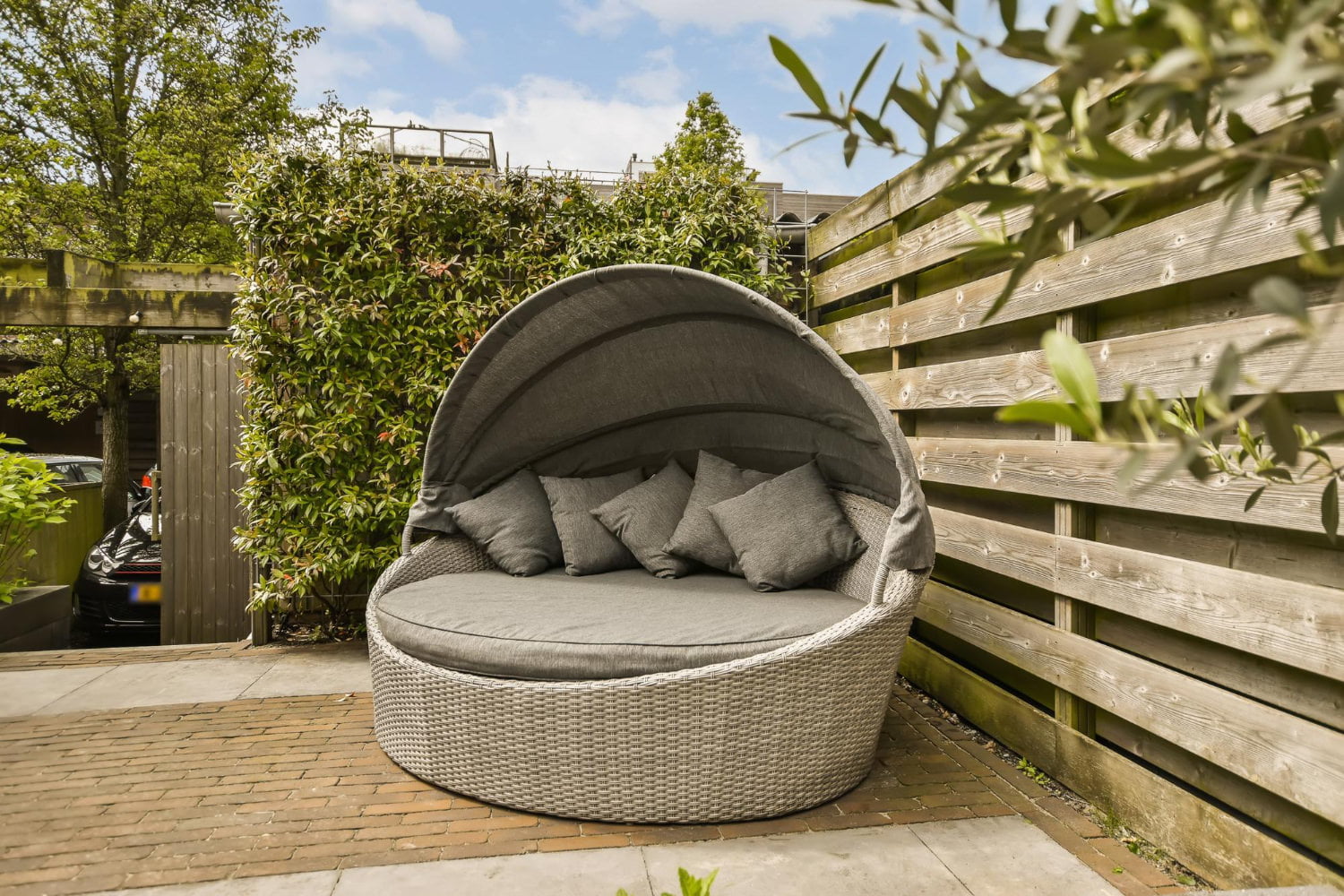
In a small garden design, it’s important to make the best use of space without making it feel crowded. Choosing furniture that offers seating and garden storage is a smart solution. This way, you can relax comfortably while keeping important items neat and easy to reach.
Look for benches that have storage underneath or for weatherproof storage boxes that can also serve as ottomans or side tables. There are creative designs too, where planters are part of the seating. This helps you add plants while saving space and keeping things looking good.
By picking furniture that has more than one function, you can improve the usefulness and style of your small garden design. Plus, it helps reduce clutter and keeps your space open.
36. Use repetition
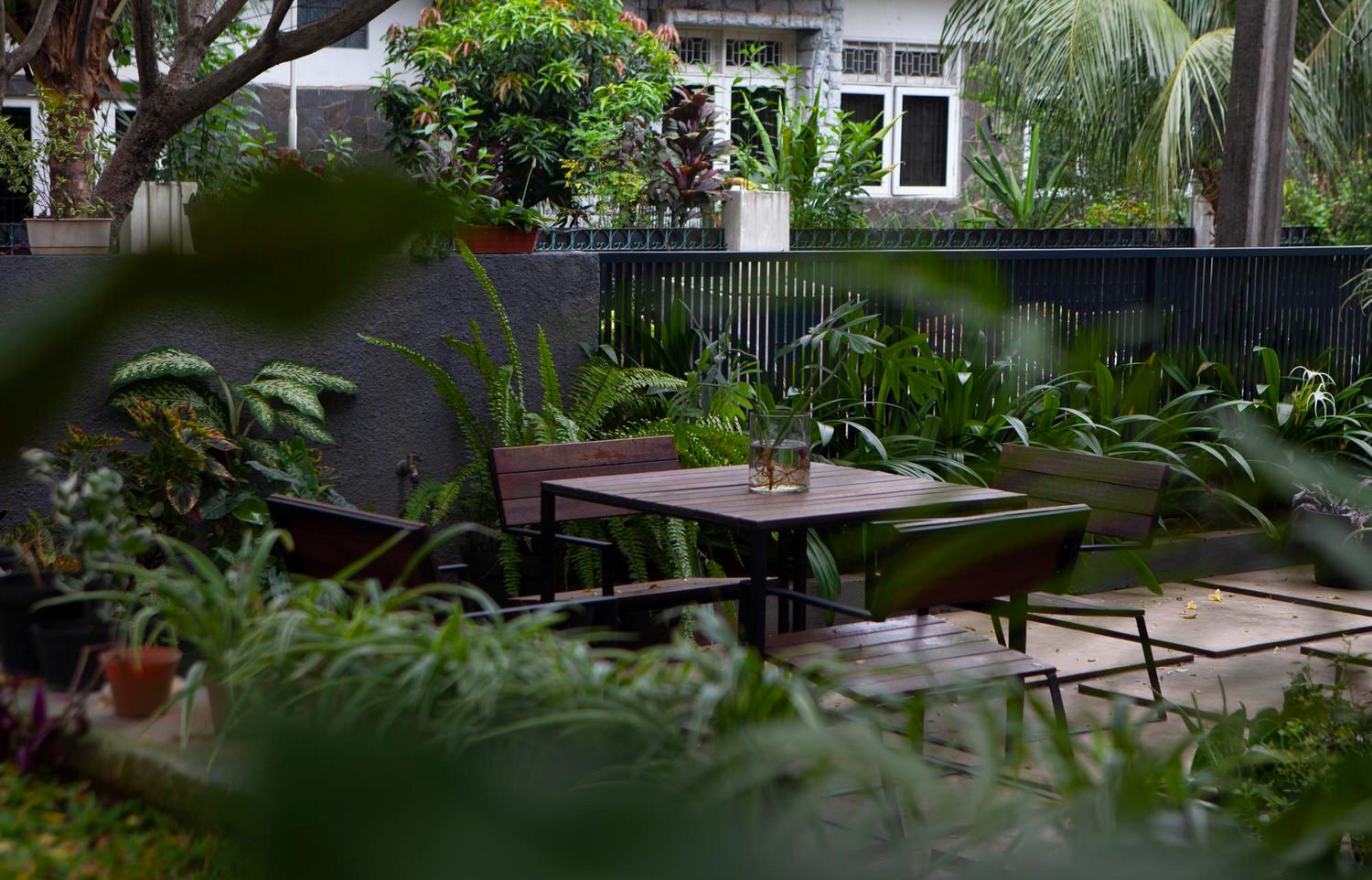
Repeating key elements in your small garden is a simple way to create order and harmony. It also helps make the garden feel bigger, giving the illusion of space. This repetition helps to keep the design from looking messy or crowded.
You can repeat the same plant type, color, shape, or even hardscaping materials throughout your garden. For instance, using lavender along a path or the same kind of paving stones in various spots shows visual connection and flow.
When you plan out these repeats wisely, you add rhythm and purpose to your small garden design. This makes it look better and feel more united and peaceful.
37. Get creative with shelves and hooks
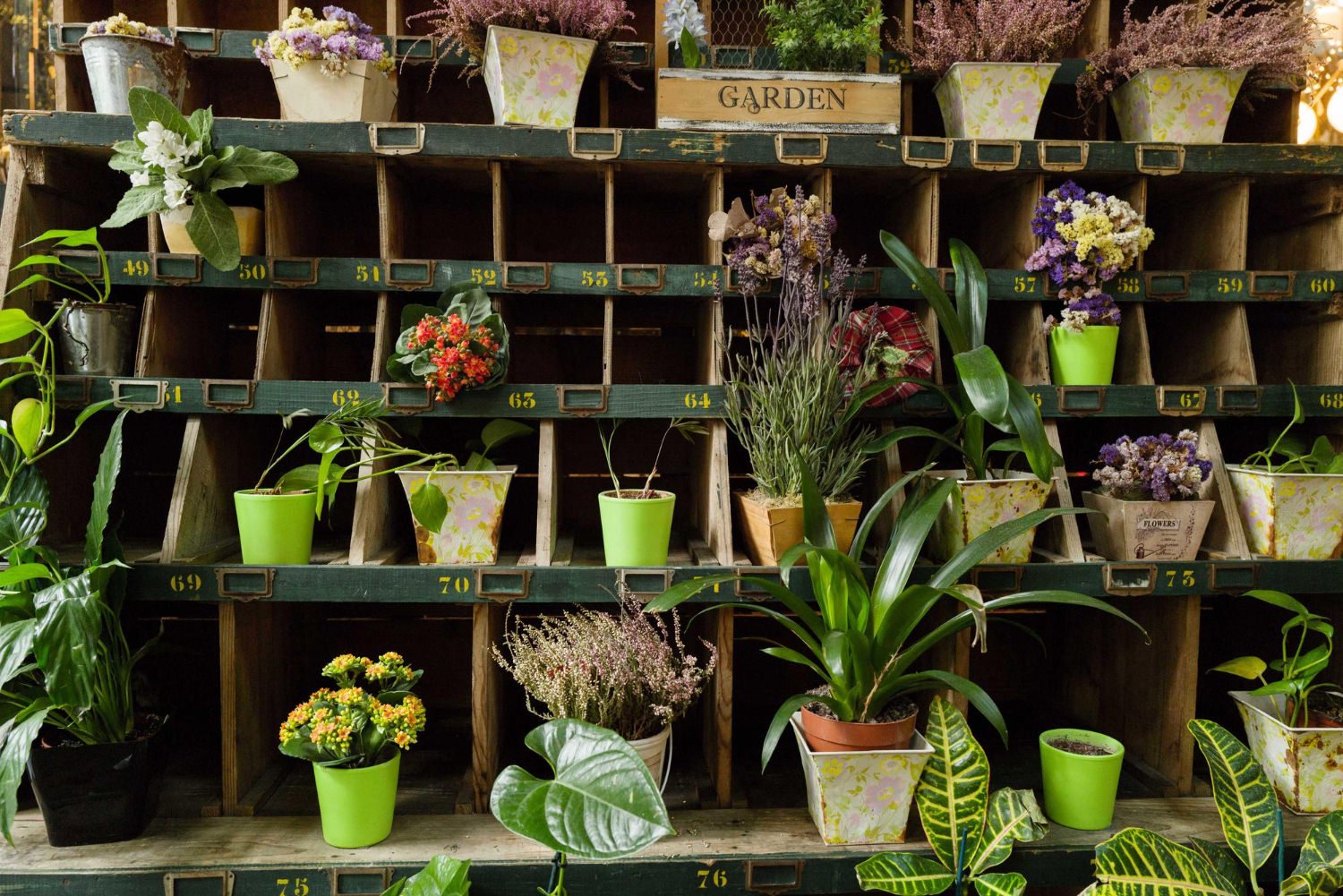
In a tiny garden, where space is limited, it is important to use every bit, including walls. Being creative with shelves and hooks is a great way to add more garden storage without losing valuable ground space.
You can put shelves on walls or fences to show off potted plants, decorations, or even to keep gardening tools and supplies. Hooks can be used to hang lanterns, bird feeders, or small tools. There are also clever vertical planters that can attach to walls or fences. They create beautiful green displays without taking any floor space.
By carefully using shelves and hooks, you can change unused areas into stylish and useful spots. This will improve the look of your small garden.
38. Add corner seating
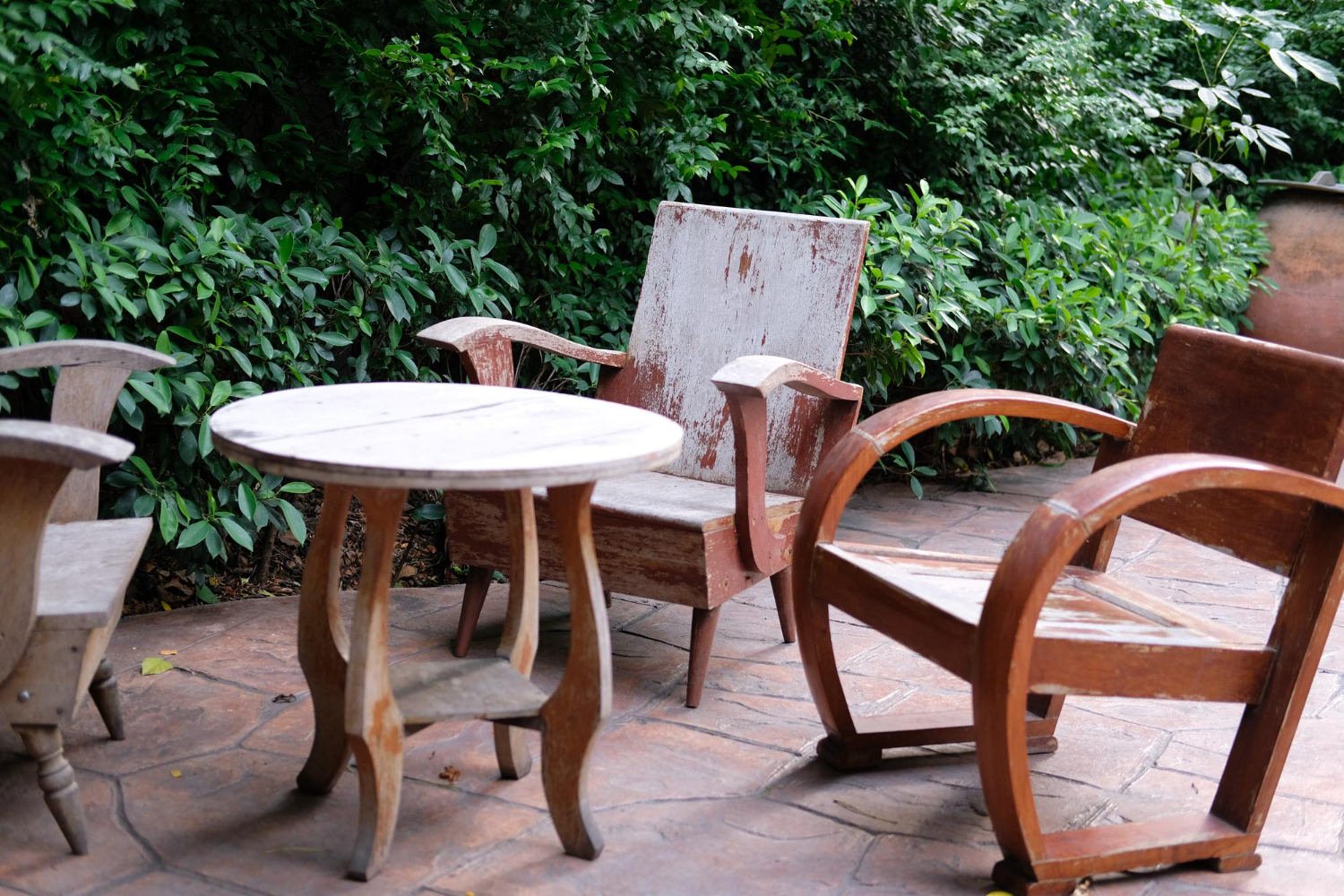
Maximizing seating in a small garden space needs some creative thinking. Using corner seating is a smart way to use spots that are usually ignored. This change can turn these areas into warm, inviting places for rest or fun.
Built-in corner benches are a great choice. They make the most of seating while also giving you extra storage below. You can also think about placing individual chairs or a small loveseat in a corner. This will help create a cozy and close seating area.
When you add corner seating, you gain more seats and make the small garden space look bigger.
39. Make the most of pots
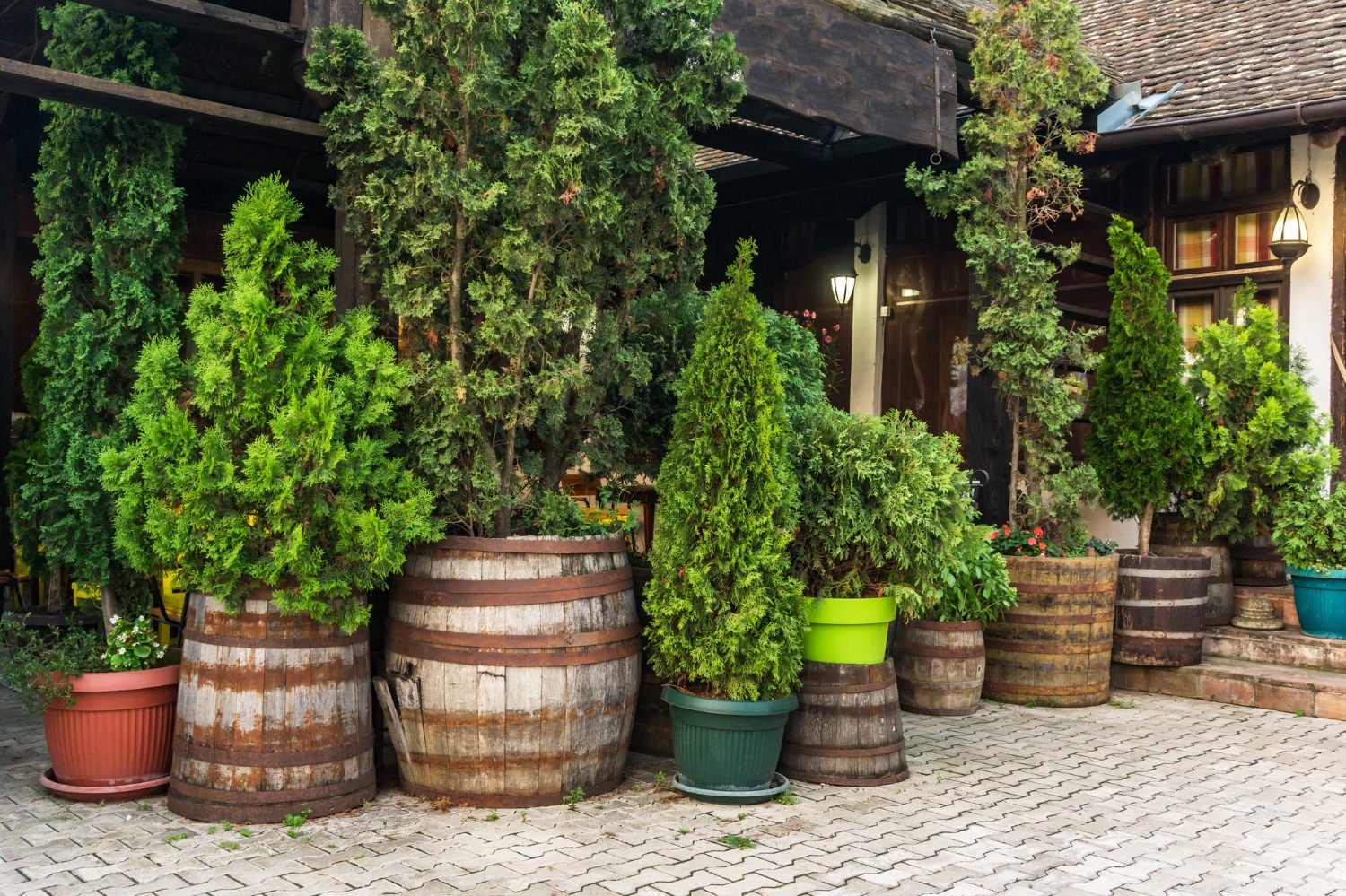
Pots give you many options in a small garden. They can add character and flexibility to your tiny garden ideas. With pots, you can add plants in places where you can’t dig in the ground, like on patios, balconies, or paths.
Try different sizes, shapes, colors, and materials for your pots. This will help make interesting displays. You can group pots together to make a lush look or place them near entrances and paths to draw attention. Don’t be shy to mix styles and heights to make a lively and unique design.
Pick plants that work well in containers. Make sure to think about their needs for light, water, and soil.
40. Add a pergola

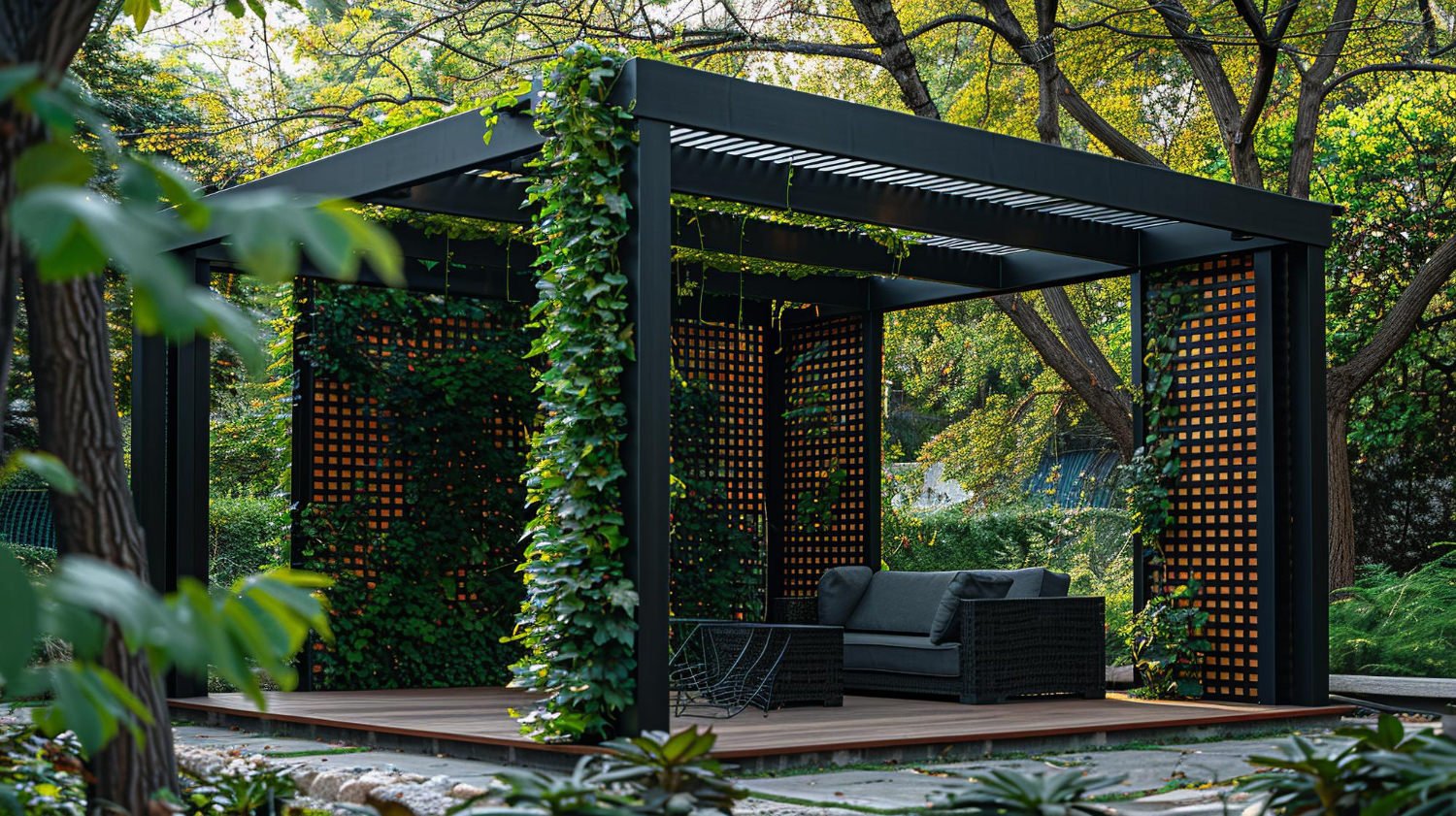
Adding a pergola can greatly improve your small garden design. It gives a nice architectural look. It also provides support for climbing plants like vines and roses. This will add beauty and greenery to your outdoor space. With a pergola, you can create a comfy corner or a shady area to relax. This helps you use your limited garden space well, while also adding height to your garden design.
41. Use light-coloured landscaping

One of the easiest and most helpful small garden ideas is to use light-colored materials. This can help create an illusion of space. Lighter colors reflect more light, which makes the area feel bigger and more open.
When you choose paving, try to use light-colored stone, gravel, or decking. These choices will brighten your space and create a simple background for your plants and garden furniture. If you have walls or fences, think about painting them in soft shades of gray, blue, or green to make the space feel more free.
A light and fresh color scheme is important to make the most of the space in a small garden. It will help create a warm and nice-looking outdoor area that feels larger than it is.
Conclusion
Maximizing a small garden space can be a fun challenge. It can lead to amazing results. You can use design ideas that work well with the shape of your garden. Light-colored plants can also help make your garden look great. Vertical planting is another option to consider. Each idea can make your tiny garden more attractive and useful.
Choose colorful perennials to add some life to your space. You might also want to add a water feature. This can attract birds and other wildlife, making your garden feel lively. Don’t forget to include outdoor lighting to enjoy your garden at night. Planting scented flowers in your garden space can create a nice aroma too.
With these small garden design ideas, you can turn your tiny space into a beautiful paradise. It will look good and be functional for you to enjoy.
Frequently Asked Questions
How Can I Make My Small Garden Look Bigger?
To make your small garden look bigger, you can add vertical items like pergolas. Using mirrors helps create an illusion of space. Choosing furniture that serves many purposes is also a great idea. You should place plants carefully and keep everything neat. This way, your outdoor space will seem larger.
Which Plants Are Best for a Small Garden in the UK?
For a small garden in the UK, you can choose plants like lavender, heather, and foxgloves. They bring bright colors and are easy to care for. You should also think about growing herbs like thyme, rosemary, and mint, as they do well in this climate. Adding shrubs such as hydrangeas and camellias can give your garden more depth and structure.
What Are the Benefits of Having a Water Feature in My Garden?
Add a water feature to your garden oasis. This will help you enjoy relaxing sounds and attract wildlife. It can also create a calm atmosphere. A water feature can increase your property value and improve its curb appeal. It adds a special touch of peace to your outdoor space.
Can I Grow Vegetables in a Small Garden Space?
Yes, you can grow vegetables in a small garden. Use vertical gardening methods to save space. Choose compact plant types. Maximize your container gardening too. With good planning and care, small garden space can bring a big harvest.
